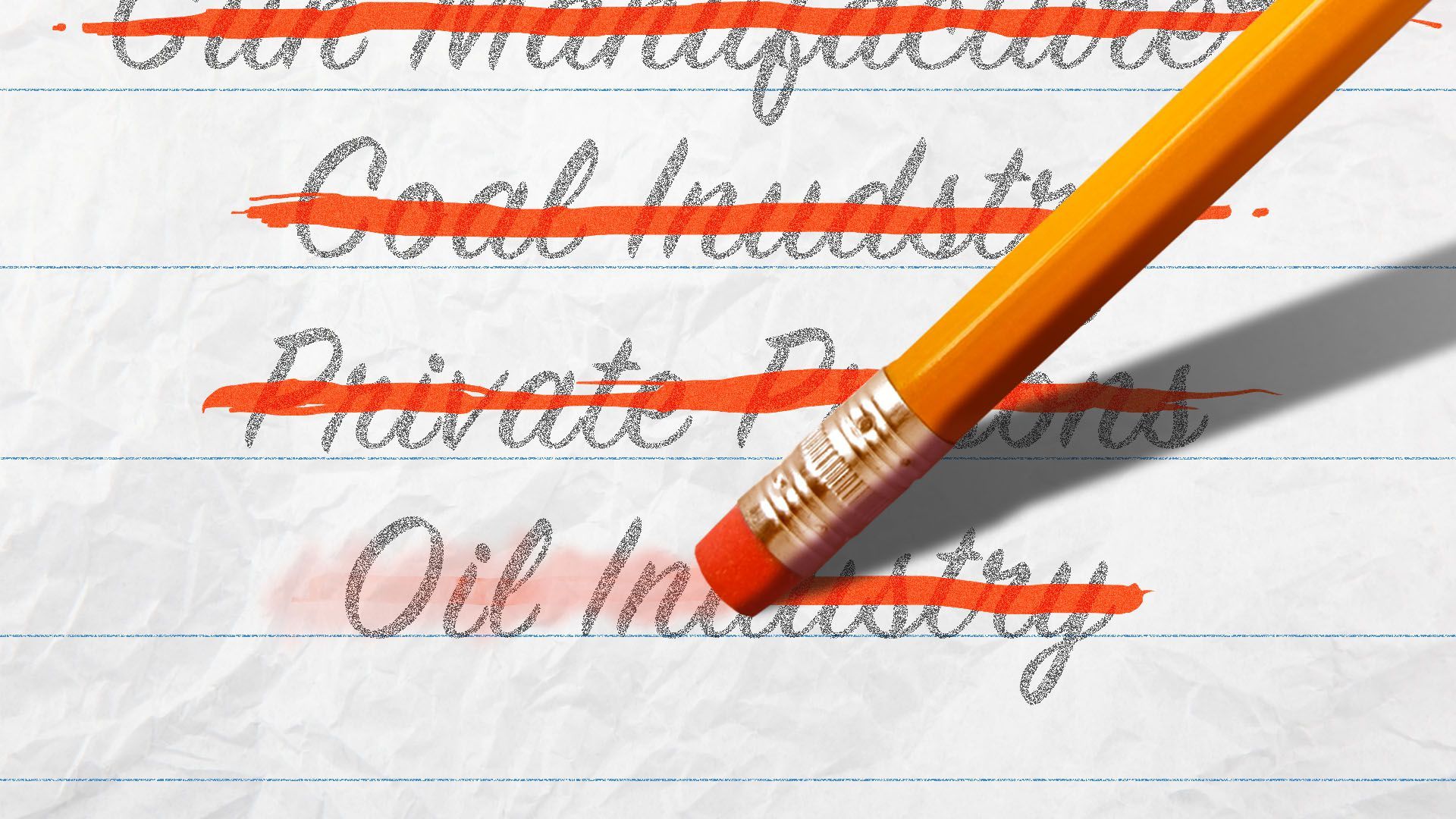
Big banks are no longer allowed to reject business loan applicants because of the industry in which they operate, according to a new rule finalized on Thursday by the Trump administration.
Why it matters: Wall Street has curtailed its exposure to industries like guns, oil and private prisons, driven by both public and shareholder pressures. This new rule could reverse that trend.
This week I'm driving the GMC Yukon Denali, which was redesigned for the 2021 model year.
The big picture: The Yukon, along with GM's other full-size SUVs (the Cadillac Escalade and Chevrolet Tahoe and Suburban), are the company's moneymakers, hauling in about $10,000 profit per vehicle, analysts estimate.
Without them, GM wouldn't have the capital to invest in future technologies like electric, self-driving cars.
General Motors is finding love on Wall Street, something it hasn't experienced in a very, very long time.
What's happening: Investors are beginning to give credence to the Detroit automaker's electric vehicle strategy — or they're looking for a cheaper way to participate in the Tesla-inspired run-up in electric vehicle stocks.
Oil-and-gas giant Total said this morning that it's leaving the American Petroleum Institute, which is the industry's most powerful U.S. lobbying group.
Why it matters: It's the biggest rupture yet between European-headquartered multinational oil majors and U.S.-based trade groups over climate policy.
China has a workable path toward making a huge head start on its long-term climate pledges by ensuring that essentially all new power generating capacity added going forward is zero-carbon, a new analysis argues.
Driving the news: The report out today offers what authors call a technically and economically feasible roadmap for transforming China's power sector over the next 10 years.
Christiana Figueres, an architect of the Paris climate agreement, will be joining the board of alternative protein startup Impossible Foods, Axios has learned.
Why it matters: Figueres's move is a sign of the growing importance of the alt-protein sector, and an acknowledgement that solving climate change needs to include addressing food and agriculture, as well as energy.
2020 was the second-hottest year on record, according to an analysis by National Oceanic and Atmospheric Administration scientists.
Why it matters: It's the second year in a row the Earth has experienced near-record heat, offering more evidence of the effects of global warming at the beginning of what could be a critical year for climate policy in the U.S. and around the globe, writes Axios Ben Geman.
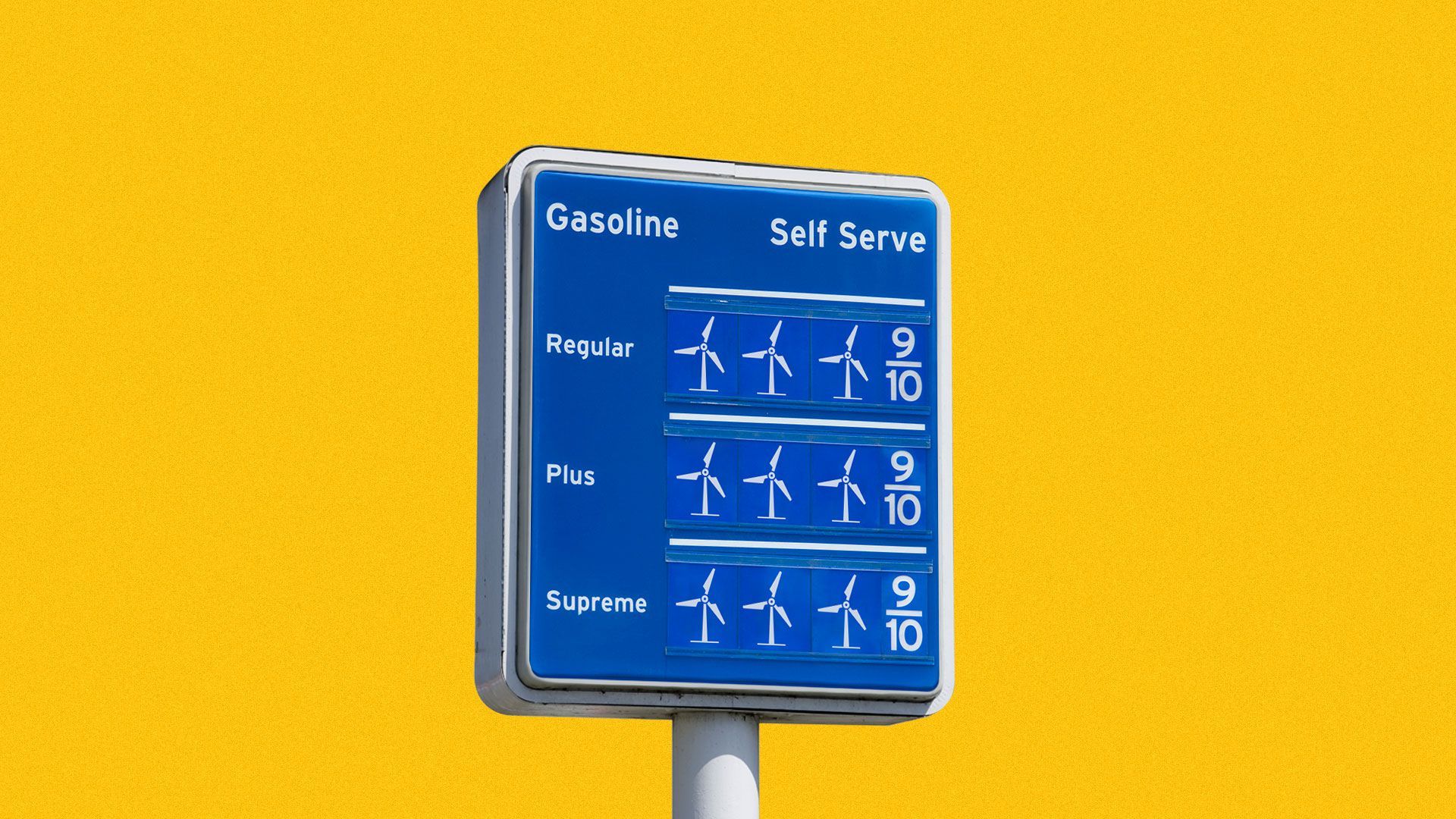
This week brought new signs of multinational oil majors' deepening push into offshore wind.
Driving the news: France's Total is teaming up with Spain-based global power giant Iberdrola to develop what they say will be one of the world's largest offshore wind farms off Denmark's coast.
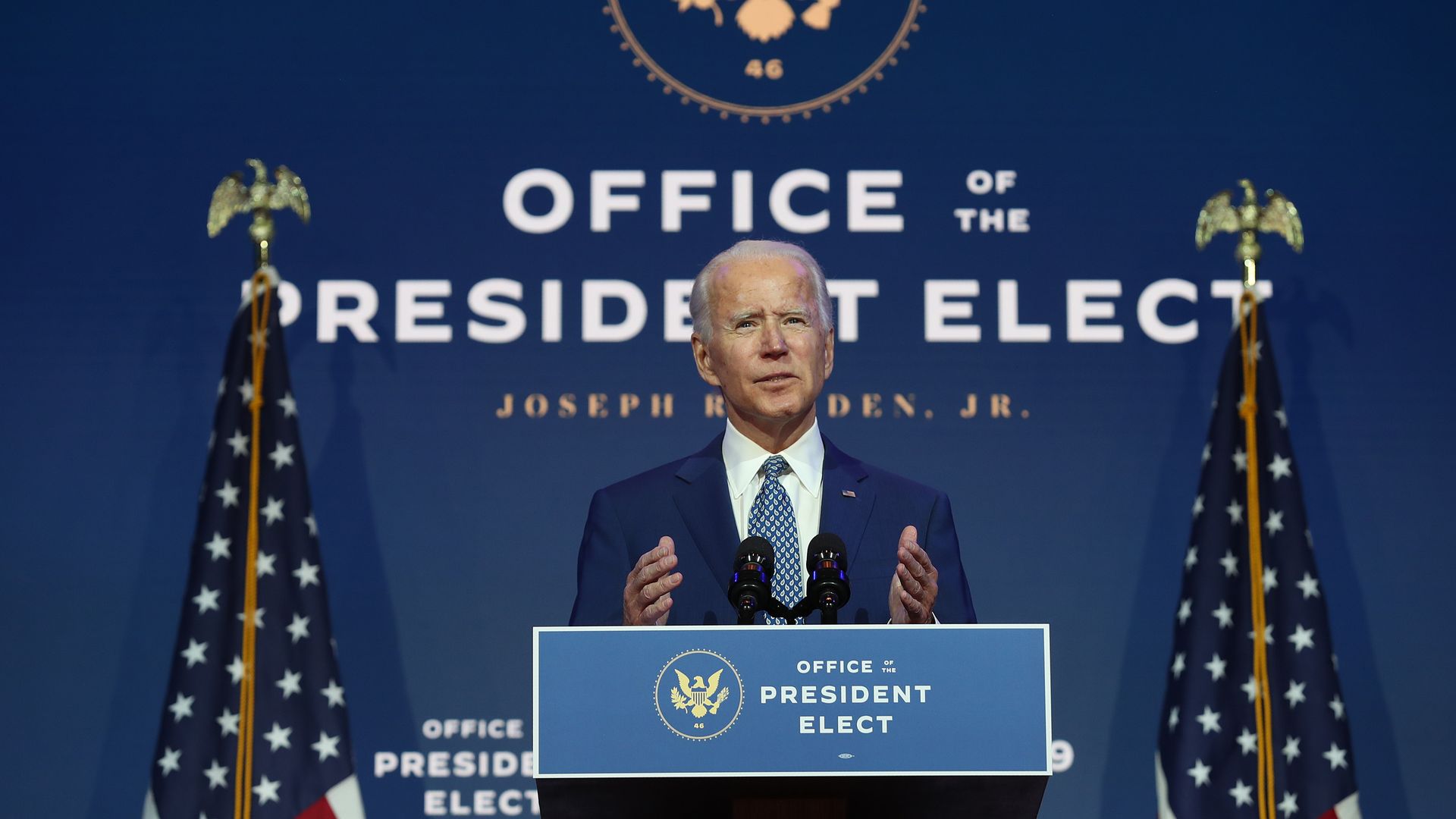
Joe Biden's transition team on Thursday rolled out a team of top White House climate aides.
Why it matters: The crew staffing the new White House Office of Domestic Climate Policy will help oversee what the incoming administration says will be an aggressive, government-wide approach to the topic.
New peer-reviewed research lays out a case for quickly launching huge global investments to scale up a nascent and currently quite an expensive weapon against climate change: machines that pull carbon dioxide from the atmosphere.
The big picture: The Nature Communications study is a stab at carefully gaming out a "crisis" response to a huge problem: Nations' pace of cutting new emissions falls well short of what's needed to limit temperatures in line with the Paris deal goals.
Venture capital investment into technologies aimed at combating climate change reached a record high in 2020, according to PitchBook, a private-market data firm.
Why it matters: Clean-energy technologies must increase substantially to drastically reduce greenhouse gas emissions over the next 30 years. It’s also notable that the pandemic didn’t dampen the trend.