2020 was the second-hottest year on record, according to an analysis by National Oceanic and Atmospheric Administration scientists.
Why it matters: It's the second year in a row the Earth has experienced near-record heat, offering more evidence of the effects of global warming at the beginning of what could be a critical year for climate policy in the U.S. and around the globe, writes Axios Ben Geman.
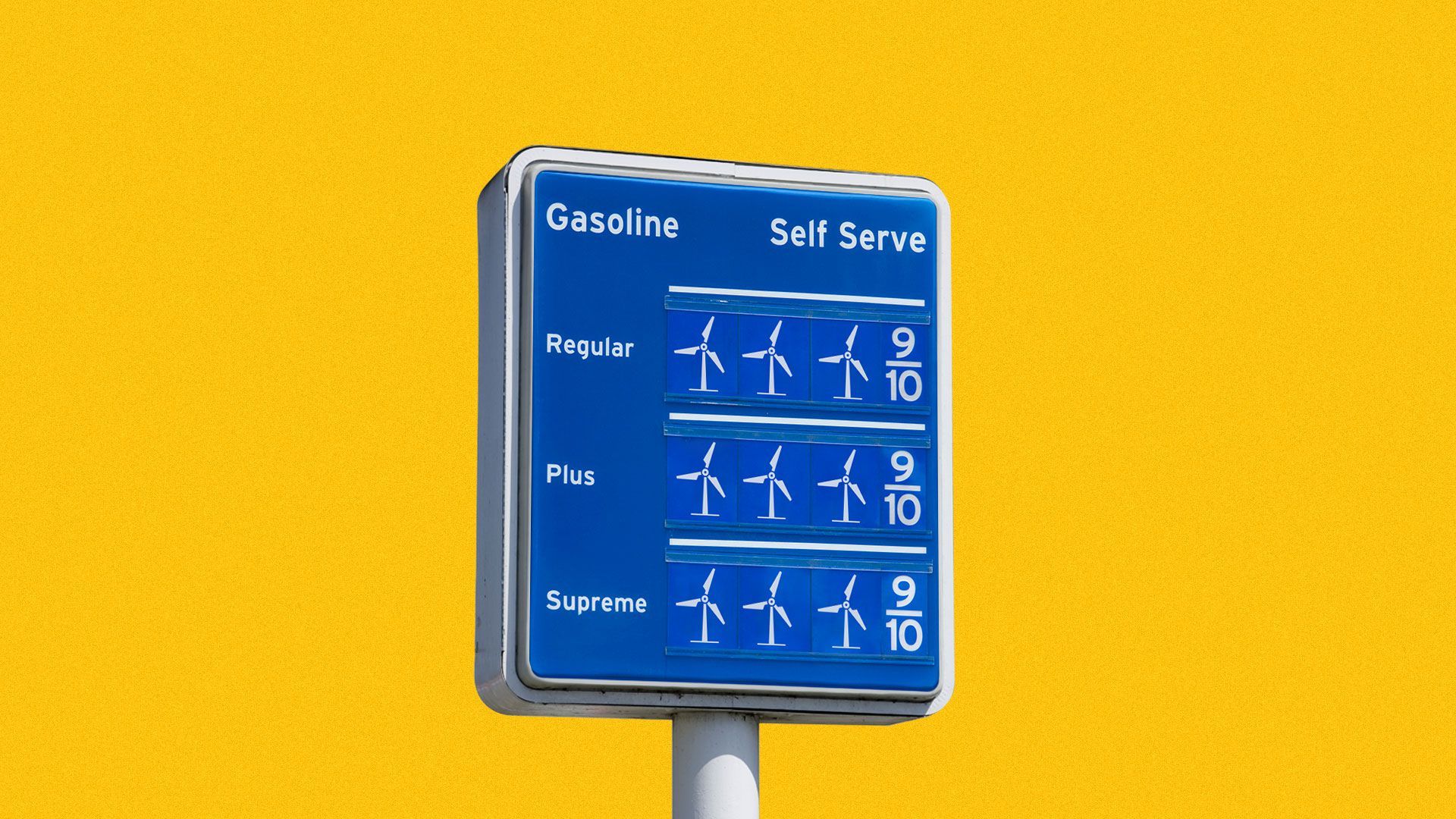
This week brought new signs of multinational oil majors' deepening push into offshore wind.
Driving the news: France's Total is teaming up with Spain-based global power giant Iberdrola to develop what they say will be one of the world's largest offshore wind farms off Denmark's coast.
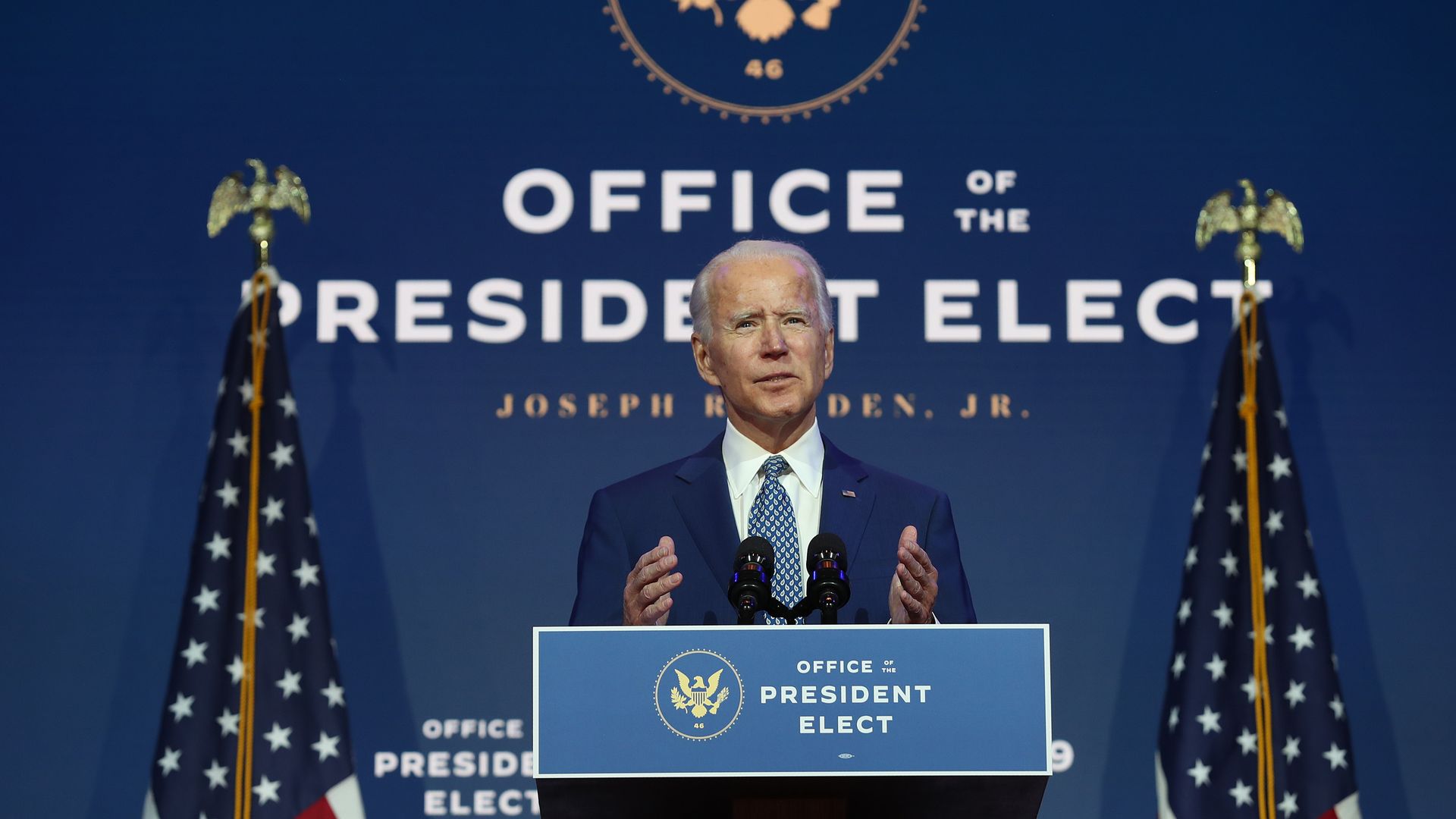
Joe Biden's transition team on Thursday rolled out a team of top White House climate aides.
Why it matters: The crew staffing the new White House Office of Domestic Climate Policy will help oversee what the incoming administration says will be an aggressive, government-wide approach to the topic.
New peer-reviewed research lays out a case for quickly launching huge global investments to scale up a nascent and currently quite an expensive weapon against climate change: machines that pull carbon dioxide from the atmosphere.
The big picture: The Nature Communications study is a stab at carefully gaming out a "crisis" response to a huge problem: Nations' pace of cutting new emissions falls well short of what's needed to limit temperatures in line with the Paris deal goals.
Venture capital investment into technologies aimed at combating climate change reached a record high in 2020, according to PitchBook, a private-market data firm.
Why it matters: Clean-energy technologies must increase substantially to drastically reduce greenhouse gas emissions over the next 30 years. It’s also notable that the pandemic didn’t dampen the trend.
Pricingis one reason why wringing carbon emissions out of transportation is hard: Automakers have incentives to sell lots of big vehicles that don't get very good mileage. And they're what consumers want.
The big picture: The average price for new light trucks, a category that includes pickups and SUVs, was 43% higher in 2019 than the average for cars, per this new Energy Department analysis of Commerce data.
Fresh U.S. government projections of U.S. oil production underscore how it will be a long time before the country again reaches its record pre-pandemic output — if ever.
Why it matters: The Energy Information Administration's outlook published Tuesday provide the first glimpse at where they see U.S. output in 2022 — at a substantial, but nowhere near complete, recovery.