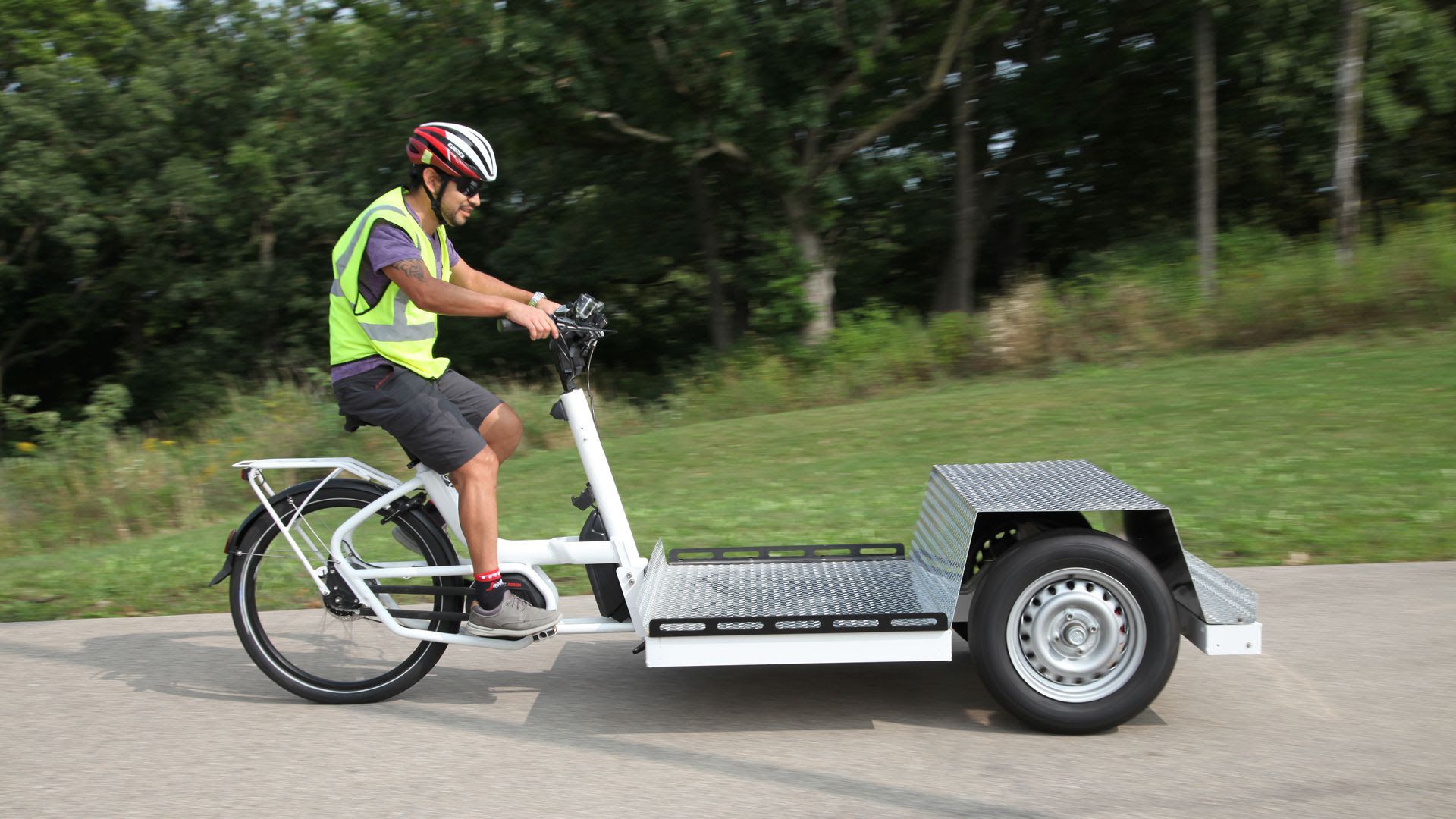
Electric cargo bikes — which come in all shapes and sizes — are silent and emissions-free alternatives to Bobcats and light trucks, and they're increasingly used in cities for deliveries and municipal improvements.
Why it matters: If you've ever been bothered by the "beep-beep-beep" of a vehicle as it backs up, you'll be grateful to see these sporty little newcomers at work at highway medians and building delivery entrances.
The Interior Department on Thursday said it will auction oil drilling leases in Alaska's Arctic National Wildlife Refuge in early January.
Why it matters: The procedural step would make it harder for President-elect Joe Biden to thwart drilling in the region, even though any actual development is years away.
Coal-fired power's persistence in Asia is a big climate problem, but the reasons some countries can't quit coal — even as other parts of the world are gradually breaking up with the fuel — aren't always so obvious.
Driving the news: Enter a new paper in Energy Research & Social Science that explores what's driving demand for China's financing of coal-fired power plants in the region, even as other power sources are cost-competitive.
The U.S. Postal Service is likely to be upgrading its fleet of trucks with electric vehicles soon, but the decision has been pushed back to next year.
Driving the news: USPS told automotive website Trucks.com on Tuesday that it expects to announce which companies it will select for a potentially $6 billion deal to build as many as 180,000 delivery vans in the second fiscal quarter of 2021.
A bipartisan Senate bill subsidizing existing nuclear power plants and backing new kinds of such technology passed a congressional committee on Wednesday.
Why it matters: It won’t become law before year’s end, but it’s likely to resurface in 2021 as an example of the type of bipartisan compromise expected under a divided Congress with President-elect Joe Biden in the White House.
America deployed a record amount of energy storage in the third quarter of 2020, increasing 240% over the previous high set last quarter, a new report says.
Why it matters: Storing electricity to back up wind and solar is key to ensuring increases in these variable energy sources goes smoothly. That upsurge is a central part of combating climate change.
Large companies could spur a nationwide shift toward a circular economy, in which items are recycled back into supply chains for packaging and products, Bridget Croke, managing director of Closed Loop Partners, said Wednesday at an Axios virtual .
Why it matters: Several large companies committing to using recycled materials could substantial savings, as they move away from "spending billions of dollars throwing another multibillions of dollars of valuable materials in the trash," Croke said.
Projected and planned levels of global oil, natural gas and coal production are way out of step with the kind of emissions cuts needed to hold global warming significantly in check, a new analysis shows.
Why it matters: The "production gap" report from the UN's environment agency and other researchers provides another lens onto how the world is nowhere near on track to meet the Paris climate deal's goals.
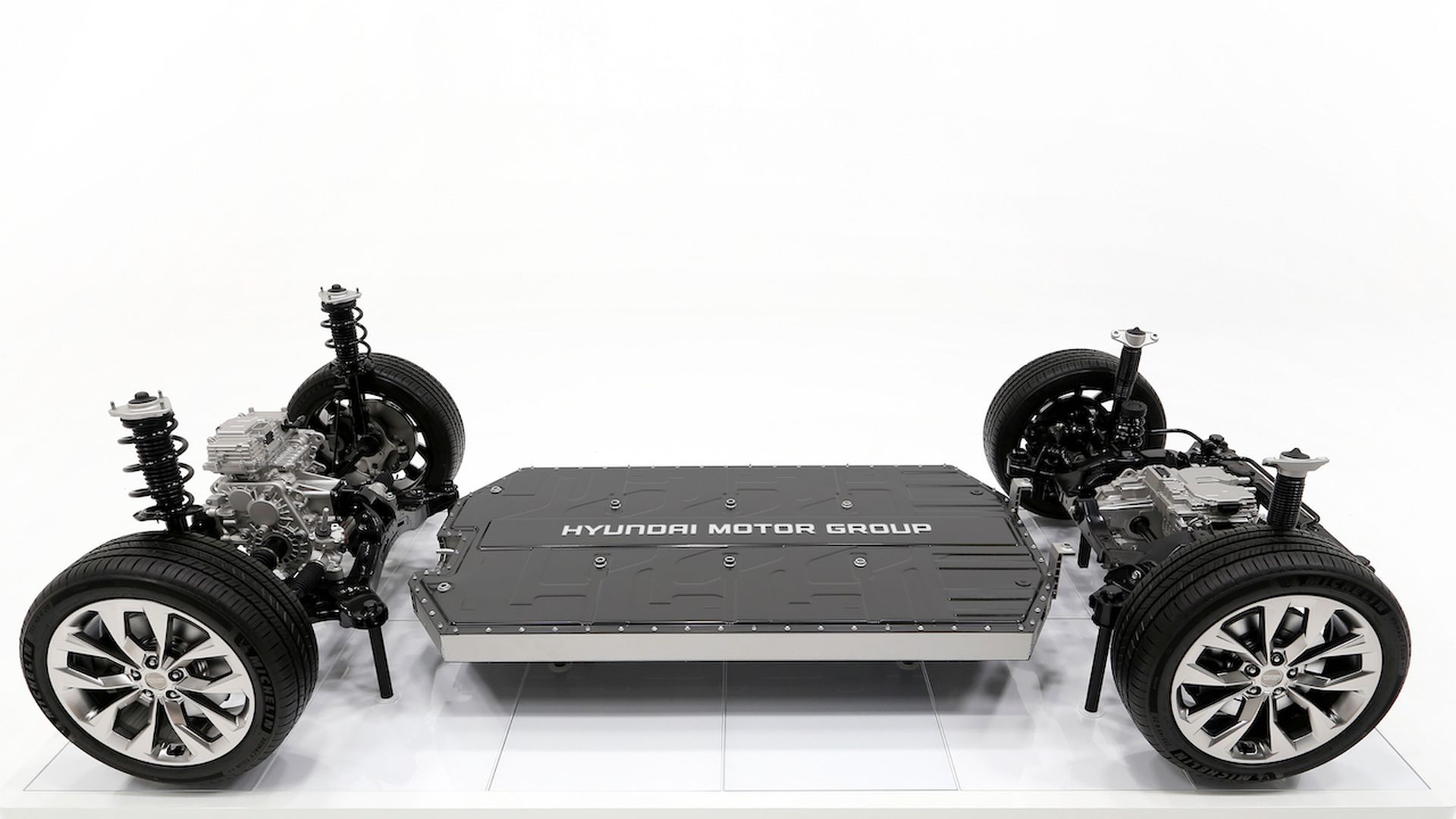
Hyundai Motor Group says it's developed the in-house technology to thrive in the emerging market for electric vehicles as they prepare to unveil a suite of new models over the next several years.
Driving the news: The company yesterday took the wraps off "E-GMP," the Korean automakers' first dedicated EV platform.
Having at least 30% women on corporate boards "makes a key difference to climate governance and innovation," per new analysis of thousands of companies from the research firm BloombergNEF.
Why it matters: Companies worldwide are coming under increased pressure to curb emissions, adopt cleaner tech and disclose emissions data.