Wall Street speculators are flocking to electric vehicle startups, assigning gigantic valuations to companies that have yet to produce any vehicles, much less any revenue or profits.
Why it matters: Searching for the next Tesla is a risky proposition. It's still unclear how quickly the electric vehicle market will develop, or how large it will ultimately become — and some of the new electric vehicle players are likely to fail.
Shell is closing down its refinery in Convent, Louisiana, after failing to find a buyer for the plant that processes over 200,000 barrels of oil per day, the company said Thursday.
Why it matters: Most signs of Big Oil's climate plans have involved acquisitions and venture deals around renewables, batteries and other tech, but this move shows how the plans will also involve shedding assets in various parts of their business.
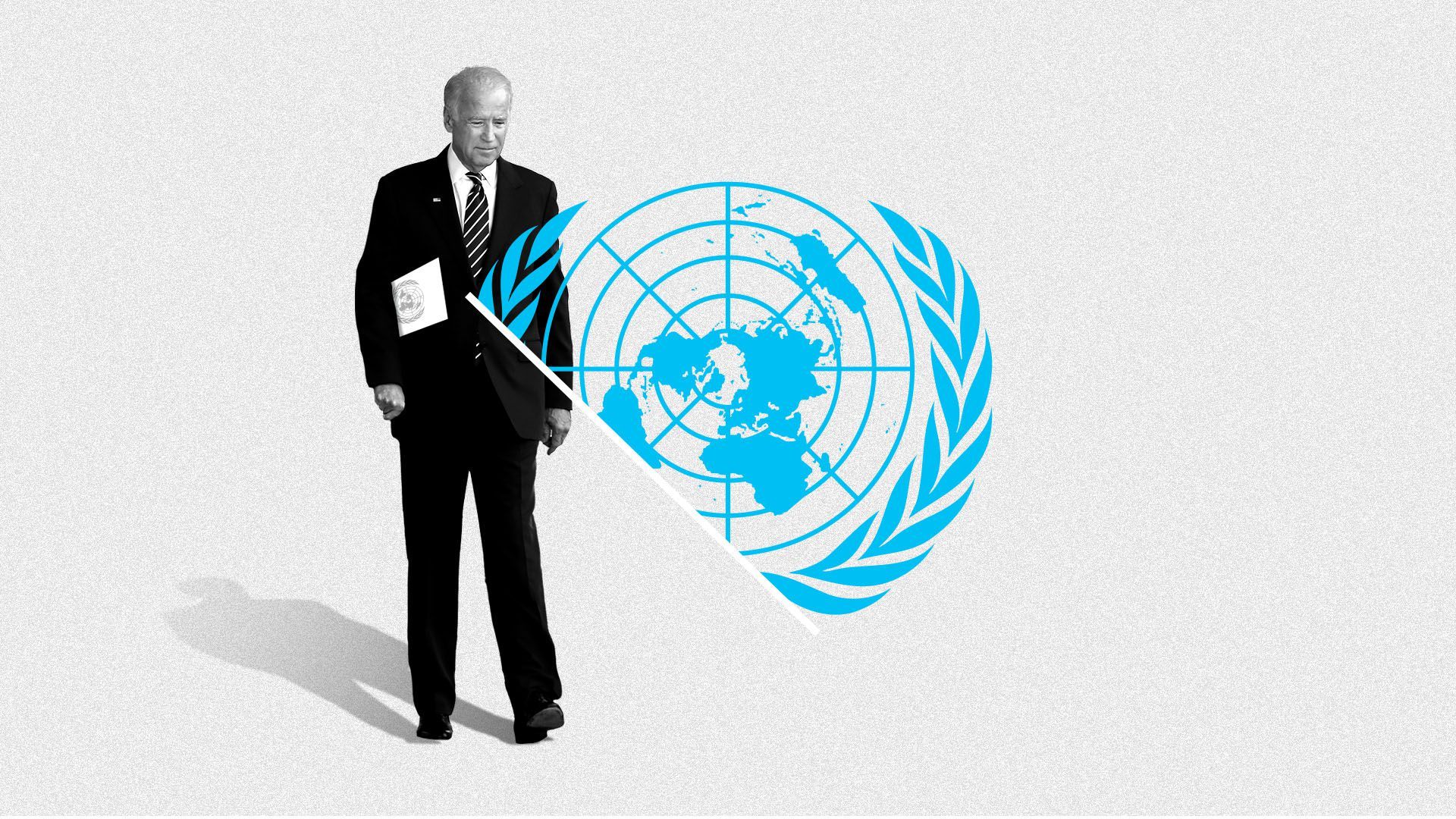
Joe Biden this week pledged again to immediately rejoin the Paris climate agreement if he wins the presidential election, but ultimately meeting his ambitions for the U.S on the world stage would be much tricker.
Why it matters: Biden would face big challenges and complex decisions after announcing the U.S. is back on the climate diplomacy circuit.
President Trump has removed Neil Chatterjee as chairman of the Federal Energy Regulatory Commission and replaced him with James Danly, the other sitting GOP member of the panel.
Why it matters: FERC is a powerful commission with jurisdiction around electricity markets, interstate natural gas and power transmission, liquefied natural gas (LNG) facilities and more.
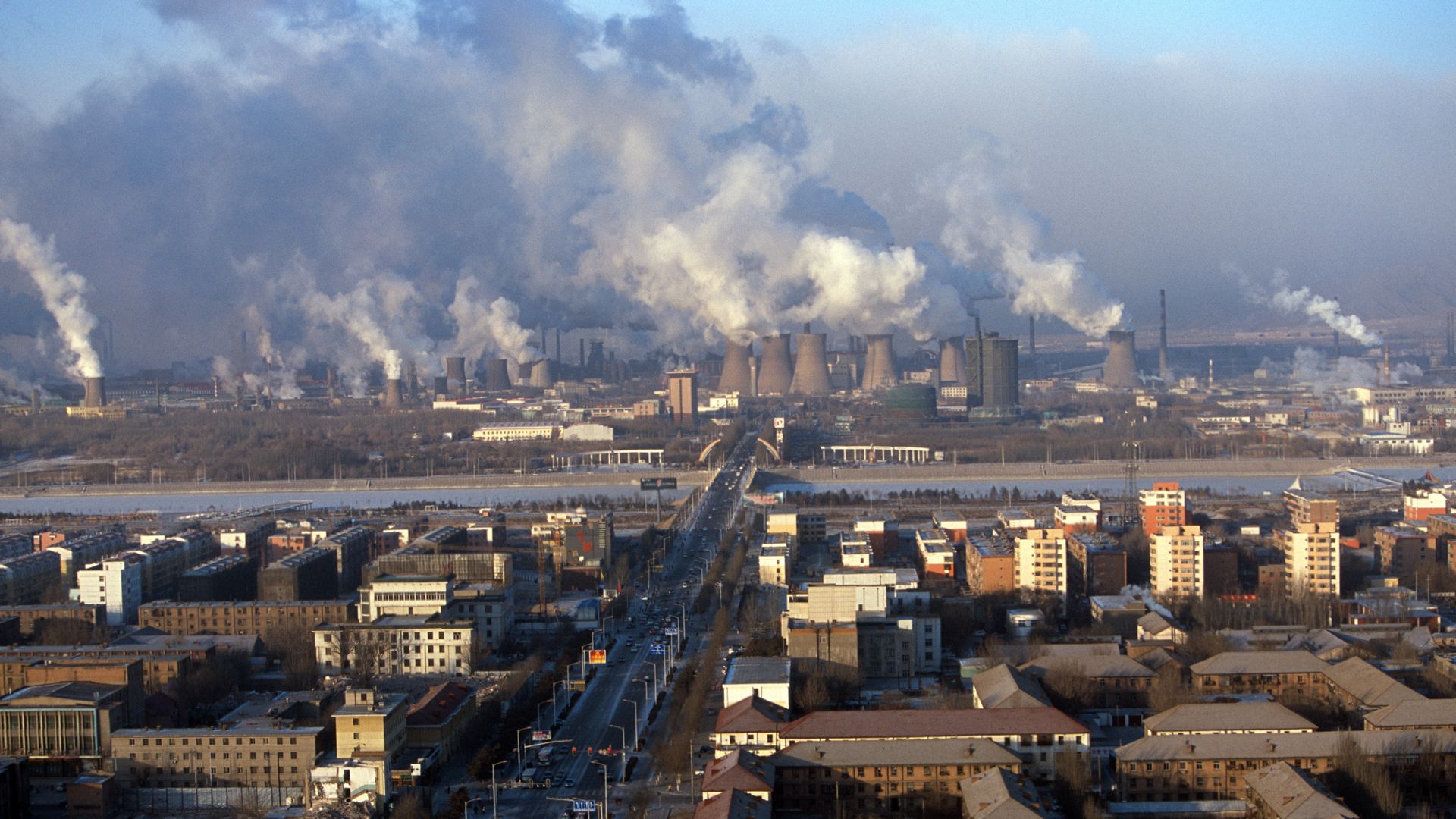
A new(ish) International Energy Agency analysis outlines the importance — and immense challenge — of China's pledge to become "carbon neutral" by 2060.
Why it matters: Its recommendations get to the scope of the tech deployment needed, and what a seismic shift it would represent for China's economy.
The chart above helps visualize one reason why the oil industry doesn't have reason to completely freak out over emerging election results. It shows, via the research firm BloombergNEF, the amount of U.S. oil production on federally owned vs. private lands.
Why it matters: One of the most aggressive parts of Biden's agenda is ending new drilling permits on federal lands and waters. But as you can see, a large majority of U.S. output is on private lands.
A potential President Joe Biden would face an oppositional Senate and a skeptical world if he tried to enact an aggressive climate-change agenda.
Driving the news: Odds are increasing that Biden will win the White House while Congress is likely to remain divided, with Republicans controlling the Senate and Democrats leading the House.
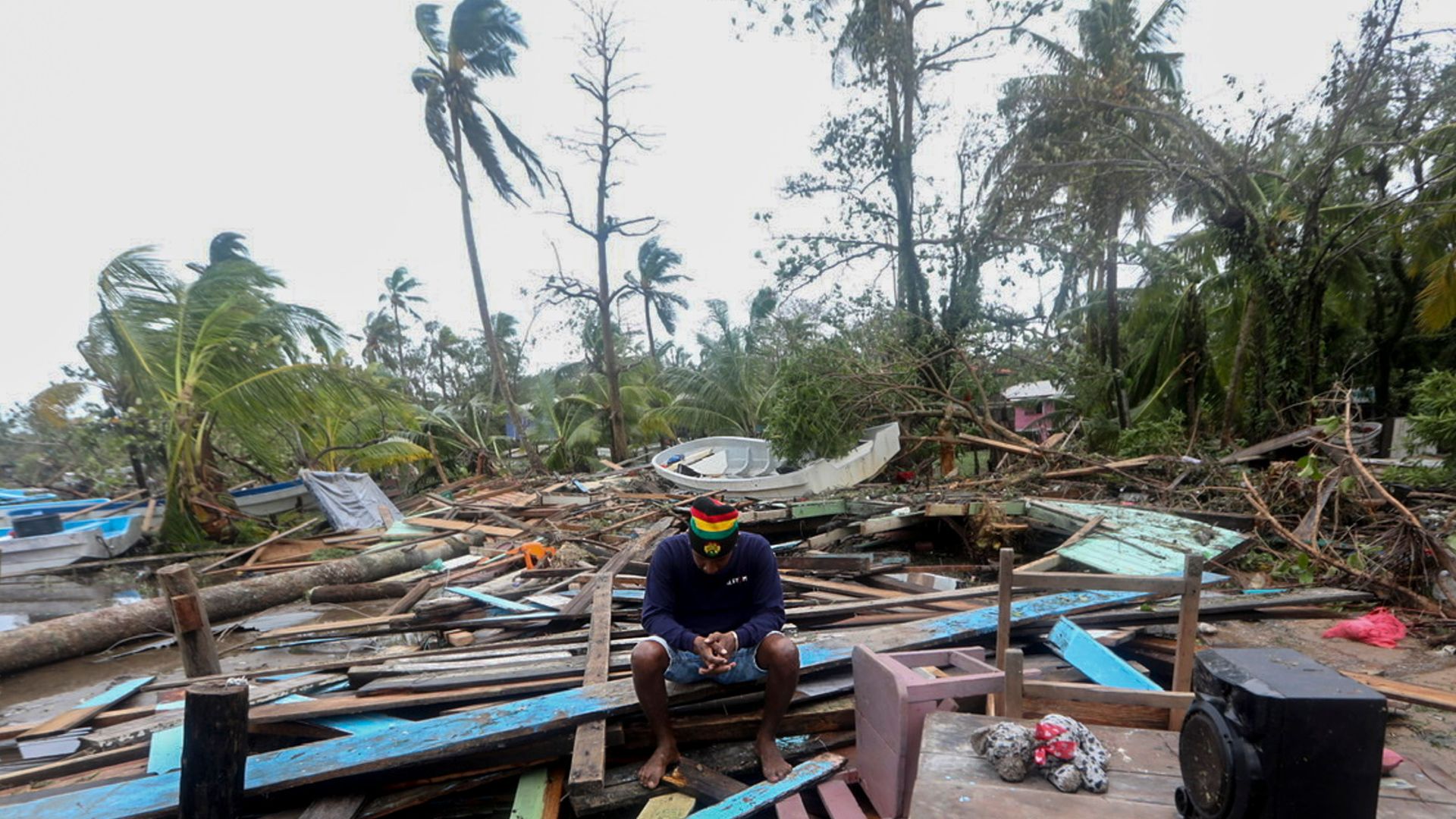
Florida officials are bracing for storm Eta, which killed at least five people after making landfall in Nicaragua as a Category 4 hurricane this week, per Reuters.
The big picture: Eta is the 28th named storm of the 2020 Atlantic hurricane season, tying a 2005 record.