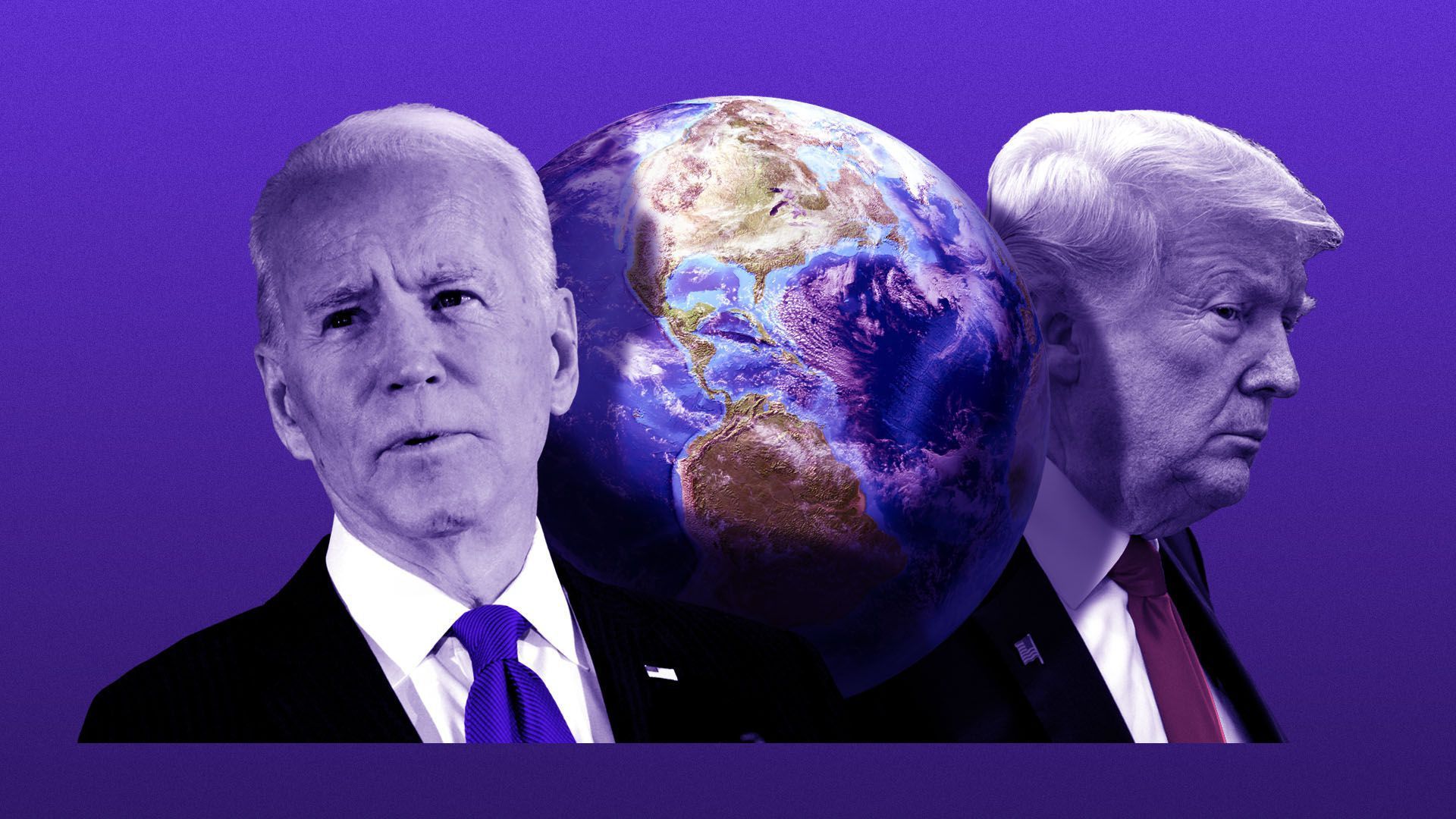
Should Joe Biden ultimately win the White House, his climate agenda will almost certainly be limited — at least for the foreseeable future — to what he can pursue using executive powers.
The state of play: While several Senate races are outstanding, Democrats look unlikely to regain the majority in that chamber despite pickups in Colorado and Arizona, which aren't enough.
Texas went fairly comfortably red again, but it looked quite close for a while, and so now seems as good a time as any to look at the state's energy as well as political complexities.
The intrigue: Texas is increasingly no longer seen as only the oil patch, and it's a fascinating state to watch. That's especially the case at a time when the future of oil demand remains a question mark and more and more countries are vowing new steps on climate — regardless of U.S. policy.
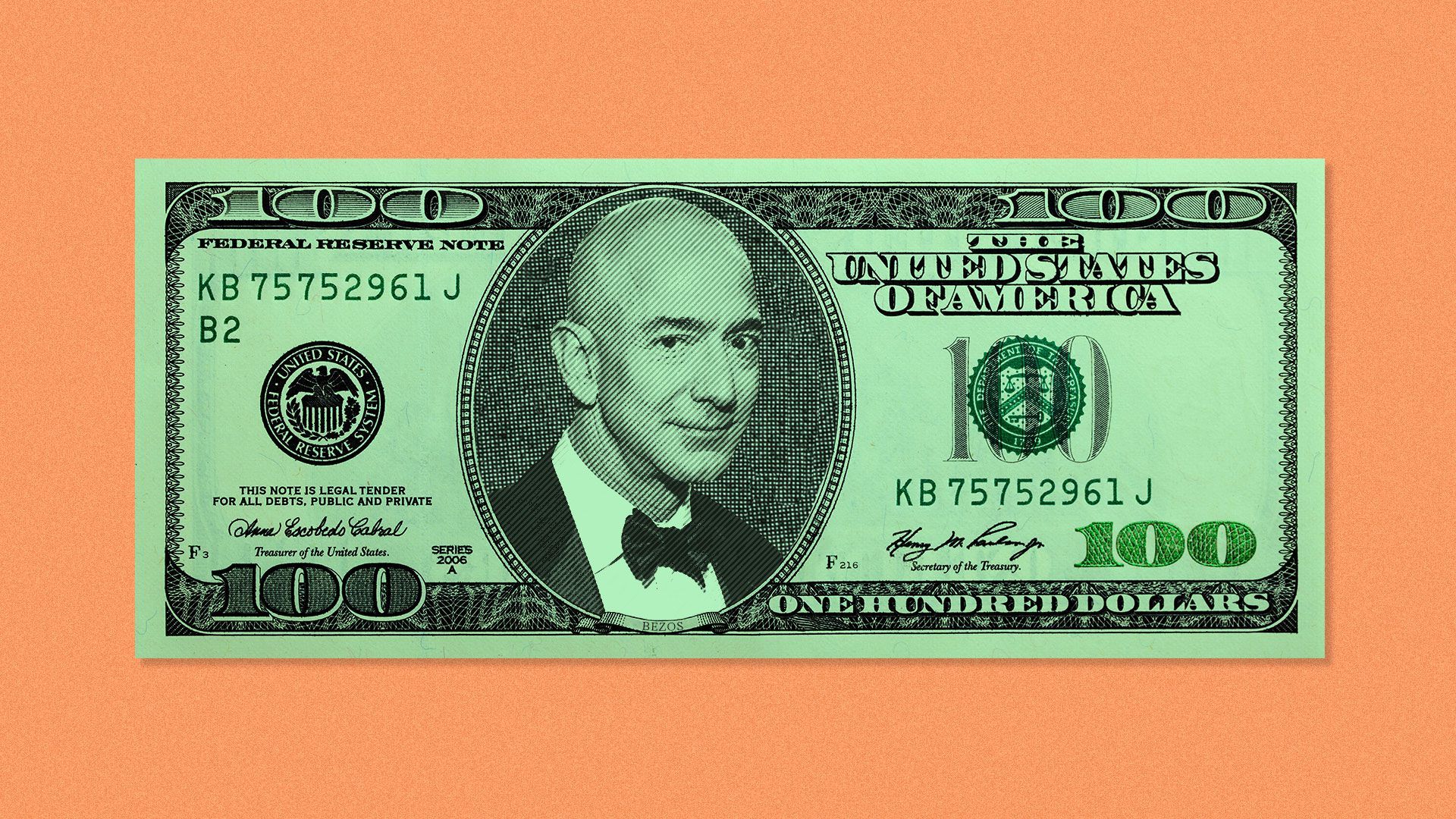
The Atlantic has begun solving a big mystery in climate advocacy circles — how Jeff Bezos will spread around money from the $10 billion "Bezos Earth Fund" announced in February.
Why it matters: The fund's size makes it a huge presence in climate philanthropy. And, until now, the fund has been a mysterious presence, given the dearth of info and the broad scope of funding areas.
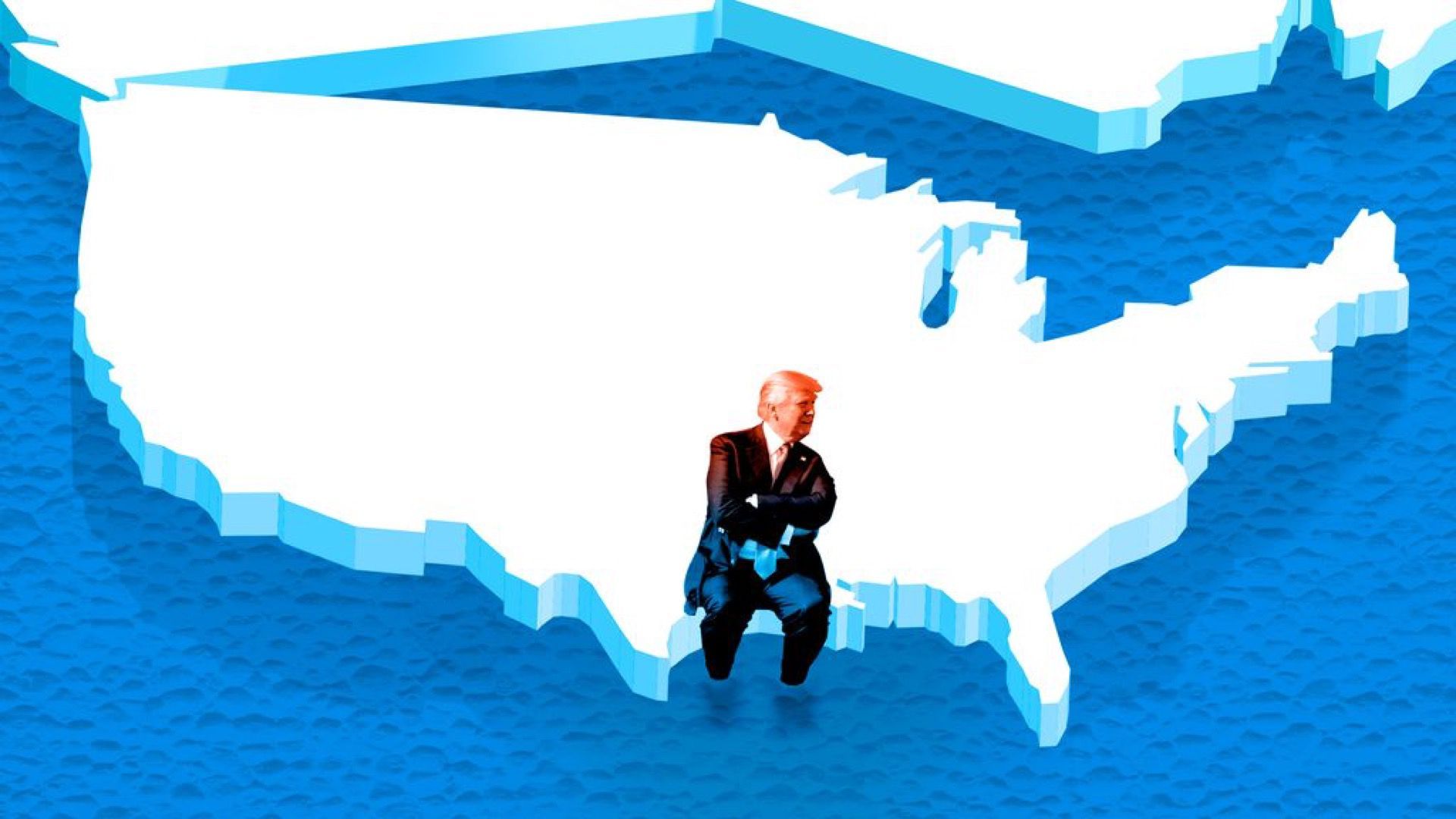
Call it the long goodbye from the Paris climate agreement.
Driving the news: President Trump’s 2017 announcement withdrawing America from the 2015 accord becomes official at midnight Wednesday after a prolonged process required by the United Nations. It’s a chaotic coincidence that it comes the day after Election Day.
Trump's tweeting habits are one sign of how much the president hopes his strong support for fossil fuels will help get him over the top today.
Why it matters: Pennsylvania, a state critical to Trump's re-election chances, is the nation's second-largest natural gas producer. And polls show Texas, which is at the top in oil and gas production, is also in play this year.
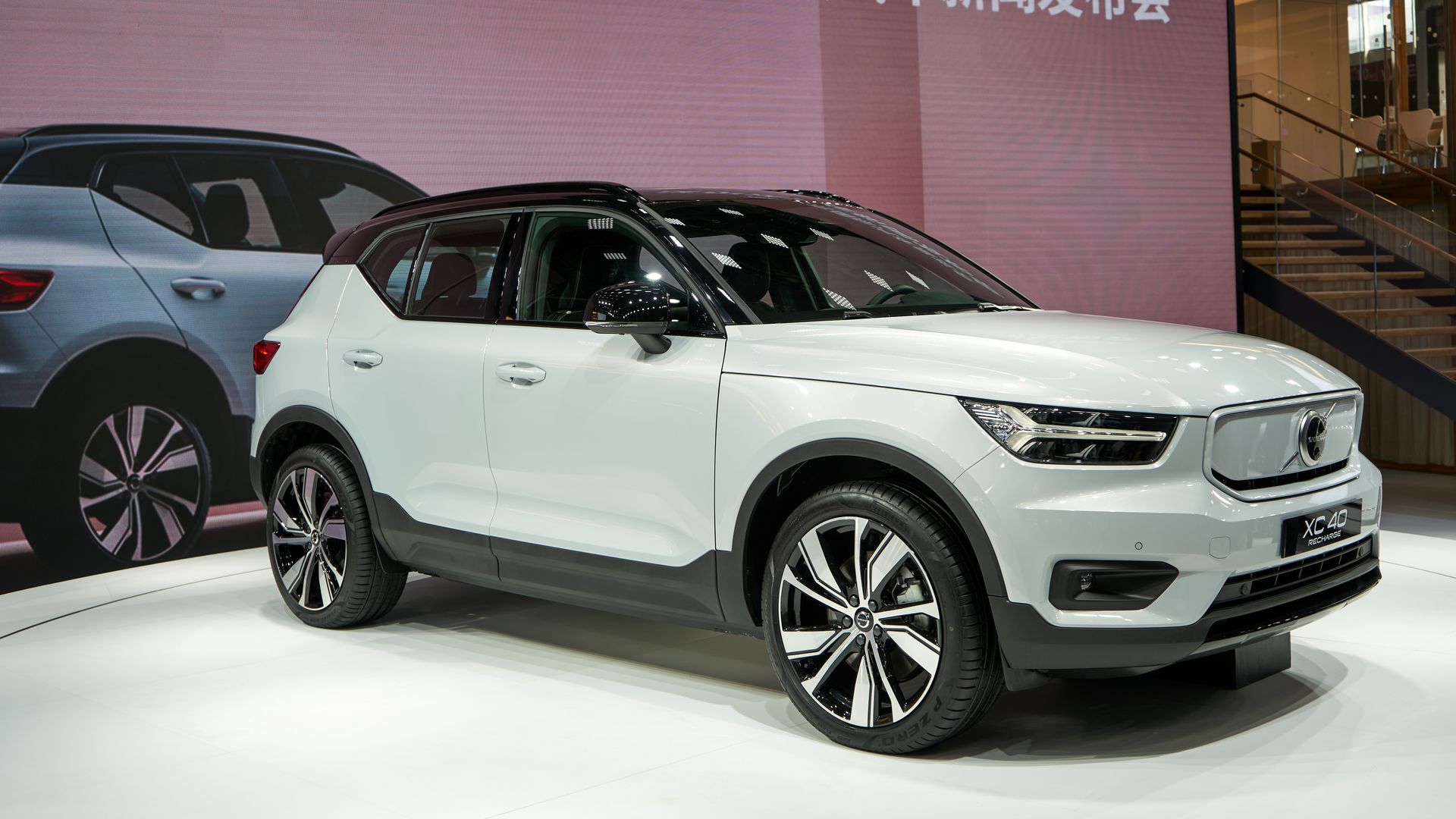
Volvo said it's making "significant investments" to bring design and development of electric motors in-house as the automaker prepares to expand its electric vehicle lineup.
Why it matters: Volvo's goal is to have EVs account for 50% of its sales by 2025, with the rest hybrids.
Market forces have been in the driver's seat during President Trump’s first term, which means oil-and-gas kept growing (until the pandemic), he couldn’t revive coal, and the country stayed far away from policies that would drive steep future carbon cuts.
Where it stands: The administration launched a big deregulatory push to scuttle Obama-era climate policies and support coal, oil and gas. Here are a few snapshots of what happened over the last four years.