Newly releaseddata from the Transportation Security Administration show that U.S. air travel is slowly coming back but remains nowhere near pre-pandemic levels.
Why it matters: The massive global drop-off in air travel is one major reason why oil demand has fallen so much this year.
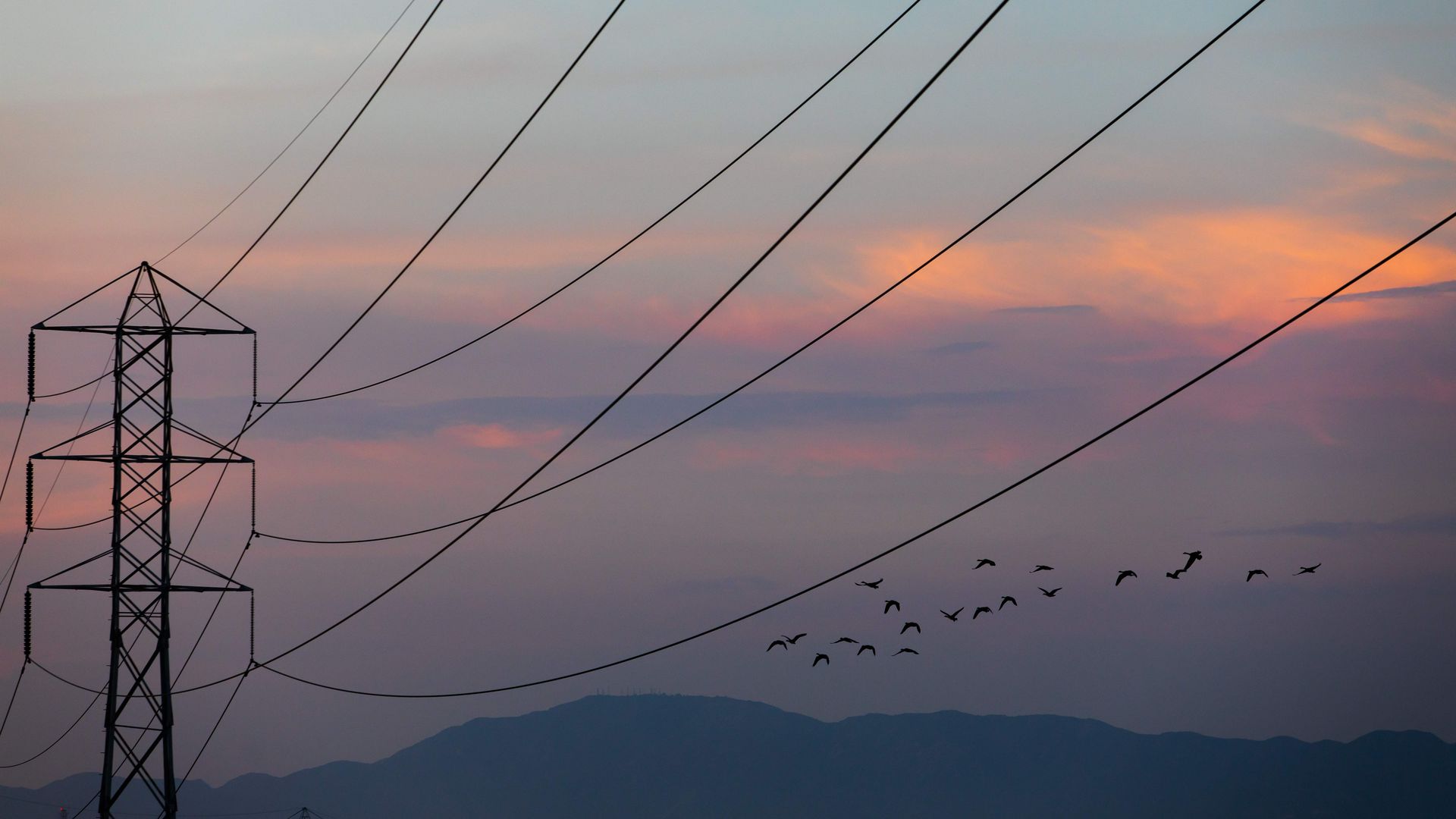
California on Monday avoided a repeat of the rolling blackouts imposed last weekend, as the state's grid operator cited lower temperatures and conservation.
Where it stands: The state is nowhere near out of the woods in the near term, and certainly not in the long term as officials scramble to shore up the grid against heat and wildfire threats. The California Independent System Operator's current "flex alert"calls for conservation steps and warns of outages remains in effect through Wednesday.
The decadeslong fight over drilling in the Arctic National Wildlife Refuge is nowhere near over, despite the Interior Department taking a big step Monday toward allowing development.
Catch up quick: The Interior Department issued a final plan — called a record of decision (ROD) — to allow exploration in the refuge's 1.6-million-acre coastal plain.
The Interior Department on Monday finalized plans to open Alaska's Arctic National Wildlife Refuge to drilling, a pivotal — but hardly the final — step in a decades-long battle over the ecologically sensitive region thought to hold huge oil deposits.
The big picture: Former Vice President Joe Biden's campaign said he would look to prevent drilling if elected. "His plan released last year made clear that he will permanently protect ANWR and other areas impacted by President Trump's attacks on federal lands and waters," the campaign said.
The combined number of active U.S. oil and natural gas drilling rigs slid again last week, per data compiled by the oilfield services firm Baker Hughes.
Why it matters: It signals the pullback in new development that will keep U.S. output below pre-pandemic levels for a long time.
The oil industry is facing an immense amount of uncertainty, even for a sector that bobs along in the currents of global markets and geopolitics despite its enormous power.
The big picture: As Democrats hold their convention this week, seeking a boost for Joe Biden heading into the heart of the 2020 campaign, the election is unfolding against another huge source of uncertainty for the industry: the coronavirus pandemic.
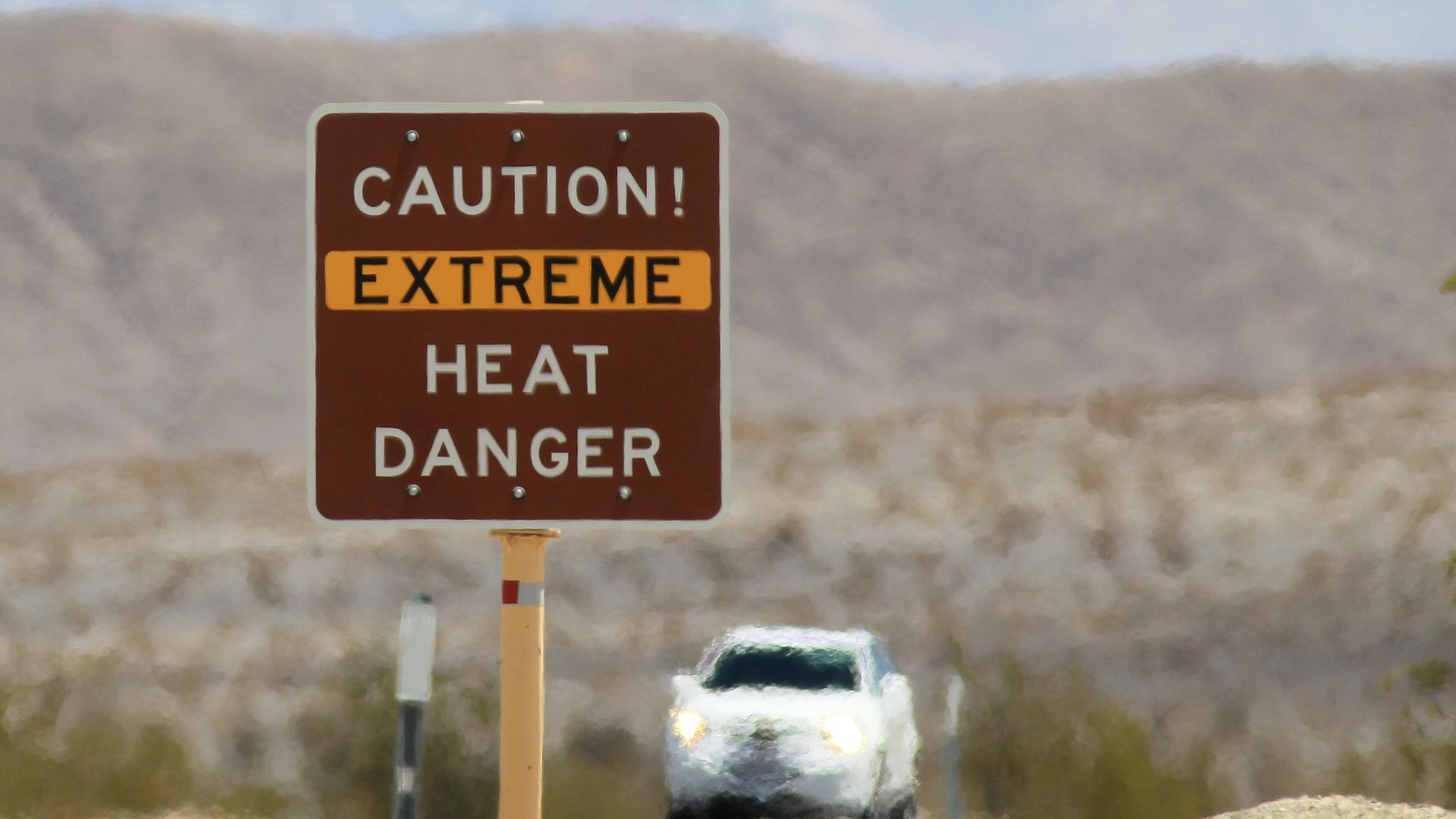
A Southern Californian thermometer at Death Valley's Furnace Creek reached 130 degrees Fahrenheit on Sunday, per the National Weather Service (NWS).
Why it matters: If verified, it would be Earth's hottest recorded temperature since at least 1931, the most scorching August day on record and the third-highest temperature ever recorded, per the Washington Post. Records were broken across California over the weekend, as the heat wave triggered wildfires and rolling power outages.