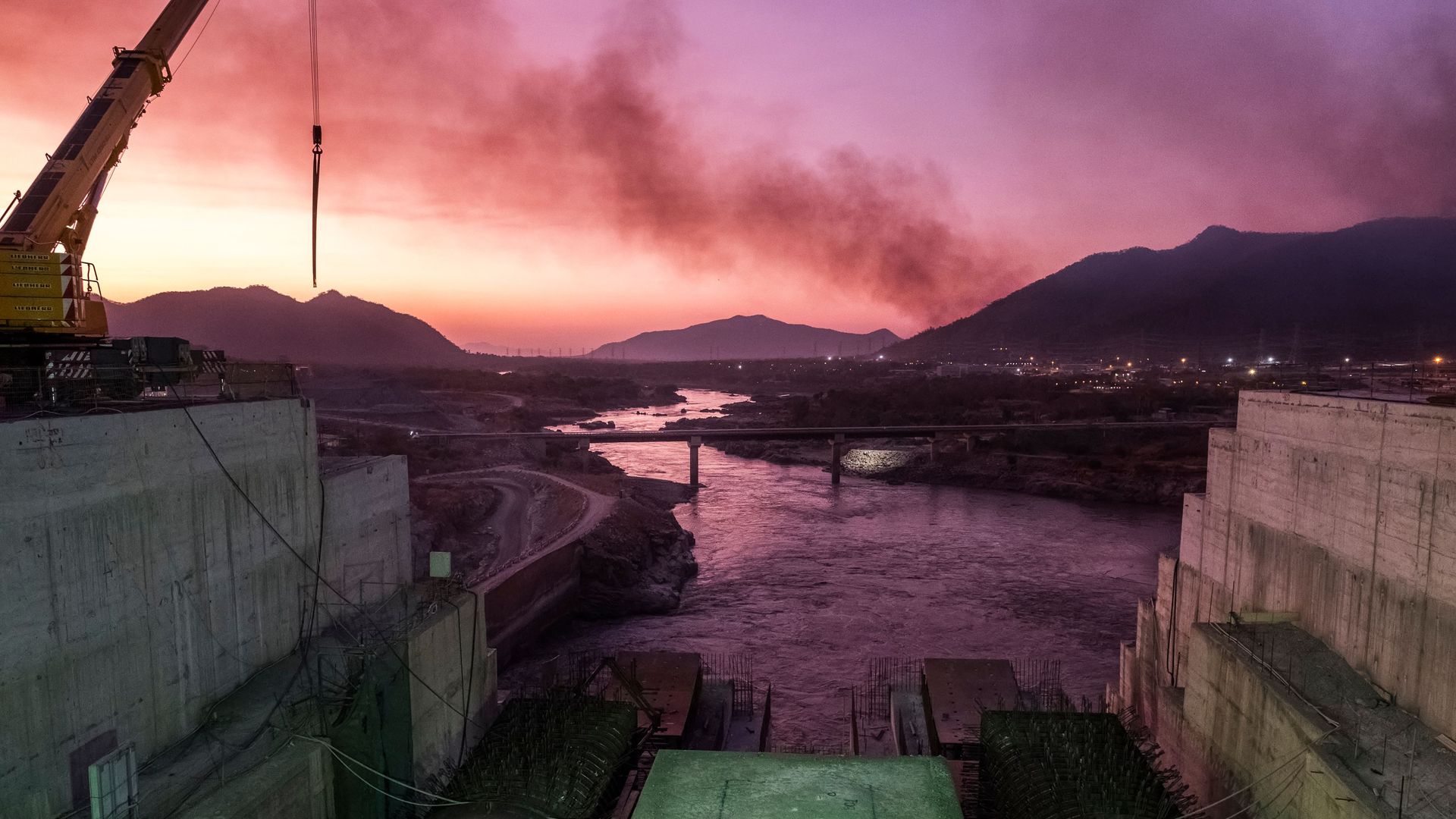
Ethiopia is planning to begin to fill the 72 billion liter reservoir of the massive Grand Renaissance Dam within weeks. Egypt vows that Ethiopia will come to regret it if it follows through.
The big picture: The dam dispute has rumbled on since Ethiopia announced the staggeringly ambitious project, which will double its electrical output but disrupt the flow of the Nile to Egypt and Sudan, nine years ago.
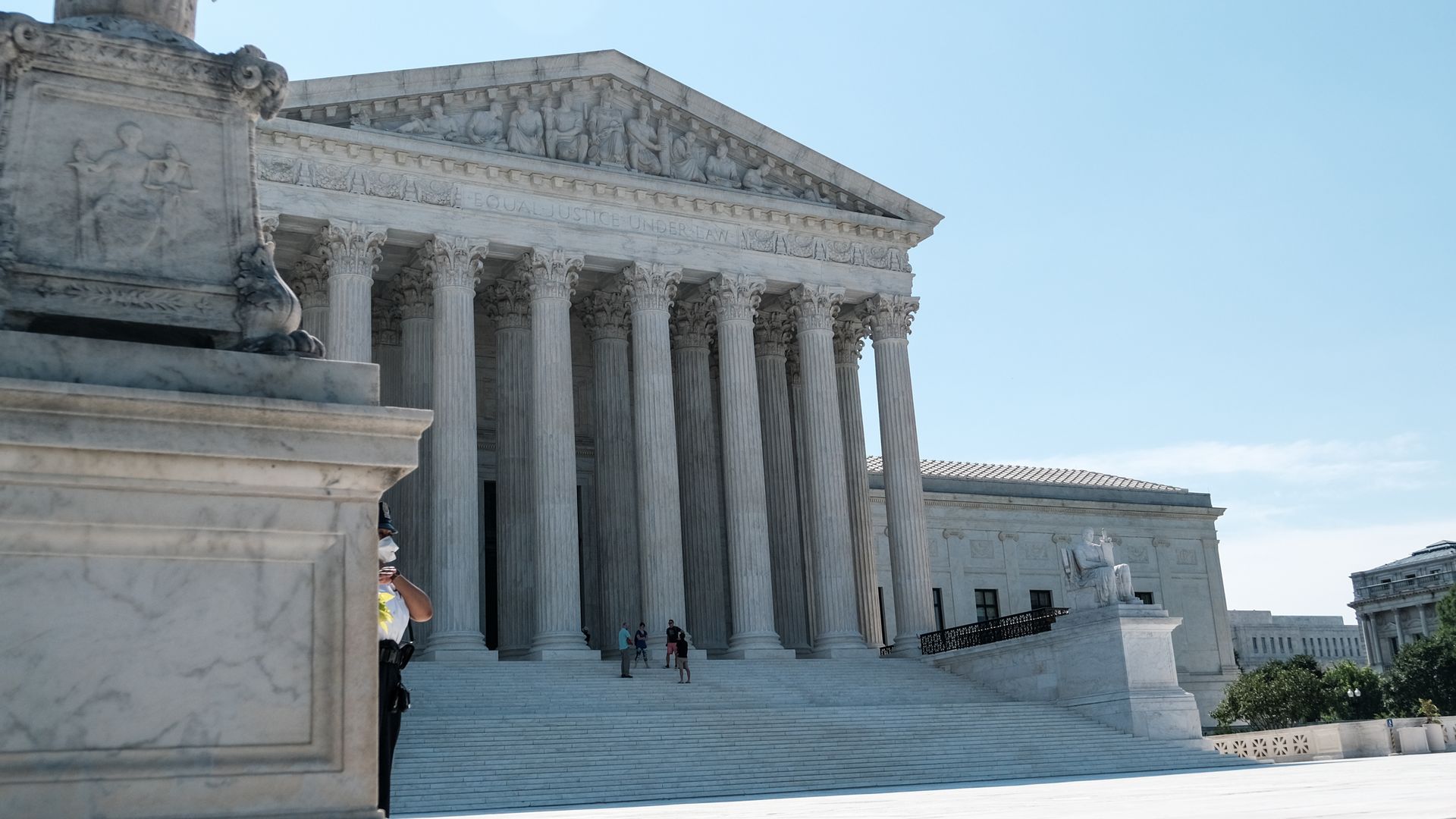
The Supreme Court may reveal as soon as Monday whether it will review an eminent domain lawsuit that could have big implications for natural-gas pipelines.
The big picture: The dispute, over a 120-mile pipeline from Pennsylvania to New Jersey, is one of three high-court battles representing the culmination of fights over fossil-fuel infrastructure of all kinds raging over the past decade as a proxy for a larger debate about climate change and energy.
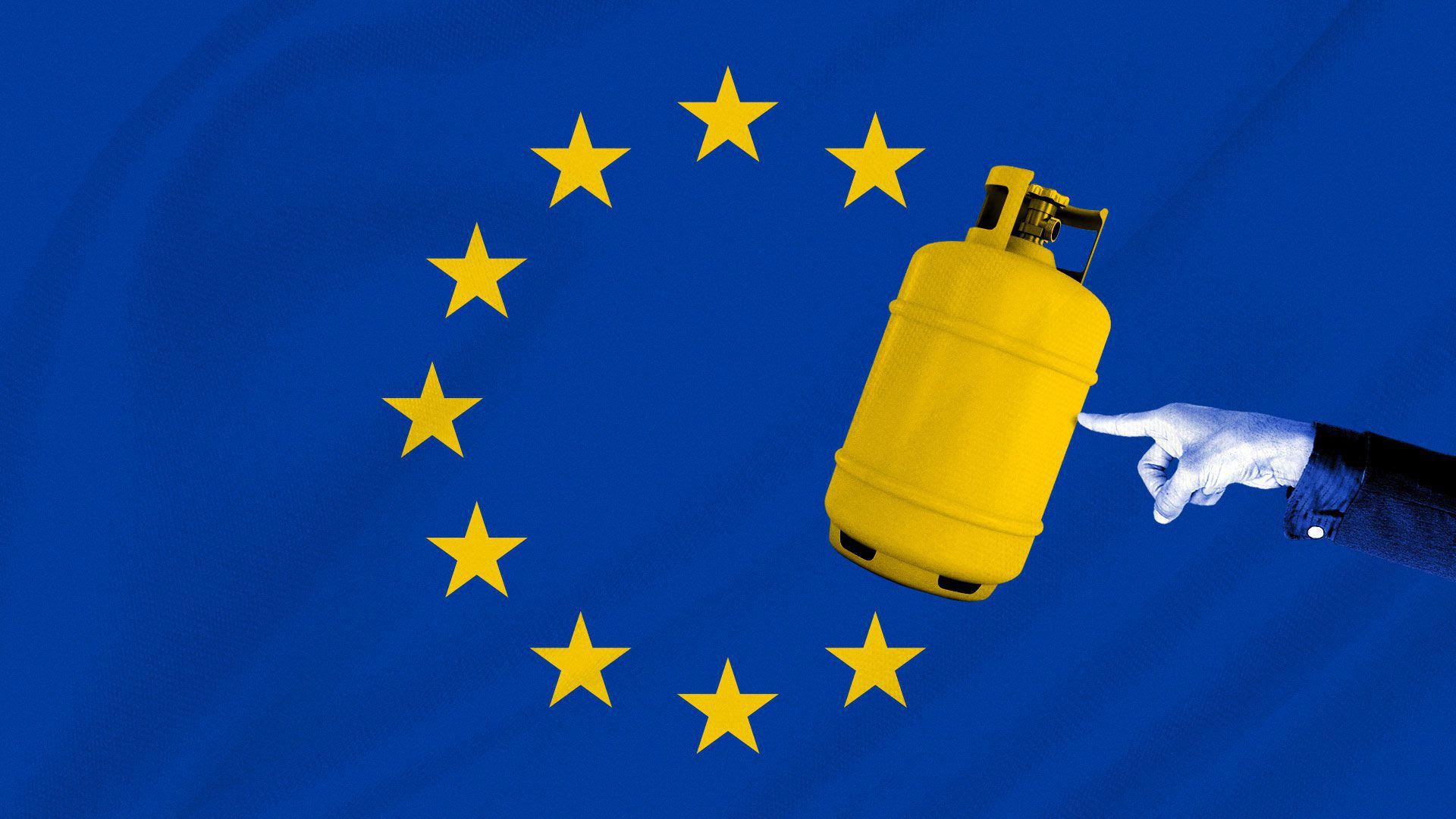
Europe is facing pressure to include natural gas and nuclear power as part of its plan for sustainable finance.
Why it matters: Europe represents the progressive edge of the world’s response to climate change and controls a lot of finance in developing nations, so what it does on these controversial energy sources could set the bar globally.
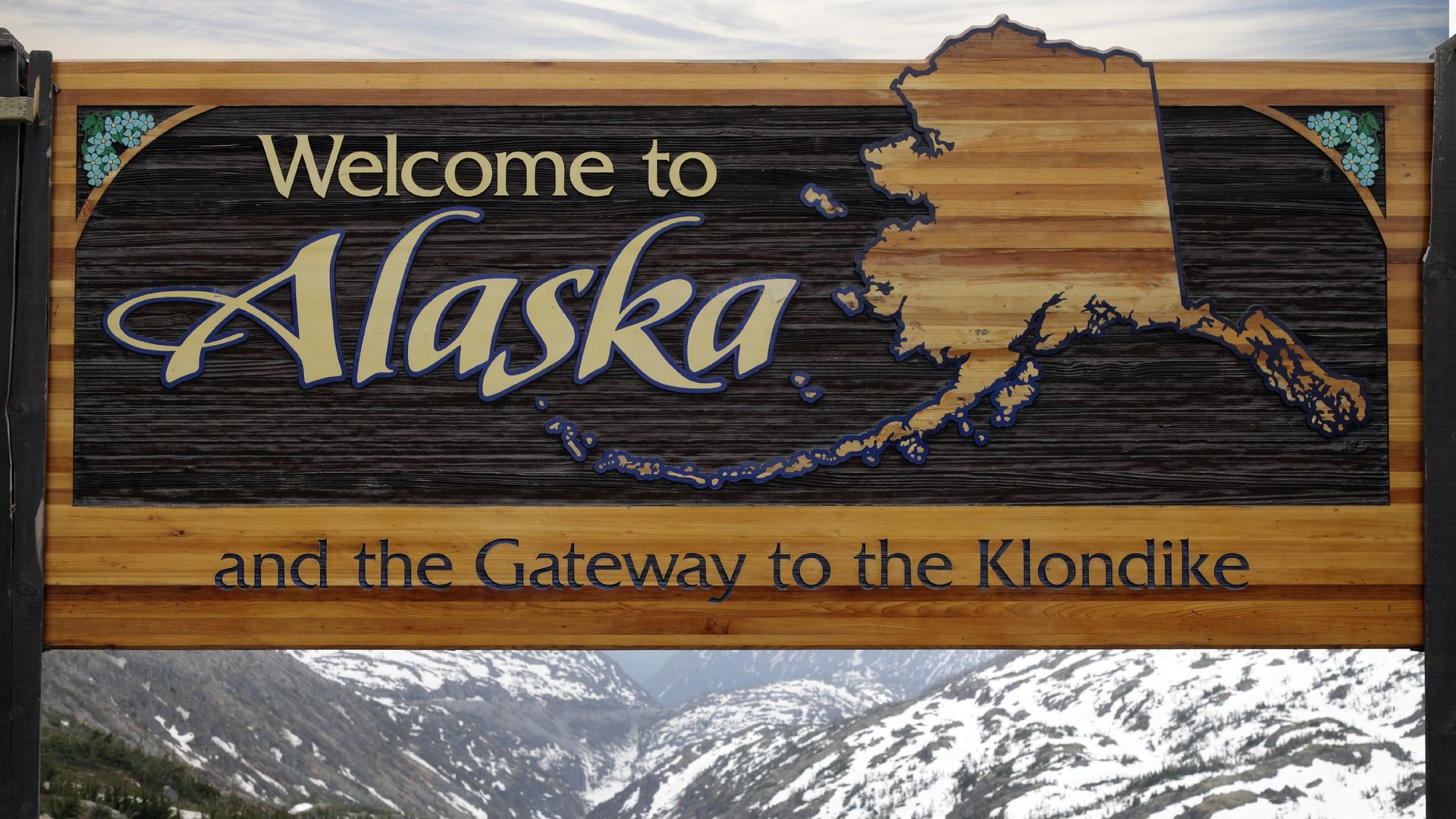
The Bureau of Land Management on Thursday proposed to expand oil and gas drilling to over two-thirds of the National Petroleum Reserve-Alaska: the nation's largest stretch of public land.
Why it matters: Alaska's all-GOP congressional delegation — including Sens. Dan Sullivan, Lisa Murkowski and Rep. Don Young — is praising the plan as a means to boost the state's economy, per the Washington Post. But environmental advocates are lamenting the potential loss of wildlife protections for the Alaskan tract that have spanned over four decades.
An events space in downtown Seattle will be revamped as the Climate Pledge Arena after Amazon founder and CEO Jeff Bezos announced Thursday he secured the naming rights to the venue, known now as KeyArena.
Why it matters: Developers want to make it the greenest venue in the world, so the outcome will serve as a case study for other large event spaces. It’s also the latest way Bezos, facing pressure over Amazon’s big carbon footprint, is trying to go on the offense with this issue.
A new Dallas Fed survey of energy executives and the upswing in COVID-19 cases together signal the near- and long-term problems facing domestic oil producers.
Why it matters: It's another window onto something we wrote about earlier this week: The once-booming shale patch may never achieve its former output, and if it does, it'll be reshaped as some financially weaker players face insolvency and potential acquisition.
The long-term costs of owning an electric car in the U.S. are thousands of dollars lower than gasoline-powered models, a detailed new study by Energy Department researchers finds.
Why it matters: The peer-reviewed paper in Joule adds to the literature on costs by providing a granular, state-level look at power rates (including hourly variations), charging infrastructure types, regional gasoline price differences and other variables.
After the U.S. exported a record amount of liquefied natural gas in late March, the coronavirus pandemic — paired with warm weather — cut that amount by more than half in June, according to IHS Markit data.
Why it matters: Politically, it's a blow to President Trump’s energy agenda. Economically, it's contributing to job losses and project delays in the oil-and-gas industry, which is now a significant part of the economy.