The environmental damage caused by our toilet paper-buying habits has worsened during the pandemic.
Why it matters: Most at-home toilet paper is made from virgin material produced by clear-cutting forests, unlike the office toilet paper, which is usually made from recycled fibers. As a result, the shift to doing business at home hasn't been good for forests.
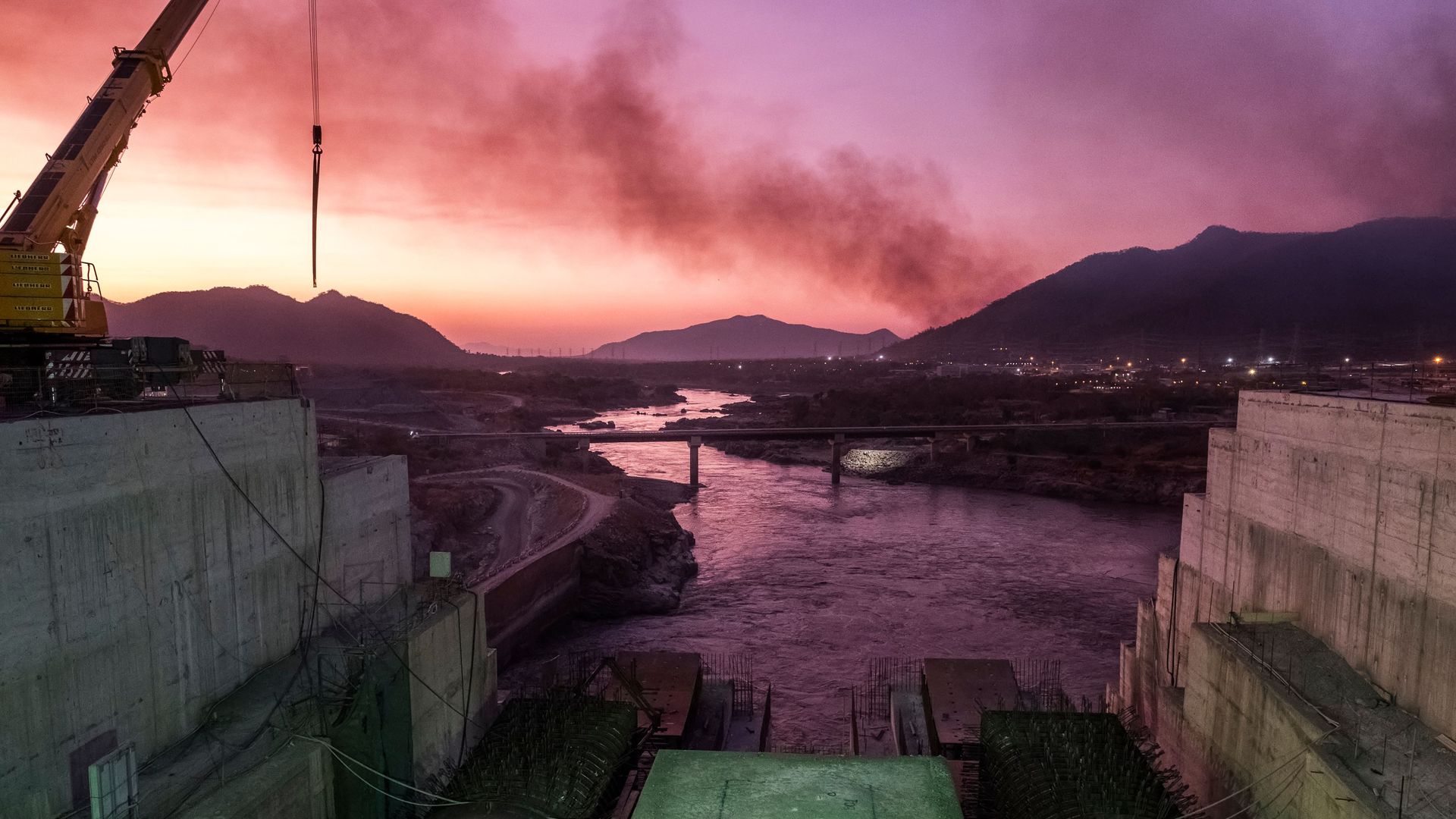
Ethiopia is planning to begin to fill the 72 billion liter reservoir of the massive Grand Renaissance Dam within weeks. Egypt vows that Ethiopia will come to regret it if it follows through.
The big picture: The dam dispute has rumbled on since Ethiopia announced the staggeringly ambitious project, which will double its electrical output but disrupt the flow of the Nile to Egypt and Sudan, nine years ago.
The Supreme Court may reveal as soon as Monday whether it will review an eminent domain lawsuit that could have big implications for natural-gas pipelines.
The big picture: The dispute, over a 120-mile pipeline from Pennsylvania to New Jersey, is one of three high-court battles representing the culmination of fights over fossil-fuel infrastructure of all kinds raging over the past decade as a proxy for a larger debate about climate change and energy.
Europe is facing pressure to include natural gas and nuclear power as part of its plan for sustainable finance.
Why it matters: Europe represents the progressive edge of the world’s response to climate change and controls a lot of finance in developing nations, so what it does on these controversial energy sources could set the bar globally.
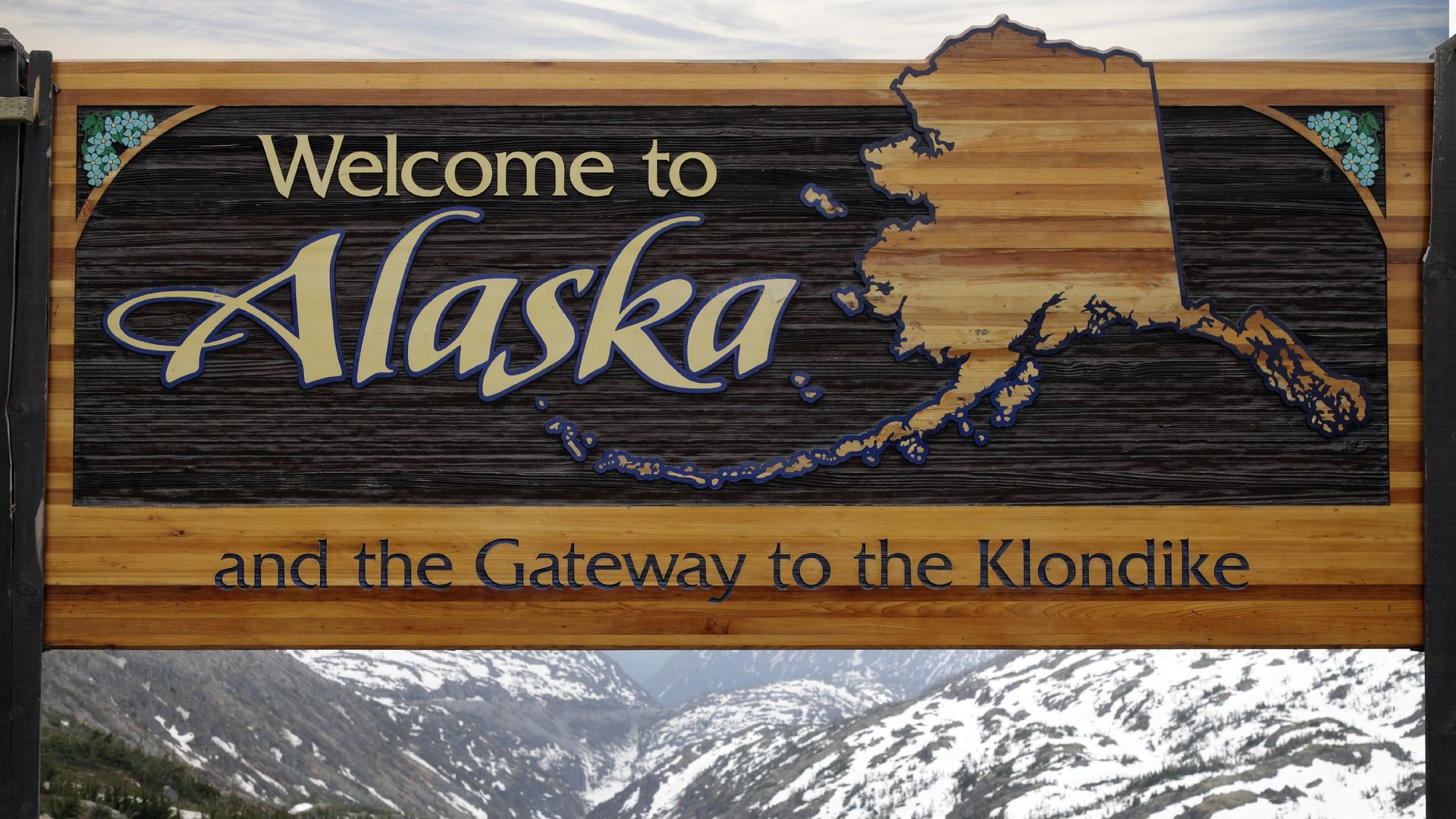
The Bureau of Land Management on Thursday proposed to expand oil and gas drilling to over two-thirds of the National Petroleum Reserve-Alaska: the nation's largest stretch of public land.
Why it matters: Alaska's all-GOP congressional delegation — including Sens. Dan Sullivan, Lisa Murkowski and Rep. Don Young — is praising the plan as a means to boost the state's economy, per the Washington Post. But environmental advocates are lamenting the potential loss of wildlife protections for the Alaskan tract that have spanned over four decades.