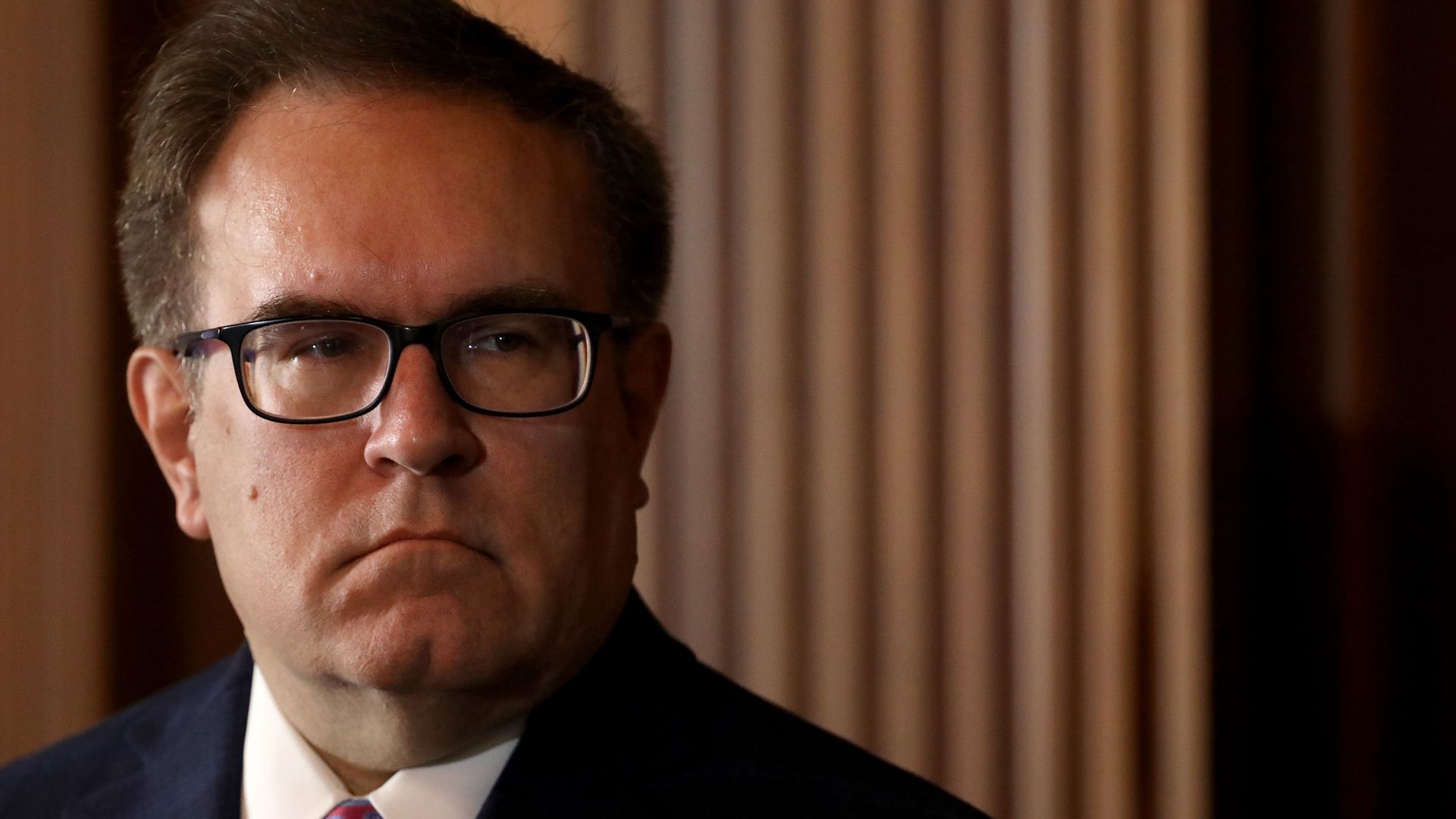
The Environmental Protection Agency proposed Tuesday to keep air quality standards for soot pollution unchanged from 2012.
Why it matters: This action has relevance to today's pandemic, according to Axios energy reporter Amy Harder. Scientists say soot air pollution exacerbates the effects of respiratory diseases, like the one caused by the coronavirus.
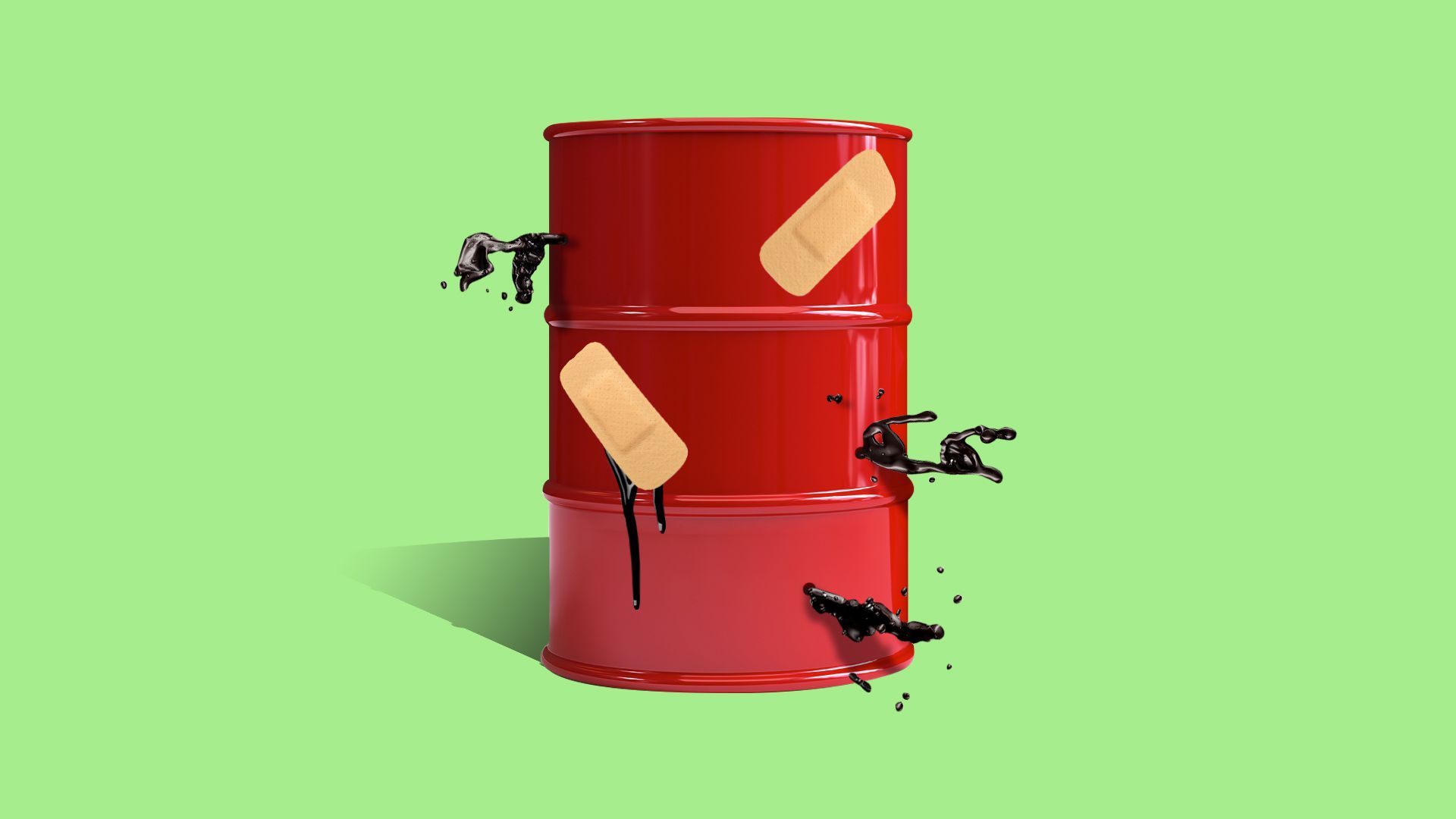
The Energy Information Administration sees U.S. oil production from shale formations falling from roughly 8.71 million barrels per day this month to less than 8.53 million in May.
Why it matters: The latest estimates published Monday show how the price and demand collapse is taking hold as producers scale back operations in the saturated and coronavirus-stricken market.
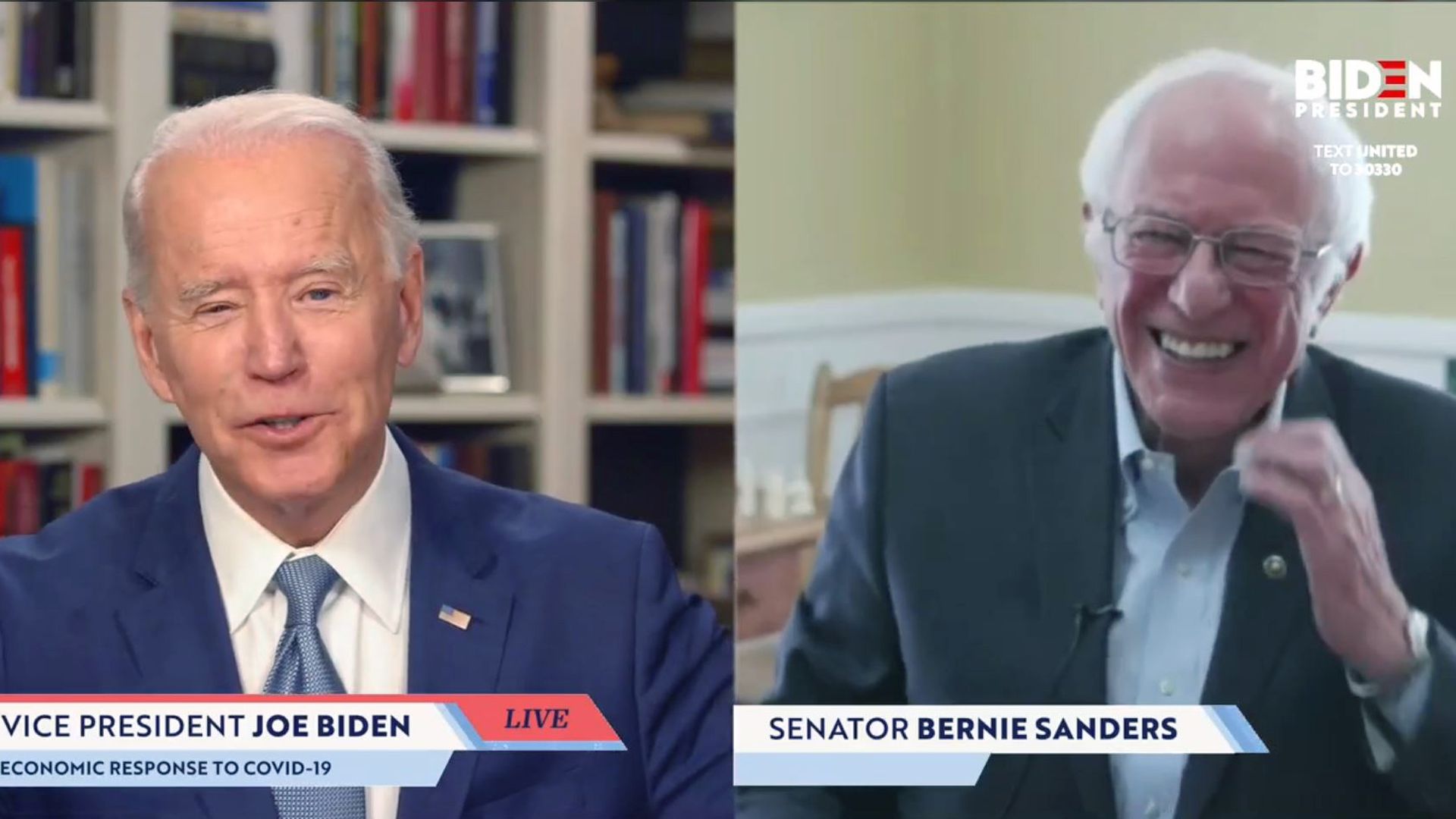
Part of Bernie Sanders' endorsement of presumptive Democratic nominee Joe Biden is a new plan for them to form joint "task forces" on six big topics, including climate change.
Why it matters: Time will tell, but I'll be watching to see if it leads to substantial changes in Biden's climate platform, which has disappointed the left even though it goes far beyond Obama-era policies.
President Trump's re-election campaign is wasting no time touting his role in brokering the new global oil-cutting pact, which featured days of direct talks with leaders from Russia, Saudi Arabia and Mexico.
Reality check: Trump's petro-diplomacy was important, yet just one of many forces that pushed Saudi Arabia and Russia toward reviving their cooperation on supply management, analysts say.
Oil prices haven’t changed all that much in response to the announcement Sunday of an international agreement on historically steep oil production cuts.
Where it stands: The global benchmark Brent crude is trading in the $31-per-barrel range, not far from where it ended last week, and the U.S. benchmark WTI at around $23.
China might delay submitting revised climate plans to the United Nations "at least until after the U.S. presidential election in November as officials focus on reviving the economy from an unprecedented slowdown," Climate Home News reports.
Why it matters: China is the world's largest greenhouse gas emitter, and the story signals how the coronavirus-related postponement of critical United Nations talks, which had been slated for November, could shake up the landscape.
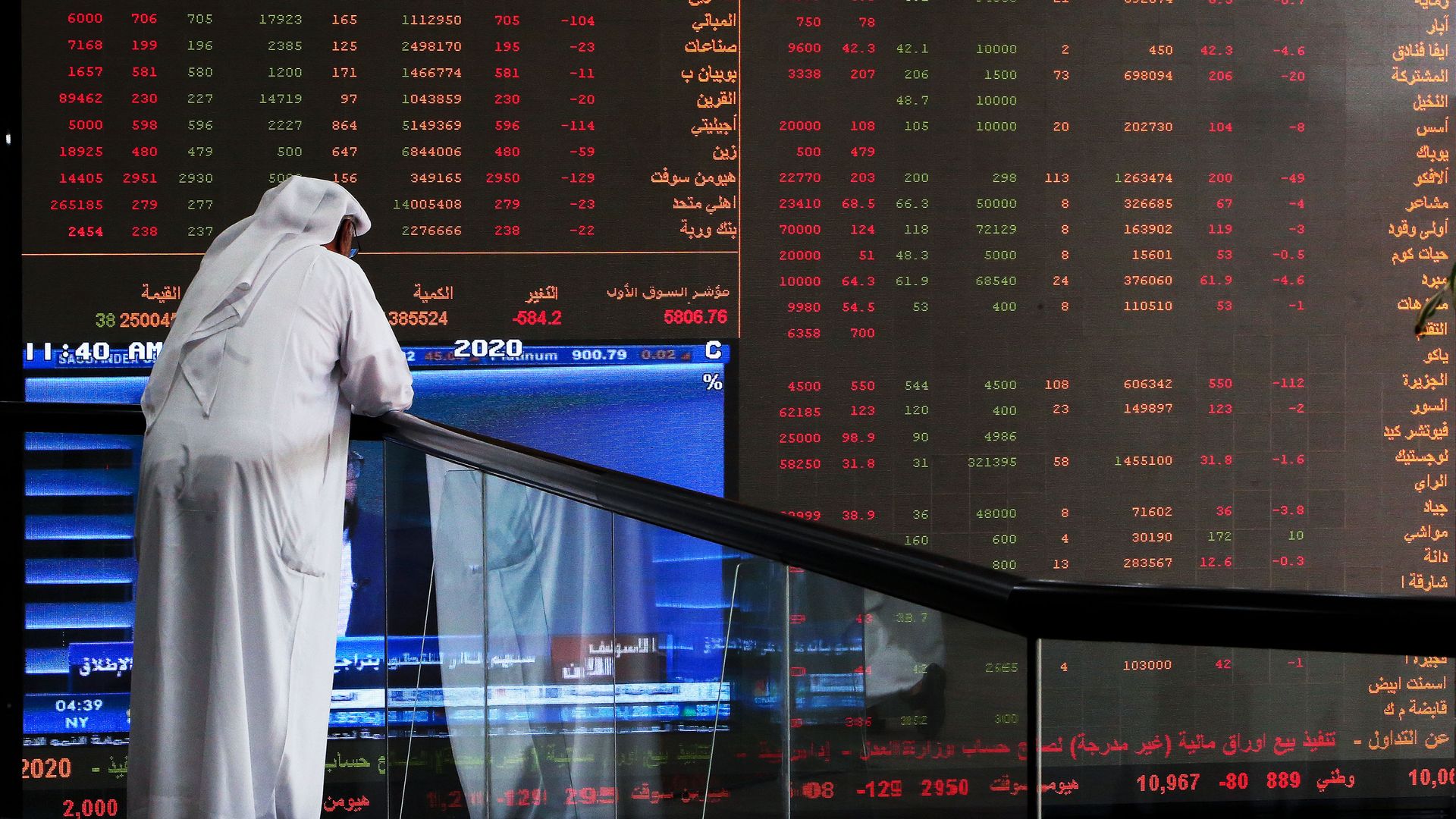
Oil prices rose after news of a production cut agreement between the world's largest producers, but experts warn the move will not be enough to sustainably hold up prices or change the industry's bleak trajectory.
Driving the news: Crude futures jumped about 5% to near $25 a barrel for WTI crude after the OPEC+ alliance agreed to a 10 million barrels-per-day production cut beginning in May that ended a price war between Saudi Arabia and Russia.
The world is short on many things we need — masks, tests, toilet paper — yet we’re too long on one thing we suddenly don’t need much: oil.
The big picture: This oversupply crisis is, understandably, lost on people. We’re locked down with nowhere to go, not seizing cheap pump prices, struggling to manage our grave new world and mourning loved ones afflicted by the coronavirus.