More than a dozen trade groupsled by the Consumer Brands Association (CBA) Wednesday morning launched a coalition to help craft federal policy that would "fundamentally reimagine the U.S. recycling system."
Why it matters: The coalition includes some prominent K Street players and hopes to create "consistent rules and practices" around what's now a crazy-quilt of recycling systems nationwide.
Wind and solar make up more than three-quarters of the electricity capacity coming online in the country this year, new U.S. Energy Information Administration data show.
Why it matters: These two renewable sources of energy are increasingly becoming cost-competitive, even while government subsidies for them are lessening, compared to traditionally dominant sources, such as natural gas and coal.
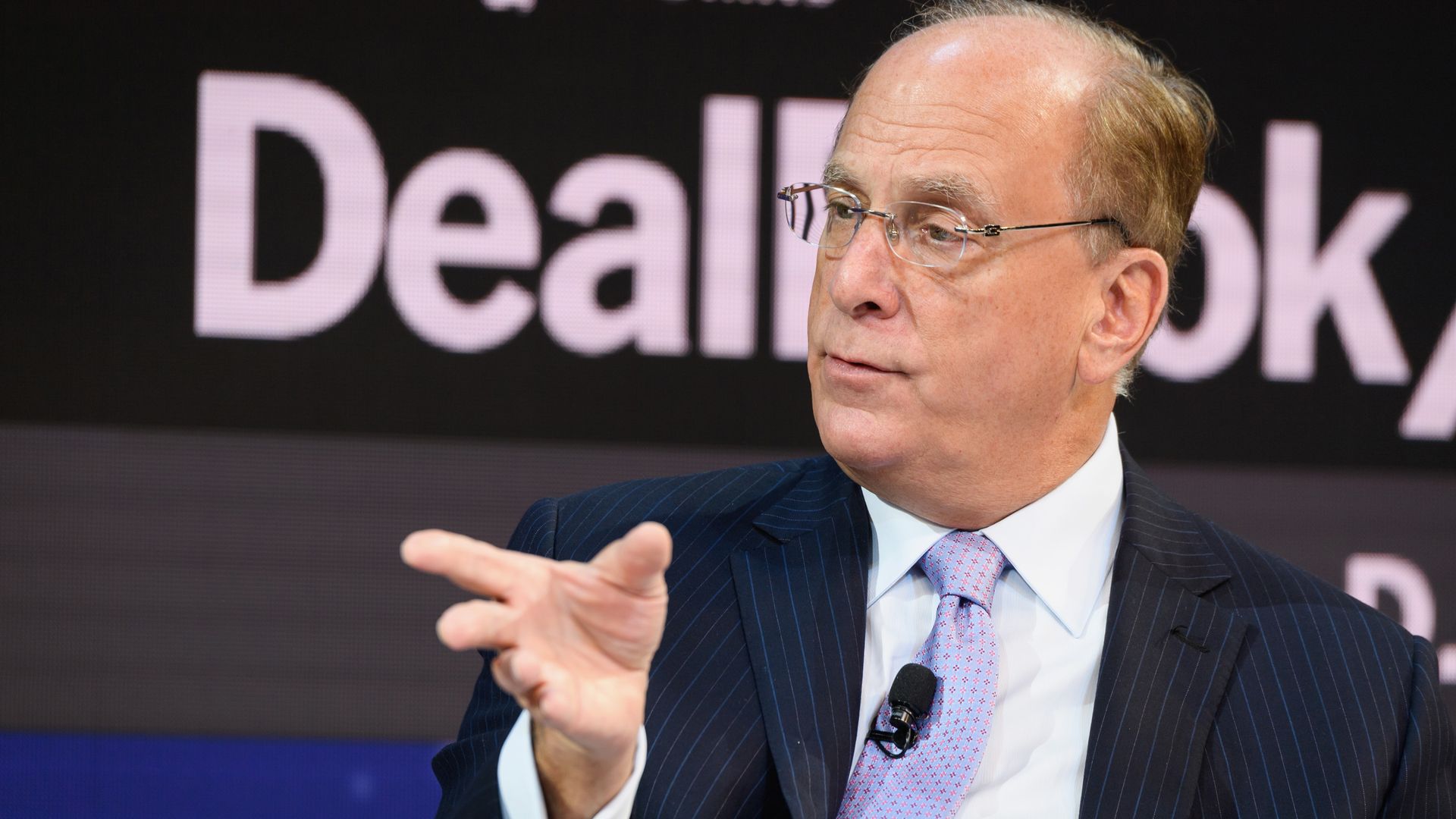
BlackRock's climate strategy rolled out Tuesday won't leave anyone confusing the asset management giant with Greenpeace, despite the suite of big new pledges.
Driving the news: Take the plan to dump producers of thermal coal — the stuff used in power plants — from their active portfolios.
The world is entering the age of extreme fire — and we're increasingly unprepared for it.
The big picture: As we've seen in Australia, California and the Amazon, fires are burning hotter, longer and more frequently around the world. Our resources to suppress them are stretched dangerously thin. And even though the wildfires are getting worse, the way we fight them hasn't changed in a century.
EQT Corp., the largest U.S. natural gas producer, plans to take a fourth-quarter write-down of up to $1.8 billion.
Why it matters: EQT, which has major Appalachian operations, is the latest company to write down the value of U.S. assets amid a glut of supply and very low prices.
Volkswagen won't meet its electric vehicle targets, but it'll come close enough to become the world's largest EV manufacturer by decade's end, a new analysis finds.
Why it matters: The new projections from the consultancy Wood Mackenzie offer a piece of the puzzle as to how the increasingly competitive EV market will shake out this decade.
Tesla has been among the most derided companies in the world, but CEO Elon Musk has been getting revenge against hated short sellers since the electric car company's June swoon.
Why it matters: Many probably wish Musk had taken the company private at $420 a share, as he said he would in an August 2018 tweet in which he claimed to have "funding secured" for the move.