The Upper Midwest and Great Lakes region is forecast to be hit with temperatures 30 degrees below average under Arctic high-pressure next week, the Washington Post reports.
The state of play: In addition to the intense cold, rain and snow are likely and could impact travel conditions the Weather Channel notes.
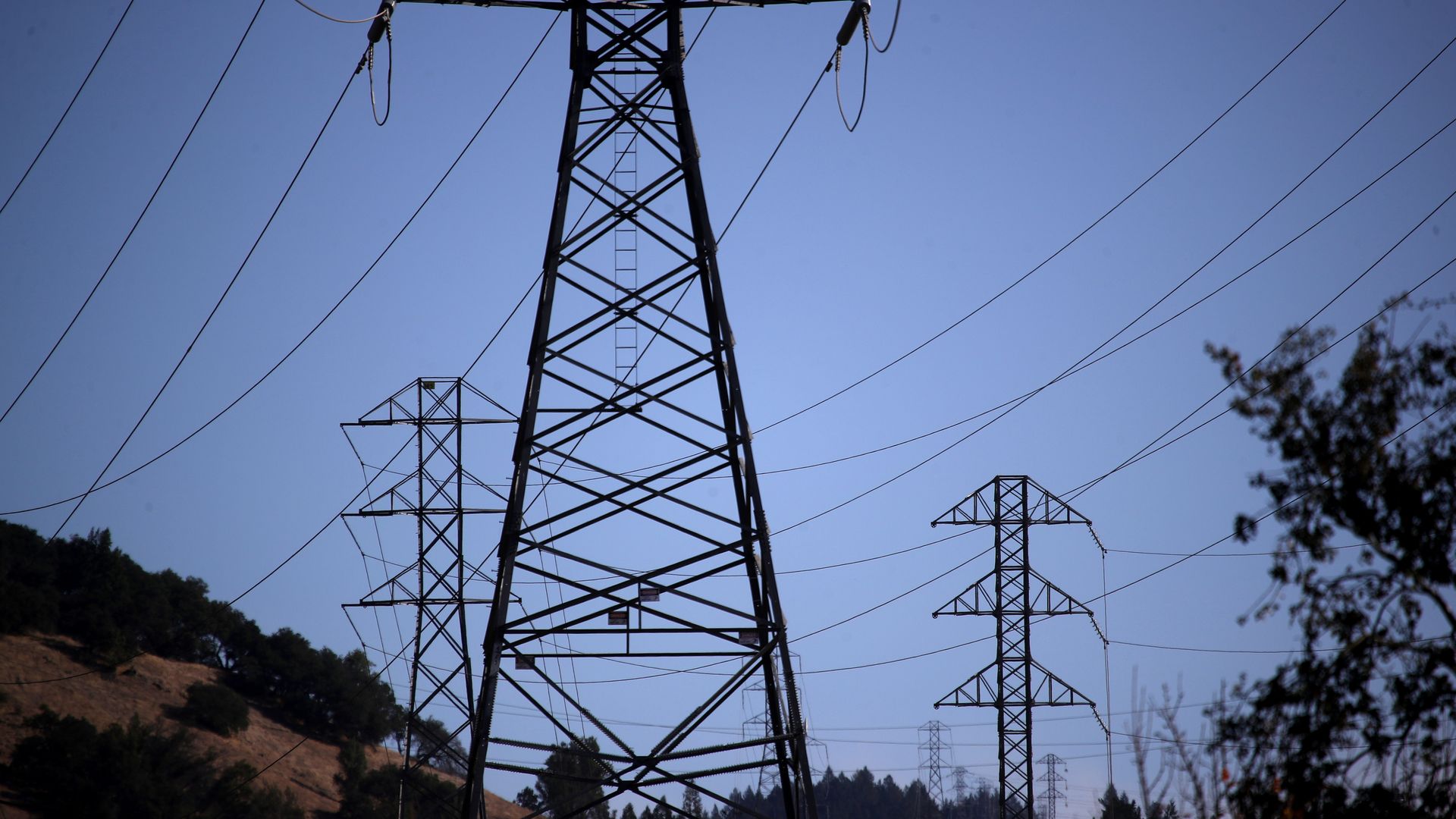
Pacific Gas & Electric and attorneys for the victims of 2017 and 2018 California wildfires that killed dozens of people and ravaged homes and businesses, agreed on Friday to a $13.5 billion settlement, the New York Times reports.
The impact per the Times: "The agreement could help tens of thousands of residents rebuild while helping to resolve the utility’s bankruptcy."
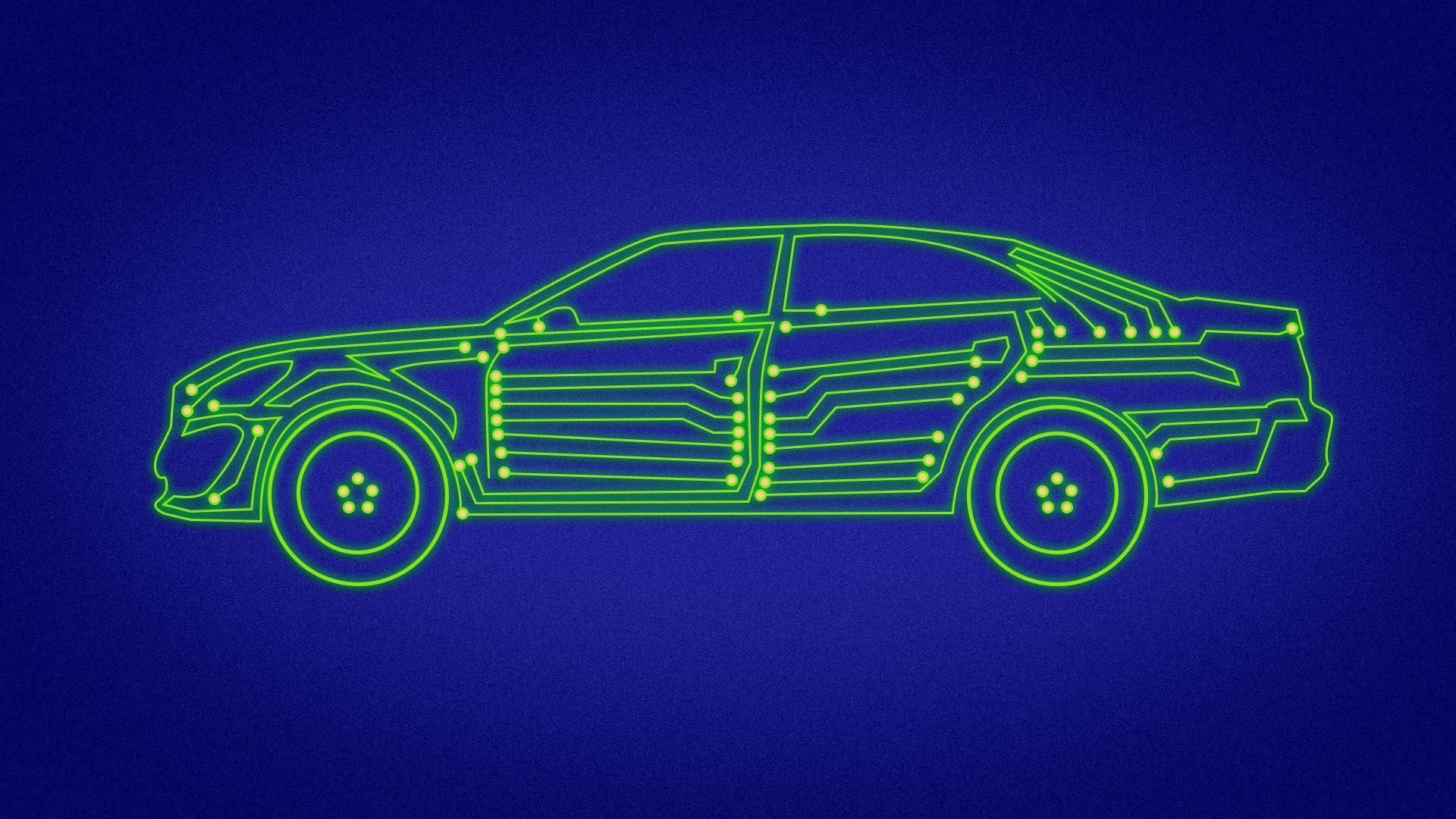
With more than 100 million lines of code in the modern car, advanced software features are testing the limits of the computer hardware under the hood. And it will only get worse: Electric, connected and automated cars will devour even more computing power in the future.
Why it matters: Automakers face an urgent need to redesign their vehicles' electronic architecture — essentially their brain and central nervous system — to handle the onslaught of advanced features that will one day allow cars to talk to each other and drive themselves.
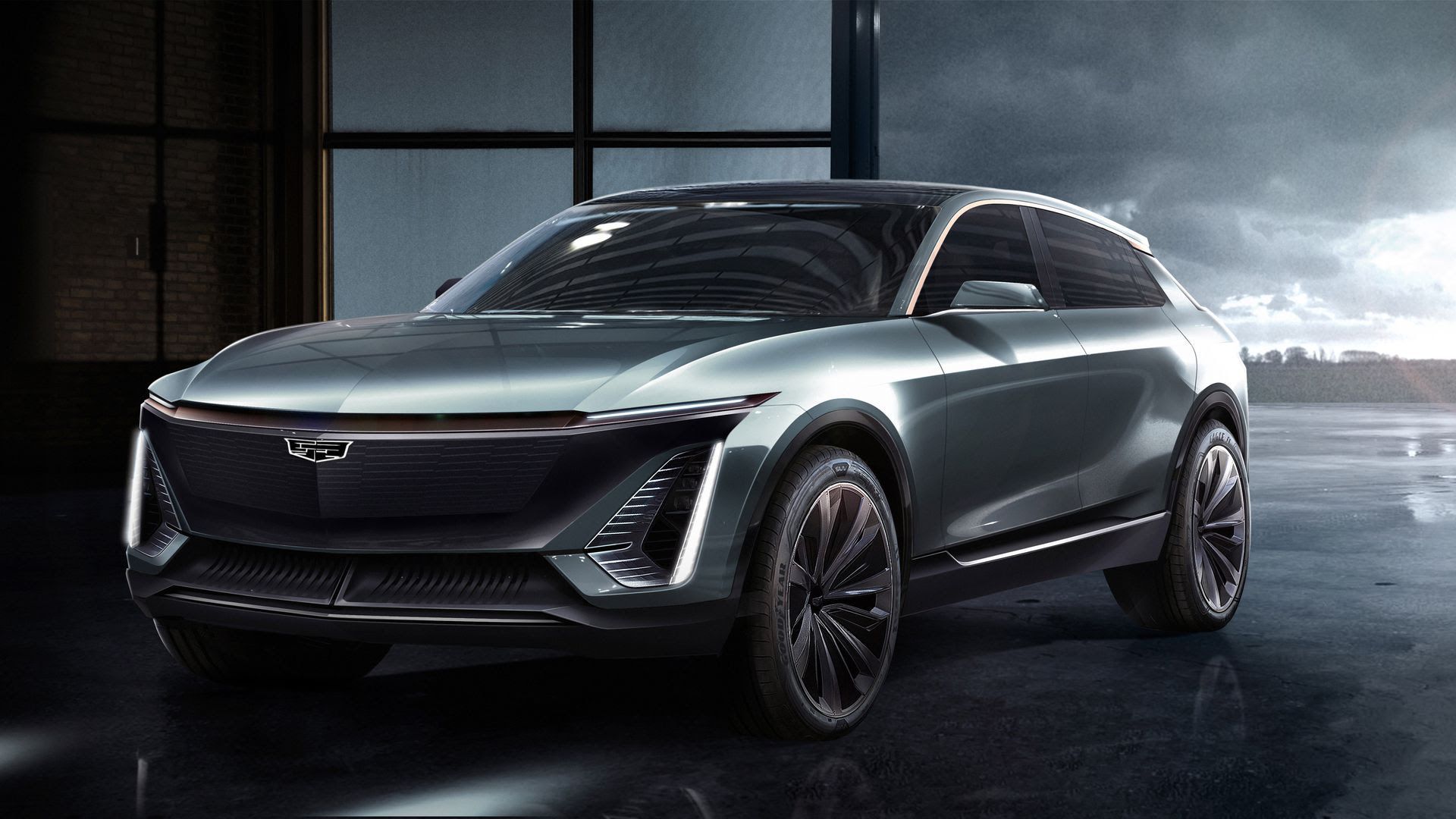
While General Motors was announcing plans Thursday for a huge $2.3 billion battery factory to boost production of electric vehicles, a Toyota executive warned of a looming industry disaster, calling it "electrified armageddon."
Why it matters: Somebody is wrong. Either GM's heavy spending on battery-electric vehicles will be wasted, or Toyota will be caught flat-footed when the rest of the market goes electric.
Former senator and Secretary of State John Kerry, who has spent decades working on climate change, endorsed Joe Biden Thursday in a statement that included a shout-out to Biden's ability to tackle the topic.
Meanwhile, the upstart, leftist Sunrise Movement released its scorecard of candidates' climate plans and commitment to action. It puts Biden's far behind Elizabeth Warren and especially Bernie Sanders, who scored the highest with his aggressive (and, some climate experts say, questionably constructed) $16 trillion proposal.
A new report shows the skyrocketing importance of "ESG" issues — environmental, social and governance concerns — among institutional investors, who place big financial bets on companies.
Why it matters: Long considered a money-losing nicety, ESG is rapidly going mainstream. The Edelman poll of big investors found that 52% said they'd put more trust in a company that linked executive compensation to ESG goals — like data privacy and cybersecurity, diversity and inclusion, and fighting global warming.