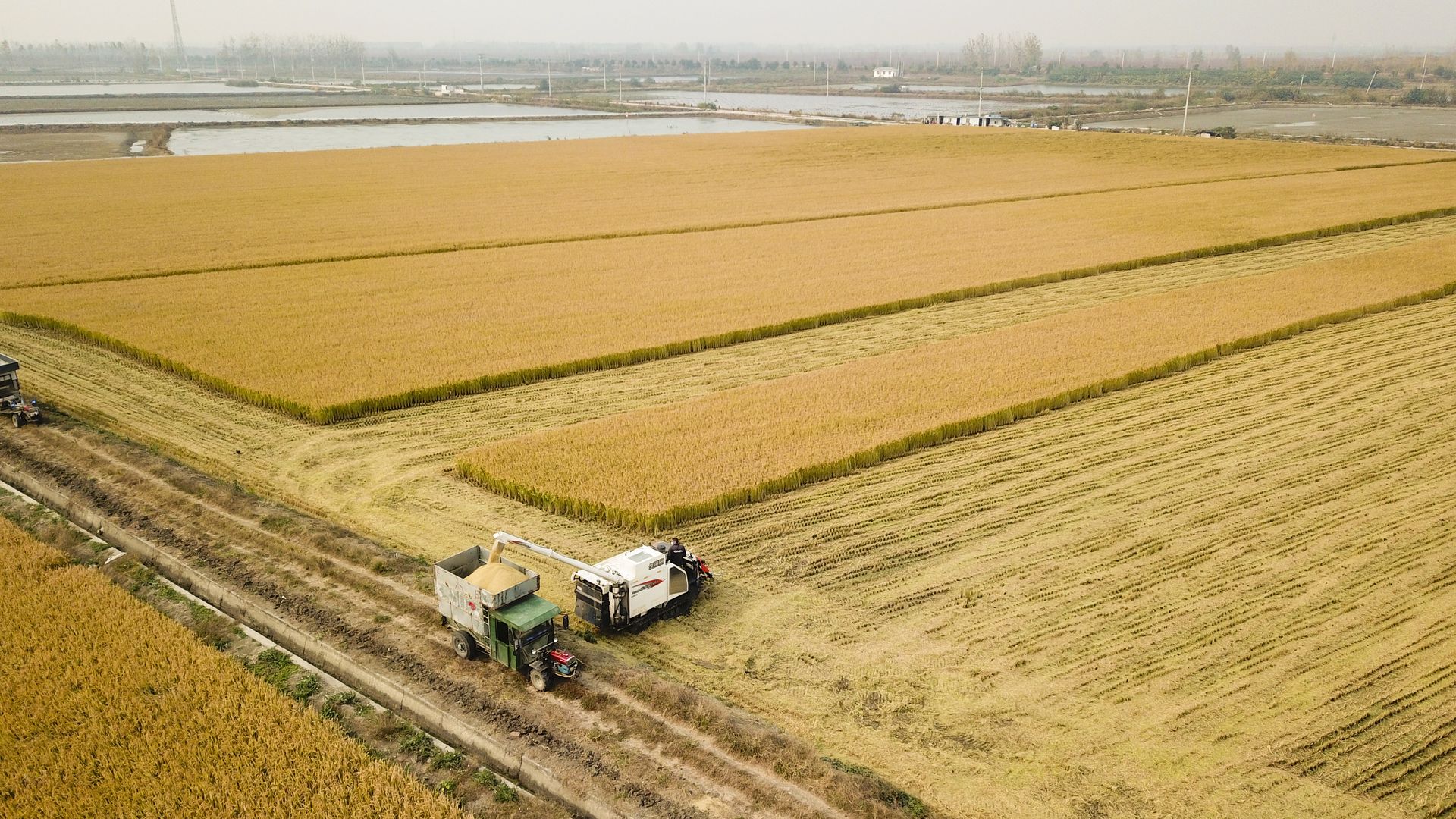
The federal government will distribute $800 million in aid to farmers in Florida, Alabama and Georgia that were hit by hurricanes Michael and Florence last year, the Department of Agriculture announced on Friday.
The big picture: The department will distribute the money in grants as part of a $3 billion disaster aid package approved by Congress earlier this year to help communities recovering from a variety of natural disasters. The aid will help agricultural producers in southern states "get back on their feet and prepare for next year’s planting and harvest," per Agriculture Secretary Sonny Perdue.
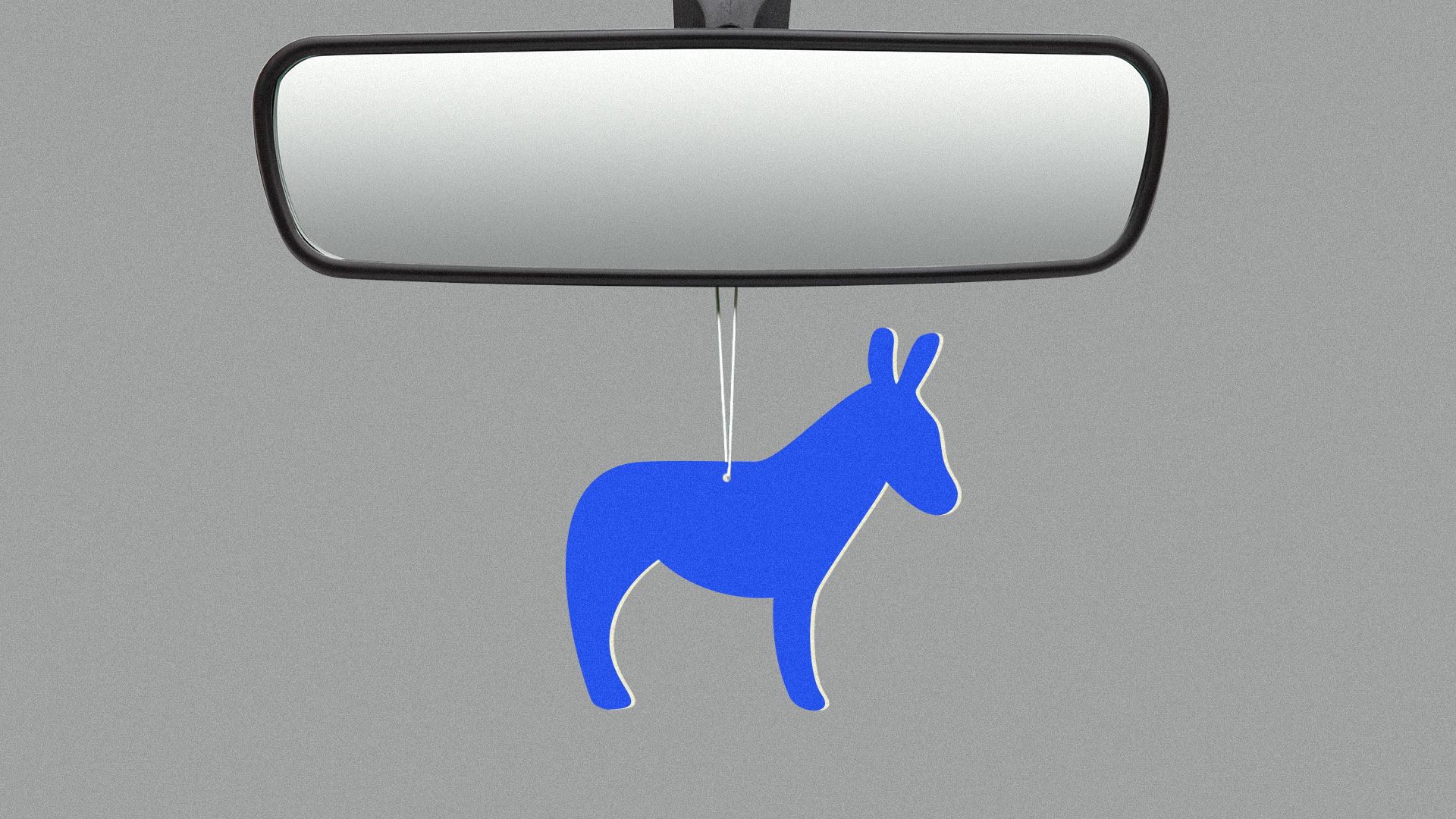
While President Trump is moving to ease Obama-era tailpipe emissions rules, Democrats running to unseat him want to accelerate the shift to electric cars, trucks and buses and take gasoline-powered vehicles off the market entirely.
Why it matters: The 2020 presidential race could produce two vastly different outcomes for the auto industry, and that regulatory whiplash is hampering carmakers' long-term investment decisions.
Ahead of President Trump’s move this week to complete America’s withdrawal from the Paris Climate Agreement, the U.S. Chamber of Commerce quietly updated its position to support it.
Why it matters: This is the starkest reversal from the Chamber, America’s most powerful business lobby group, since it began pursuing a broader shift months ago to more readily acknowledge and engage on climate change.
Lobbying divisions are rupturing across Washington as climate change worries grow and President Trump repeals policies addressing the issue.
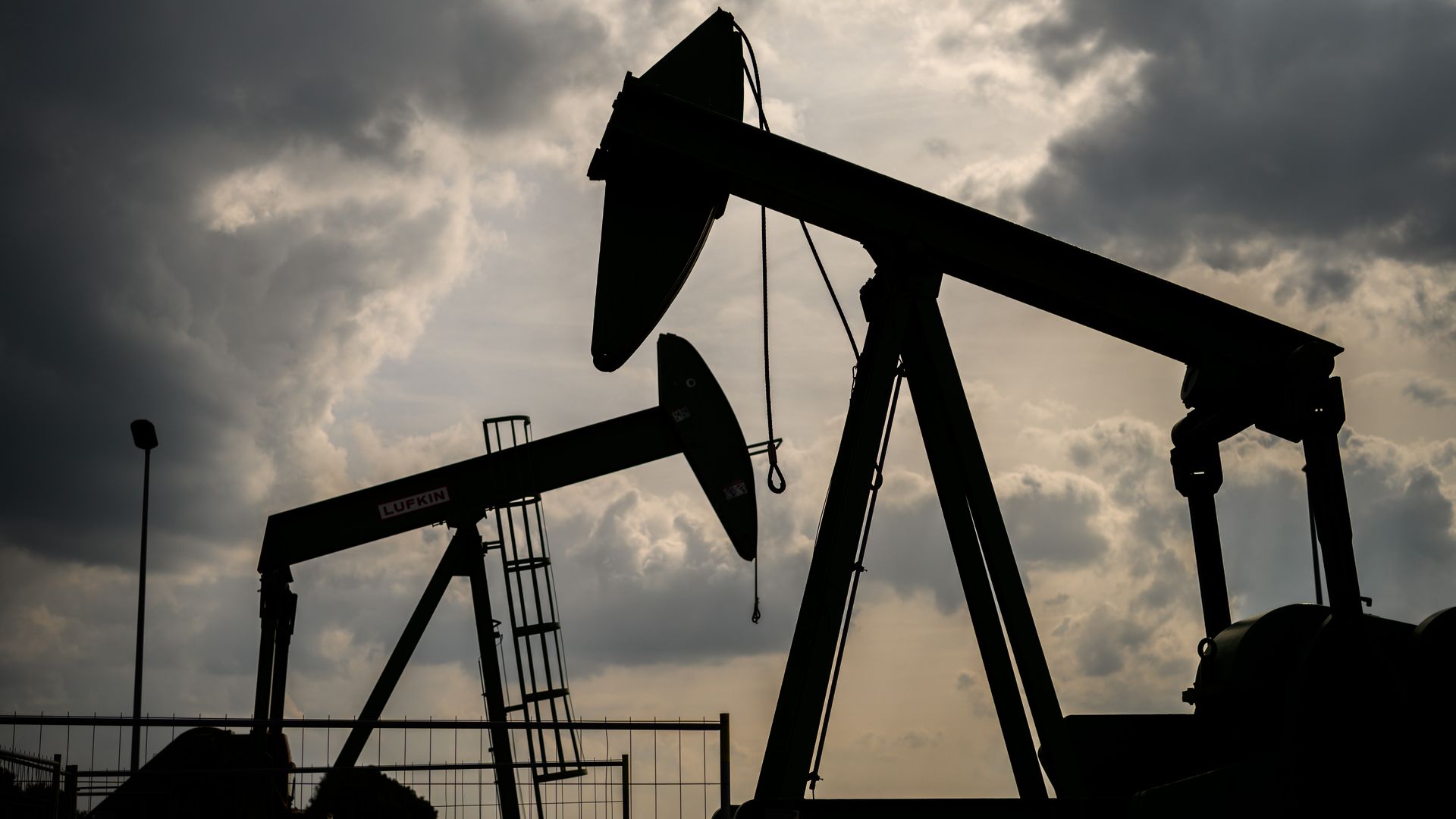
Driving the news: Oil and gas company Total is leaving the American Fuel & Petrochemical Manufacturers due to differences over climate change policy, the French producer said Friday, following Royal Dutch Shell's move earlier this year.
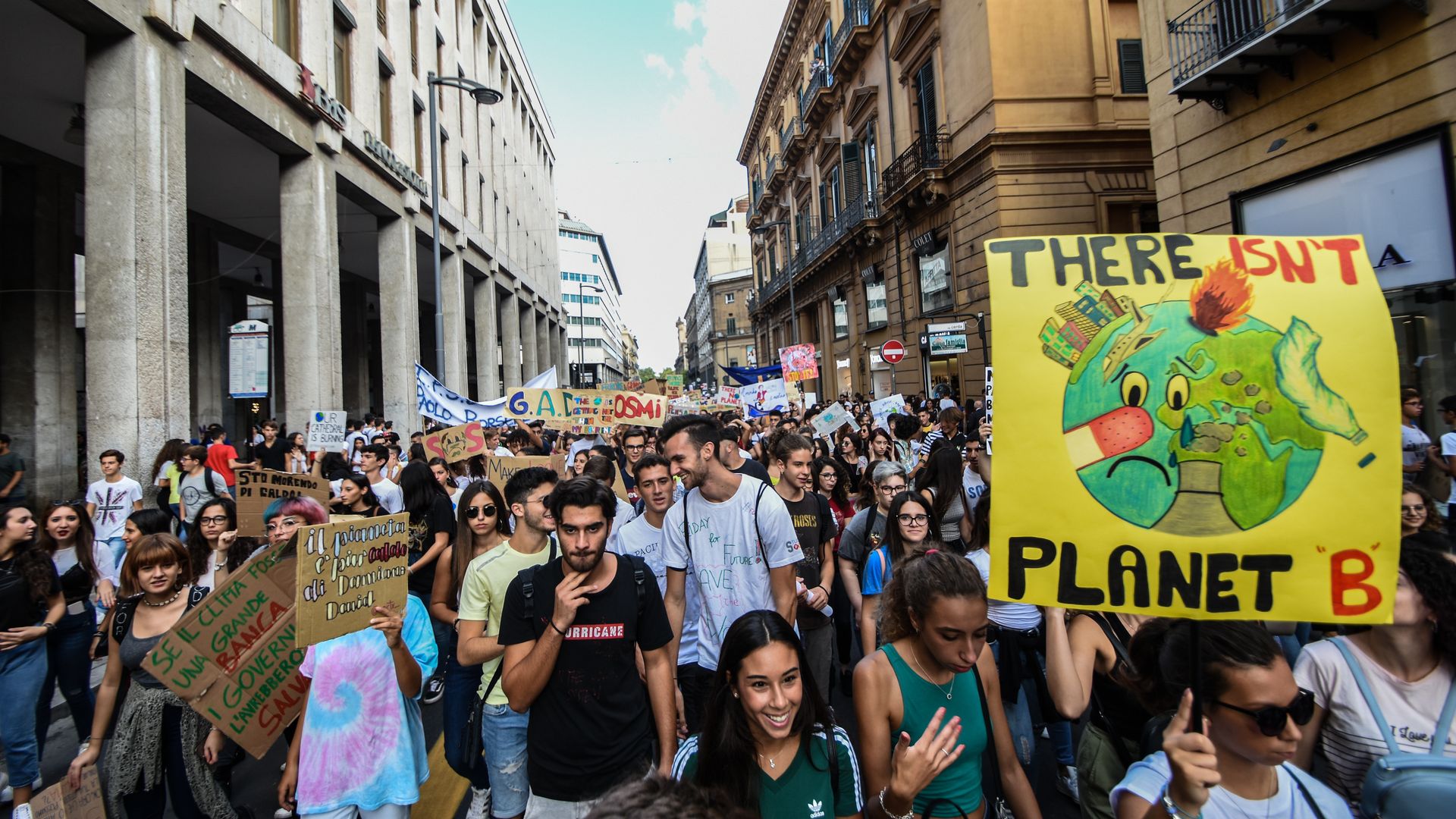
All public schools in Italy will require students to learn about climate change and sustainable development starting the next academic year, the Washington Post reports.
The big picture: Italy is the first country in the world to mandate curriculum on climate change. Teenage climate activist Greta Thunberg and students in the U.S. — through the Zero Hour and Sunrise movements — have organized massive protests on climate change and called for politicians and other adults to take science on the issue seriously.
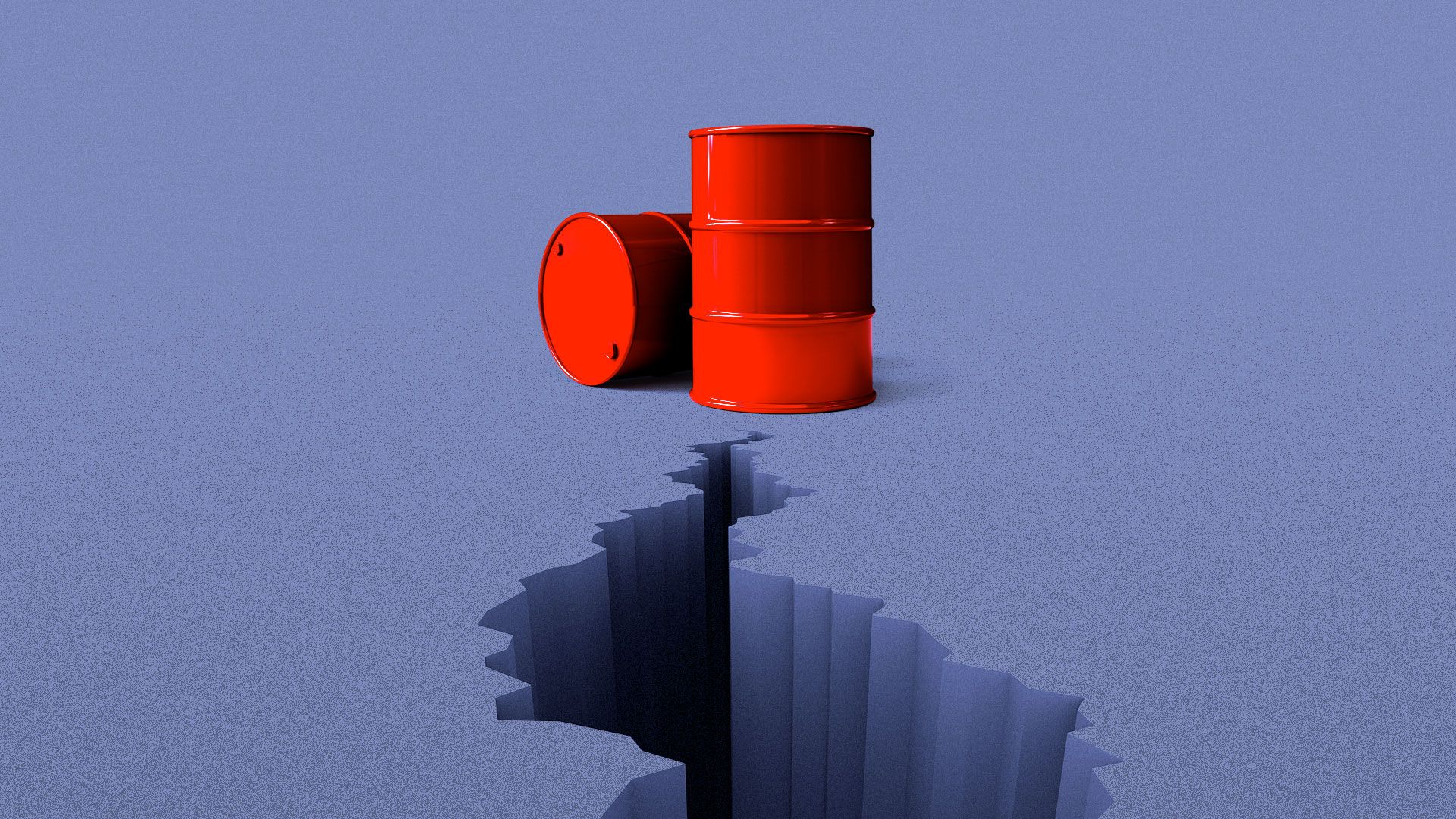
A pair of analyses are laying bare the divide between major oil companies and their smaller peers.
Driving the news: A new Rapidan Energy Group note explores plans by Democratic White House hopefuls to thwart oil-and-gas development on federal lands and waters.
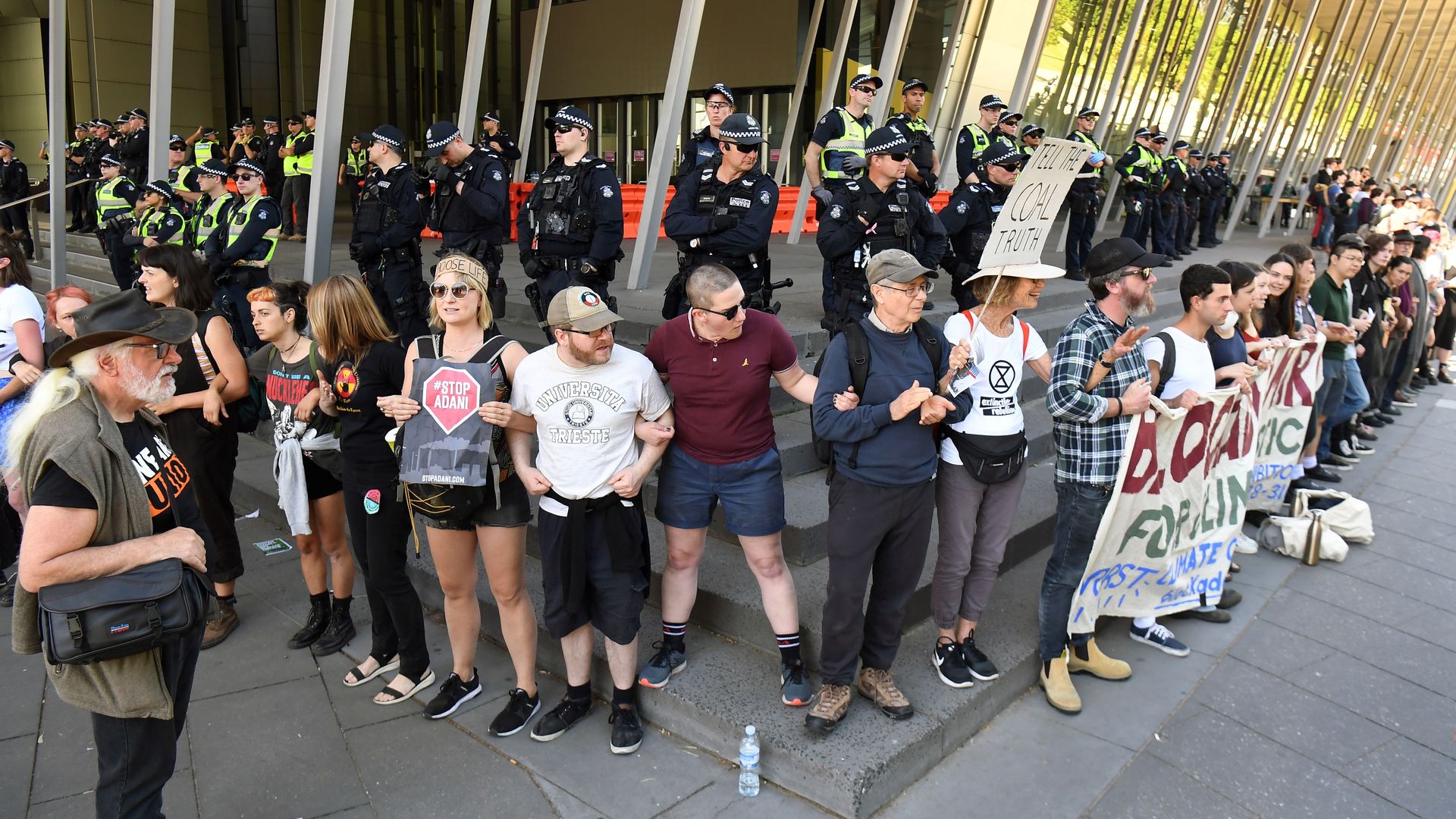
Australians are becoming increasingly frustrated with the conservative government's inaction toward climate change, and it's pushing many to take to the streets for some of the largest protests the country has ever seen, reports the New York Times.
Why it matters: The Australian government is struggling to keep its promise to reduce its carbon emissions under the Paris Agreement as politicians continue to lobby in favor of the coal industry. For some lawmakers, "defending coal has come to be equated with defending the country," according to the Times.
Volvo says it's working with suppliers to bring "global traceability" of cobalt used in EV batteries through the use of blockchain technology.
Why it matters: Cobalt is a key material in batteries, but its extraction — largely in the Democratic Republic of the Congo — is linked to human rights abuses and dangerous conditions.
A new Energy Department report lays out how solar PV systems are getting bigger and better over time.
Why it matters: The Tracking the Sun report underscores how an important part of solar's growth and evolution isn't just the increasing number of systems, but also their design and scale.