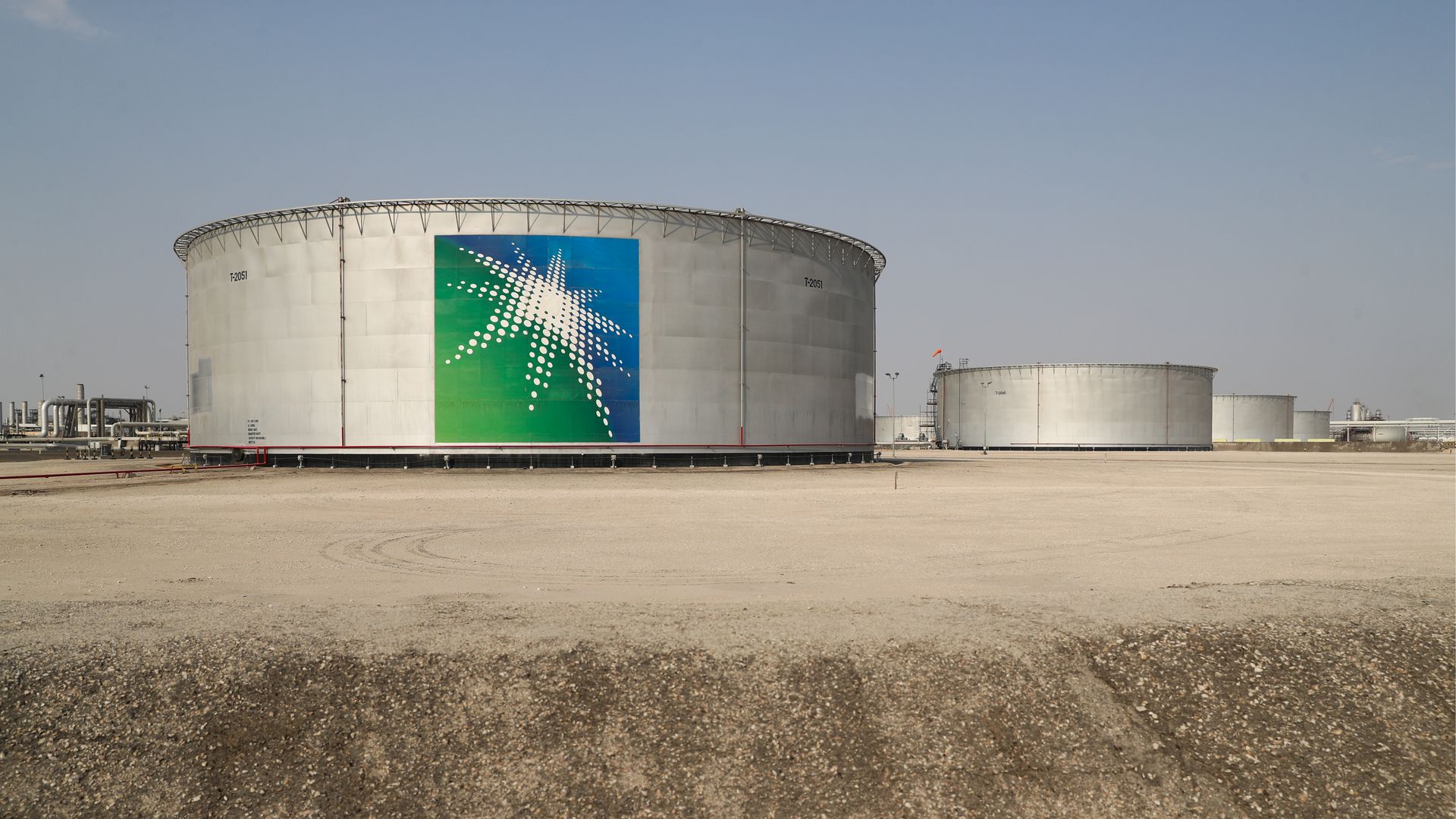
Saudi Aramco on Saturday published the prospectus for its plans to float a small slice of the world's largest oil-producing company on the kingdom's domestic exchange.
Why it matters: This brings Aramco closer to the long-planned, long-delayed public debut, whichcould be the largest IPO ever. Crown Prince Mohammed bin Salman envisions raising tens of billions of dollars to fund Saudi's economic diversification efforts.
Top economists say the economic effects of climate change are just starting to be felt — and they're likely to start snowballing.
Why it matters: Wildfires, floods, and other natural disasters could harm the nation's financial backbone, damaging vital electronic payment systems, causing bank failures, and disrupting the economy in myriad unanticipated ways.
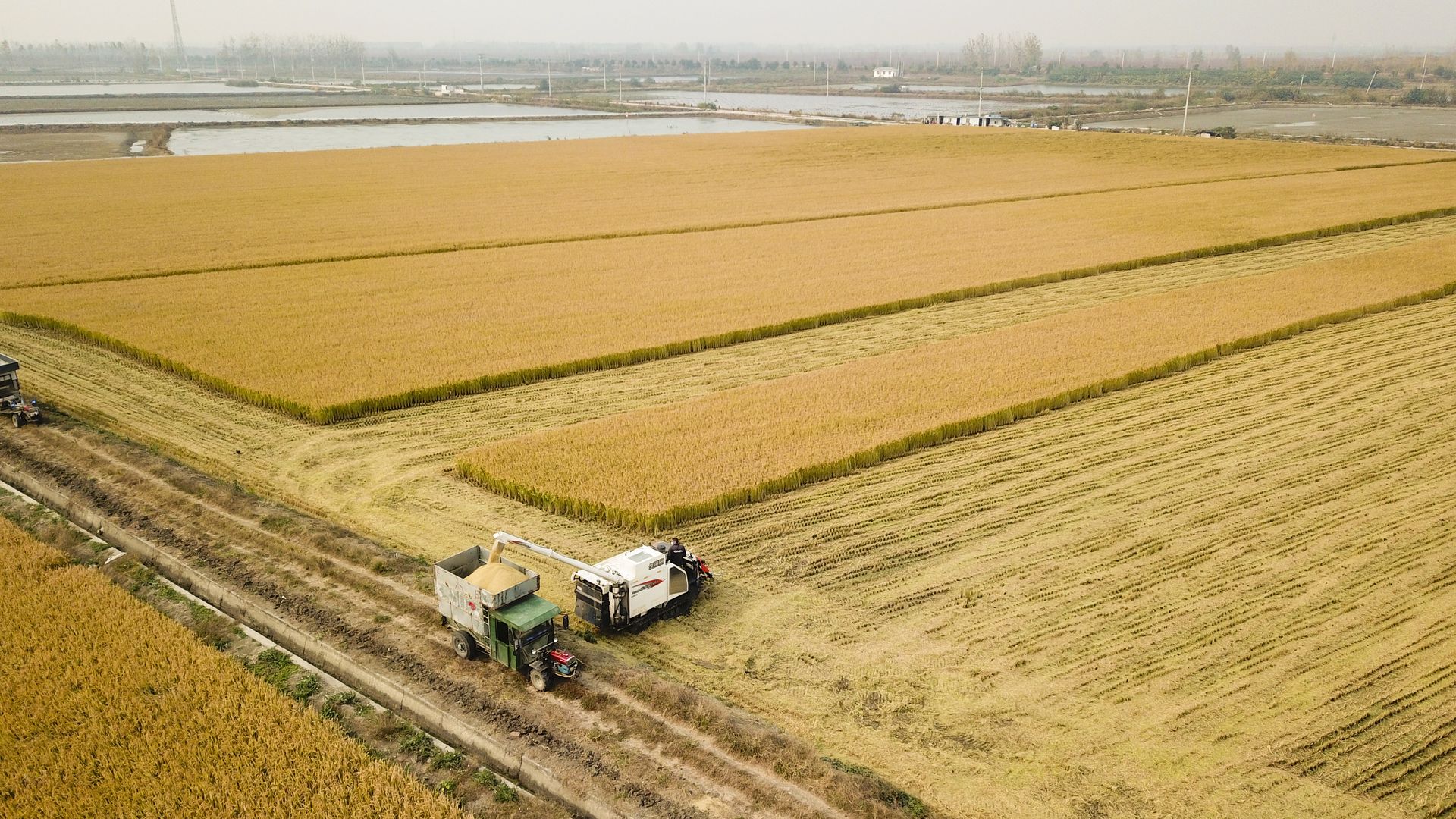
The federal government will distribute $800 million in aid to farmers in Florida, Alabama and Georgia that were hit by hurricanes Michael and Florence last year, the Department of Agriculture announced on Friday.
The big picture: The department will distribute the money in grants as part of a $3 billion disaster aid package approved by Congress earlier this year to help communities recovering from a variety of natural disasters. The aid will help agricultural producers in southern states "get back on their feet and prepare for next year’s planting and harvest," per Agriculture Secretary Sonny Perdue.
While President Trump is moving to ease Obama-era tailpipe emissions rules, Democrats running to unseat him want to accelerate the shift to electric cars, trucks and buses and take gasoline-powered vehicles off the market entirely.
Why it matters: The 2020 presidential race could produce two vastly different outcomes for the auto industry, and that regulatory whiplash is hampering carmakers' long-term investment decisions.
Ahead of President Trump’s move this week to complete America’s withdrawal from the Paris Climate Agreement, the U.S. Chamber of Commerce quietly updated its position to support it.
Why it matters: This is the starkest reversal from the Chamber, America’s most powerful business lobby group, since it began pursuing a broader shift months ago to more readily acknowledge and engage on climate change.
Lobbying divisions are rupturing across Washington as climate change worries grow and President Trump repeals policies addressing the issue.
Driving the news: Oil and gas company Total is leaving the American Fuel & Petrochemical Manufacturers due to differences over climate change policy, the French producer said Friday, following Royal Dutch Shell's move earlier this year.