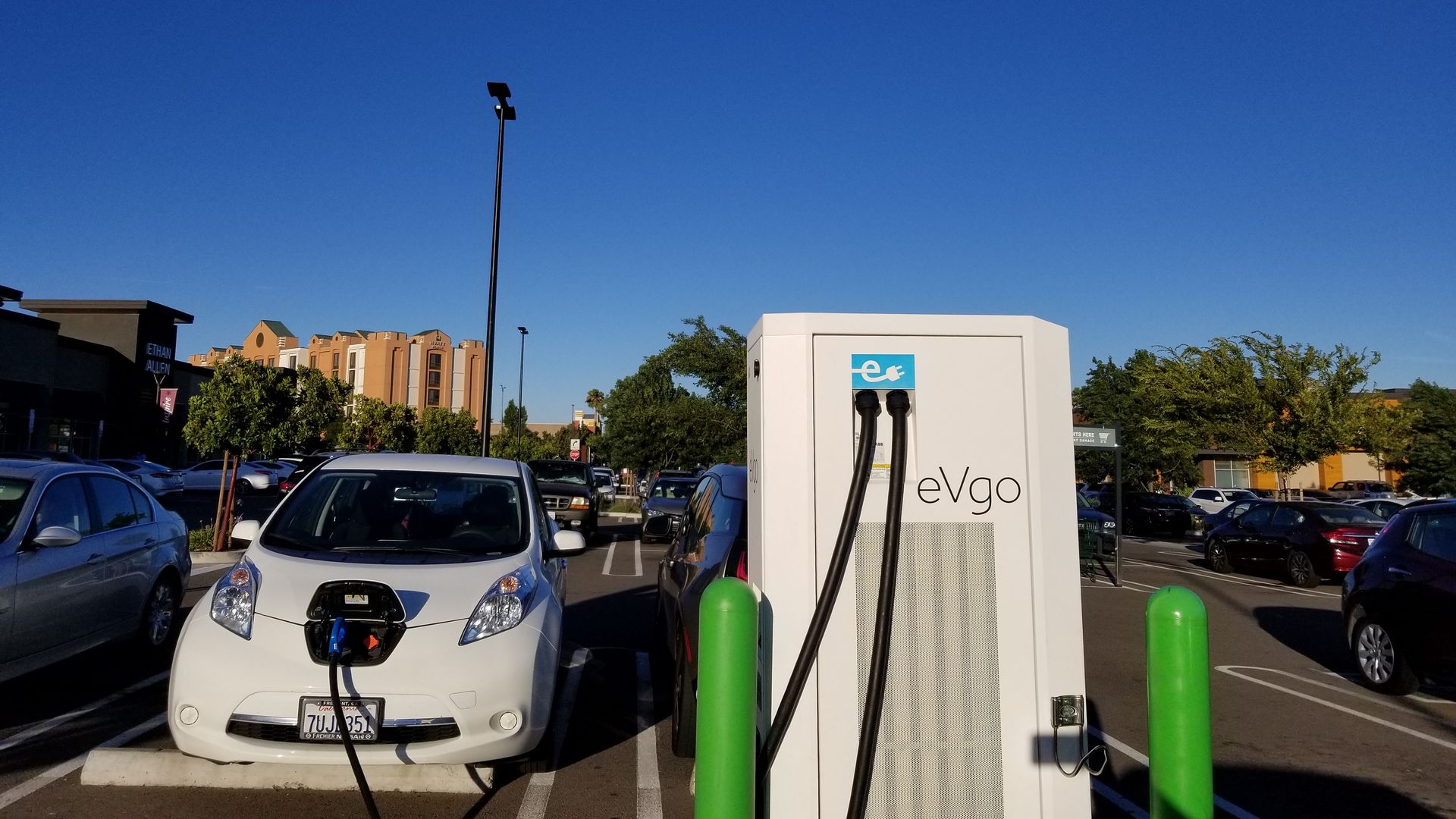
What it means: California's requirements are stricter than federal standards, which it maintains under the Clean Air Act. The ZEV program gives rebates for zero emission vehicles (ZEVs) and incentives for ZEV infrastructure and aims to "reduce the emissions contributing to climate change," per the Center for Climate and Energy Solutions (C2ES).
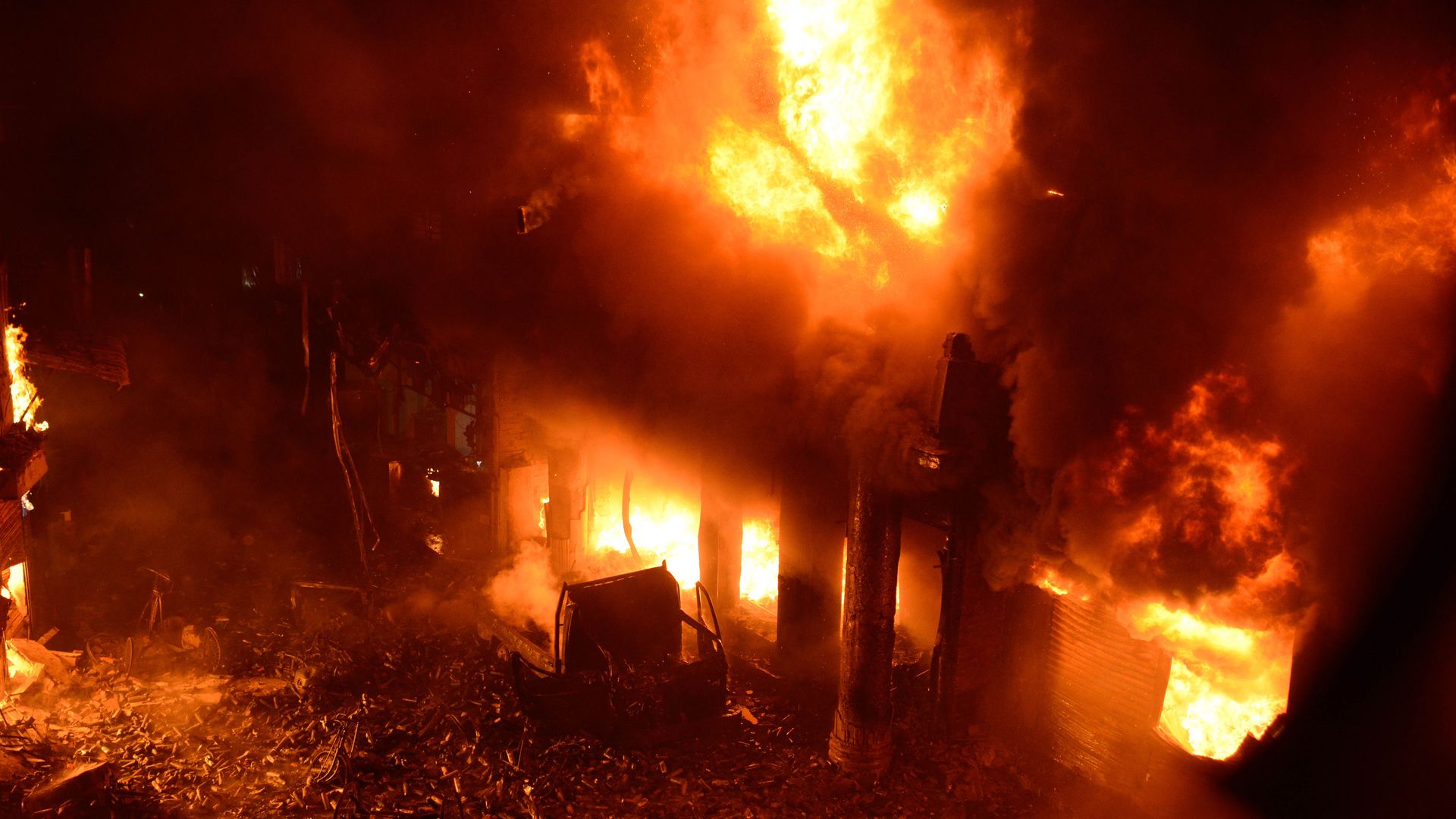
Nearly 15,000 homes were reportedly destroyed in Bangladesh's Chalantika slum late Friday (local time) after a fire of unknown origin raged in the nation's capitol for over 6 hours, according to the BBC.
The impact: Several people were injured and no deaths have been reported. Atiqul Islam, mayor of the Dhaka North City Corporation (DNCC), said, "All basic needs for the homeless people will continue till their rehabilitation," and temporary shelters will be erected in the meantime, per the U.K.'s Independent.
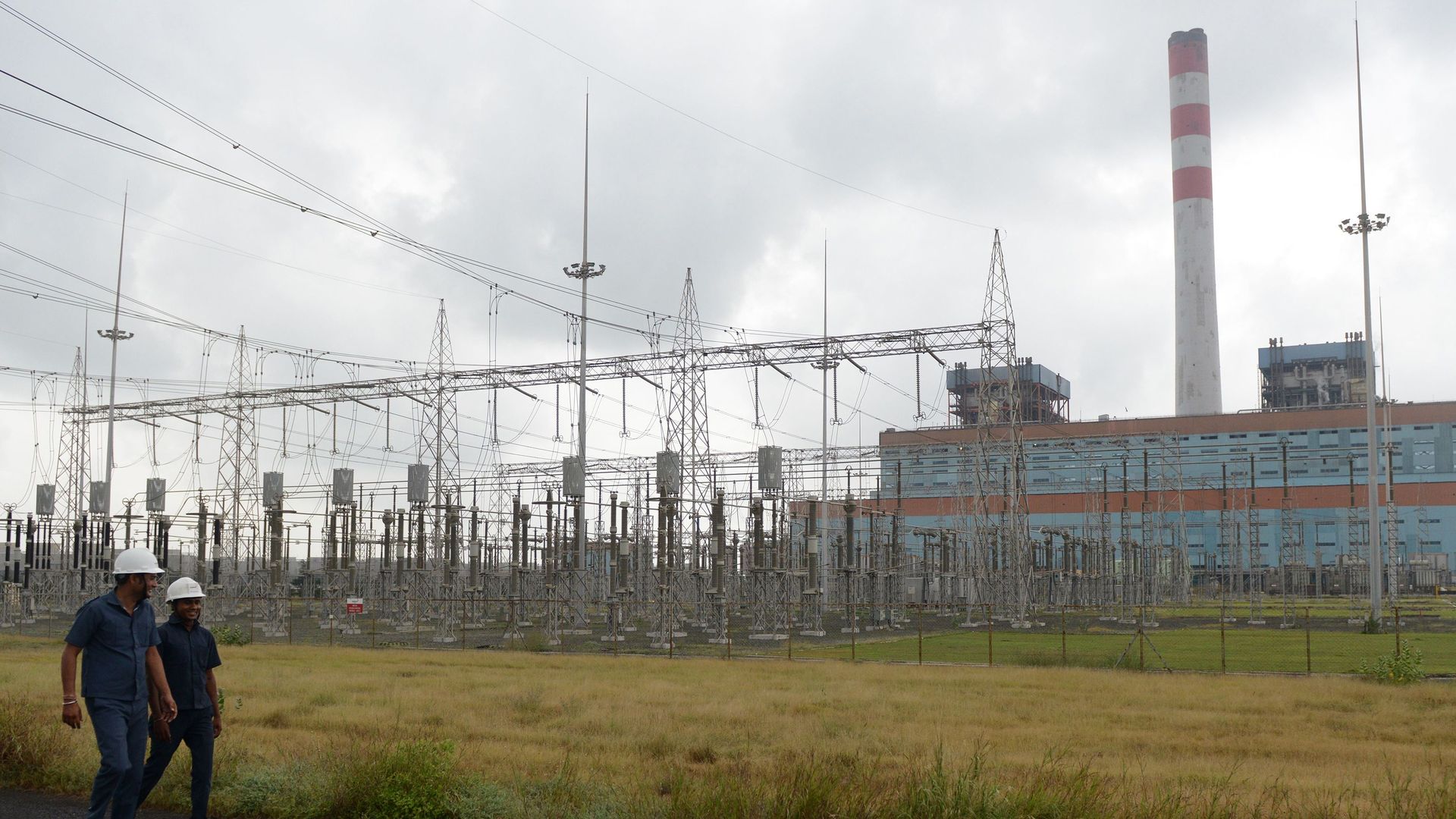
If most of the world's proposed new coal facilities are ultimately built, their output would far exceed the level required to limit global warming to 1.5 degrees Celsius.
Driving the news: A Global Energy Monitor report found that 538 GW of coal plants are still under consideration around the world. This represents a 62% reduction in proposed coal plants over the past 3 years — from a proposed 1,427 GW in 2015 — but still amounts to much more than the global carbon budget can absorb.
Even "modest" carbon taxes, like those seen in the chart above, would cut emissions as much as the Obama-era vehicle and power plant rules that President Trump is abandoning, an MIT economist found in a new working paper.
Why it matters: The results "underscore the economic power of a carbon tax" compared to "economically inefficient" regulations, writes Christopher Knittel, who directs the MIT Center for Energy and Environmental Policy Research.
Costs for wind and solar electricity have plummeted in the U.S. and around the world, driving incredible growth in these cleaner sources of energy and helping combat climate change.
But, but, but: The costs associated with the variability of wind and solar — it’s not always windy or sunny — are growing as states, progressive politicians and corporations push for rapid increases in these resources to levels much greater than what we have today.