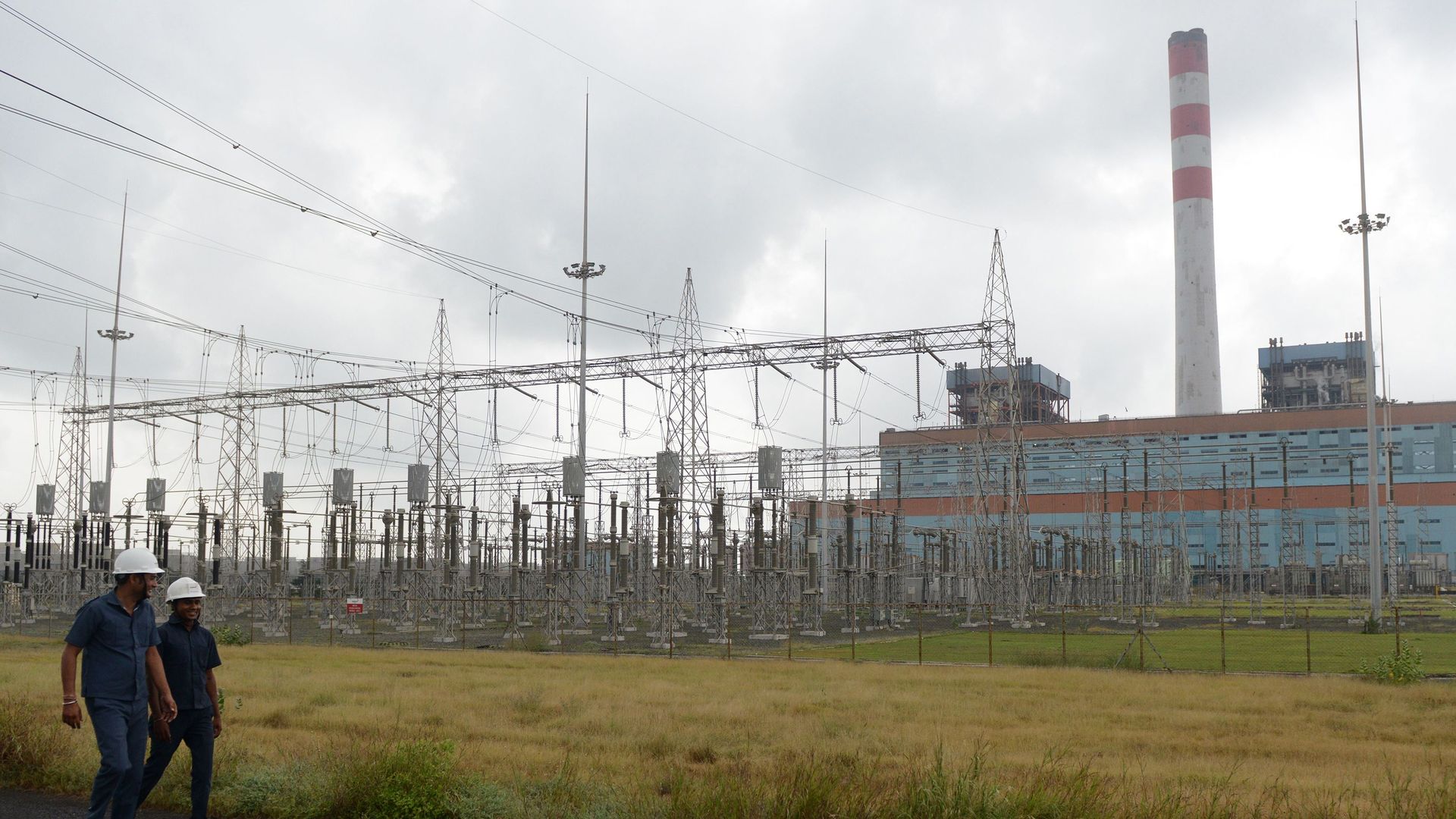
If most of the world's proposed new coal facilities are ultimately built, their output would far exceed the level required to limit global warming to 1.5 degrees Celsius.
Driving the news: A Global Energy Monitor report found that 538 GW of coal plants are still under consideration around the world. This represents a 62% reduction in proposed coal plants over the past 3 years — from a proposed 1,427 GW in 2015 — but still amounts to much more than the global carbon budget can absorb.
Even "modest" carbon taxes, like those seen in the chart above, would cut emissions as much as the Obama-era vehicle and power plant rules that President Trump is abandoning, an MIT economist found in a new working paper.
Why it matters: The results "underscore the economic power of a carbon tax" compared to "economically inefficient" regulations, writes Christopher Knittel, who directs the MIT Center for Energy and Environmental Policy Research.
Costs for wind and solar electricity have plummeted in the U.S. and around the world, driving incredible growth in these cleaner sources of energy and helping combat climate change.
But, but, but: The costs associated with the variability of wind and solar — it’s not always windy or sunny — are growing as states, progressive politicians and corporations push for rapid increases in these resources to levels much greater than what we have today.
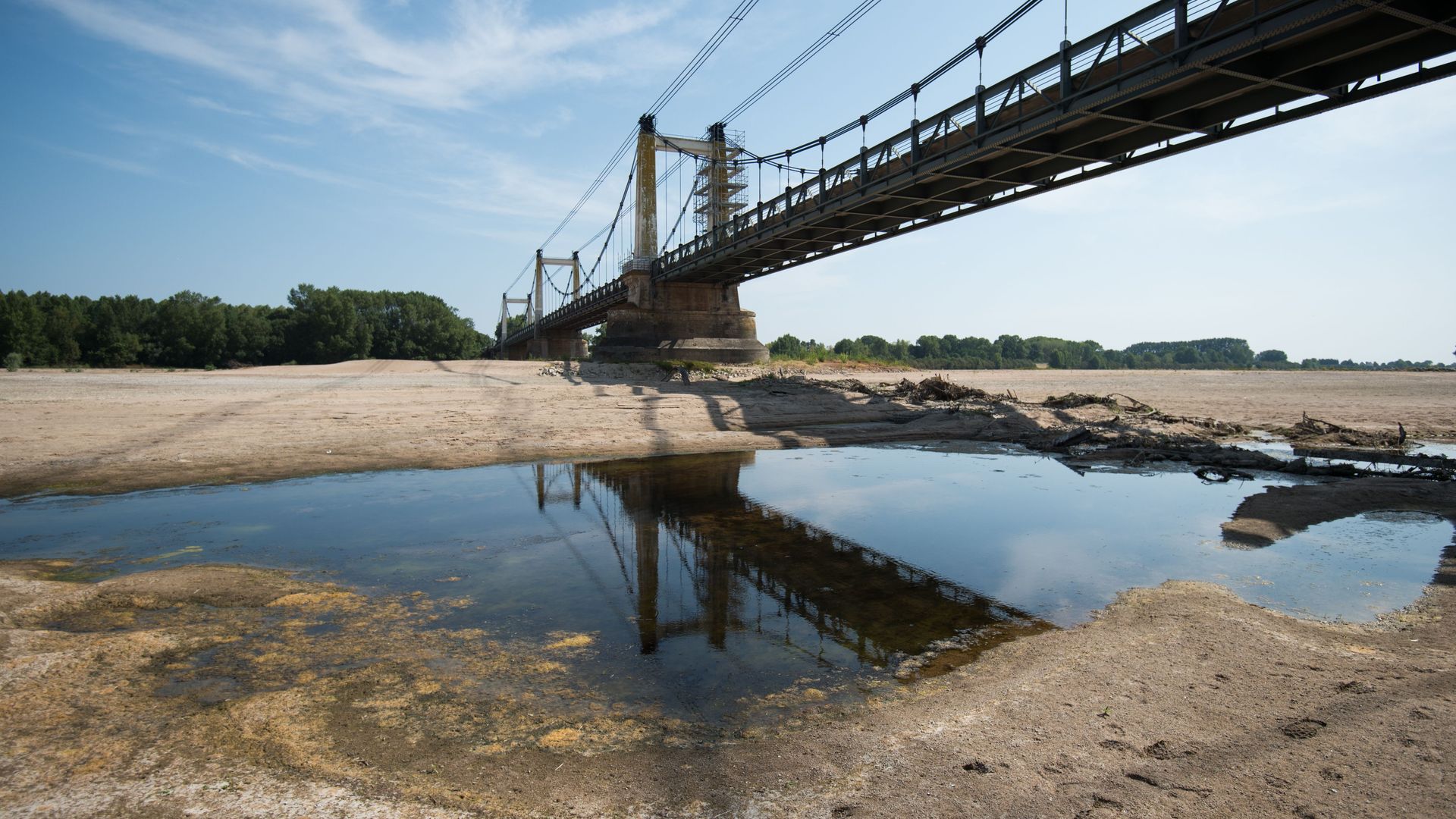
This July surpassed August 2016 as the hottest-ever month on record by 0.14 degrees Fahrenheit, the Washington Post's Andrew Freedman reports.
The big picture: Deke Arndt, head of climate monitoring for NOAA, tells the Post that "July 2019 marked the 415th straight month that was warmer than the 20th century average." 9 of the 10 warmest Julys on record have taken place since 2005, and Arctic and Antarctic sea ice fell to their lowest-recorded levels this July, according to NOAA.
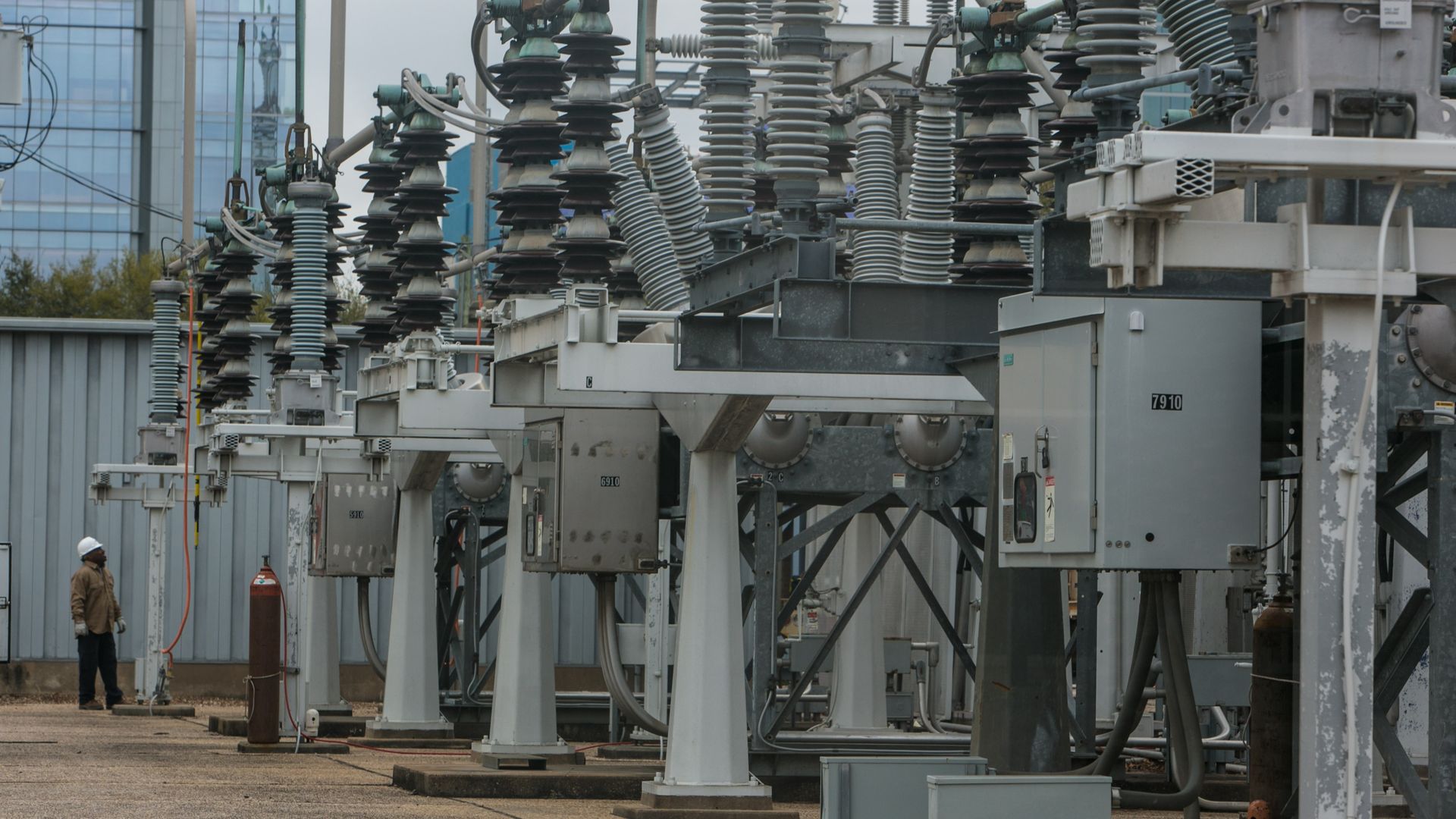
Demand for air conditioning across Texas helped drive wholesale electricity prices to the market cap of $9,000/MWh earlier this week, testing both the grid's capacity and the public's response to price spikes under the state's wholesale electricity market.
The big picture: ERCOT, the grid operator for most of Texas, operates an “energy-only” market that pays power plants only when they produce energy, and not merely for being available to do so. Many ERCOT plants thus rely on high-priced scarcity events to stay profitable in the otherwise low-cost grid, where prices are kept down by cheap natural gas prices and, to a lesser extent, renewables.