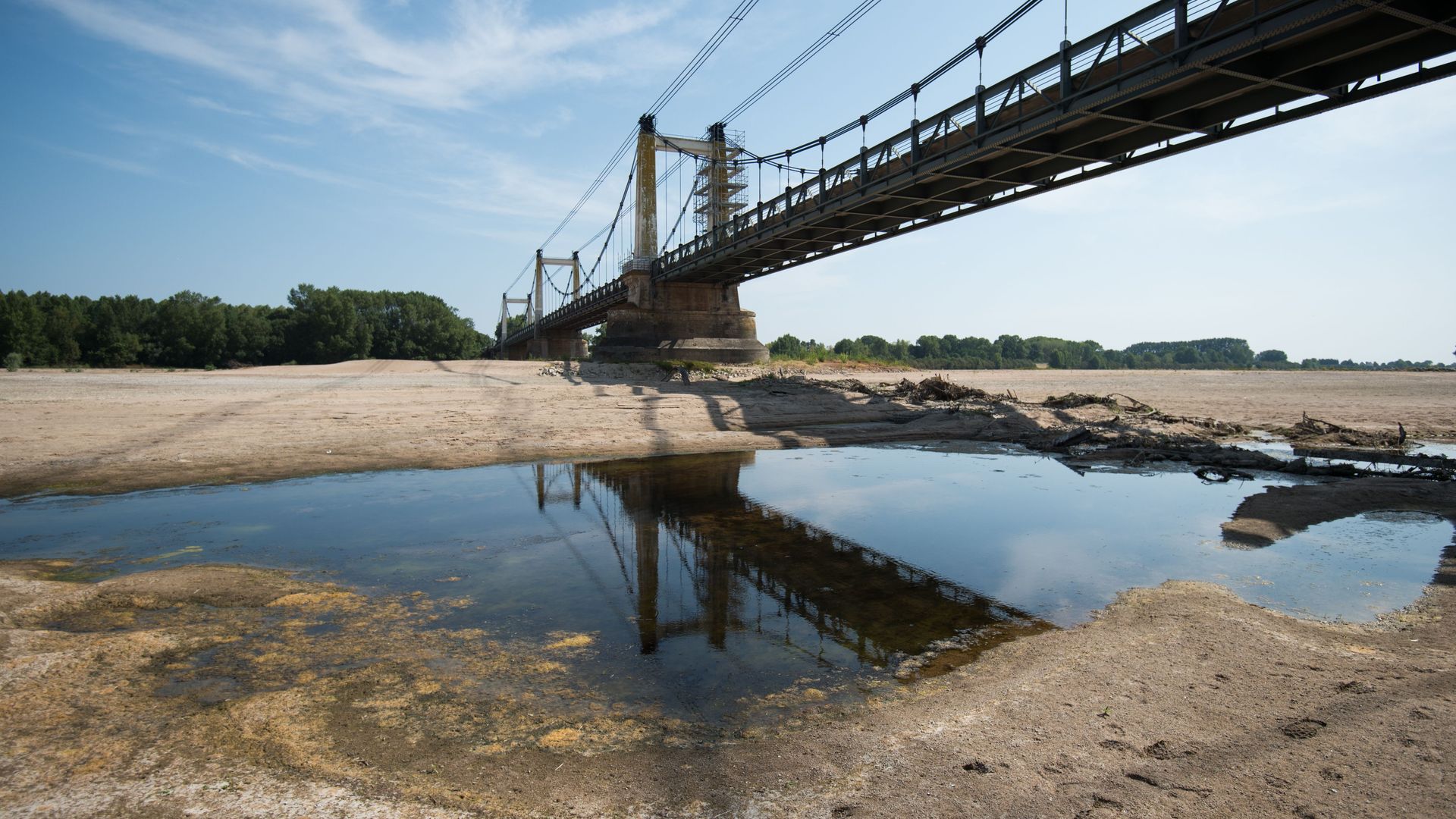
This July surpassed August 2016 as the hottest-ever month on record by 0.14 degrees Fahrenheit, the Washington Post's Andrew Freedman reports.
The big picture: Deke Arndt, head of climate monitoring for NOAA, tells the Post that "July 2019 marked the 415th straight month that was warmer than the 20th century average." 9 of the 10 warmest Julys on record have taken place since 2005, and Arctic and Antarctic sea ice fell to their lowest-recorded levels this July, according to NOAA.
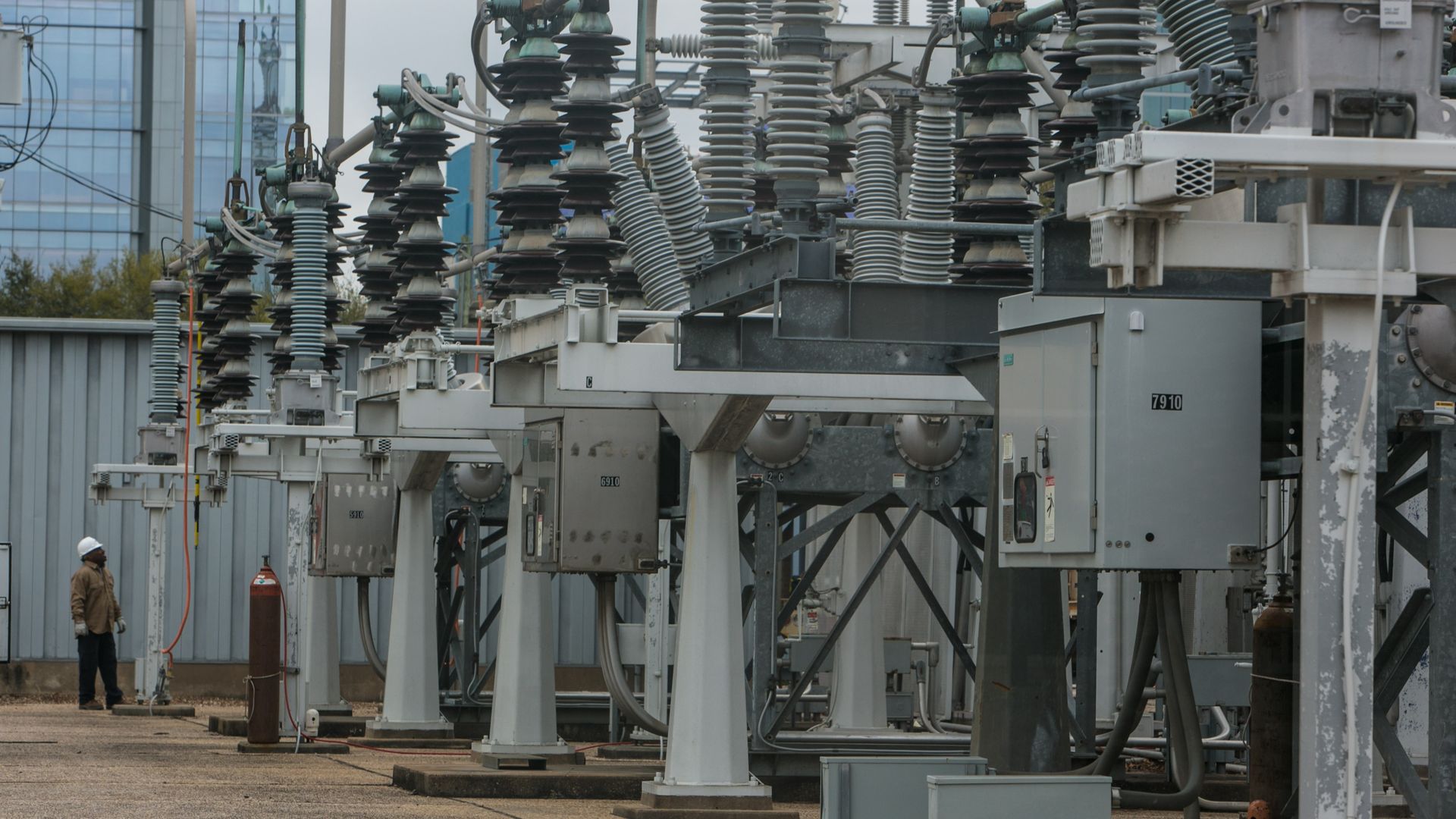
Demand for air conditioning across Texas helped drive wholesale electricity prices to the market cap of $9,000/MWh earlier this week, testing both the grid's capacity and the public's response to price spikes under the state's wholesale electricity market.
The big picture: ERCOT, the grid operator for most of Texas, operates an “energy-only” market that pays power plants only when they produce energy, and not merely for being available to do so. Many ERCOT plants thus rely on high-priced scarcity events to stay profitable in the otherwise low-cost grid, where prices are kept down by cheap natural gas prices and, to a lesser extent, renewables.
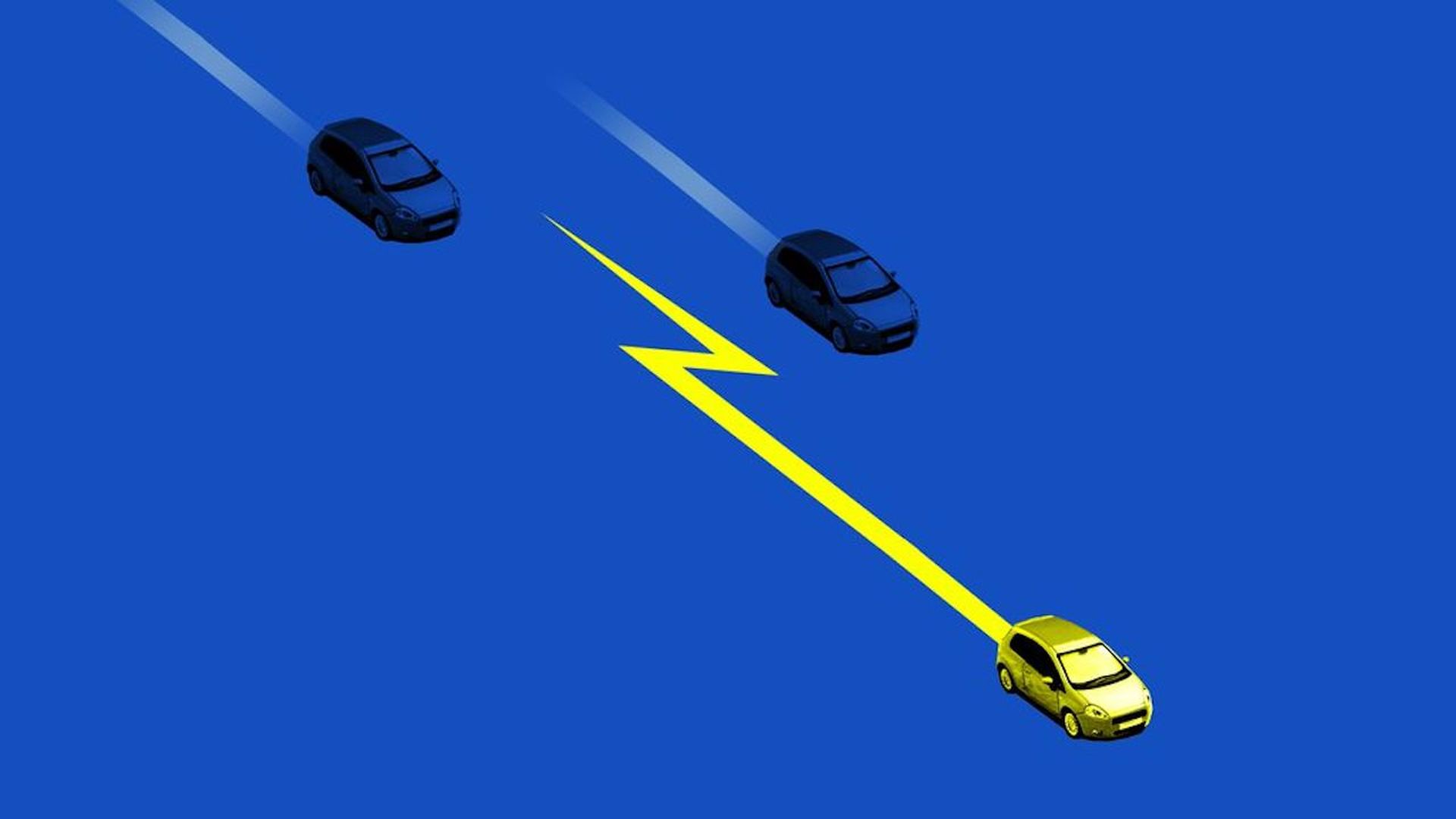
General Motors is laying down huge, simultaneous bets on electric cars and self-driving technology, a strategic gamble based on its belief that future automated vehicles will run only on electricity.
Why it matters: It's a risky bet that few can stomach, especially if EVs and AVs are slow to be accepted by consumers. Other carmakers, like Ford, see near-term limitations to battery-electric AVs and favor a more measured approach.
President Trump used a speech at a Shell petrochemicals plant in Pennsylvania on Tuesday to revive his attacks against wind energy, but his speech came just days after Department of Energy's latest major analysis of wind technology trends.
Why it matters: The timing of the president's speech clashed with the report, which underscored why wind has become an increasingly competitive resource.
As mobility data is amassed from ride-hailing, dockless bikes and e-scooters, cities need tools to responsibly track, store, and analyze it.
The big picture: With cities collecting that mobility data, in some cases as a condition for transportation companies to operate, they are facing a new challenge: how to be responsible stewards of this influx of data.