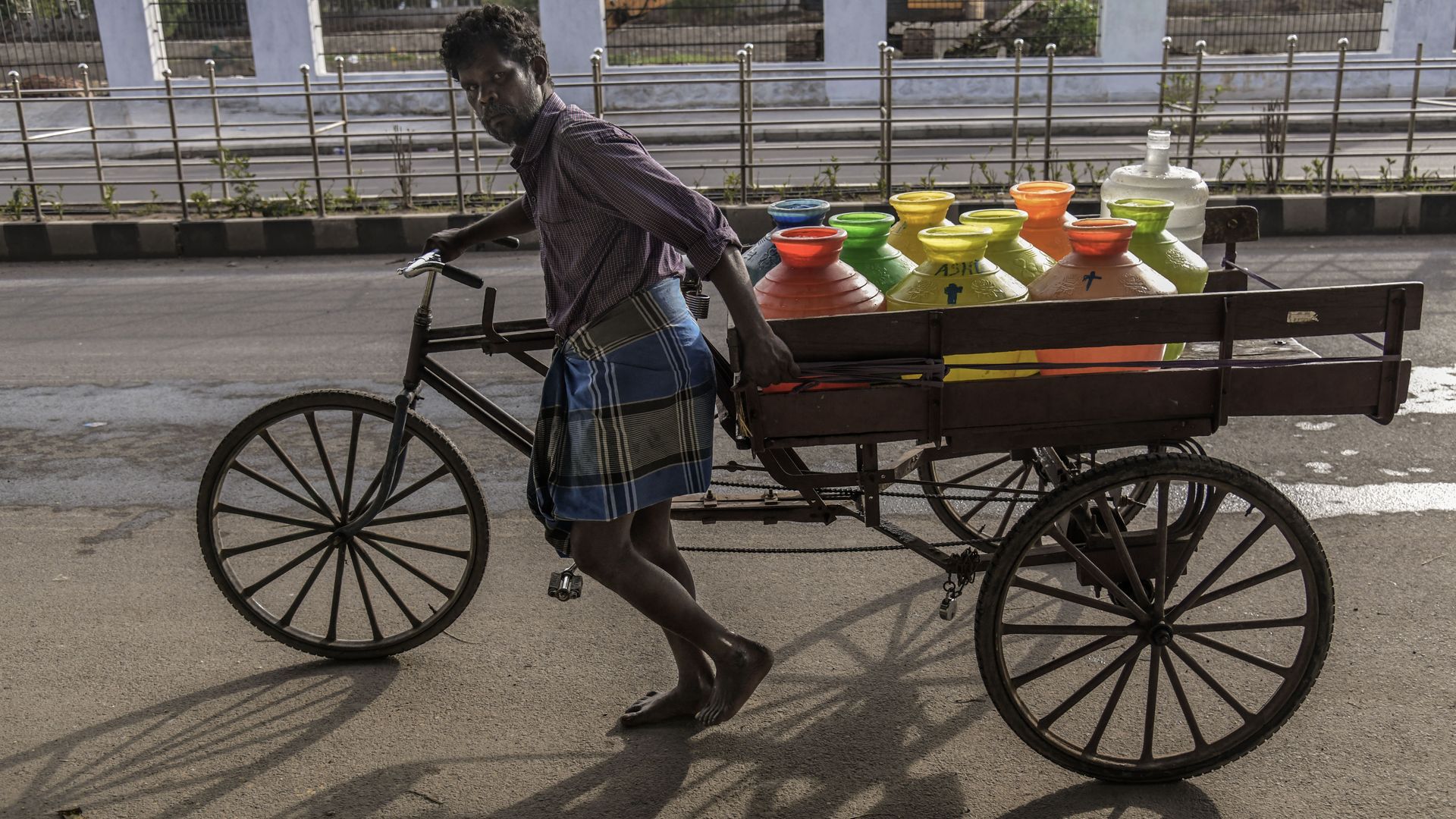
A dangerous combination of hot and dry weather, poor water management and rising demand is leaving cities such as Chennai, India, and Harare, Zimbabwe, without water for days on end.
The big picture: The pressures on municipal water supplies are likely to worsen with the effects of climate change. Cape Town, South Africa, narrowly averted its "Day Zero" last year, but cities in 17 other countries classified as high stress could soon face their own water crises.
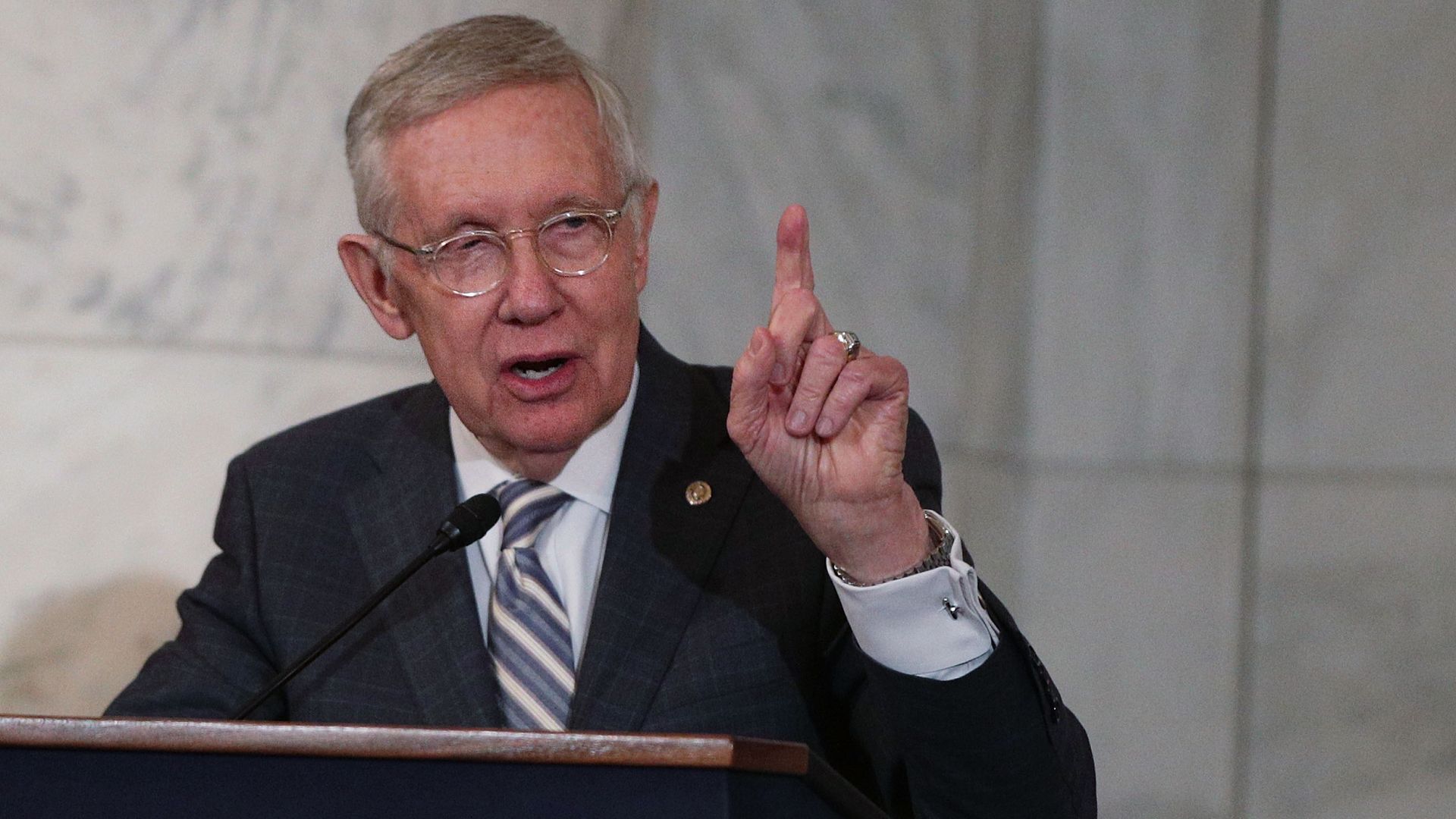
Former Senate Majority Leader Harry Reid told The Daily Beast that Democrats should kill the filibuster to pass climate change legislation if they take control of the Senate in 2020.
"[T]he No. 1 priority is climate change. There’s nothing that affects my children, grandchildren, and their children, right now, more than climate."
Human influence on lands is a major contributor to climate change — and climate change, in turn, is harming ecosystems and threatening food security, a major United Nations report finds.
Why it matters: While cutting fossil fuel emissions is vital, Thursday's report shows how the uphill battle to meet the Paris agreement's temperature goals requires focus on land use, too.
House Judiciary Chairman Jerry Nadler (D-N.Y.) filed a lawsuit Wednesday to enforce a subpoena compelling former White House counsel Don McGahn to testify in the committee's investigation of President Trump's potential obstruction of justice.
Why it matters: McGahn, a key witness in former special counsel Robert Mueller's investigation who sat for more than 30 hours of interviews, has been blocked by the White House from complying with the subpoena, which was issued in April. In a letter to House Democrats, Speaker Nancy Pelosi stated that the McGahn lawsuit is part of the process of gathering "all the relevant facts" for the House to consider "whether to exercise its full Article I powers, including a constitutional power of the utmost gravity — articles of impeachment."
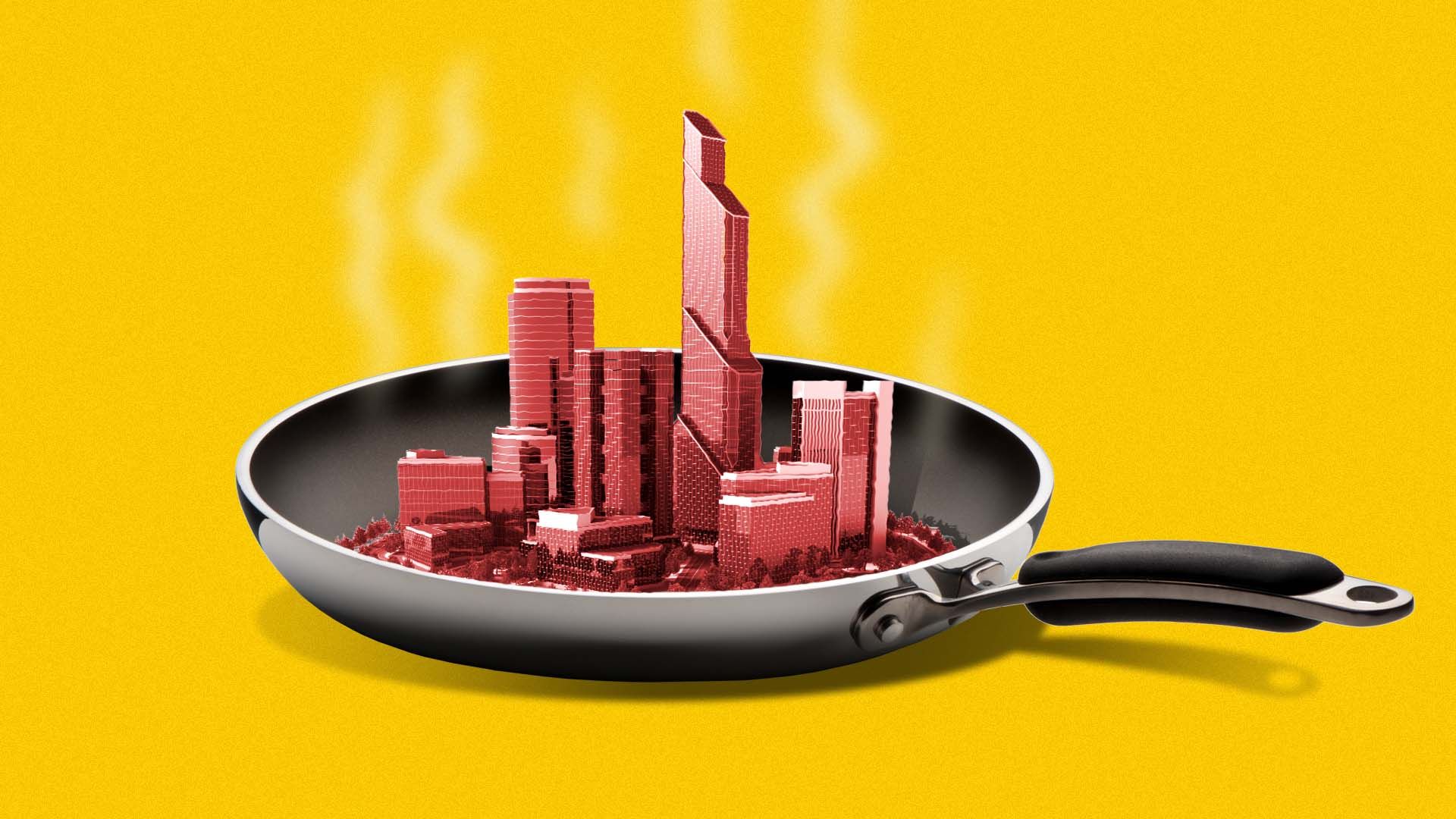
Most U.S. cities are at risk of experiencing extreme heat thanks to the "urban heat island effect" that's causing cities to warm as much as 50% faster than the rest of the country.
Why it matters: July was the hottest month ever recorded globally, and it was especially brutal for major metros.