The federal government’s top auto-safety regulator has conducted sharply fewer defect investigations in recent years, but newly released documents involving Tesla's Autopilot suggest the National Highway Traffic Safety Administration may be getting more aggressive.
The big picture: Federal authorities leave it up to automakers to assess the safety of their vehicles, pushing for recalls only when a defect is detected. But as automated driving systems make their way into more vehicles, consumer advocates say increased federal oversight may be needed to ensure public safety.
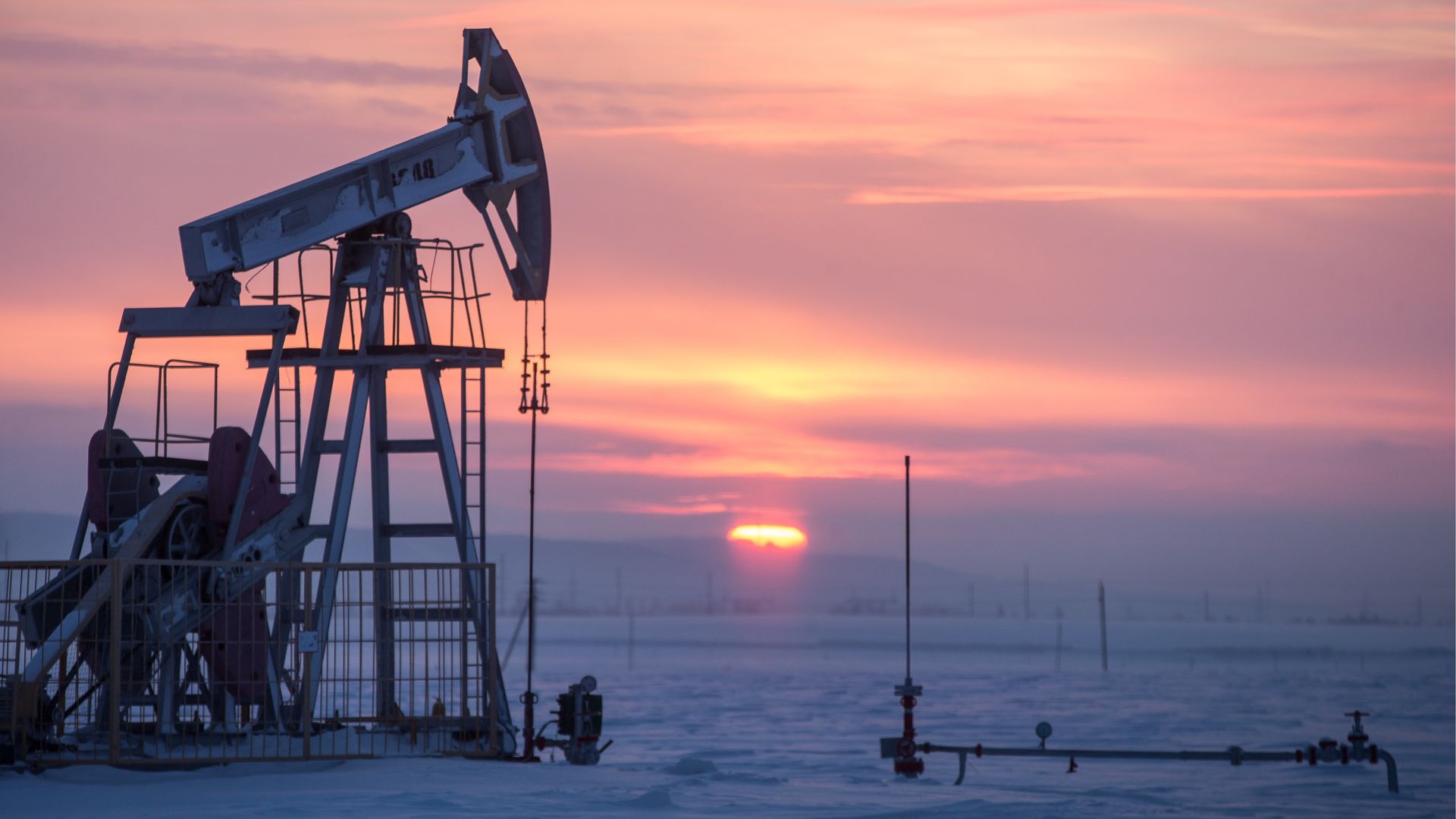
Global oil demand growth from January through May was the slowest for that period since 2008, and the "situation is becoming even more uncertain" as the U.S.-China trade fight heats up, the International Energy Agency said Friday.
Why it matters: Its closely-watched monthly report provides fresh evidence of how the global economic slowdown is weighing on oil markets. Prices are at their lowest levels since January, despite tensions in the Middle East that typically put upward pressure on the market. "Economic woes hold sway over geopolitics," it said.
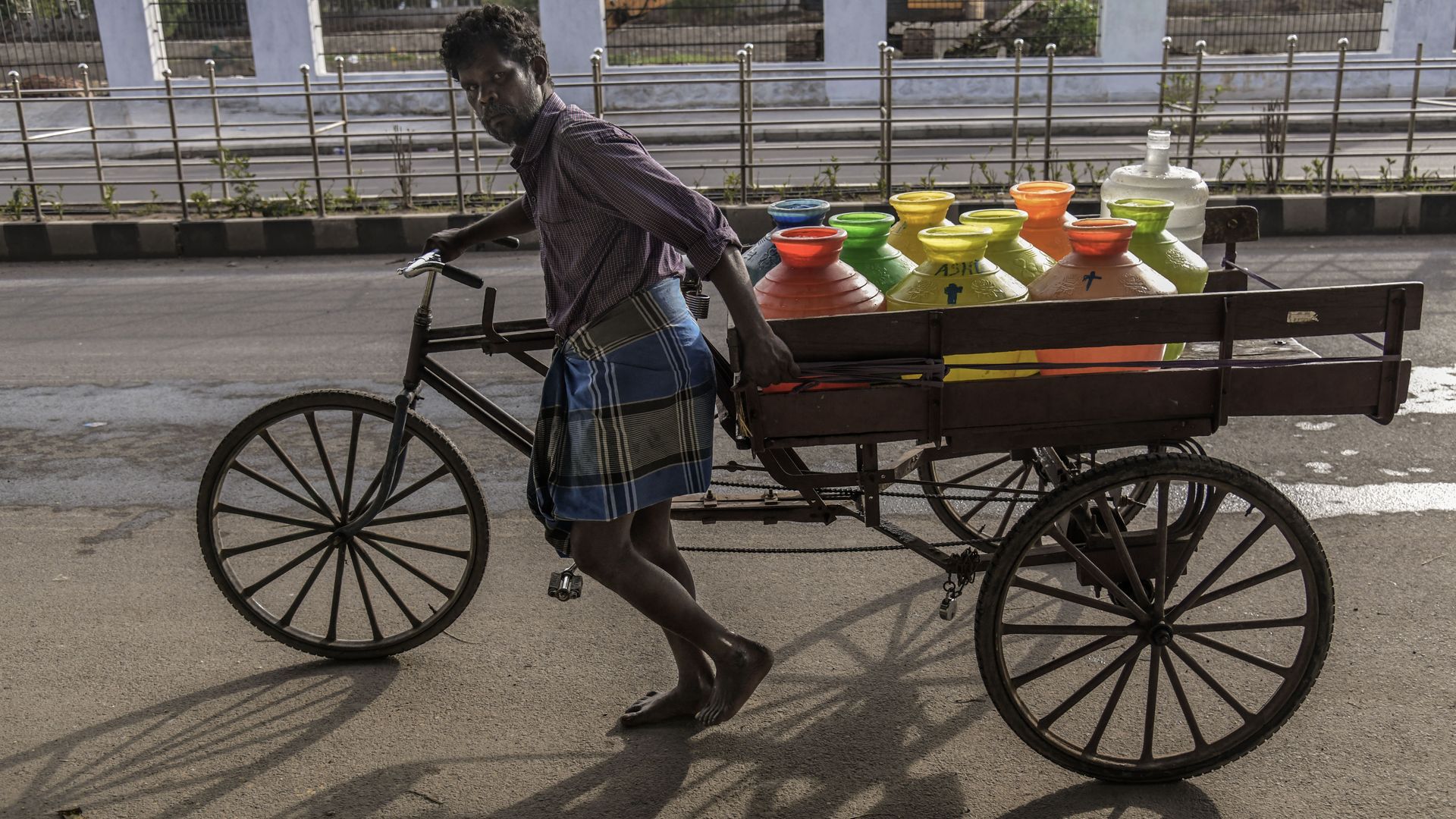
A dangerous combination of hot and dry weather, poor water management and rising demand is leaving cities such as Chennai, India, and Harare, Zimbabwe, without water for days on end.
The big picture: The pressures on municipal water supplies are likely to worsen with the effects of climate change. Cape Town, South Africa, narrowly averted its "Day Zero" last year, but cities in 17 other countries classified as high stress could soon face their own water crises.
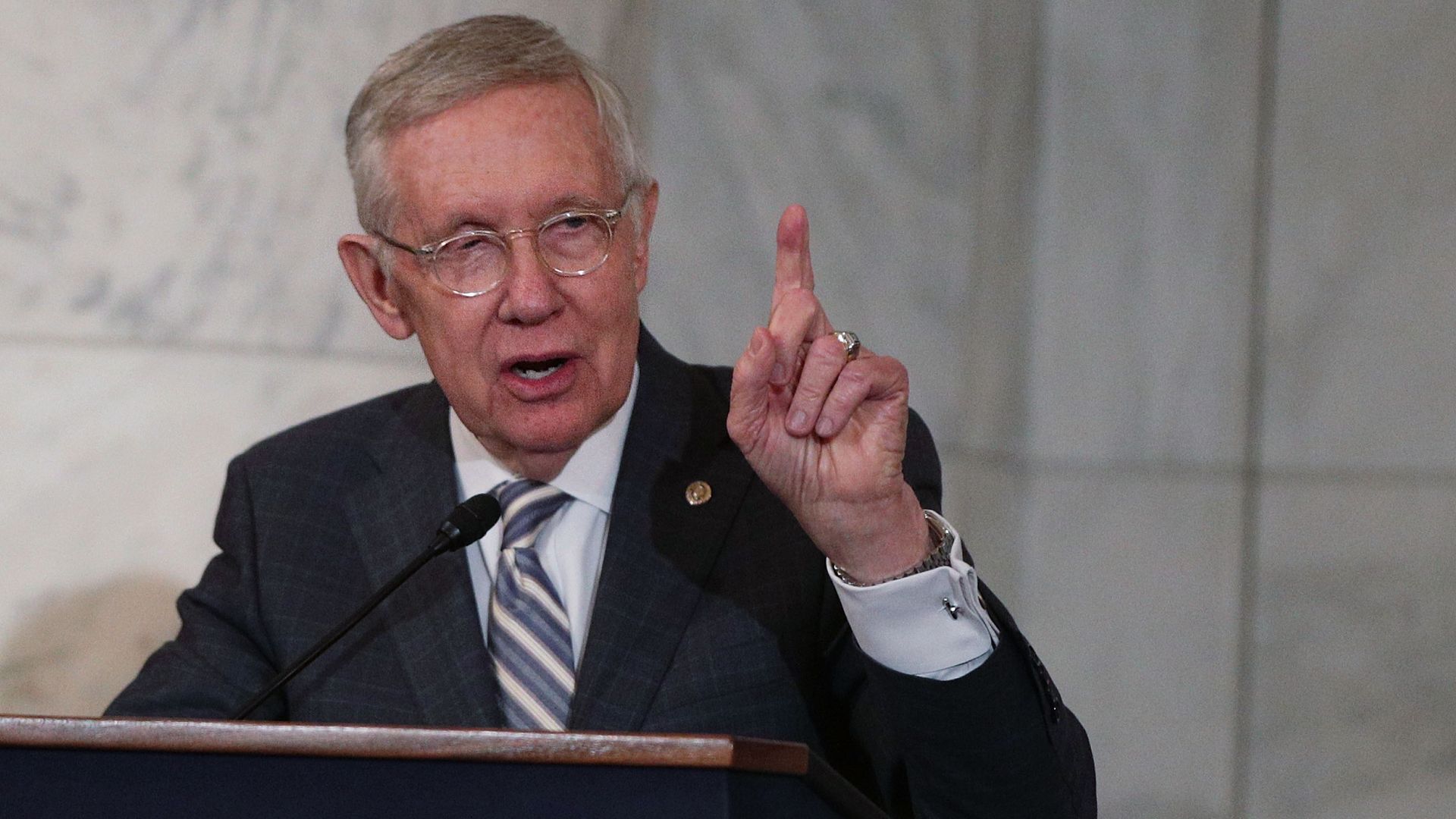
Former Senate Majority Leader Harry Reid told The Daily Beast that Democrats should kill the filibuster to pass climate change legislation if they take control of the Senate in 2020.
"[T]he No. 1 priority is climate change. There’s nothing that affects my children, grandchildren, and their children, right now, more than climate."
Human influence on lands is a major contributor to climate change — and climate change, in turn, is harming ecosystems and threatening food security, a major United Nations report finds.
Why it matters: While cutting fossil fuel emissions is vital, Thursday's report shows how the uphill battle to meet the Paris agreement's temperature goals requires focus on land use, too.