Tesla narrowed its net loss to $408 million in the second quarter, as the electric carmaker offset lower vehicle margins with cost reductions, but managed to set a record for quarterly deliveries.
Why it matters: Though an improvement over losses a year ago and last quarter, the Silicon Valley company missed analysts’ predictions of an adjusted loss of 35-cents a share — instead losing $1.12 per share — sending Tesla shares down more than 8% in after-hours trading on Wednesday.
Top Democrats on the House Energy and Commerce Committee are drafting a climate bill — or bills — that would bring the country to net-zero carbon emissions by 2050.
The big picture: Chairman Frank Pallone (D-N.J.) yesterday said the aim is to have the legislation written by the end of this year, and the panel is launching a stakeholder process and hearings.
There could be a "supply crunch" for cobalt, lithium, and nickel used in batteries for electric vehicles and other applications as soon as the mid-2020s, the consultancy Wood Mackenzie said Wednesday.
The big picture: The chart above shows their projections of demand for materials used in EVs but also batteries needed for consumer electronics and energy storage.
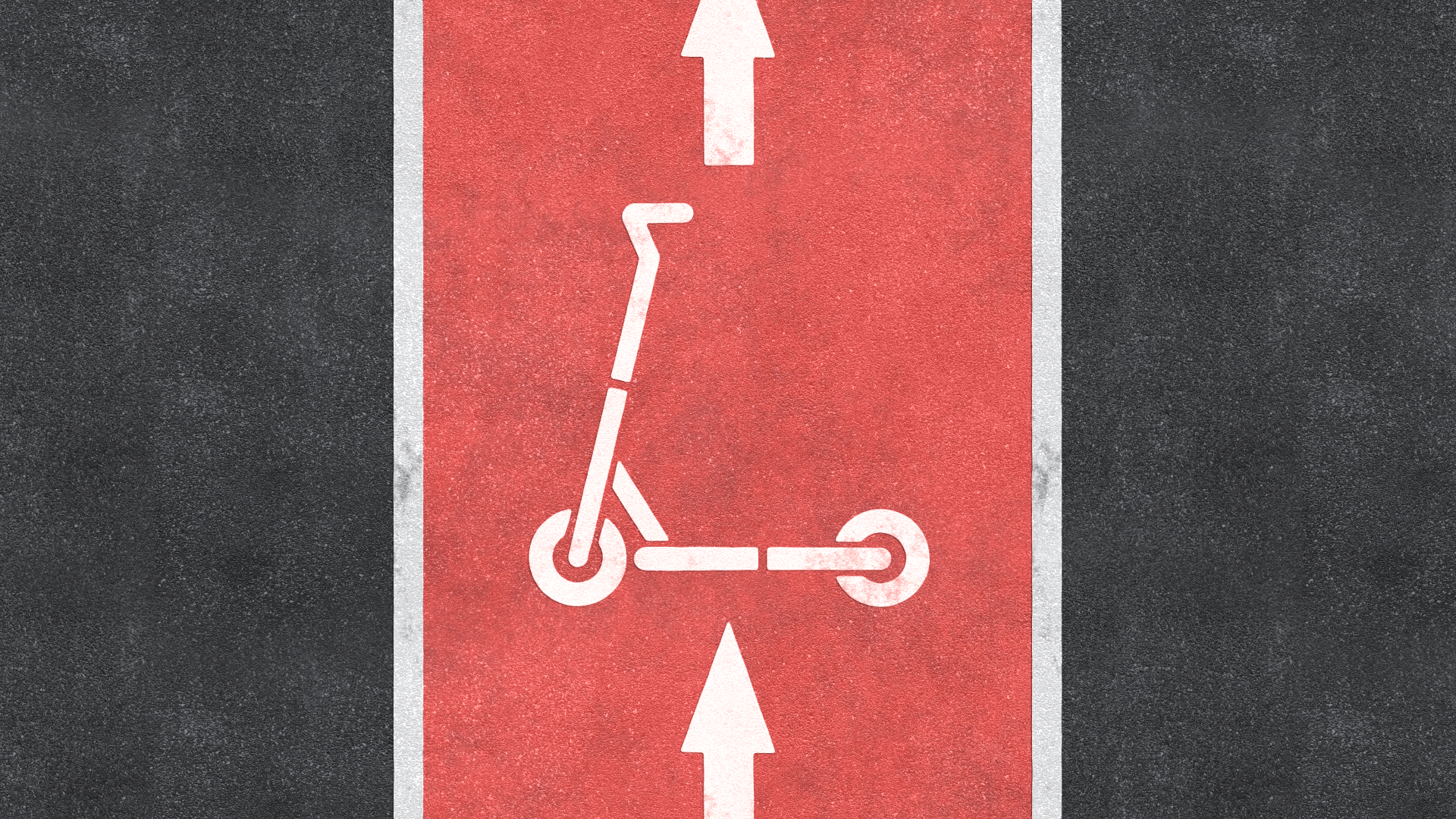
Electric scooters have already landed dozens of riders in the hospital in less than two years since they appeared on city streets—but are they more dangerous than other modes of transportation like bicycles?
The bottom line: The answer is both yes and no, according to experts. While their characteristics differ, scooters and bikes share the same huge challenge — operating in an environment that's not built for them.
Climate protesters from the activist group Extinction Rebellion caused disruption to lawmakers Tuesday when they glued themselves to sites around Capitol Hill.
Details: The group said 13 activists had been arrested after they had superglued themselves to the tunnel connecting the House to the Capitol building "so that lawmakers are forced to face up to the climate crisis." Rep. Jim Banks (R-Ind.), who filmed the protest as he went to meet with staff, called the action "a futile effort."
On Nov. 8, the Federal Reserve Bank of San Francisco — seated in a place that has seen its share of catastrophes linked to global warming — will host what is believed to be the central bank's first research conference specifically on climate change.
Why it matters: Climate change poses systemic risks to the soundness of the U.S. banking system, and the Fed is signaling its appetite to learn more. The conference — together with an invitation to submit related research papers — comes at a time when the Fed is increasingly facing pressure to follow other central banks in considering the threats that global warming poses to the economy.
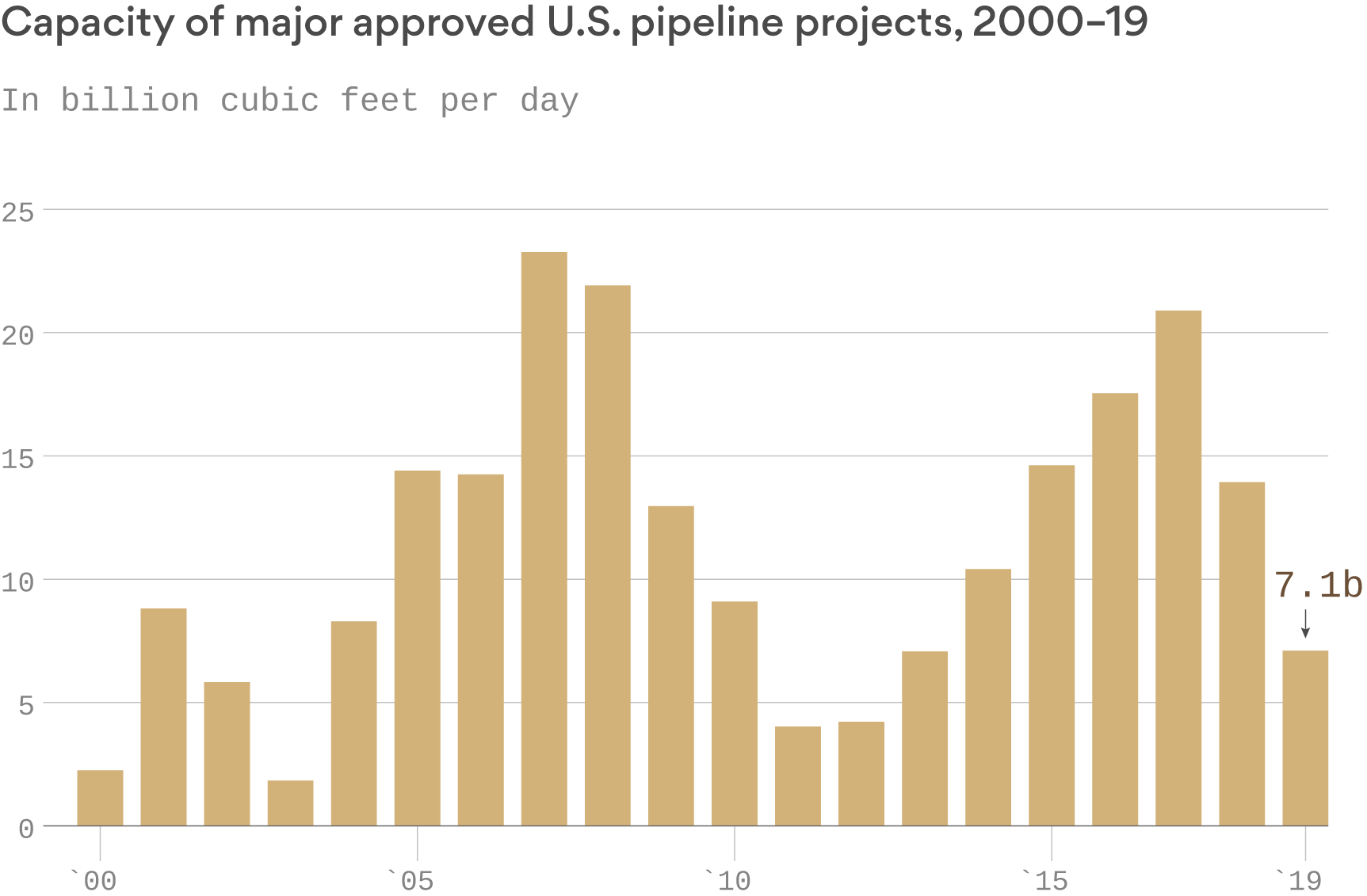
Environmental opposition to natural gas pipelines has grown significantly over the last decade, but the impact on actual federal approvals of such projects is limited.
Driving the news: The chart above, via the Federal Energy Regulatory Commission, shows annual approvals of natural gas pipeline capacity over the past couple of decades. These approvals ebb and flow with fuel prices and other cyclical parts of the energy business.

Nascent tech that pulls CO2 from the atmosphere could "significantly" reduce the costs of fighting climate change, but achieving scale is hardly a sure thing and massive deployment would consume lots of energy, a new peer-reviewed study warns.
Why it matters: The paper in Nature Communications arrives amid increasing attention to direct air capture (DAC) and other negative emissions technologies. They're important because it looks pretty unlikely that nations will cut emissions enough to meet the goals of the Paris climate deal.