Alaska's recent heat wave has been grabbing headlines, and rightly so: The state has been hotter than parts of the contiguous U.S. during June and July.
Driving the news: Anchorage hit 90°F for the first time ever, and the heat plus summer thunderstorms have triggered massive wildfires across the state. An area greater than Rhode Island has burned in just the past 11 days.
Activist investors have seized control of EQT, the largest U.S. natural gas producer, following an overwhelming shareholder vote that resulted in changes of CEO, chairman, general counsel and 7 of the company's 12 board seats.
Why it matters: Because this is as much about the fiscal viability of shale fracking as it is about Pittsburgh-based EQT, with new management basing most of its argument on using tech to improve drilling efficiency.
Global investment in renewables and other low-carbon energy development fell 14% in the first half of 2019 compared to the same period last year, thanks largely to a steep decline in China, new data shows.
Why it matters: It marked the lowest level for any half-year since 2013, according to BloombergNEF, the consultancy that carefully tracks investment in low-carbon energy projects and companies.
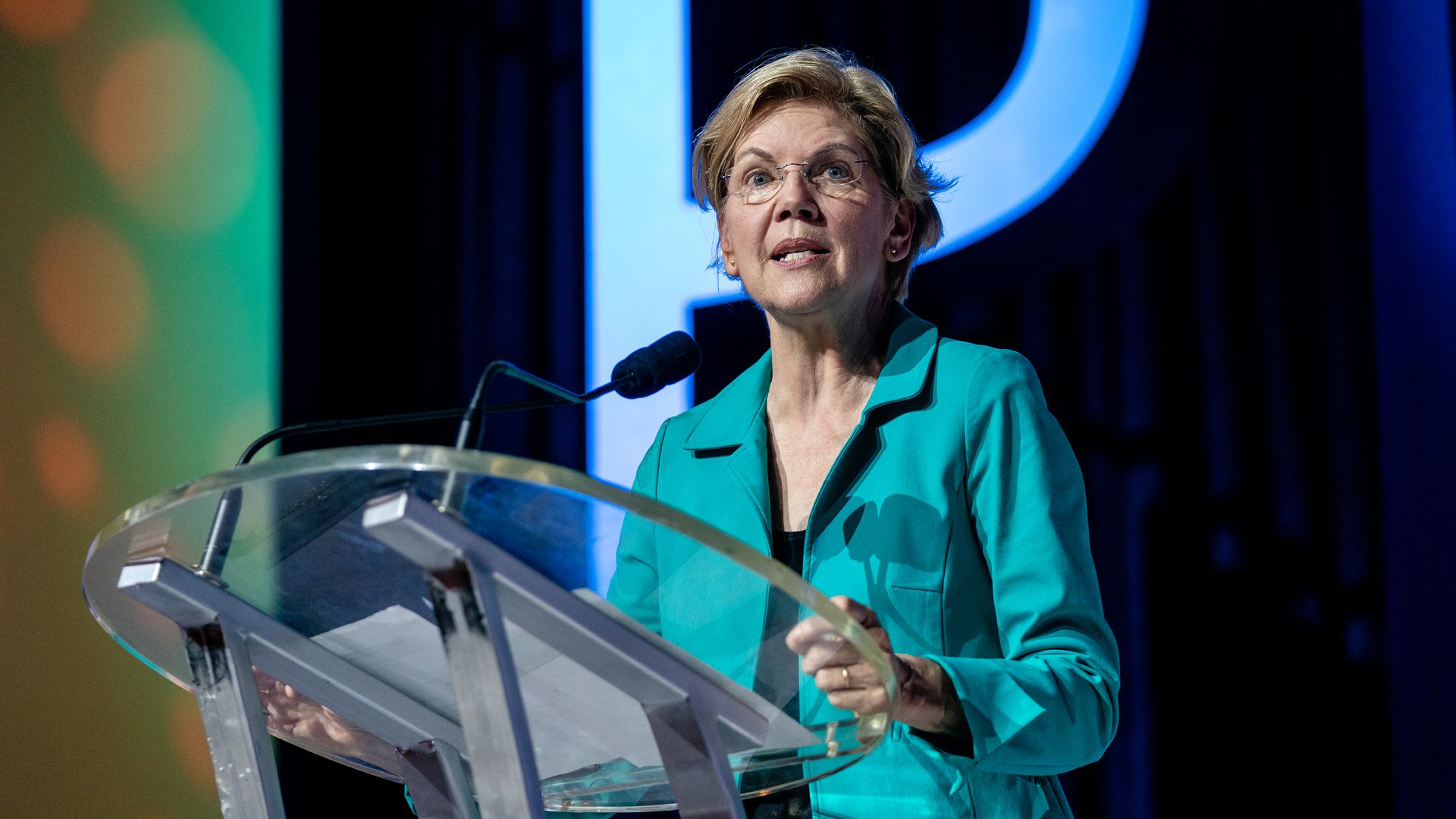
2020 Democratic contender Sen. Elizabeth Warren is reviving her push to require detailed disclosures from publicly traded companies about climate change.
Why it matters: It's part of the push by Warren, one of the top-tier Democratic candidates, for much stronger financial regulation to reshape markets in a way that she says would provide greater public benefit.
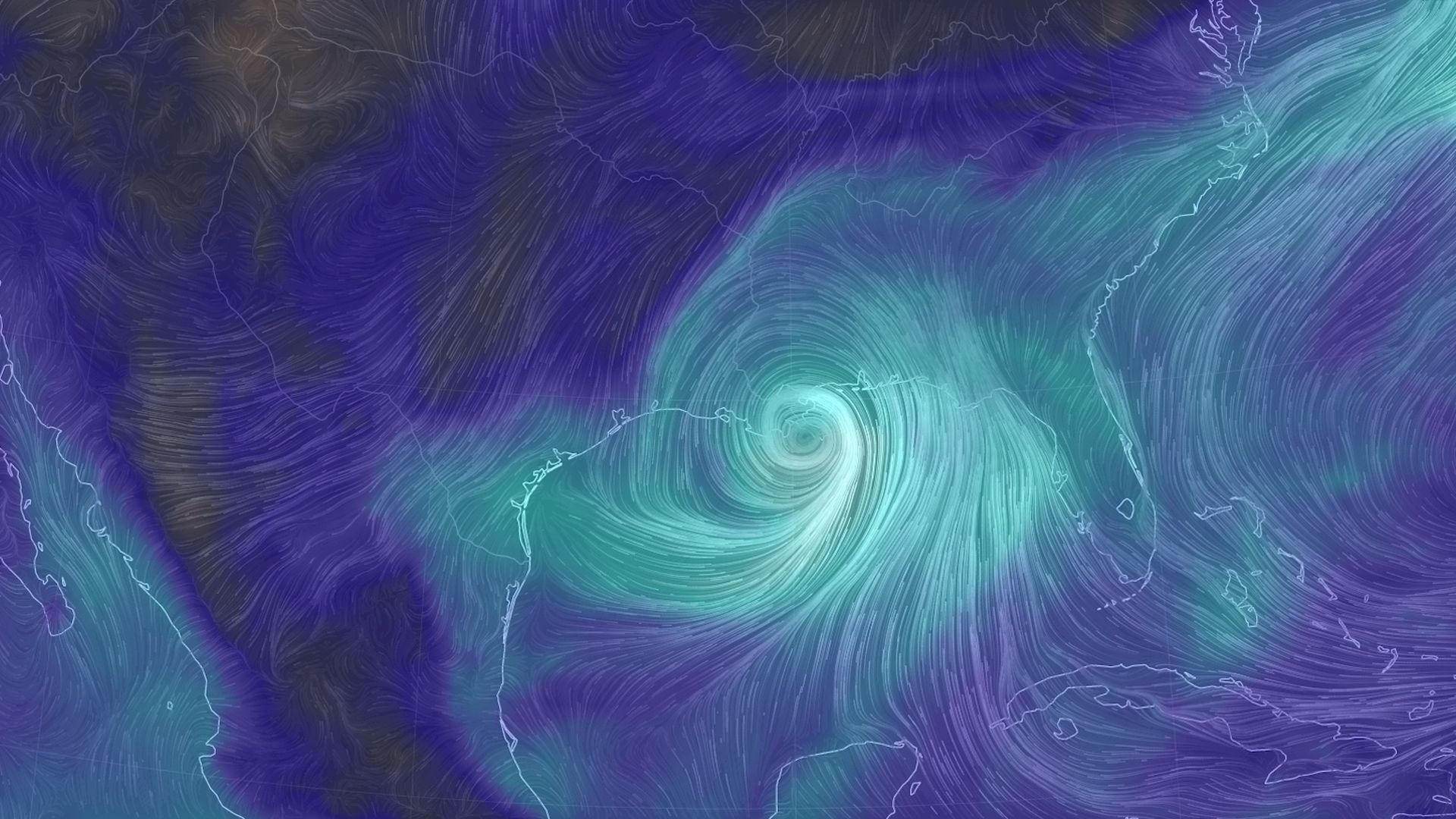
A developing storm in the north-central Gulf of Mexico, which is expected to become a hurricane by Saturday, threatens to unleash one of the worst flood events in New Orleans' history this weekend.
The big picture: Because the storm, to be named Barry, is lumbering off the coast, it's pulling copious amounts of moisture from the warm waters of the Gulf of Mexico and is poised to direct it like a firehose at Louisiana and Mississippi. The Mississippi River is already so high in the New Orleans area that heavy rain plus a storm surge could overtop the cities' river levees for the first time, flooding large parts of the city.
State Department intelligence analyst Dr. Rod Schoonover has resigned after the White House blocked him from providing written testimony on climate change, the Wall Street Journal first reported Wednesday.
The big picture: Schoonover testified last month before the House Permanent Select Committee on Intelligence on climate change's effects on national security. But the White House refused to approve his written testimony for entry into the permanent Congressional record, according to the New York Times, which reviewed a June 4 email stating the testimony did not correspond with Trump administration views.
E&E News reports, "The proposed White House panel that would conduct an 'adversarial' review of climate science is dead for now, as President Trump grapples with negative perceptions of his environmental record at the outset of his reelection campaign."
Why it matters: The move suggests the White House isn't interested in a head-on attack on mainstream climate science before the election — even as the administration's dismantling of Obama-era emissions rules continues apace.
The conversation about climate change picked up steam in the 2020 election when billionaire Democratic activist and environmentalist Tom Steyer launched his White House run yesterday with an emphasis on climate change.
What he's saying: "Steyer's campaign will focus on solving two major crises — reforming our broken political system and saving our planet from the ravages of climate change," the announcement stated.






/2019/07/10/1562765659629.gif?w=3840)