New York City in 60 years could feel like Arkansas now, according to a study and accompanying interactive map published Tuesday in the journal Nature Communications.
The bottom line: According to the study, climate in urban areas across North America will change significantly by the 2080s, even if carbon emissions are lowered to optimistic levels. Cities in the northeast will be warmer and wetter in all seasons by 2080, while western cities are expected to become similar to the Southwest.
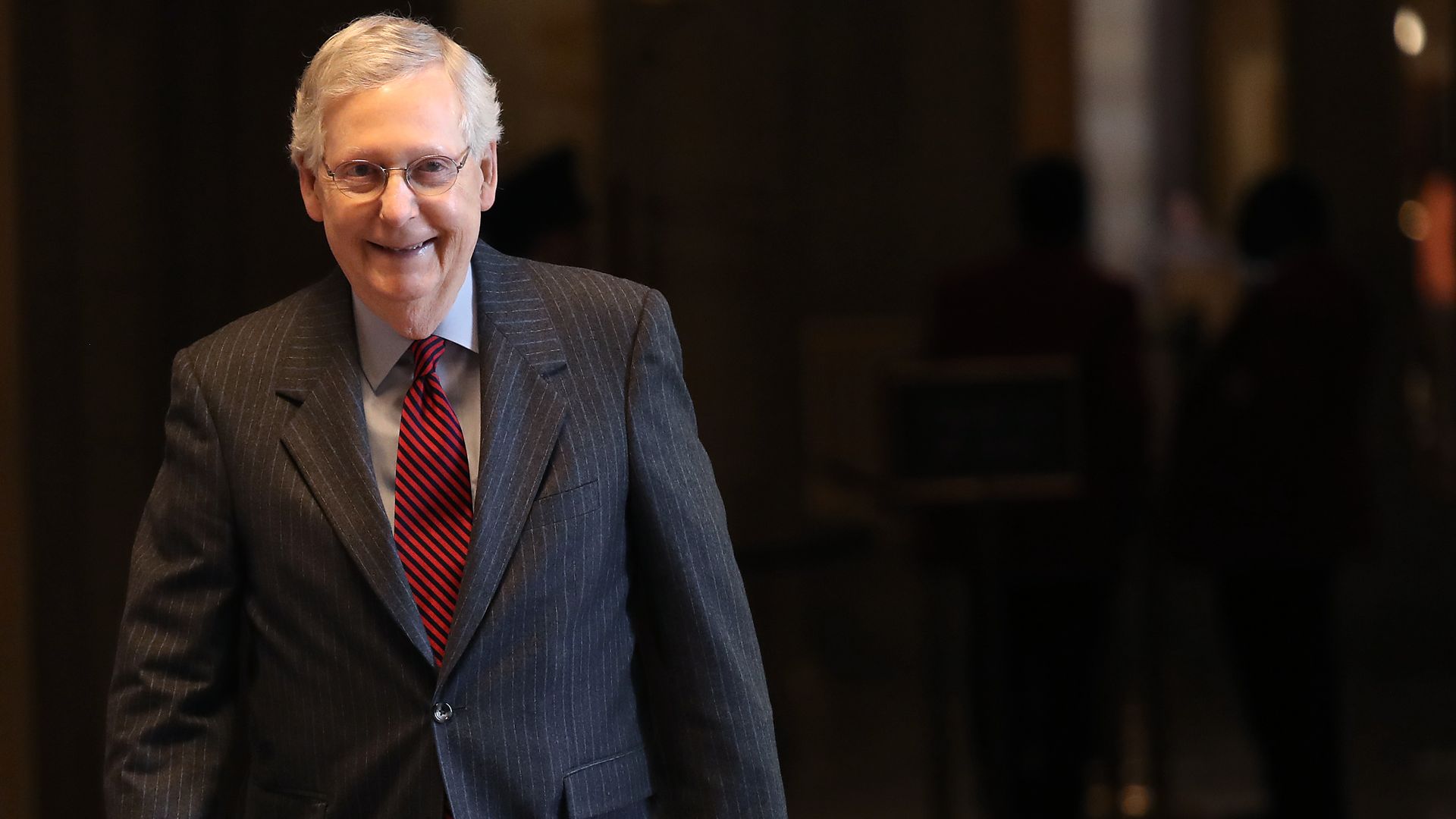
Senate Majority Leader Mitch McConnell told reporters Tuesday that the Senate would hold an upcoming vote on the Green New Deal resolution introduced last week by Rep. Alexandria Ocasio-Cortez (D-N.Y.) and Sen. Ed Markey (D-Mass.), saying he wants "to see how [Senate Democrats] feel about the Green New Deal."
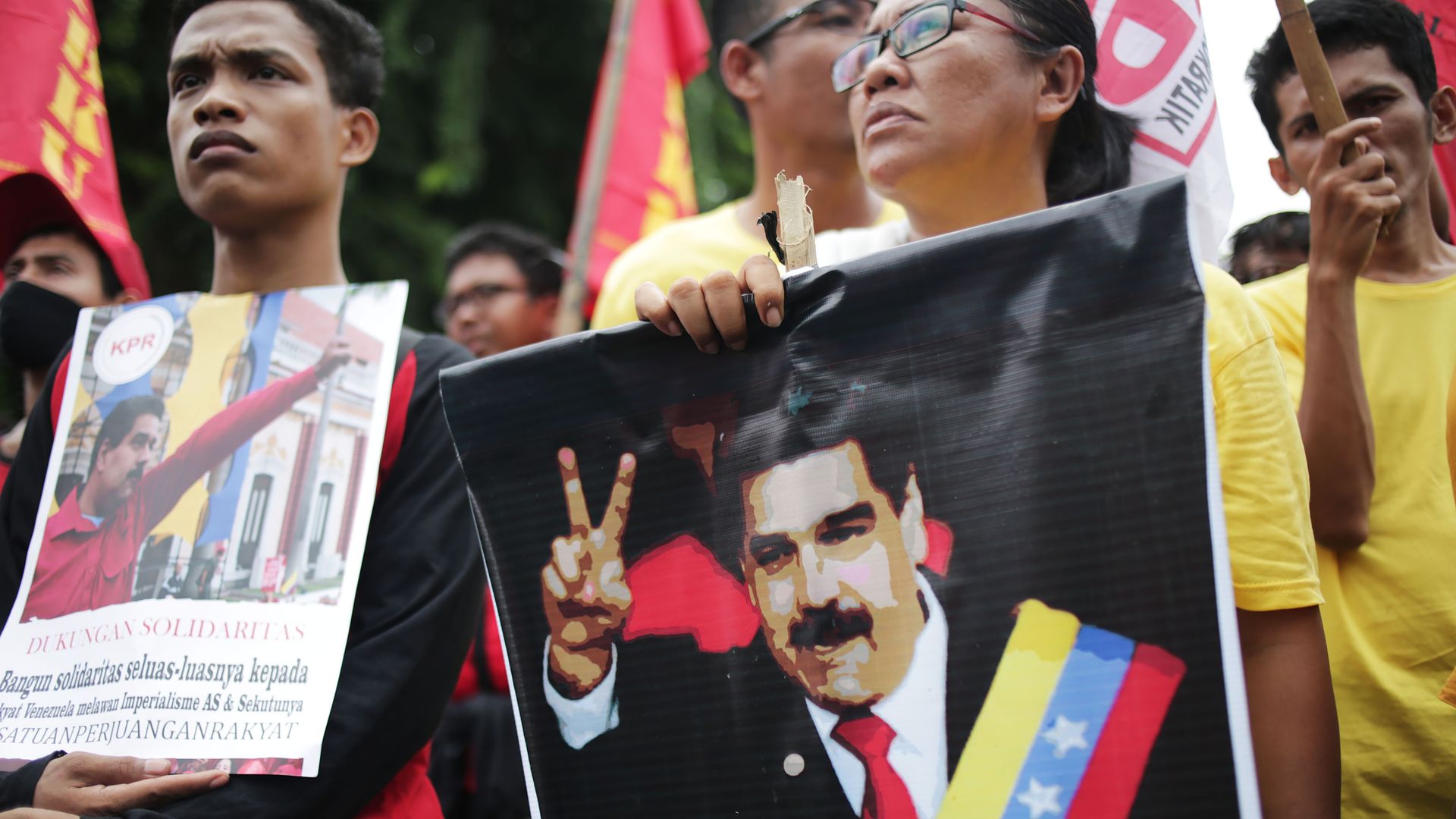
Things could get a lot worse before they get better for Venezuela's oil sector, according to a new analysis from the consultancy Rystad Energy. But needless to say, the political outcome there matters a lot.
What they found: In their "base" case, production falls from 1.34 million barrels per day at the end of 2018 to 1 million this year, then drops further to 890,000 barrels per day next year.
Residential geothermal company Dandelion Energy has raised $16 million in series A funding from backers including Google's VC arm and big homebuilding player Lennar Corp., bringing total funding to $23 million.
Why it matters: The New York-based company, which spun out of Alphabet's R&D arm in 2017, said the cash will allow new R&D, the opening of new warehouses, and personnel additions.
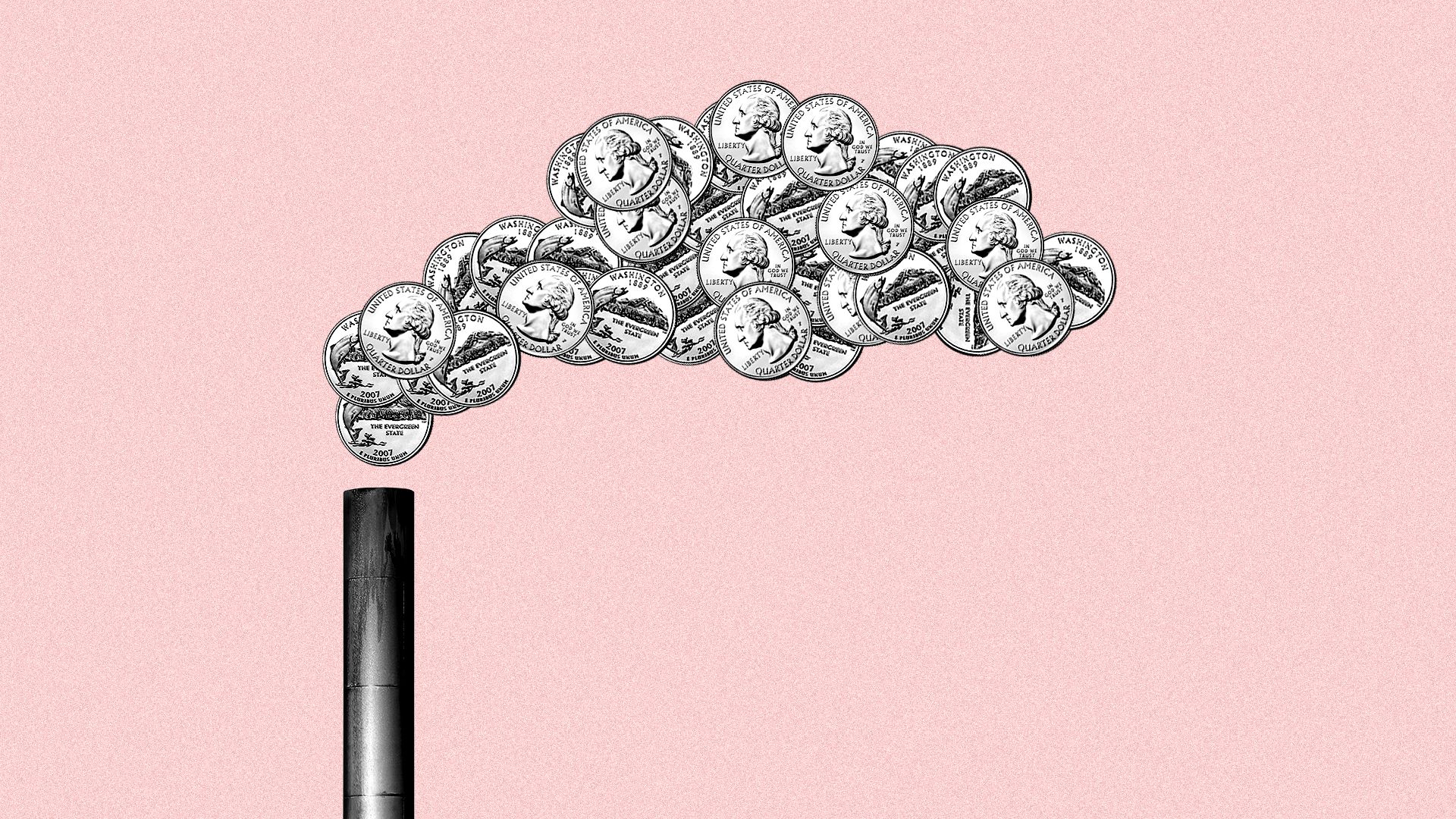
One of the biggest concerns about the use of technology to capture carbon dioxide emissions is that it would displace renewable energy and deepen dependence on fossil fuels, but a new report out today suggests that’s largely unlikely to happen.
Driving the news: The report by environmental group Clean Air Task Force finds that a federal tax credit that Congress expanded last year for carbon-capture technologies doesn’t displace any electricity from renewable energy while maintaining an impactful reduction of emissions.
The sweeping ambition of the Green New Deal (GND) has raised questions about how it will be paid for. But it’s important to consider how its potential outlays might intersect with investments that will need to be made anyway to replace aging U.S. energy infrastructure.
The big picture: The U.S. already needs to increase its infrastructure investment by more than $3.8 trillion by 2040 in clean water, energy and electricity, transportation networks and telecommunications. The GND could offer a way for policymakers to direct the infrastructure repair and upgrading that already needs to be done in service of fighting climate change.
The new episode of the Columbia Energy Exchange podcast is a chat with Rhiana Gunn-Wright of New Consensus, a very young think tank that's influential in the Green New Deal movement.
Why it matters: The GND is dominating the conversation in climate policy and politics right now, and a number of top-tier Democratic White House hopefuls have signed on.
Progressive Democrats are pushing climate change to Washington’s front burner, and we’re here to break it down for you.
The big picture: Addressing climate change can mean very different things to very different people. Here's a visual roadmap to help you quickly understand what’s going on.