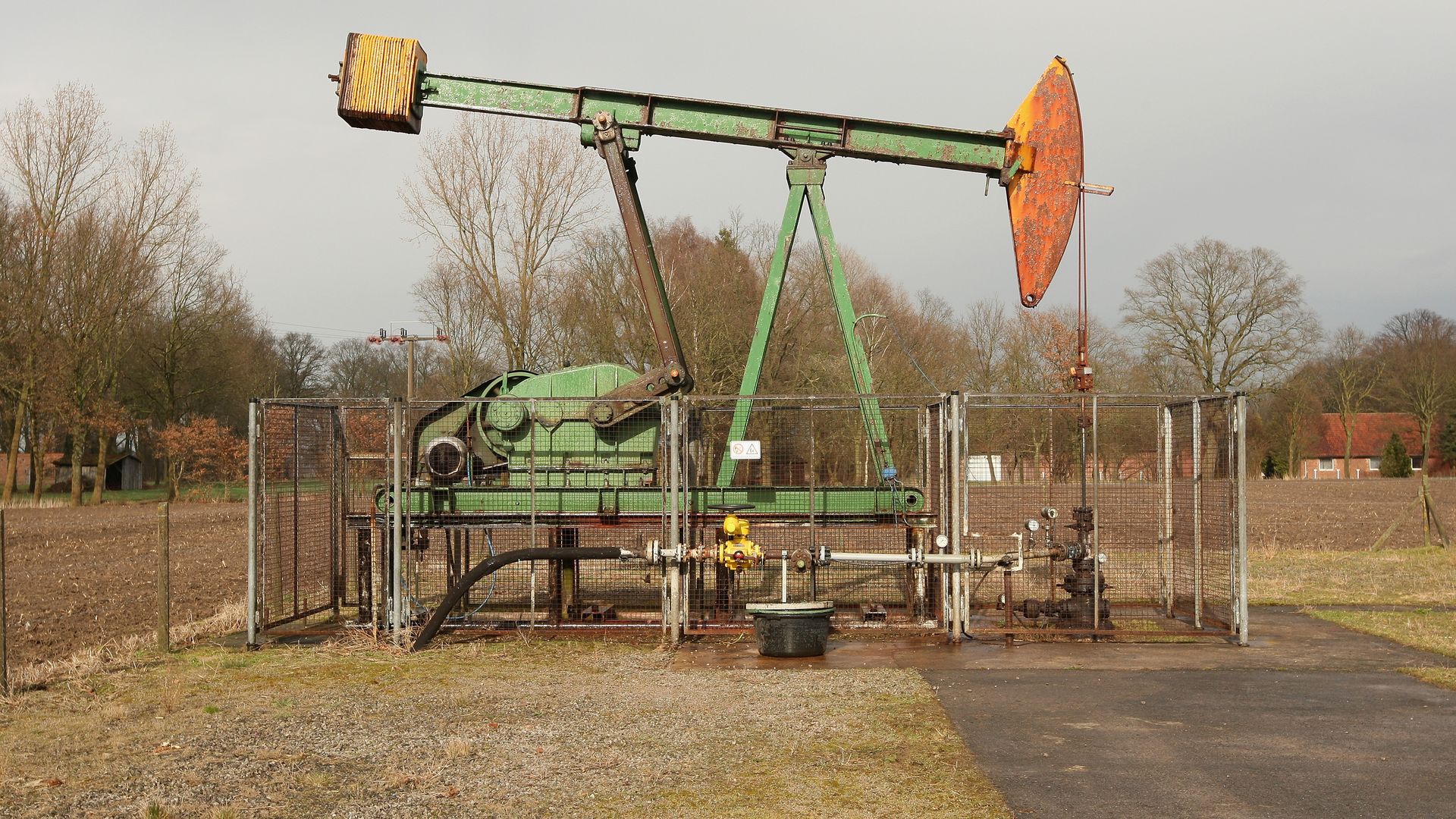
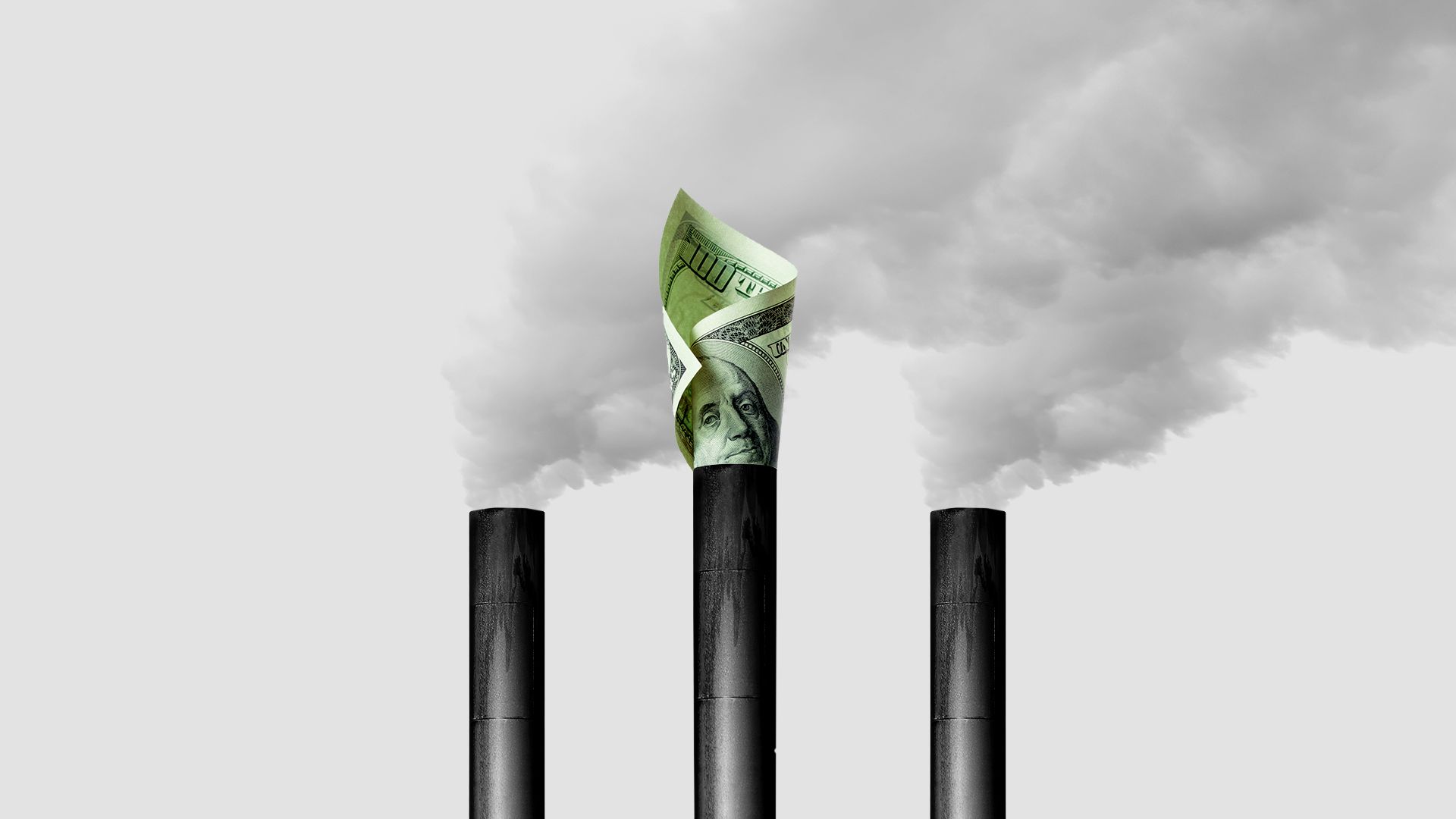
ExxonMobil Corp., the world’s biggest publicly traded oil company, is calling on the Environmental Protection Agency to regulate emissions of methane from all new and existing oil and gas wells across the country, according to a letter obtained by Axios.
The big picture: Methane, a potent greenhouse gas, is the primary component of natural gas and is sometimes purposefully or inadvertently leaked in the production and transport of the fuel, as well as when drilling for oil. The EPA has been slow in its approach toward rolling back Obama-era methane rules, in part due to industry divisions.
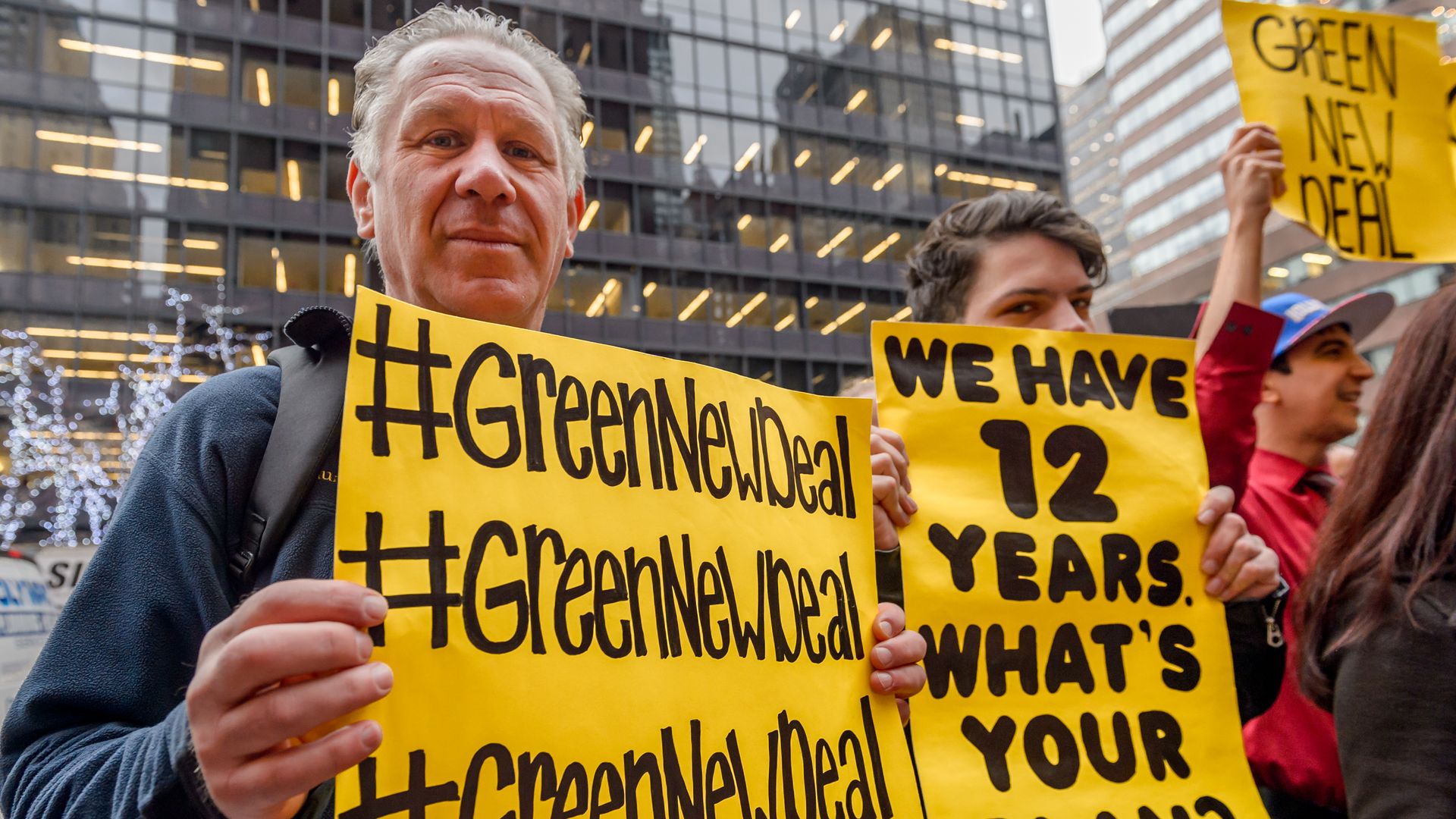
A survey from Yale and George Mason universities finds that respondents really like the "Green New Deal," a sweeping climate and economic proposal being pushed by a growing number of Democrats under the leadership of progressive newcomer Alexandria Ocasio-Cortez.
Details: 81% of registered voters either "strongly" or "somewhat" support these features of the deal: a move to 100% renewable power within 10 years, upgrades to grid and other infrastructure, and job training. This includes nearly two-thirds of Republican respondents.
The oil-and-gas industry has halted years of declining investments in exploration and it's paying off in the form of big conventional finds.
Where it stands: The consultancy Rystad Energy said in a note Monday that discoveries this year will total an estimated 9.4 billion barrels of oil-equivalent. It's the biggest year for exploration since 2015, they added. The total is dominated by offshore finds, including Exxon's string of big oil exploration hits off Guyana's coast.
Global demand for coal, the most carbon-emitting fuel, is slated to grow slightly over the next 5 years, according to a new International Energy Agency forecast.
Why it matters: The latest projection of coal's persistence in the global energy mix arrives on the heels of major scientific reports warning that worldwide emissions must start plummeting — and soon — to avoid potentially disastrous warming.
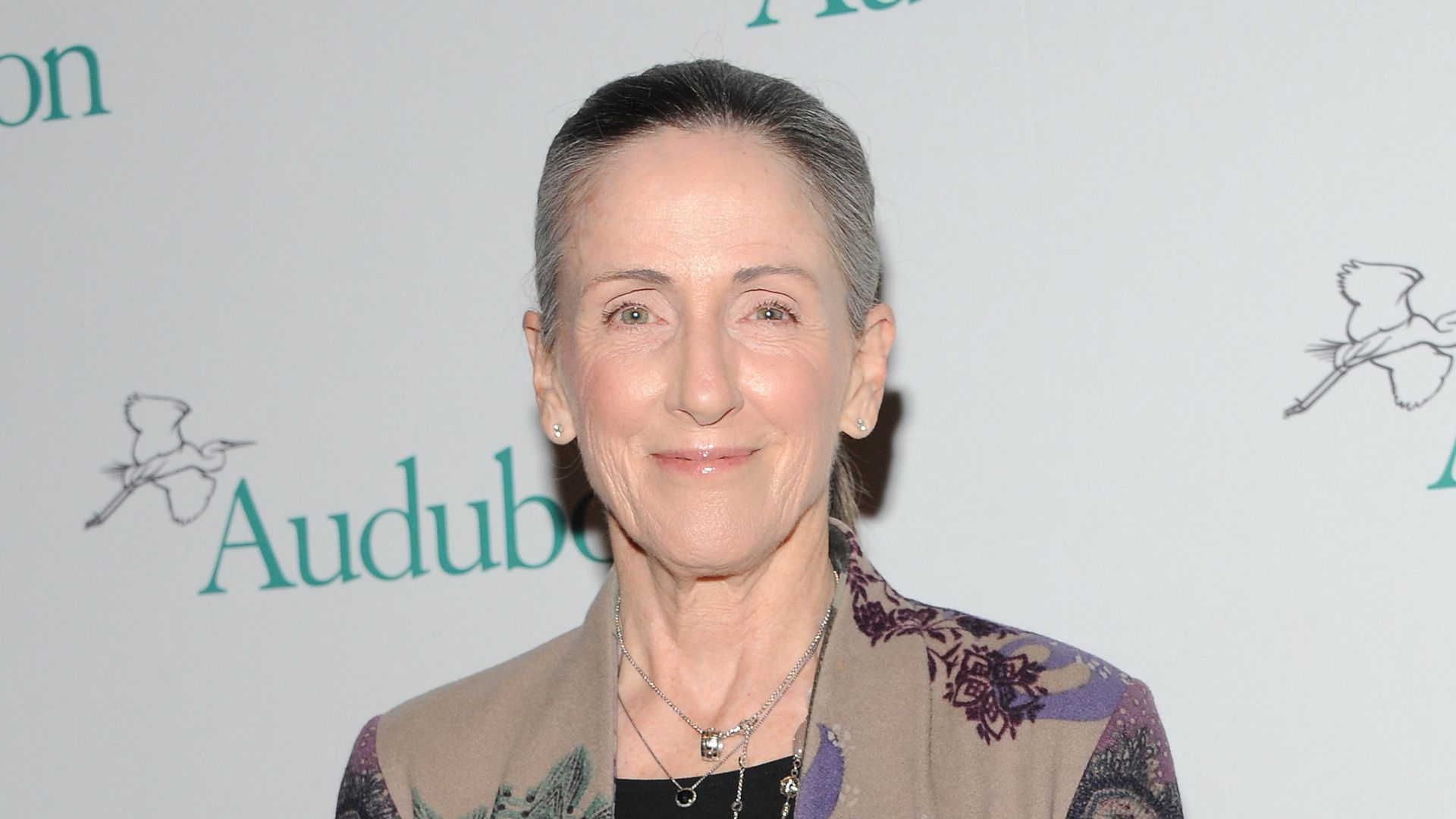
The prominent environmental policy veteran Carol Browner is joining Lime as an adviser as the dockless bike and scooter company ramps up its focus on sustainability and climate change.
Why it matters: Browner is a well-connected figure in green circles after heading the EPA under President Clinton and serving as the White House "climate czar" under President Obama. She arrives as the industry is making the case for its environmental bona fides and seeking to improve its initially rocky relationships with cities and other layers of government.
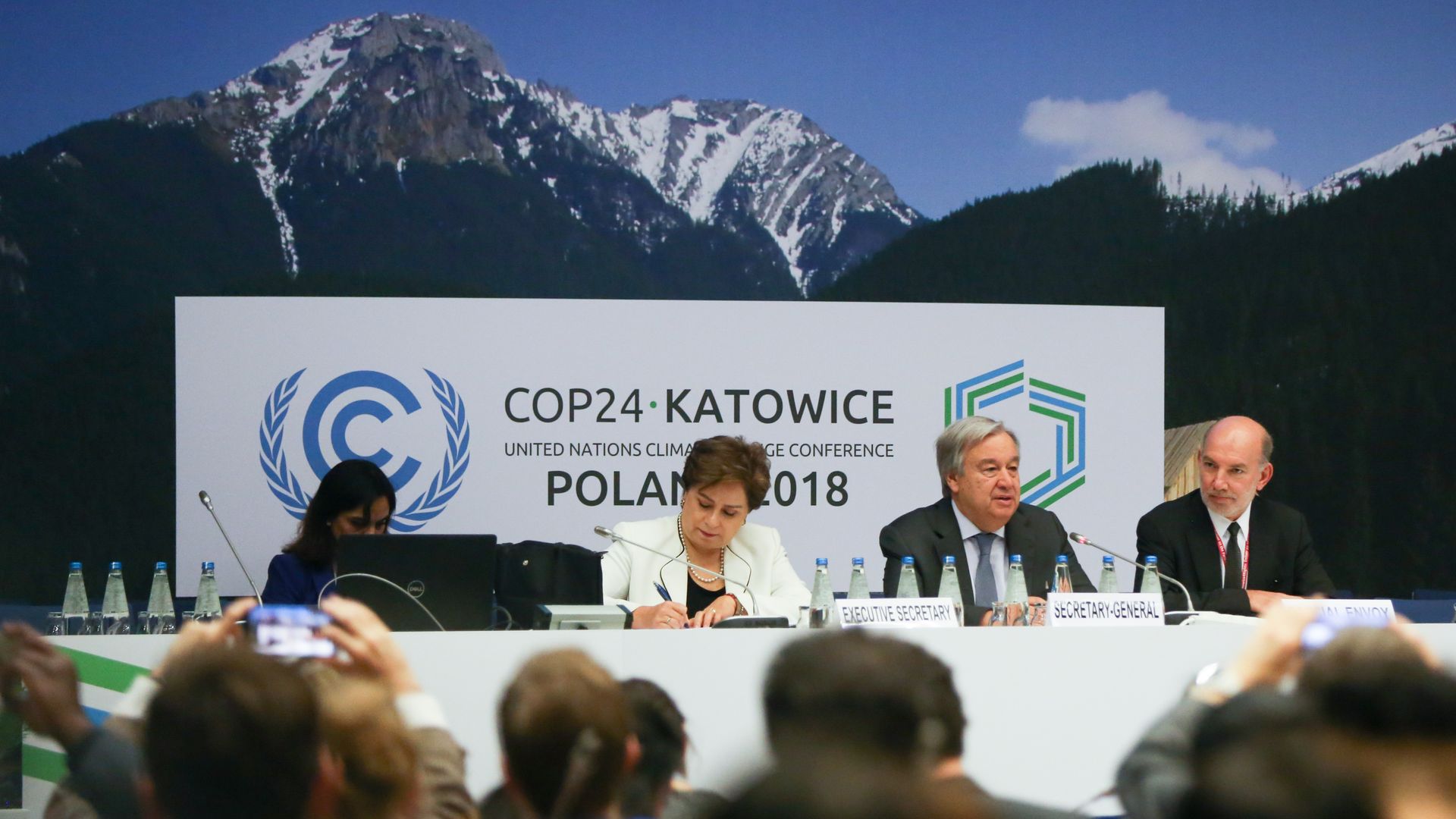
The Trump administration again used the UN’s annual climate change conference as a platform for its controversial advocacy for clean fossil fuel and nuclear technology as climate change solutions. Speakers at the Trump administration's event in Katowice argued that future coal plants should be built with advanced clean coal technology from the U.S., which includes carbon capture and storage (CCS).
The big picture: The U.S. has spent $56 billion on fossil fuel research and development from 1948 to 2018, including early support for hydraulic fracturing. The development of affordable clean coal technology could theoretically become another fracking-style game-changer, growing economies while cutting greenhouse emissions and making the U.S. and its European allies less dependent on fossil fuel imports.
In the latest sign of a global oil industry shifting on climate change, ConocoPhillips is now helping fund a multi-million dollar political advocacy campaign that'slobbying Congress for a tax on carbon emissions.
Why it matters: The move aligns the world’s largest independent oil and gas producer with ExxonMobil, the world’s biggest publicly traded oil company, which recently contributed $1 million. Given the industry’s deep-pocketed influence with Republicans, this backing increases the odds Congress could eventually back the controversial policy.