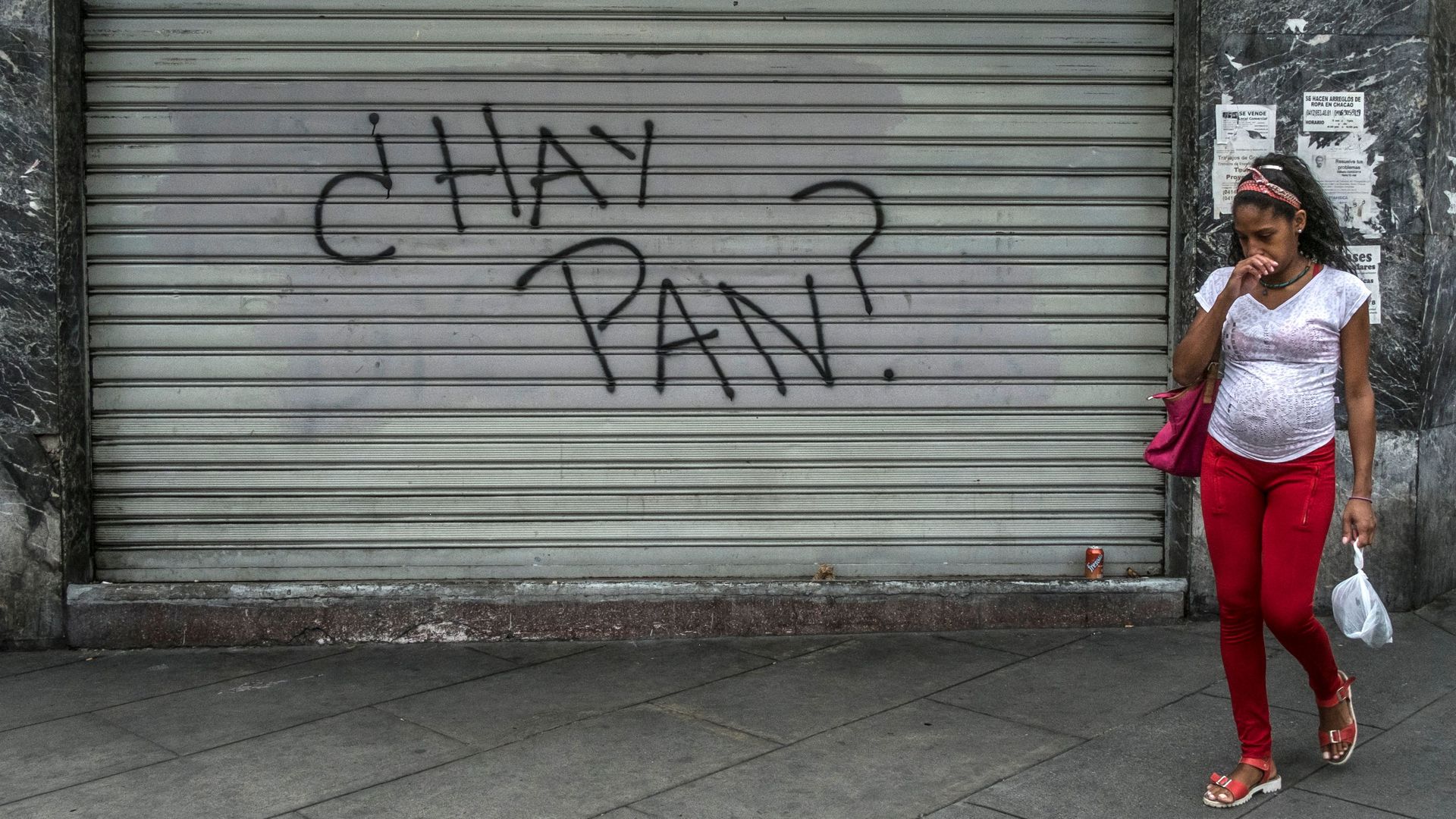
Inflation in Venezuela will reach a stratospheric 1,000,000% by year’s end and the economy will shrink by 18% this year, the IMF projected last week. That rivals economic calamities like Germany’s in 1923 or Zimbabwe’s in the late 2000s, according to the IMF’s Alejandro Werner.
The backstory: Formerly one of the richest countries in the Americas, sitting on perhaps the world’s largest oil reserves, Venezuela hasn’t been crippled by war or natural disasters — the catastrophe is manmade, Foreign Policy’s Keith Johnson writes:
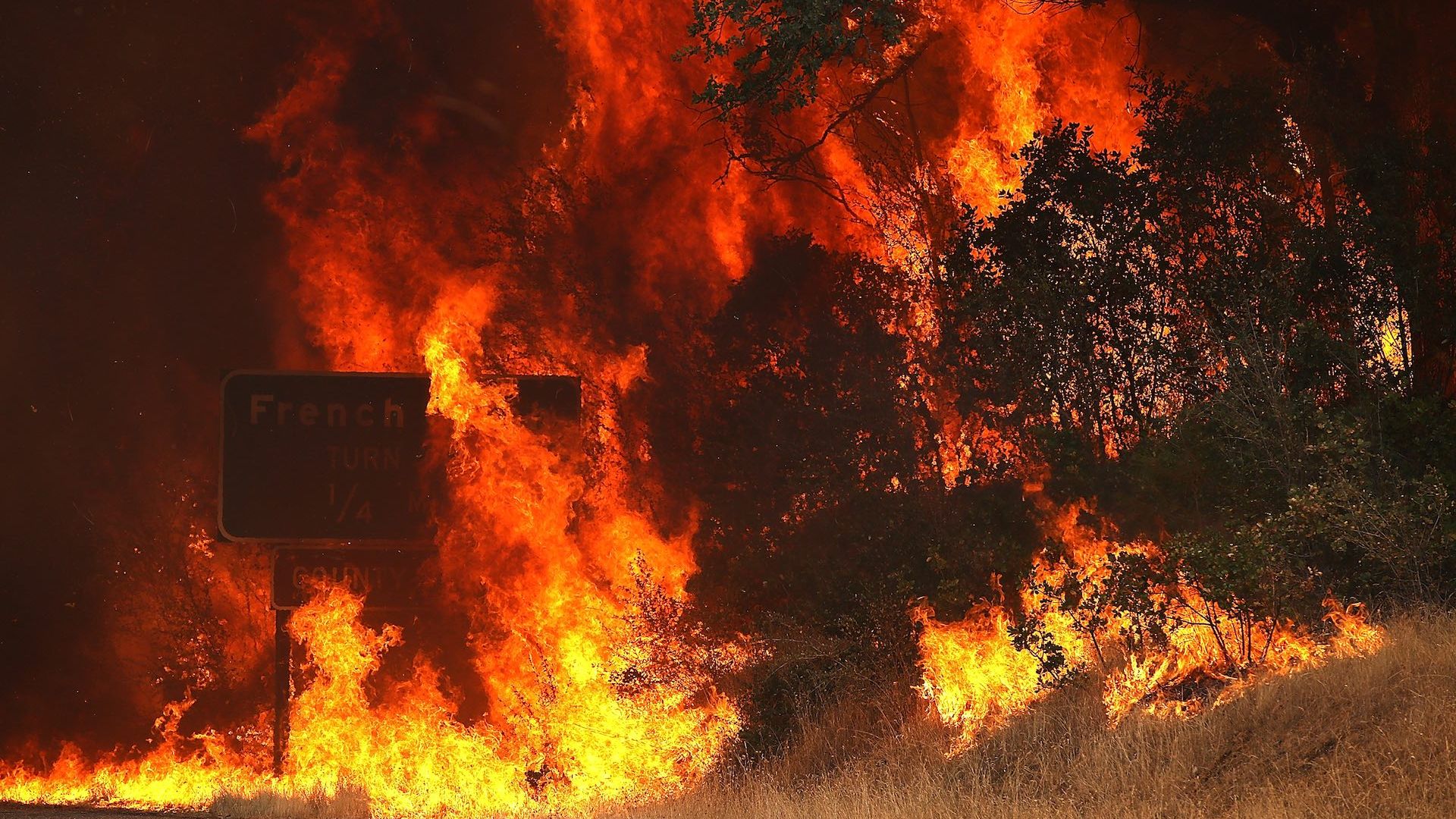
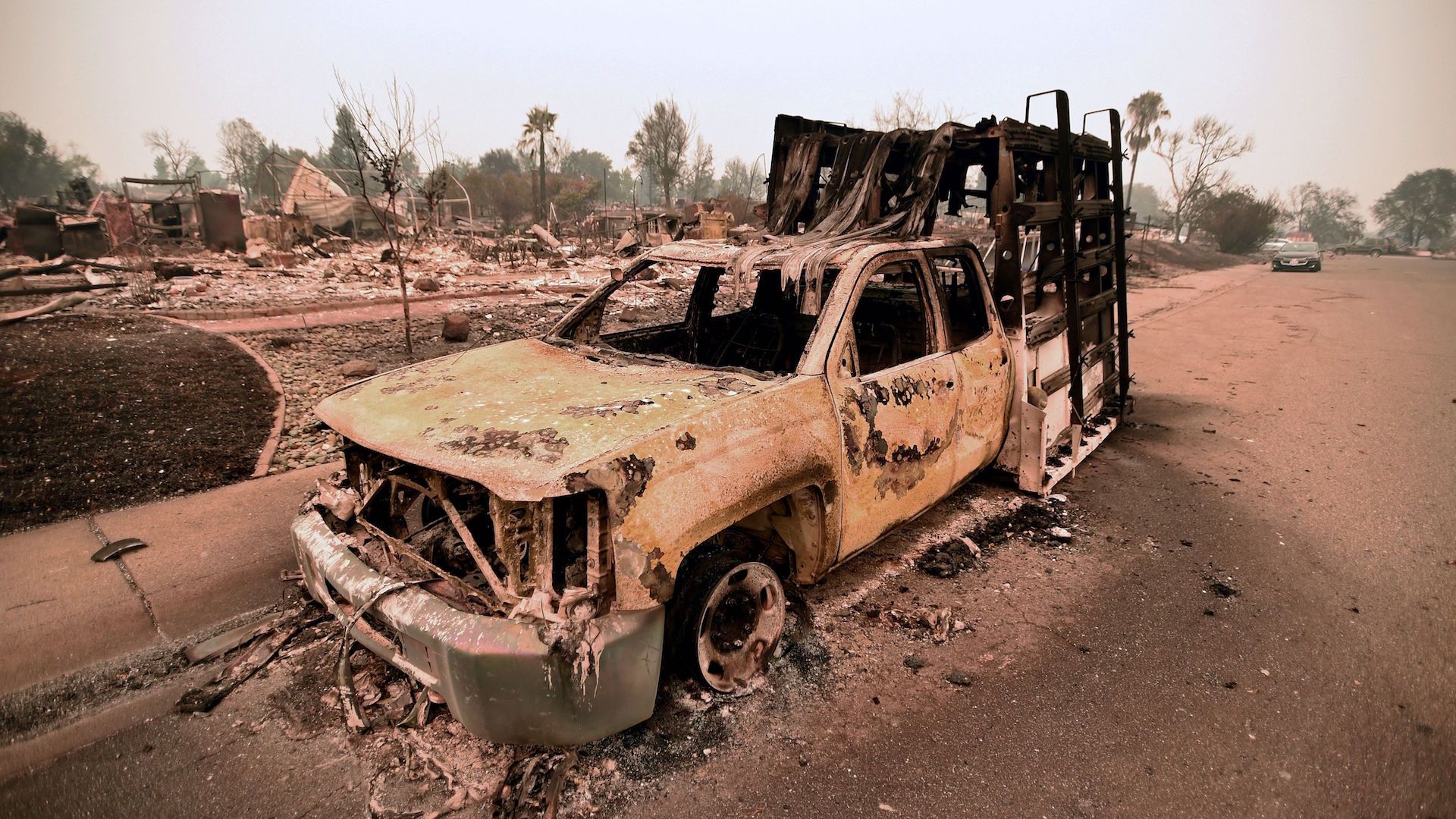
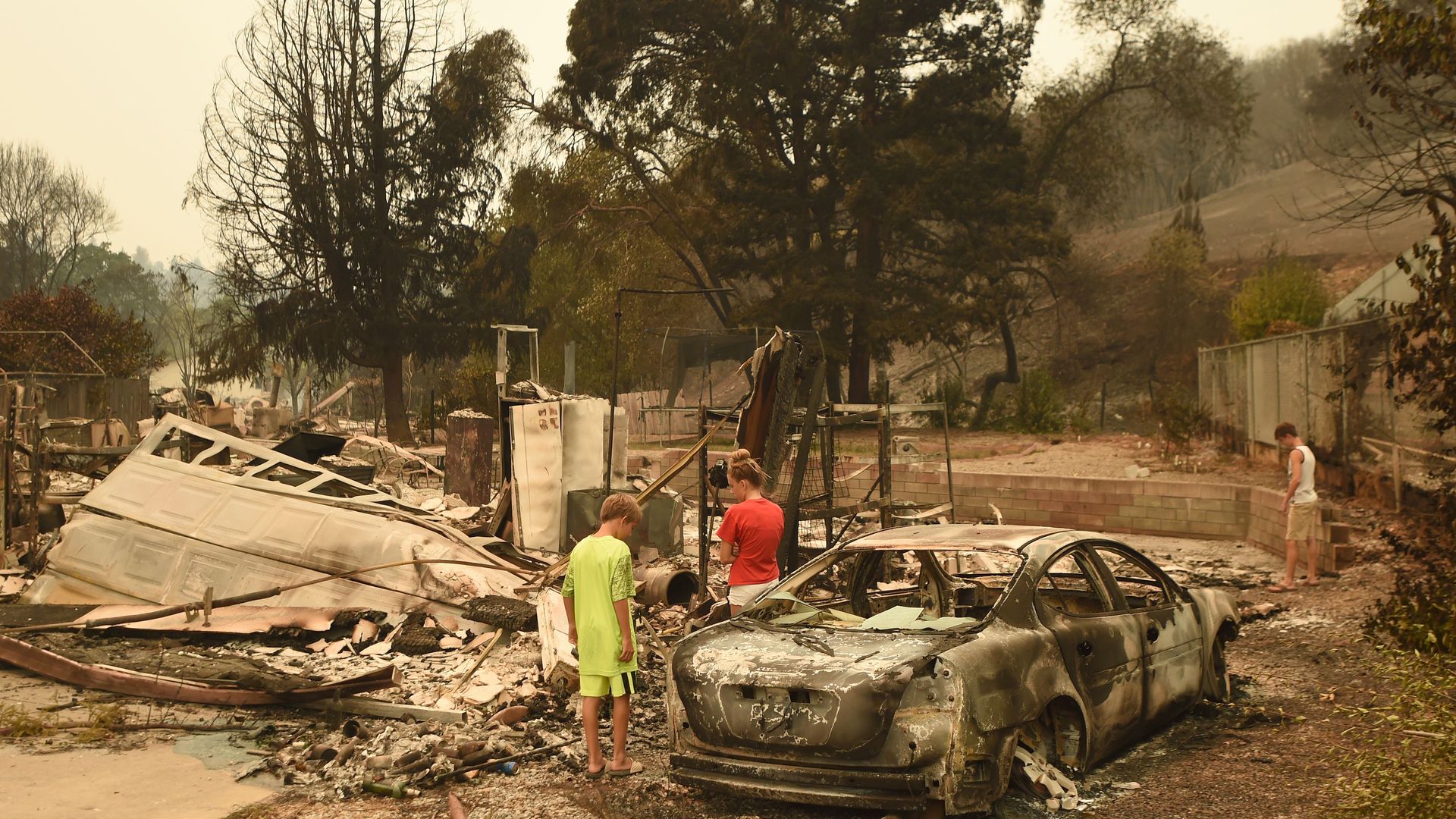
On July 27, the Carr Fire in California's Sacramento Valley transformed from a modest wildfire into a nightmarish, towering inferno, complete with a rotating smoke plume and roaring winds on its periphery. The fire manufactured its own weather as it exploded in size, took off down hills and across a major river, and became a killer as it entered the city of Redding, home to nearly 100,000.
Why this matters: What researchers learn about the fire's extreme behavior could save lives, as climate change makes fire conditions more volatile across the West.
More than a dozen wildfires are burning in California, with the death toll rising to eight. Six of the fatalities have been due to the ferocious Carr Fire that roared into Redding, California.
The big picture: Record dry vegetation plus a hotter than average summer is turning the state's vast forests into a tinderbox. In the northern Sacramento Valley, for example, this has been the hottest July on record.
While they reportedly contribute to a surge in urban traffic, the nation's two largest ride-sharing companies — Uber and Lyft — say cuts in emissions or carbon credit offsets may counterbalance the added pollution for which they are responsible.
Why it matters: Axios reported on Sunday that the ride-hailing companies appear to have produced a surge of congestion in nine major U.S. cities, citing a major new study. That potentially undermines the public image carefully nurtured by both Uber and Lyft, which market themselves as green companies.
In 2017, startups raised over $300 million to apply blockchain technology to energy, and deal flow has only ballooned in 2018. Although evangelists herald blockchain as the new internet, capable of upending mainstays of the energy sector like the centralized power grid, many applications have created more hype than value.
The big picture: There has been a dearth of straightforward, publicly accessible data on blockchain experiments in the energy sector, but that’s starting to change. What we’ve seen so far makes clear that some of the humbler initiatives — those that work within the existing system and partner with incumbent utilities and regulators — are likely to have the greatest impact.
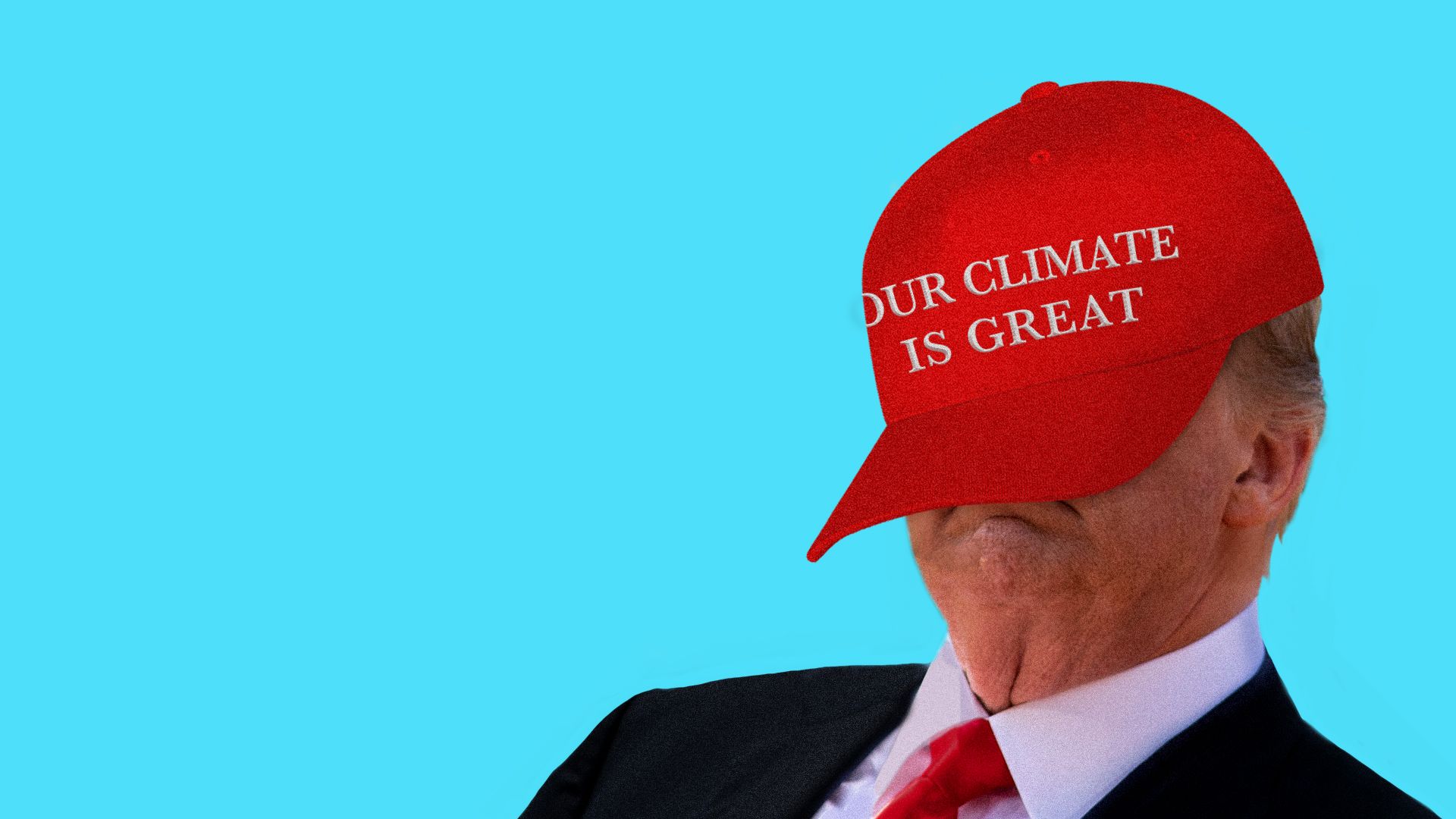
Big manufacturers are running into an uphill battle persuading President Trump to back an Obama-era climate deal.
The big picture: It's proving hard for them to convince a Republican who abhors regulations, dismisses climate change and dislikes global accords to embrace a policy that combines all three. It’s also the latest example of industry running into surprise trouble convincing Trump to back policies businesses support, like free trade.
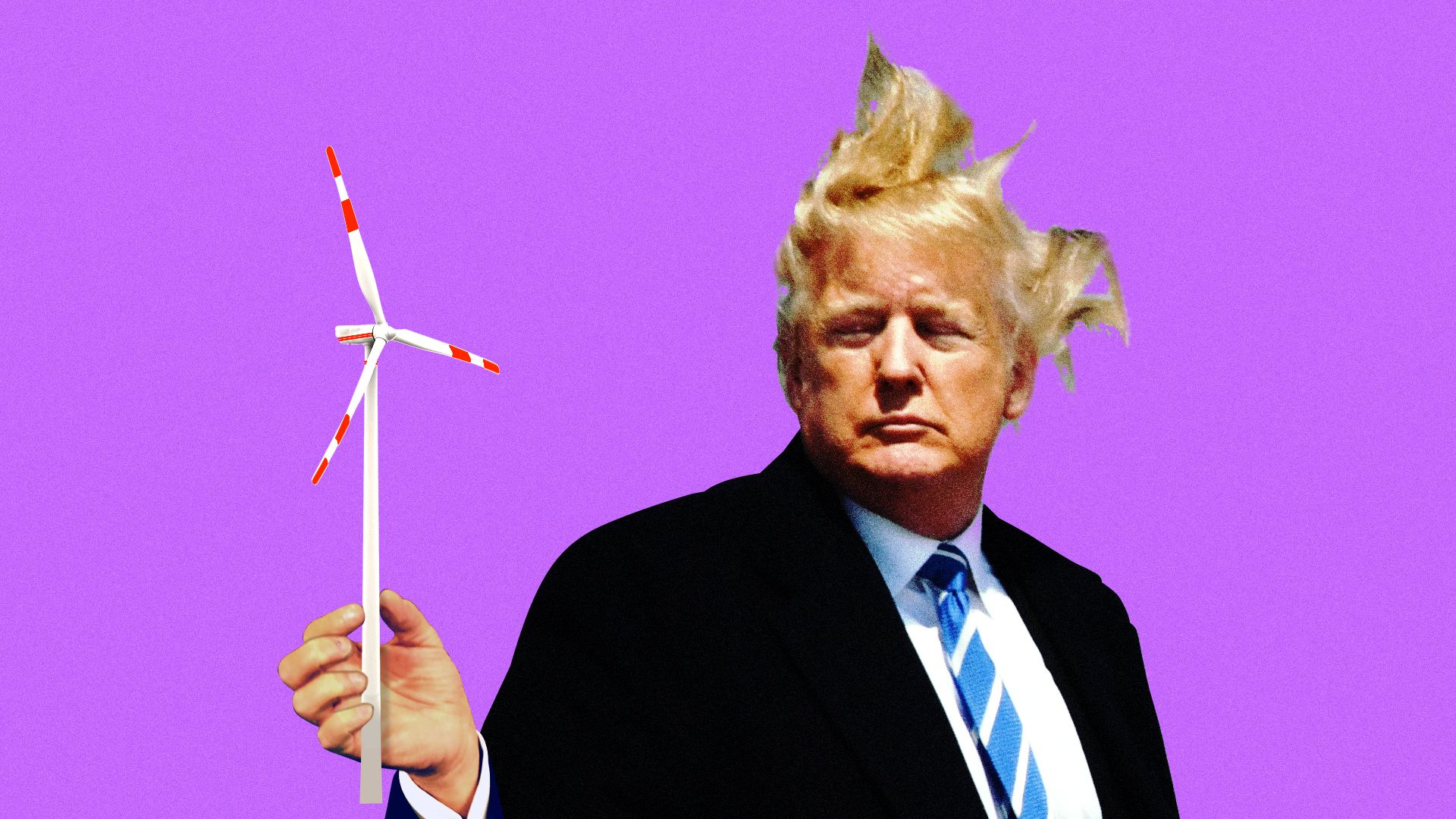
During White House discussions about renewable energy, President Trump has declared — more than once and to the amusement of senior administration officials — "I hate the wind!"
Why this matters: The Trump administration's energy policies are hurricanes of contradiction. They reveal an extraordinary gap between the president and his administration.
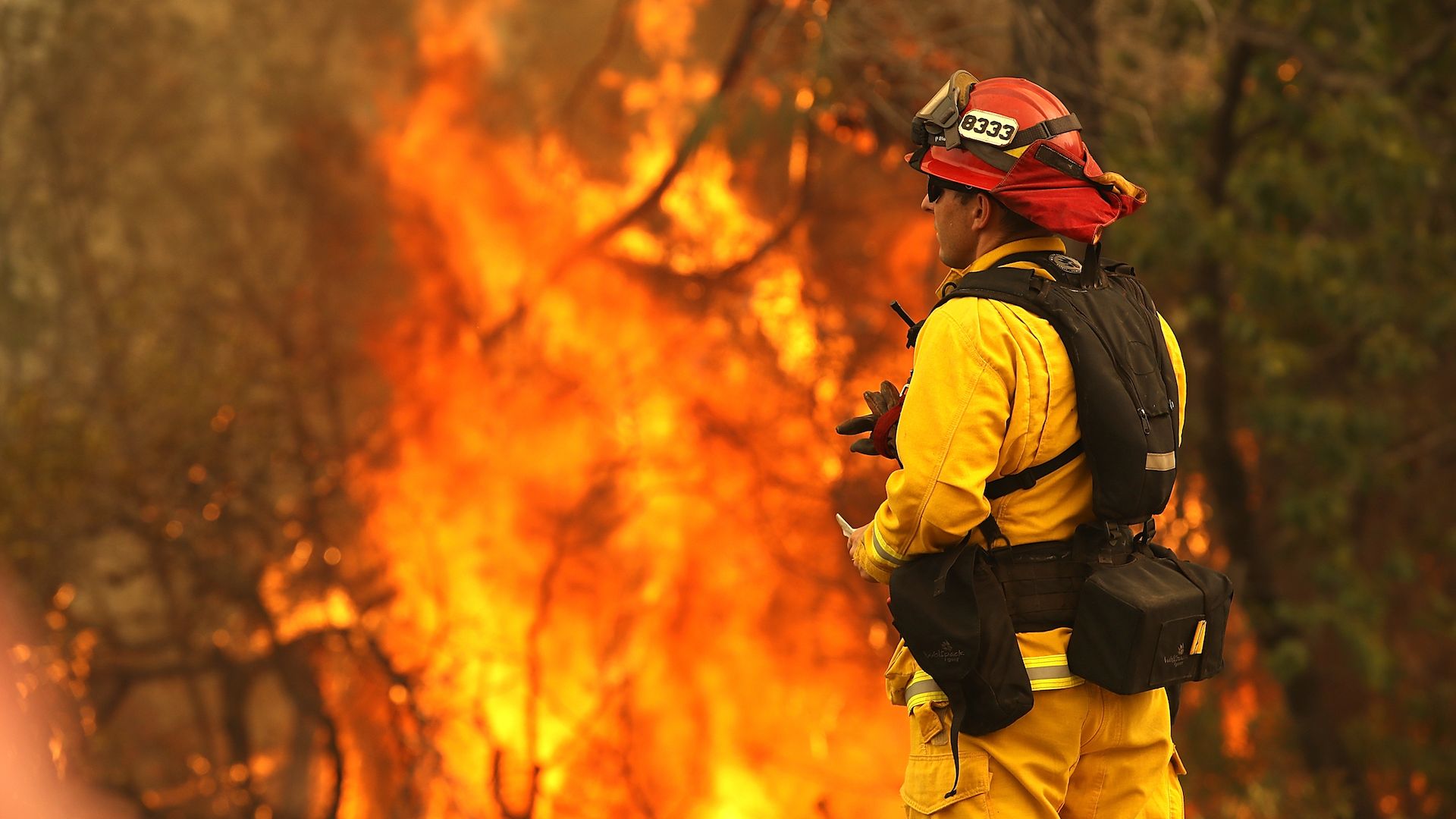
With a "heat dome" parked over the Southwest, causing temperatures to skyrocket and drying out vegetation, firefighters are battling more than a dozen large blazes in California alone. The deadliest blaze, known as the Carr Fire, has already claimed 5 lives in and near the city of Redding.
The big picture: With so many large fires burning at once, California's firefighting resources are stretched past the breaking point. Authorities have appealed to other states for help, according to the Los Angeles Times.
The Carr wildfire claimed the lives of two children and their great-grandmother on Saturday as it continued to spread, pushing the death toll to five.
Threat level: Cal Fire explains that "very active" fire behavior took place overnight and warns that it will continue through Monday morning due to extreme heat and gusty winds. The Carr fire is just one of 22 fires blazing through California this weekend and was started by "mechanical failure of a vehicle."