U.S. and European Union sanctions against Russia have led ExxonMobil to announce Wednesday that it will end "exploration and research joint ventures with Rosneft," an integrated oil company owned by Russia's government, Reuters reports.
Dylan Jones is a 21-year-old senior at Kansas University who supports President Trump and gun rights and opposes abortion. As of today, he also supports action on climate change as part of a new student-led coalition across U.S. college campuses.
Why it matters: Jones represents the next generation of Republicans, many of whom don’t support the position of most elected Republicans in Congress and in the Trump administration of either ignoring or rejecting outright the issue of climate change.
The U.K.'s Dyson and South Korean industrial giant Samsung — both bruised by setbacks in their efforts to master modern batteries — are members of unusually high-powered investment round in a little-known Massachusetts startup, Axios has learned.
What we're hearing: Some of the world's biggest industrial companies are part of the $65 million investment in Ionic Materials, attracted by the belief that it has solved one of the longest-unsettled problems in batteries: how to use solid state technology without fire hazards or astronomical production costs.
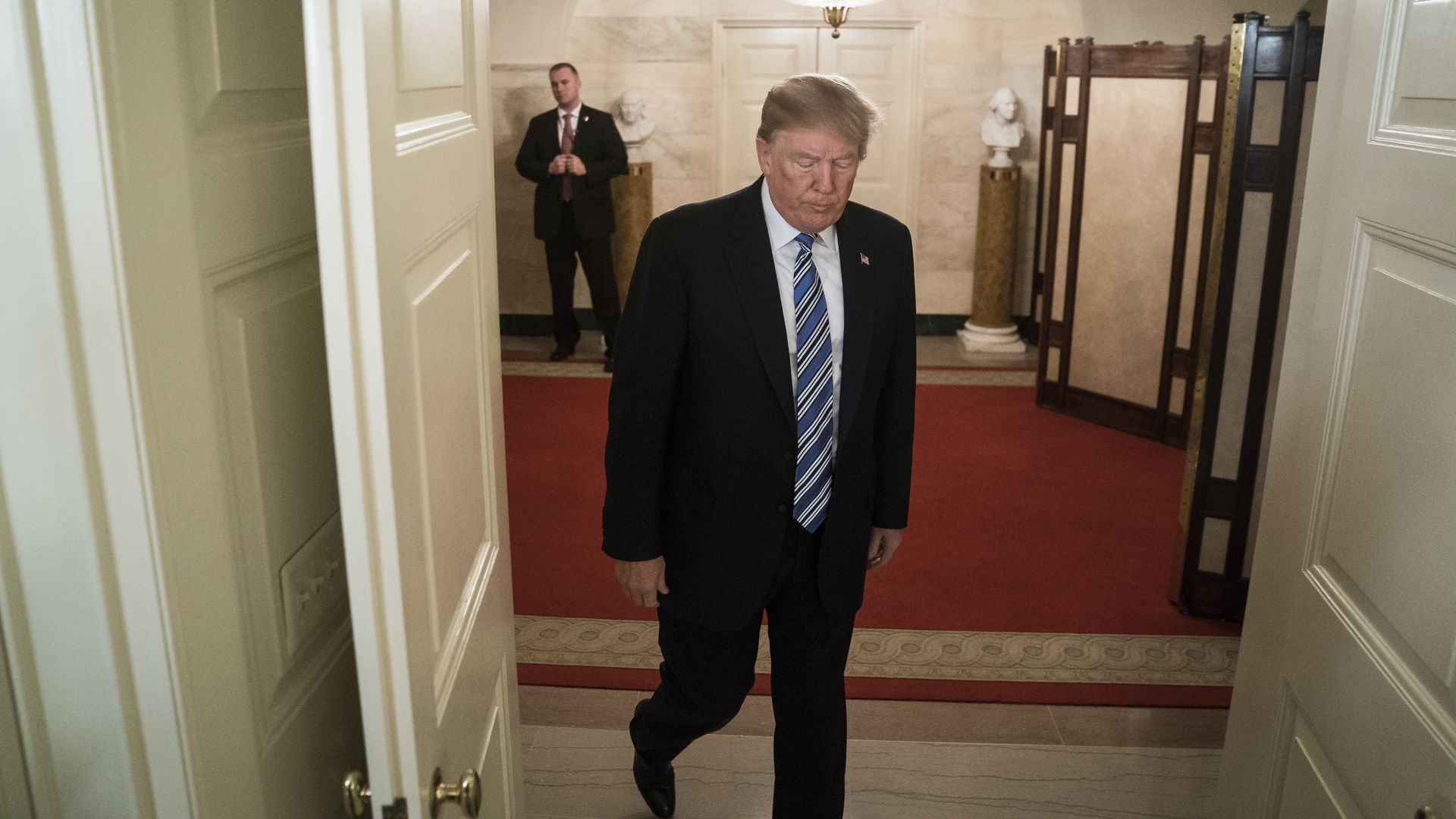
A group of senators from oil and corn production states on Tuesday failed to reach an agreement with President Trump at a White House meeting over a policy designed to help farmers and lower oil imports, per Reuters. They were discussing the cost of the Renewable Fuel Standard (RFS).
Why it matters: Per Axios' Amy Harder, a quick fix deal was always an uphill battle, given how far apart each side is on this issue. But the White House's continued attention to this issue despite no resolution underscores its political importance.
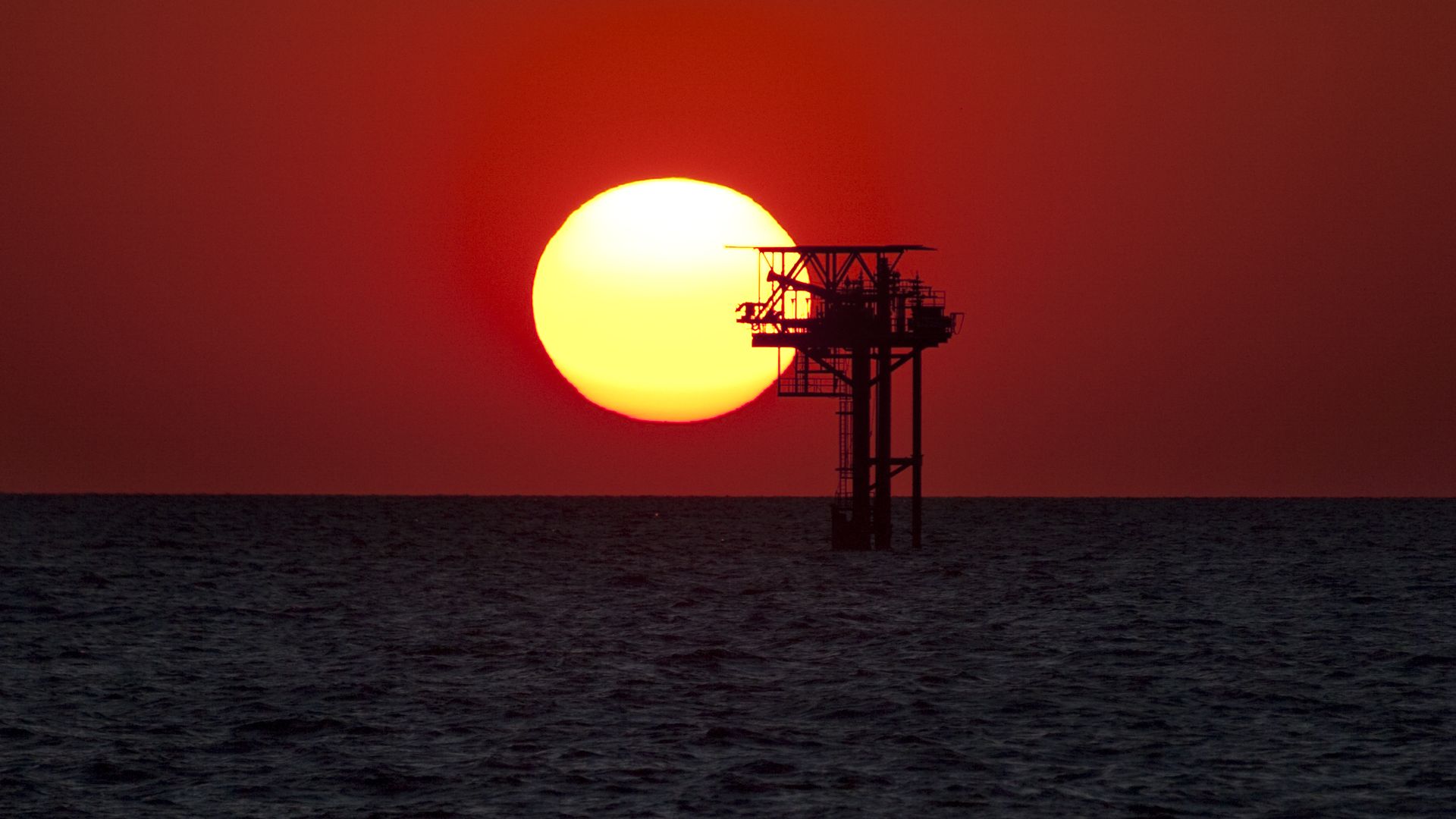
A big question among oil experts these days is whether today's worldwide investments in new supplies are too low to avoid risk of a "supply gap" opening up in the early 2020s as demand grows and existing fields decline.
The big picture: Two competing views presented this week offer a pessimistic and optimistic take on the situation, taking on opposite sides of the investment debate.
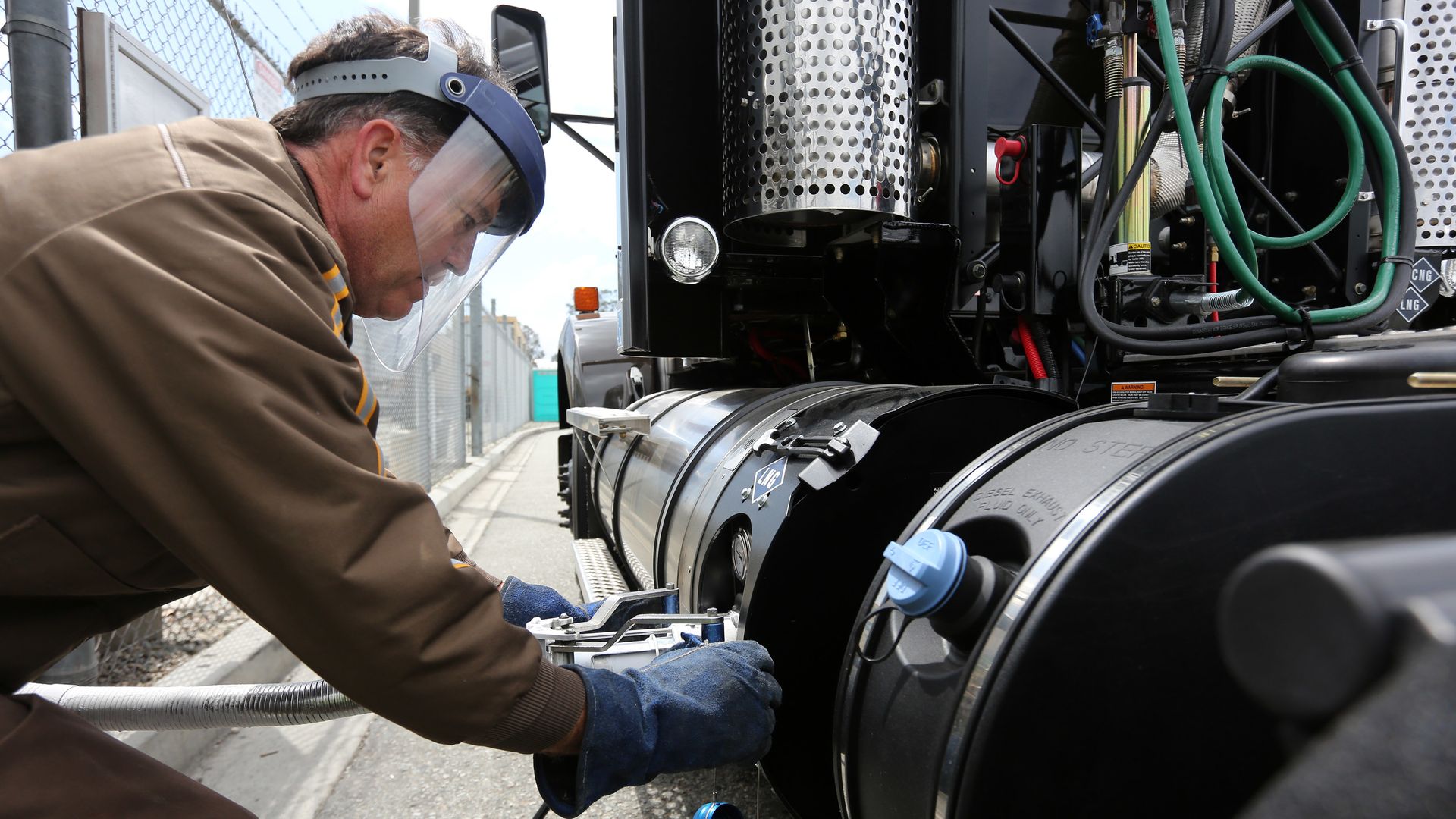
A company planning to export liquefied natural gas from the Gulf Coast will warn lawmakers this morning that surging U.S. gas production could become "stranded" absent bigger investment in pipeline and LNG infrastructure.
On the record: In testimony prepared for a House Natural Resources Committee hearing today on the geopolitics of LNG, Tellurian president Meg Gentle says the government plays a key role in both laying the infrastructure groundwork for exports and offering a supportive and efficient regulatory environment.
In this episode of Smarter Faster: Transformation, a new series that shows how workforces are being trained to land the jobs of tomorrow, we explore how solar energy survived economic turmoil and continues to thrive.
Nearly half of all U.S. states have raised their gasoline taxes since 2013, according to industry data compiled by Axios.
Why it matters: The trend, which includes conservative states, stands in stark contrast to the opposition that congressional Republicans and conservative interest groups have to raising the federal gas tax. President Trump has endorsed the idea of raising it to help fund his administration’s infrastructure proposal. The tax, which Congress hasn’t raised in 25 years, stands at 18.4 cents per gallon.