Nearly 1,400 companies apply an internal mechanism to price carbon emissions, a jump from 150 just four years ago, according to a report from non-profit group CDP.
Why it matters: The more than eightfold increase shows how seriously corporate America is taking the issue. The internal mechanisms indicate companies are preparing for an eventual external price on carbon, even if that's further off now with President Trump in the White House. It also reflects increasing investor concerns about the risks climate change can bring companies.
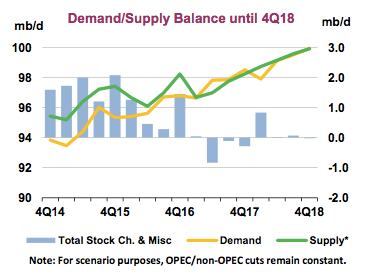
Quarterly global changes in oil inventories, demand, and supply. Chart: IEA
The International Energy Agency sees strong potential for some stability in global crude markets next year — if OPEC and Russia re-up their production-limiting deal beyond the first quarter (check out the chart above).
Trains hauling oil and other flammable material should be better and more frequently inspected, a National Academies of Sciences report out Wednesday says.
Why it matters less today: The amount of oil shipped by rail has dropped 77% since its high in 2015.
It can take years for towns and cities to recover from major hurricanes. But as humans labor to restore power and water, tropical ecosystems — some of the most diverse and complex in the world — are also beginning to rejuvenate. Scientists are now taking stock of flora and fauna in this years' storm paths.
Bottom line: There's an immediate and drastic impact on coral reefs, rainforests and their inhabitants. But in some cases, ecosystems can quickly recover from hurricanes because they evolved to withstand these severe storms.
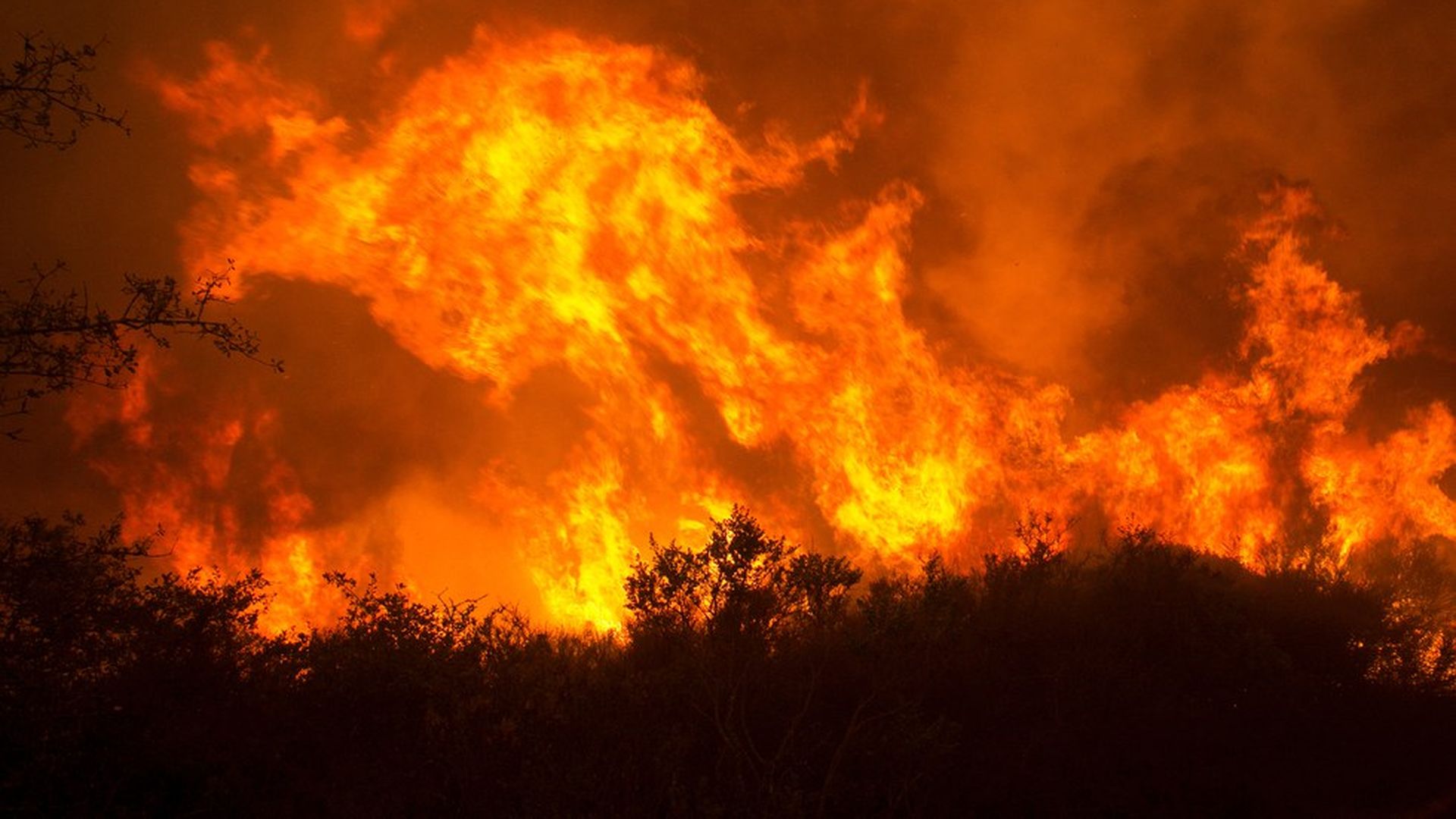
The California wildfires have so far scorched over 170,000 acres of land and forced evacuations of more than 25,000 as of Tuesday night. A California fire official said 3,500 homes and businesses have been destroyed, the AP reports.
The big picture: This is "one of the worst disasters in California history," as California Highway Patrol Capt. Mike Palacio called it.
The Environmental Protection Agency's proposal yesterday to undo the Obama-era Clean Power Plan (CPP) marks the start of a long, contentious regulatory fight, which will be followed by a long, contentious legal fight.
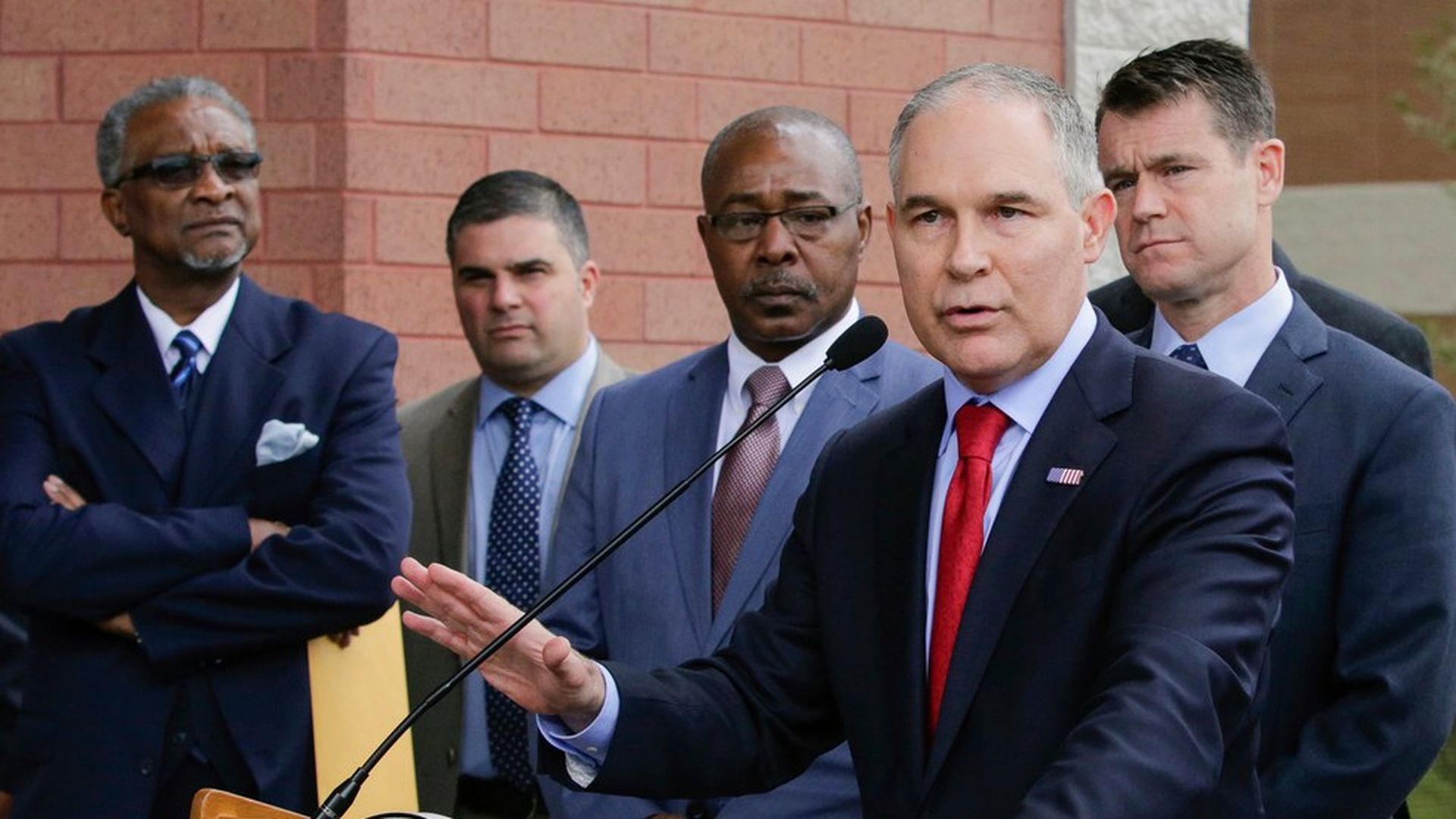
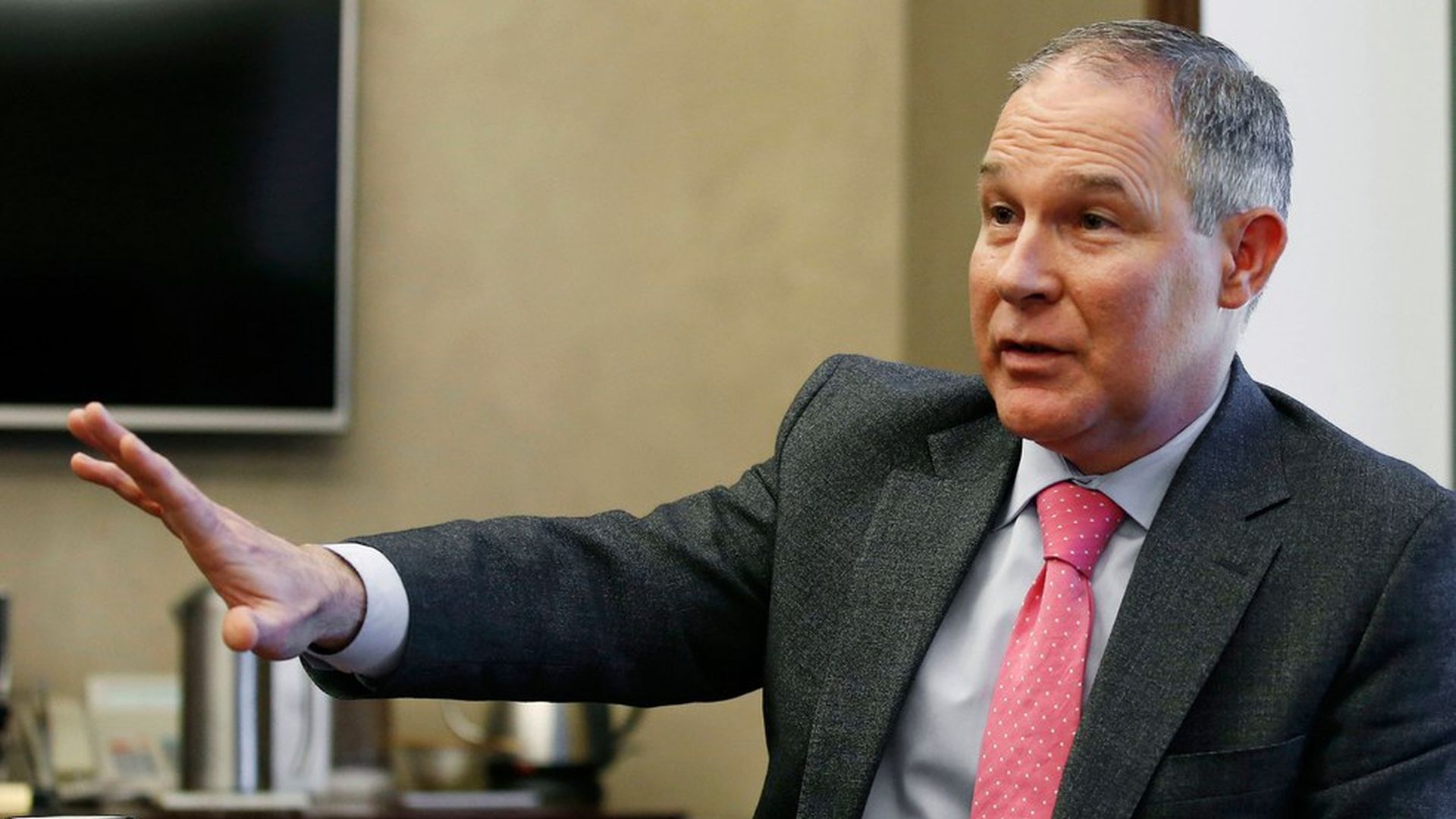
Pruitt's strategy: EPA boss Scott Pruitt, in proposing to repeal a rule he said overstepped the bounds of the Clean Air Act, held out the prospect of replacing it with something much more modest — at some point.
The Environmental Protection Agency finally unveiled its proposal to nix the Clean Power Plan (CPP), a 2015 rule — which never took effect — that would have mandated cuts in carbon emissions from power plants.
Between the lines: The CPP is the most closely watched of the Obama-era climate rules, but it probably gets more attention than it deserves when it comes to the total U.S. emissions picture.
This map shows active fires detected via satellite in Northern California. So far, at least 2,000 homes have been destroyed, and 20,000 people have been evacuated.