Friday's energy & climate stories

Warming to Gore
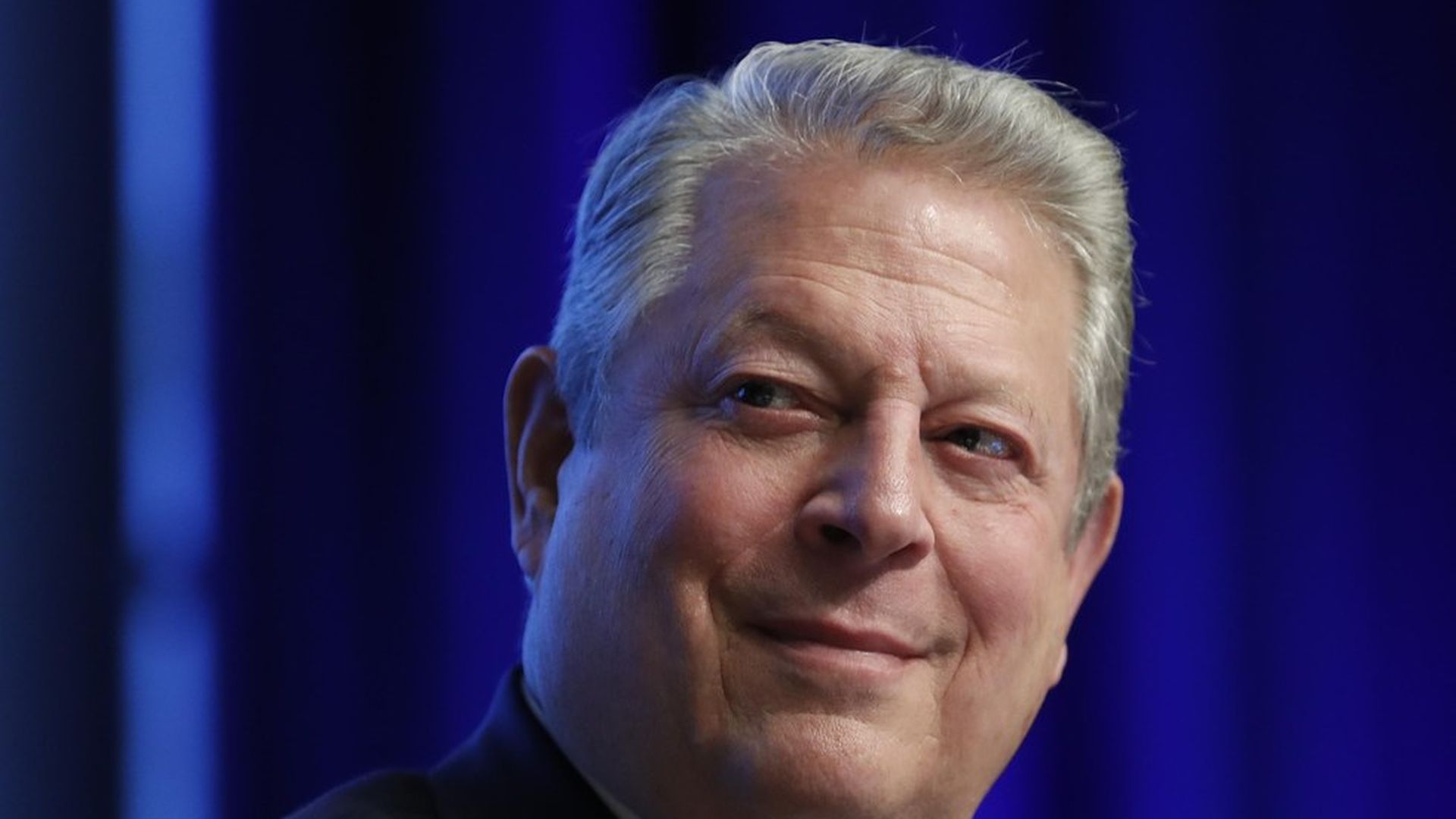
Interview magazine's Editor-in-chief Nick Haramis interviews Al Gore ahead of the July 28 nationwide release of his documentary "An Inconvenient Sequel: Truth to Power":On not getting stale while traveling the world leading seminars for climate activists:I update my slide show almost every day. I have a personal staff of ten in Nashville that helps me scour the internet and other media around the world for the latest scientific peer-reviewed findings, the latest examples of climate-related extreme weather events, and the latest examples of progress.On maintaining a positive outlook:I had the privilege of working with the late economist Rudi Dornbusch, who once said, "Things take longer to happen than you think they will, and then they happen faster than you thought they could." Where solar energy is concerned — and wind energy and battery storage and electric vehicles and efficiency technologies — that is what we are now seeing.
On parallels between climate deniers and gay-rights opponents:
I think they're more similar than different. The gay rights movement of recent years has been an inspiring victory for humanity and it is in the tradition of the civil rights movement ...God intends for us to take responsibility for how we treat God's creation, and if we choose to use the thin shell of atmosphere surrounding our planet as an open sewer for 110-million tons of global-warming pollution every day, the consequences are attributable to us.

75% cut in U.S. research money could lead to Chinese battery raid
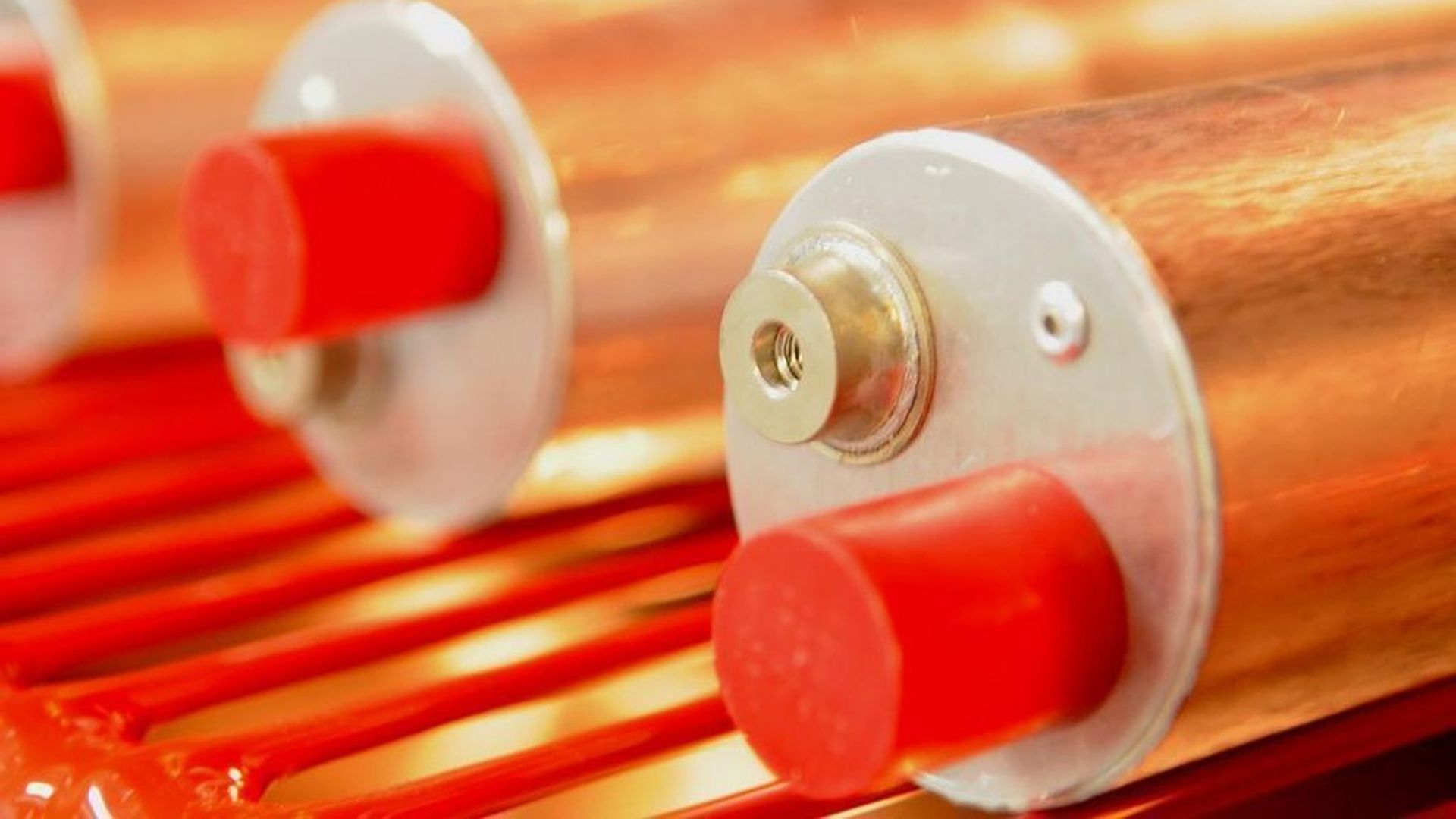
Leading U.S. battery researchers say a proposed 75% cut in federal funding could set back U.S. hopes to dominate the future of batteries and electric cars, and lead to a raid of U.S. talent by China and others in the technological race.
The mood is somber this week at an annual conference in Washington, DC, where hundreds of battery researchers from universities and U.S. federal labs are presenting their latest findings, and justifying millions of dollars in U.S. government funding toward the creation of super-batteries for electric cars and the grid.
In interviews, researchers said Congress will probably largely ignore President Donald Trump's proposal, and restore much of the 2018 funding. But, given the intensity of competition for industries expected to be worth hundreds of billions of dollars in future sales, they said the best ideas could be wooed away by China, Japan, South Korea or others.

Apple's latest ad uses iPhone photos to make the case for saving the planet
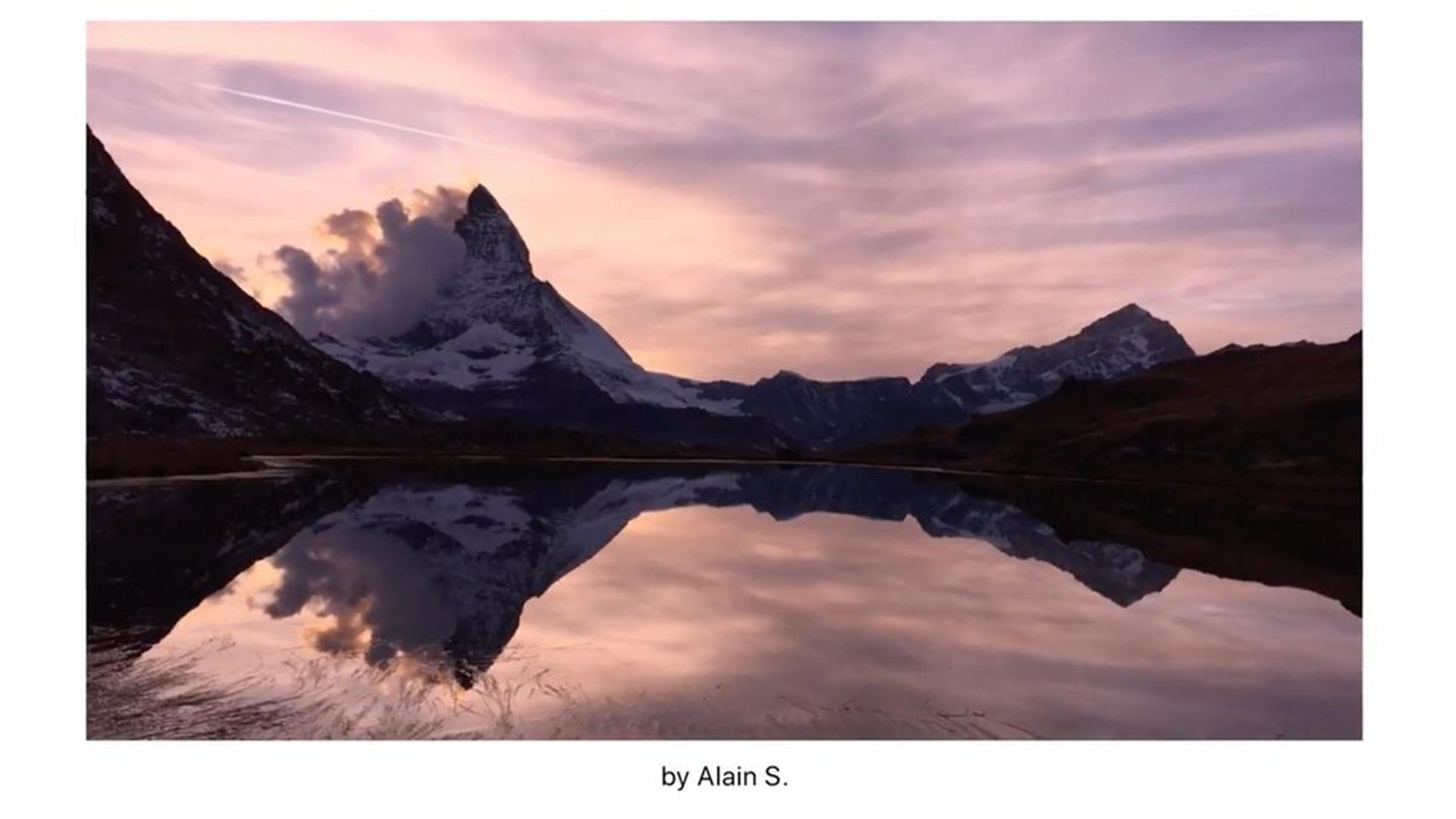
Apple has made a political ad entirely out of iPhone photos. The company just ran a TV commercial in the NBA Finals showing a series of Live Photos of various nature shots along with the late Carl Sagan reading parts of his famous Pale Blue Dot speech from 1994.
Here's the text of the ad:
The earth is a very small stage In our obscurity in a vast cosmic arena. In all this vastness, there is no hint that help will come from elsewhere to save us from ourselves.The earth is the only world known so far to harbor life. There is nowhere else at least in the near future, to where our species can migrate. Like it or not, for the moment, the earth is where we make our stand. It underscores our responsibility to deal more kindly with one another and to preserve and cherish the only home we've ever known.
Part of ongoing effort: Apple has been touting its environmental efforts, including a push to get its suppliers to shift to renewable energy. Cook has blasted President Trump's move to exit Paris and had lobbied the president to stick with the environmental accord.
Not just Apple: The NBA Finals saw plenty of tech ads, though the others were far more traditional spots, including Google touting Google Home and Samsung pitching the payment feature on its Gear smartwatch.