Tuesday's energy & climate stories

The Dutch are dominating renewable energy & urban planning
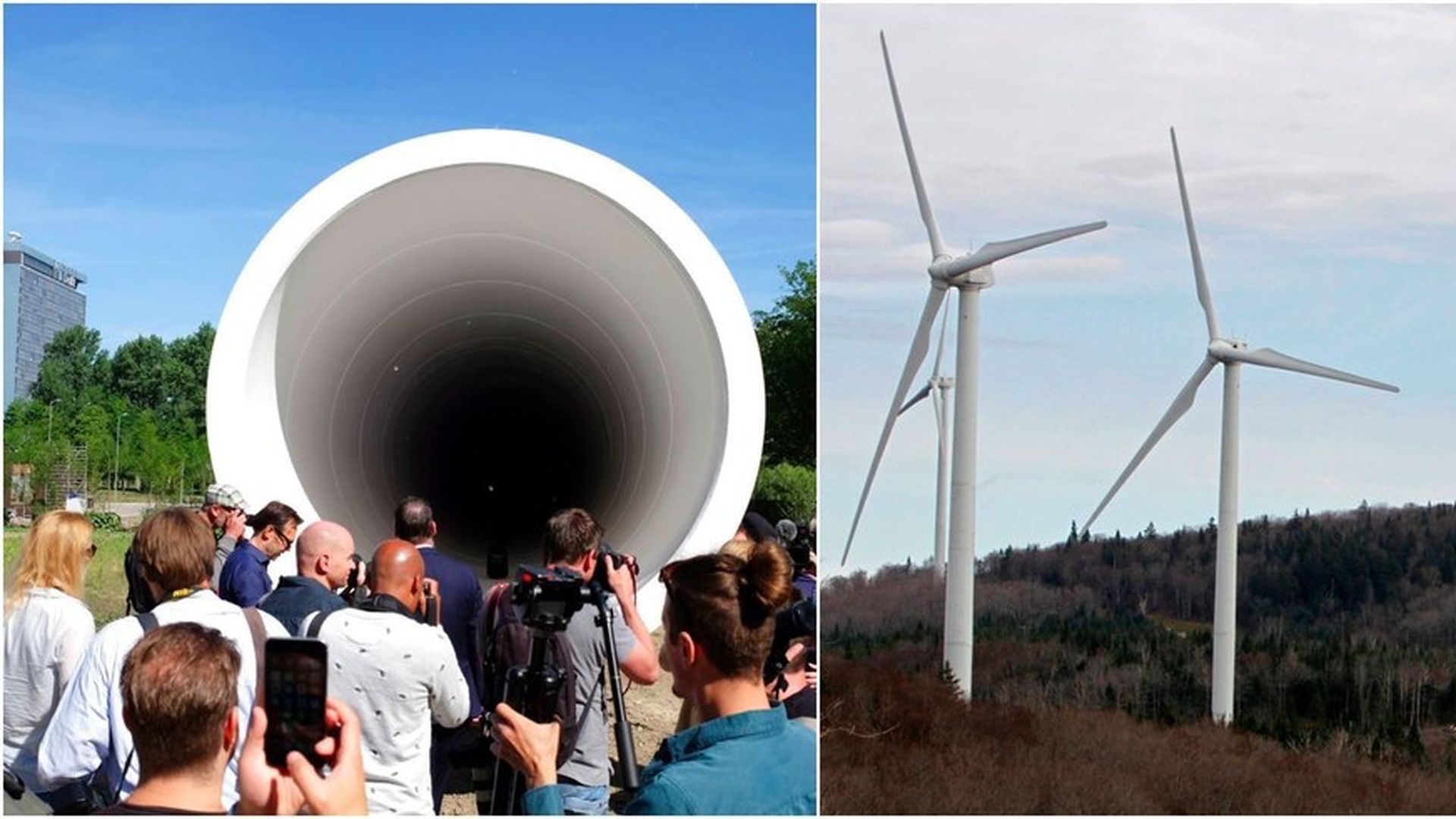
When it comes to using renewable energy and new technologies to power their cities, the Dutch are leading the way:
- A Dutch tech startup has already built a testing site for a Hyperloop system between Amsterdam and Paris, with the hopes of having it done by 2021, Science Alert reported.
- After setting a goal of having all public trains — which use about 1.2 billion kWh of electricity a year — run on renewable energy by 2018, the Netherlands accomplished it a whole year early, according to Business Insider.
- The Netherlands has 2,200 wind turbines, which could sustain 2.4 million homes.
Why it matters: The Netherlands has been giving billions of dollars in subsidies to the renewable energy industry for the past several years. The Dutch government announced late last year that they'd be phasing out some of these subsidies in order to focus on energy saving and carbon capture technologies, Reuters reported.

Top U.S. diplomat in China resigns over Trump's Paris decision

David Rank, who was serving as chargé d'affaires (Acting U.S. Ambassador) in China, resigned from his post over Trump's decision to pull the U.S. out of the Paris climate pact. A State Dept. official tells Axios Rank "made a personal decision," adding that the dept. thanks him for his "years of dedicated service."
Rank was responsible for delivering official notice to the Chinese that the U.S. was pulling out of the deal, and he declined to do so, telling colleagues in a speech he could not in good conscience as "a parent, a patriot and a Christian" play a role carrying out Trump's wishes to withdraw, per The Washington Post.
Rank was a career foreign service officer since 1990 and had been serving in Beijing when China and the U.S. originally made commitments to the deal.
New solar cell works for 10,000 hours
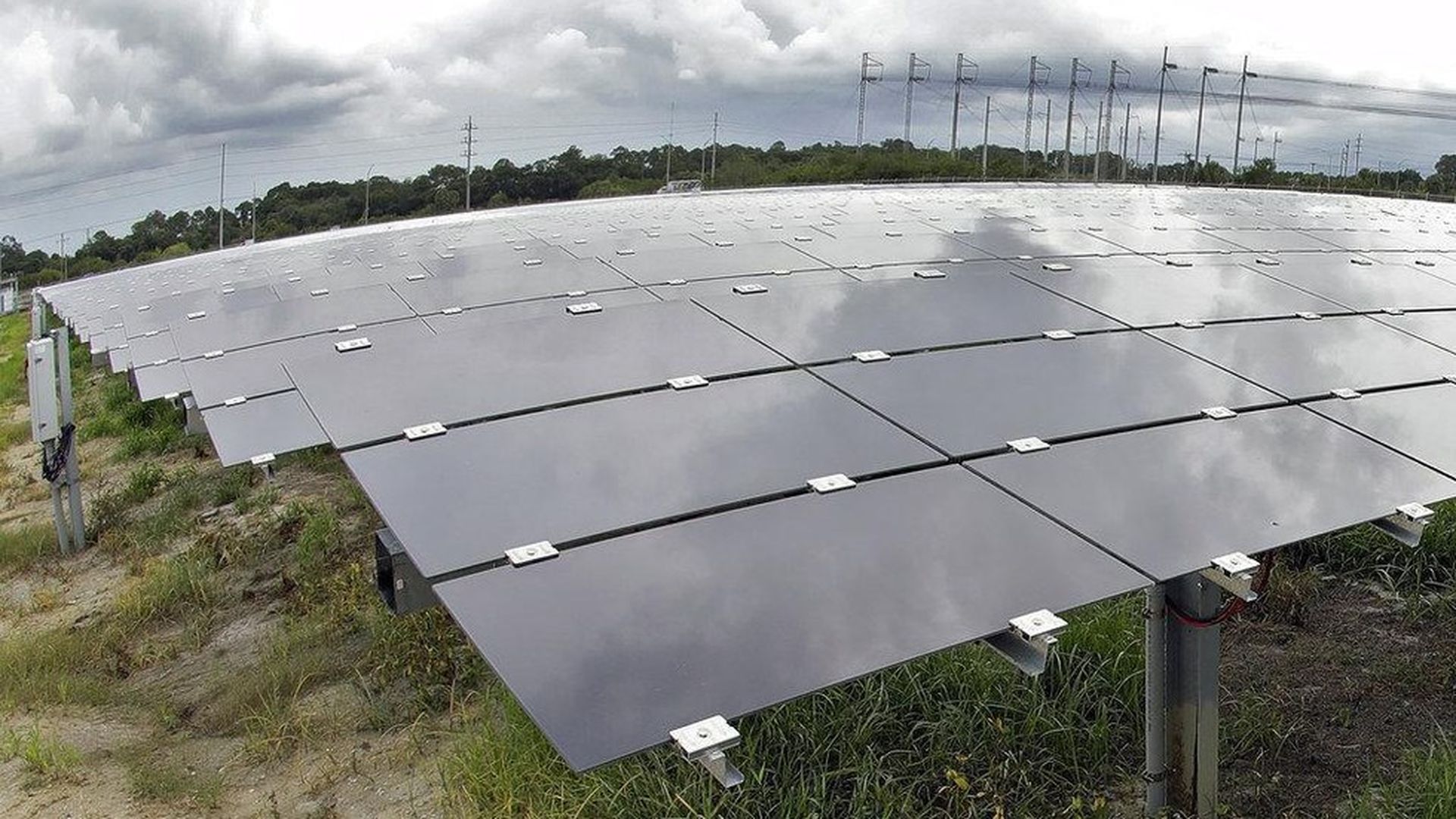
Researchers engineered a solar cell that worked for 10,000 hours without its performance being compromised, according to a new study.
Why it matters: The solar energy industry has been intensely focused on perovskite solar cells that cost less to produce compared to silicon-based ones. Perovskite cells could potentially disrupt the industry but have been hampered by the fact that they can rapidly degrade with wear and tear from water and UV light.
The next step: The efficiency of the new solar cell was low — only up to 12.7%. If the stability can be achieved with previously demonstrated efficiencies for perovskite cells (upwards of 22% and on par with silicon solar cells), the price of solar energy might even compete with fossil fuels.

Most Americans oppose Trump's Paris deal withdrawal

According to a new Washington Post-ABC News poll, the majority of Americans oppose President Trump's decision to pull the U.S. from the Paris climate deal, are skeptical of the argument that the move will help the U.S. economy, and are concerned the country's global leadership role will be negatively impacted as a result. Per the Post:
- 59% of those surveyed oppose Trump's decision to withdraw from the Paris accord, while 28% support it.
- 42% think the move will hurt the U.S. economy, 32% think it will help, and 20% say it will "make no difference."
- 55% said the president's decision will hurt U.S. global leadership, 23% expect no impact, and 18% said it will help.
Why it matters: Trump's move was a direct appeal to his core supporters, but outside the base it was a very unpopular decision. It remains to be seen whether climate change will be a mobilizing issue for voters, though.