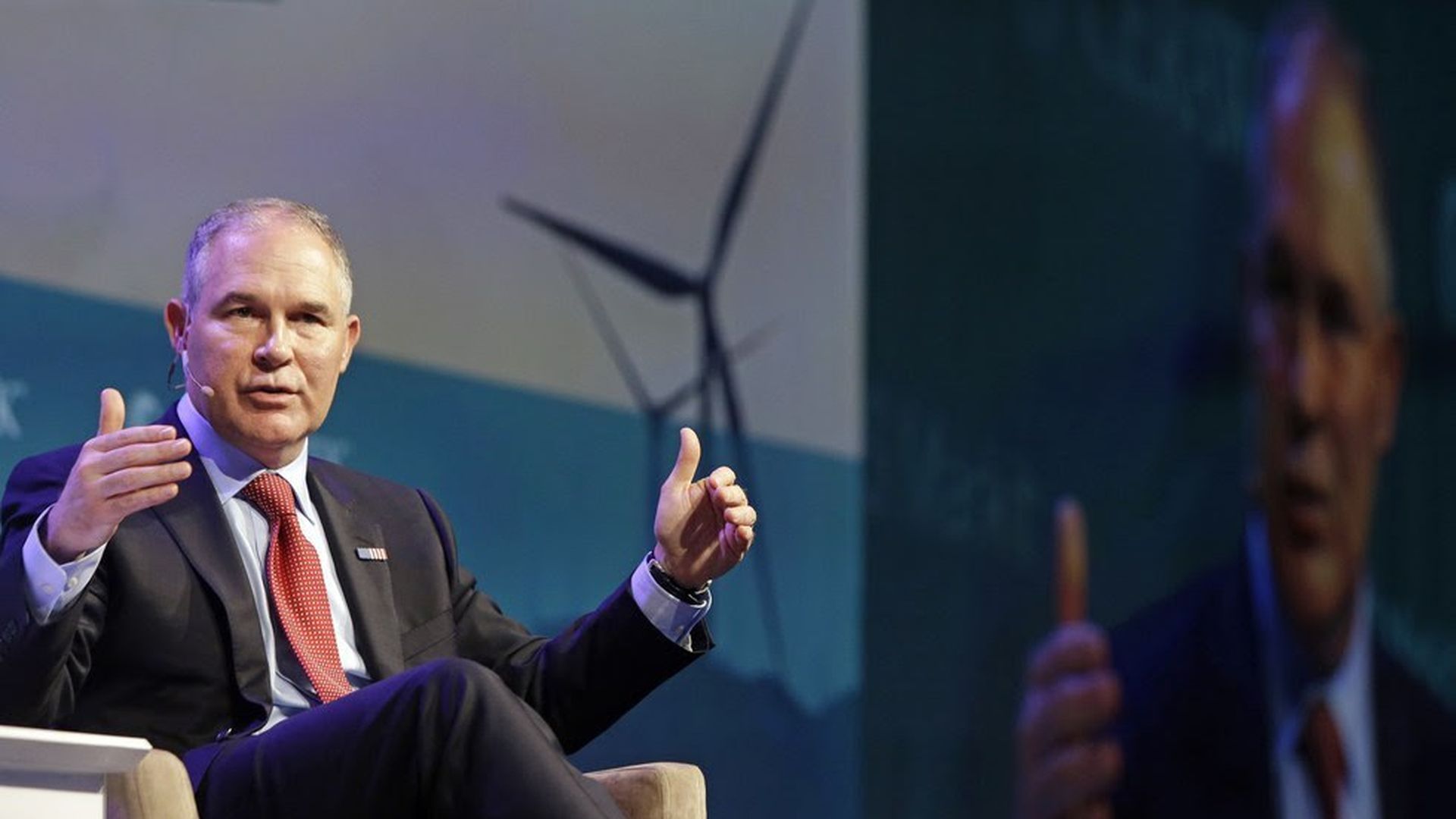
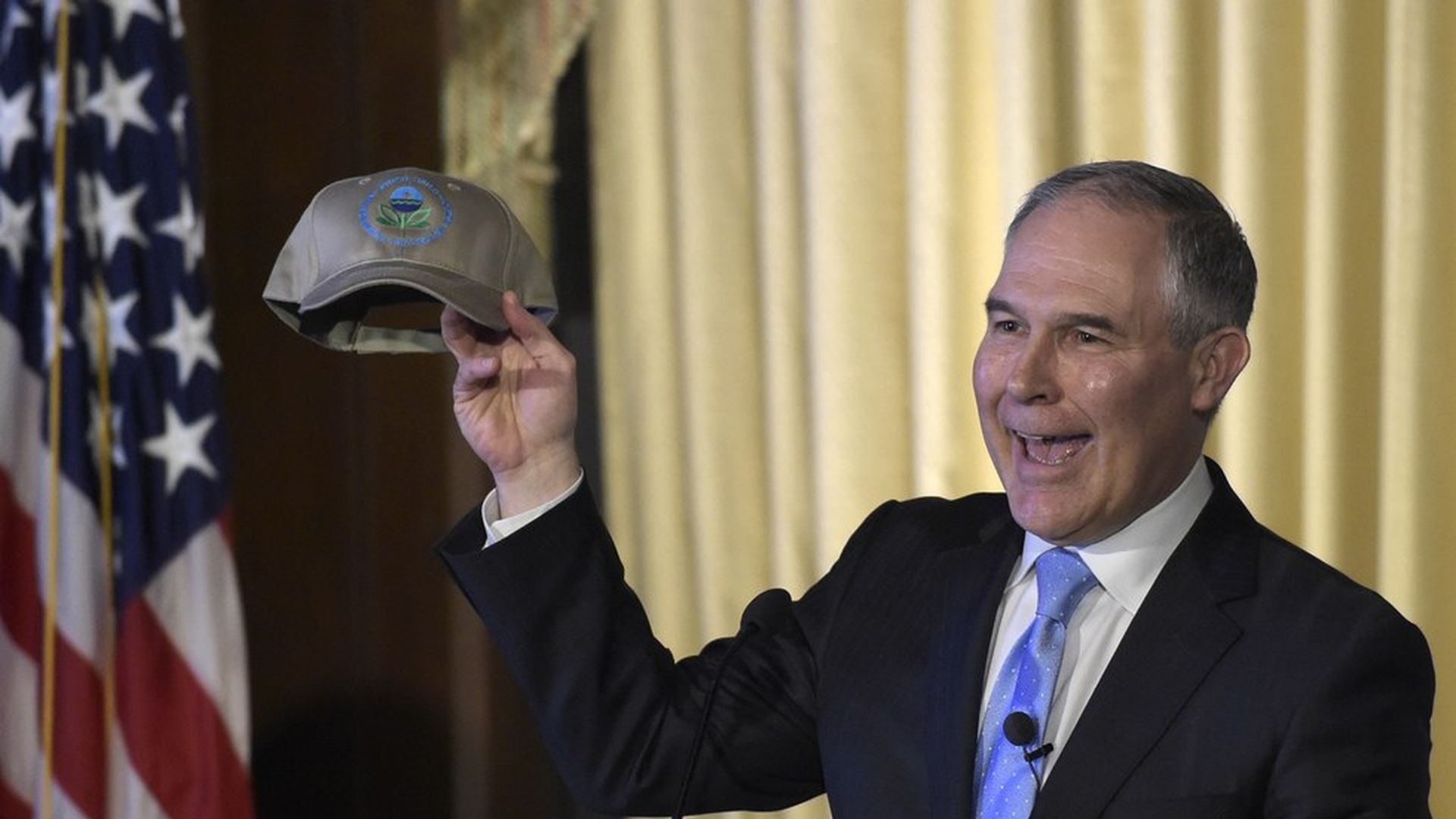
The question facing EPA now is whether there's lasting fallout after Administrator Scott Pruitt's trip to the energy conference in Houston, CERAWeek, didn't go quite as planned. By now you've probably seen that he broke sharply with the scientific community by disagreeing that carbon dioxide is a primary global warming driver. So what does it all mean?
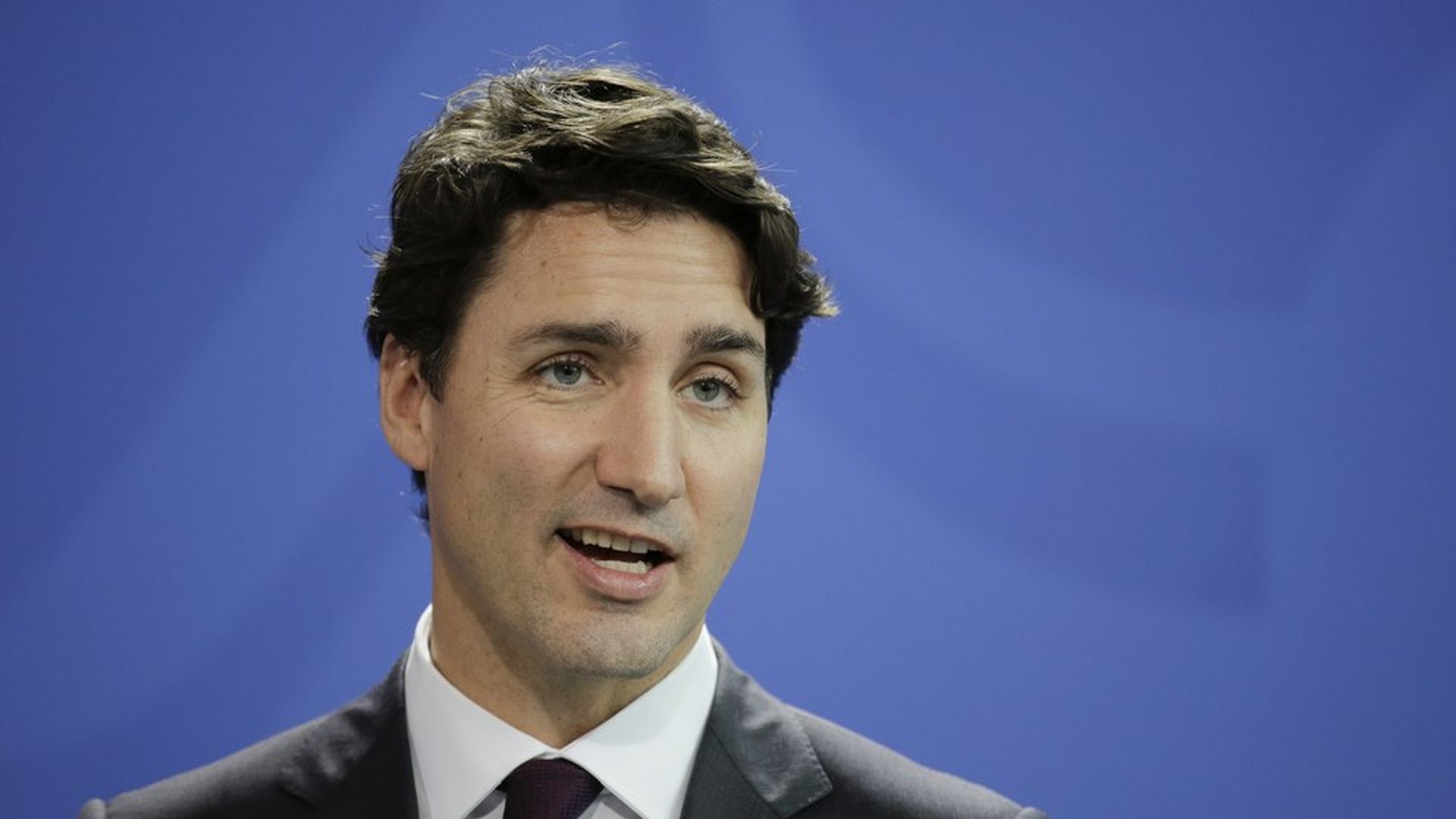
Canadian Prime Minister Justin Trudeau at CERAweek energy conference last night:
He talked up oil sands and the environment. Trudeau backs the Keystone XL and other export pipelines to help bring Alberta's massive oil sands resources to market (even as some oil majors turn away from the carbon-heavy fuels). "No country would find 173 billion barrels of oil in the ground and just leave them there," he said. "The resource will be developed. Our job is to ensure that this is done responsibly, safely, and sustainably." But Trudeau also spent plenty of time talking up his climate change initiatives, which include carbon pricing.
He also attacked the border adjustment tax: Trudeau offered a warning about imposing new trade restrictions. "Anything that creates impediments at the border, extra tariffs or new taxes is something we are concerned with," he said, warning of harm to the Canadian and U.S. economies. He made clear that he opposes the border adjustment tax idea specifically, and then urged the audience: "You can applaud against the border adjustment tax." They did.
When asked if he believes CO2 is the primary contributor to global warming, EPA chief Scott Pruitt said "no," on Squawk Box this morning.
"I think that measuring with precision human activity on the climate is something very challenging to do and there's tremendous disagreement about the degree of impact, so no, I would not agree that it's a primary contributor to the global warming that we see."
NASA and NOAA released independent analyses in January showing earth's surface temperatures were the warmest on record, a change driven largely by CO2, and it is the overwhelming scientific view that human induced carbon emissions are the most important force behind current warming.
Amid all the optimism here about the oil industry's rebound, prices took a dive yesterday to their lowest levels of the year. U.S. crude prices dropped almost $3 per barrel to close at slightly above $50.
Why? New federal data showed we're swimming in the stuff. Markets got spooked when the federal Energy Information Administration reported that U.S. commercial stockpiles jumped by 8.2 million barrels over the prior week. Per Reuters, that is "stoking concerns a global glut could persist even as OPEC tries to prop up prices with output curbs."
None of the oil industry execs gathered in Houston have been as overtly political or rah-rah-rah about Donald Trump as Harold Hamm. The billionaire fracking magnate opened a session about North American drilling by declaring Trump "unique in the political world because he keeps his promises."