Tuesday's energy & climate stories

ConocoPhillips CEO says U.S. should stick with Paris climate deal
"It would be good for the U.S. to stay in the climate agreement," ConocoPhillips CEO Ryan Lance told reporters as he walked offstage at the big CERAWeek industry conference in Houston.
Why it matters: The Trump administration still hasn't said what it's going to do about U.S. involvement in the 2015 Paris climate accord. ConocoPhillips joins a number of other major energy companies, including Exxon Mobil, in backing the agreement.
Lance also said Trump's policies on deregulation and infrastructure approvals will be good for the oil-and-gas industry. He warned against a border adjustment tax that could hurt retailers and said Congress needs to find the "right balance" on a tax that wouldn't benefit either side too much.
The view from Trump's brain: Peter Thiel at CERAweek
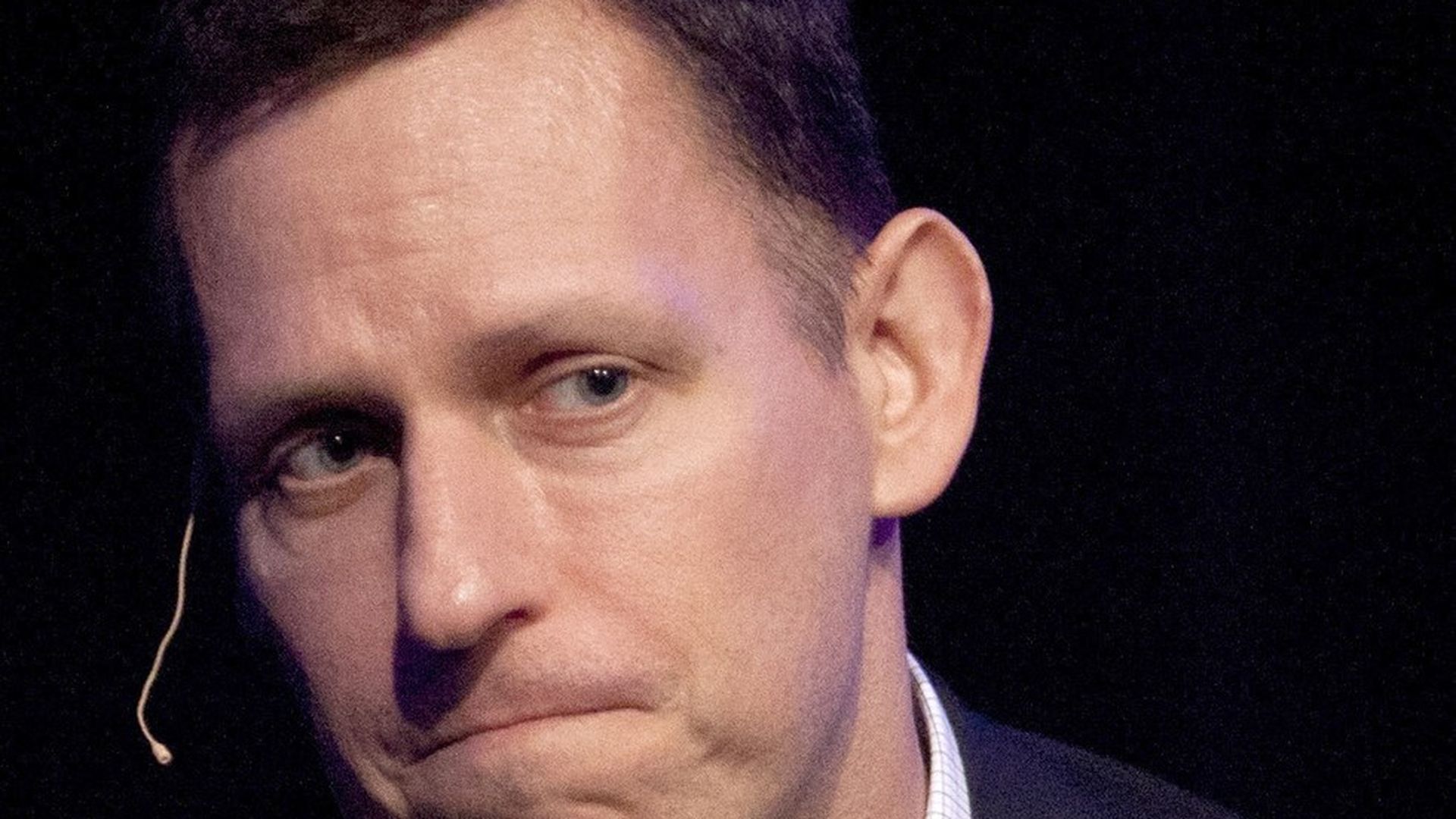
Peter Thiel will be giving the dinner address tonight at CERAWeek, the major conference on energy. Thiel's own views on energy have been a little tough to pinpoint. He's funded clean energy ventures but dissed the sector too. He's expressed skepticism about the scientific consensus on global warming while pushing advanced new nuclear reactor technologies as the best weapon against climate change.
Today's lineup: Saudi Arabian energy minister Khalid A. Al-Falih, BP CEO Robert Dudley, ConocoPhillips CEO Ryan Lance, Indian oil minister Dharmendra Pradhan, OPEC Secretary General Mohammad Sanusi Barkindo, José Antonio González Anaya, the CEO of Mexican state oil giant PEMEX and Iraqi oil minister Jabar Ali Hussein Al-Luiebi.

Trump thanks Exxon for promising $20B U.S. investment
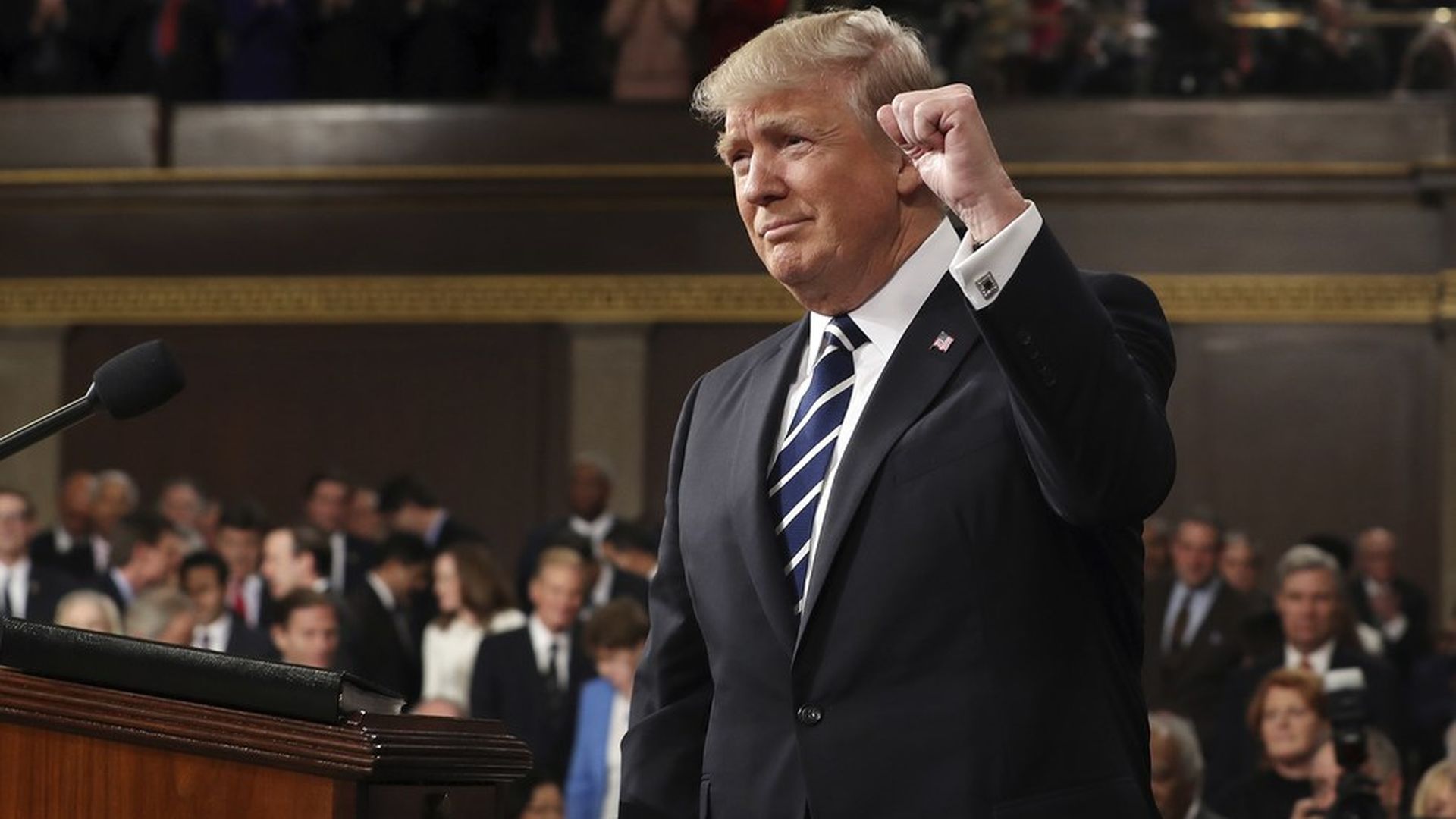
Exxon Mobil said Monday that it plans to spend $20 billion over 10 years on refineries, chemical and liquefied natural gas plants along the Gulf Coast, per AP. CEO Darren Woods said that the company will expand its currents plants as well as construct new ones to help bolster production of its petroleum products, adding that the investment will create 12,000 permanent jobs.
As the AP points out, the $20 billion would roughly equal the company's total capital spending in 2015. Last week Exxon announced that it plans to increase overall investments to an average of $25 billion a year from 2018 to 2020.
Following the announcement, Trump tweeted his thanks to Exxon for continuing to "Buy American & hire American": "45,000 construction & manufacturing jobs in the U.S. Gulf Coast region. $20 billion investment. We are already winning again, America!"
Higher oil prices ahead
A big takeaway from the International Energy Agency's big new oil market analysis is that despite the U.S. shale oil boom, weak overall global investment in new supply could bring high prices in just a few years. "We see significant risks of prices rising sharply, starting in 2020, unless significant new projects are sanctioned very soon," IEA executive director Fatih Birol said at one of the first events at the big CERAWeek energy conference in Houston.
Growth in oil demand is coming largely from Asia, putting the world demand on pace to pass 100 million barrels per day in 2019 and reach 104 million by 2022, IEA says in the five-year forecast. "We don't see a peak in oil demand any time soon," Birol said.
- An eye-popping stat: "Today, one-third of the global oil demand growth comes from Asian trucks only," Birol said.
Between the lines: U.S. oil production is moving upward again, but the growth that IEA forecasts—1.4 million barrels of shale oil per day even if prices don't move above $60 per barrel—is not related to Donald Trump's deregulatory push. Instead it's the fruit of the industry's response to the price recovery. "This is not related to the current change in the policies," Birol said.