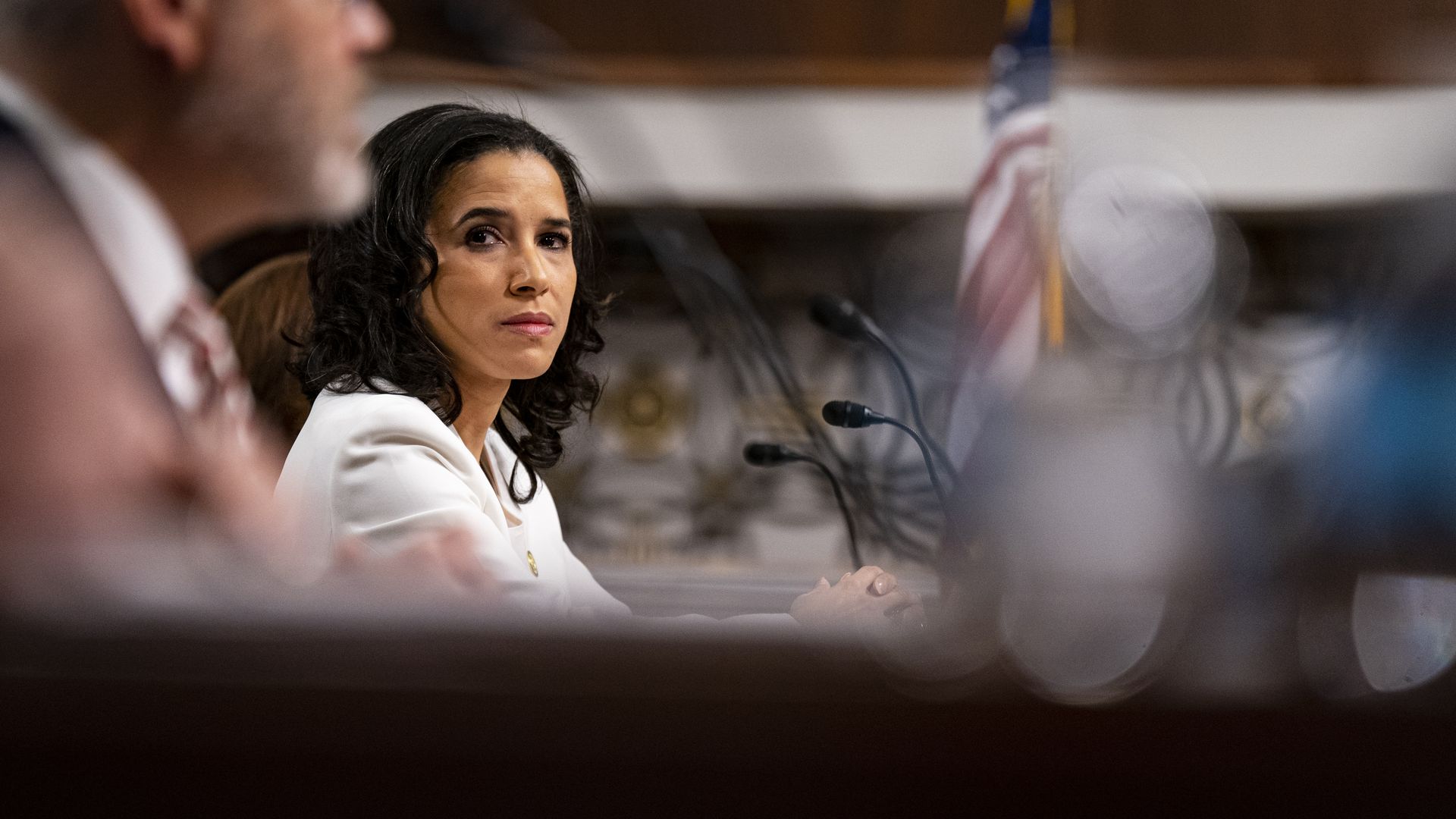
New York Department of Financial Services superintendent Adrienne Harris could eventually eclipse SEC chair Gary Gensler as the most influential crypto regulator.
Why it matters: Whereas Gensler's regulation-by-enforcement strategy leads to largely one-off cases, Harris has used her authority to remake how crypto rules work in New York — an example for other states like Illinois and California, but also federal regulators.
Illicit finance, surveillance, and the slippery slope of regulatory micromanagement are likely to remain central in crypto regulation discussions.
Driving the news: Those themes came up as crypto firms and policymakers offered their perspectives at the Blockchain Association's policy summit yesterday in D.C.
In the era of high prices, shrinkflation is well known — but its lesser known twin is sneakier and more insidious.
Why it matters: While the former reduces a product's quantity, skimpflation compromises quality, mainly because costs are higher (thanks inflation!) as the price stays the same.
Federal Reserve chair Jerome Powell got the final word Friday before the Fed enters a quiet period ahead of the next policy meeting.
Driving the news: In a brief speech, he tried to tamp down the "interest-rate-cuts-are-coming" narrative that drove financial market excitement this week.
Federal Reserve chair Jerome Powell began 2023 with a blunt statement: "We are not, and will not be, a 'climate policymaker.'"
Still, in recent months, officials around the world have questioned how climate change and the transition away from fossil fuels will complicate policymaking.
Why it matters: Top policymakers warn that the global economy is entering a more uncertain, volatile period. Climate change is one key reason why.
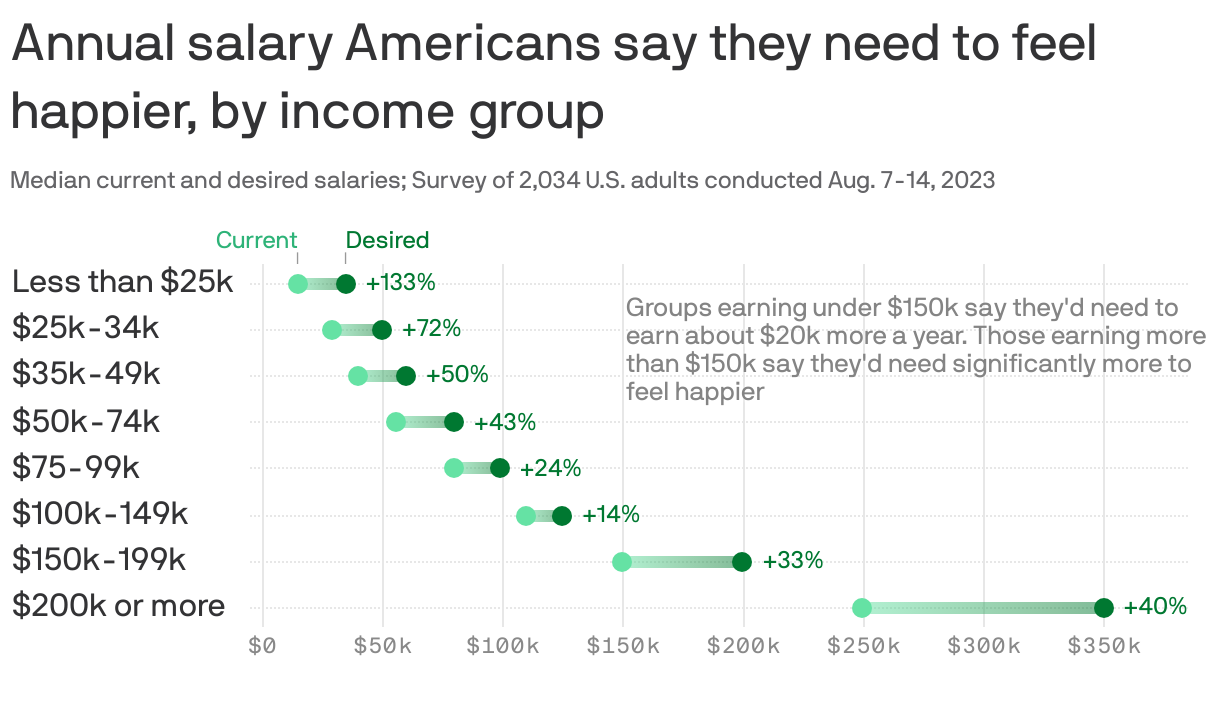
The American mood's been pretty low lately, but you know what might make people happier? Money.
Driving the news: In a recent survey, when asked if money can buy happiness, 59% of respondents said "yes." For millennials, the share was highest at 72%.