Americans are enjoying year-on-year wage gains above 3% for the first time in over a decade according to two economic reports this week, including a monthly jobs report that came in comfortably above expectations.
September was the 97th consecutive month that the economy has created jobs. That's an all-time record. Fiscal policy is goosing the economy. The Treasury is going to have to borrow $1.34 trillion this year, more than double the number in 2017. Enjoy the good times while they last.
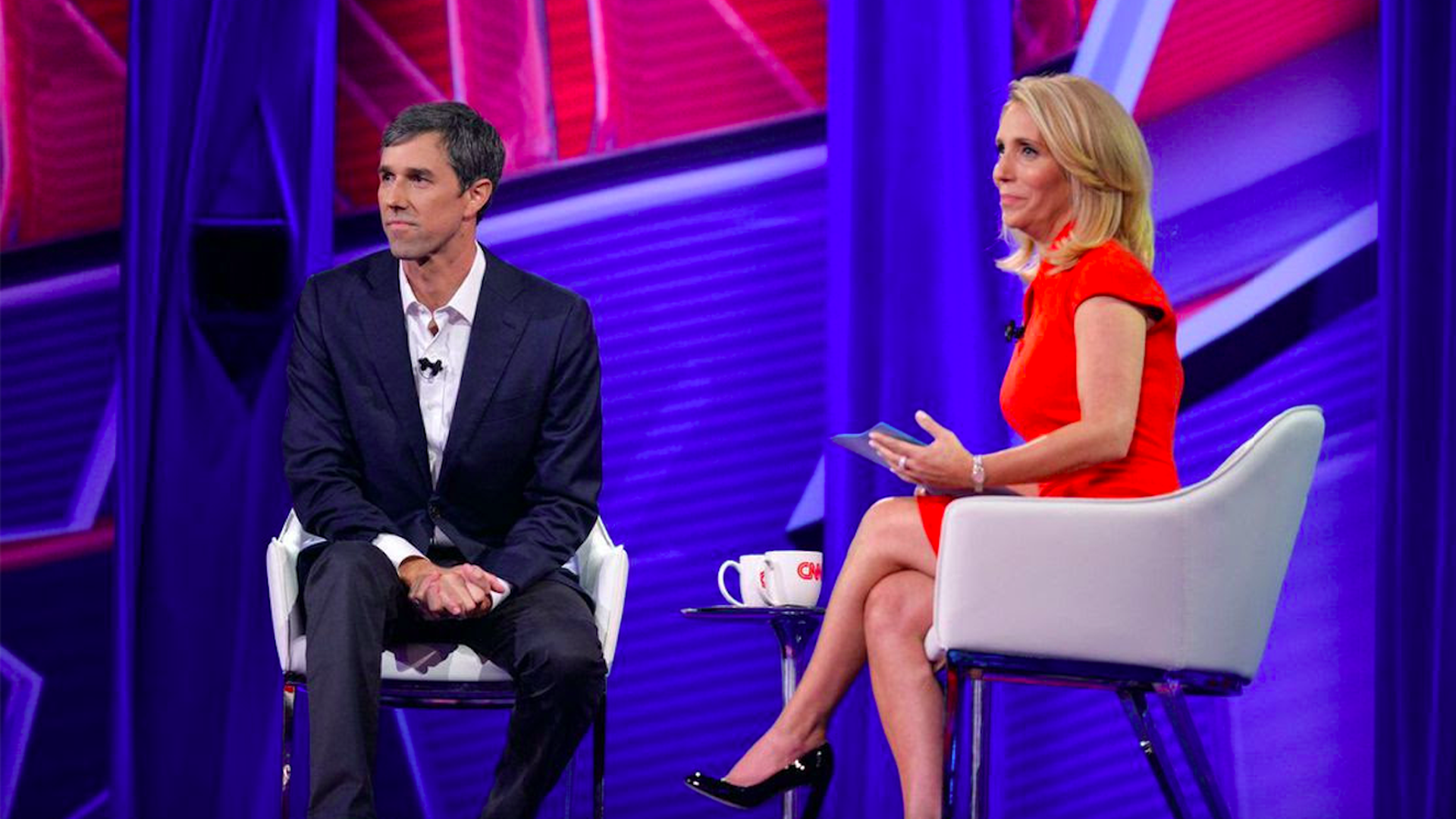
Since Tuesday is political journalism's Game Day, we talked with three of the cable stars of election night about how they prep. Our first conversation was with CNN chief political correspondent Dana Bash, who'll track the Senate drama:
Bash's travels this cycle included her 49th state, North Dakota, where she sat on a big tractor (elusive #50: Montana): "When you see it and you touch it and you smell it, it gives invaluable understanding of what's going on out there."
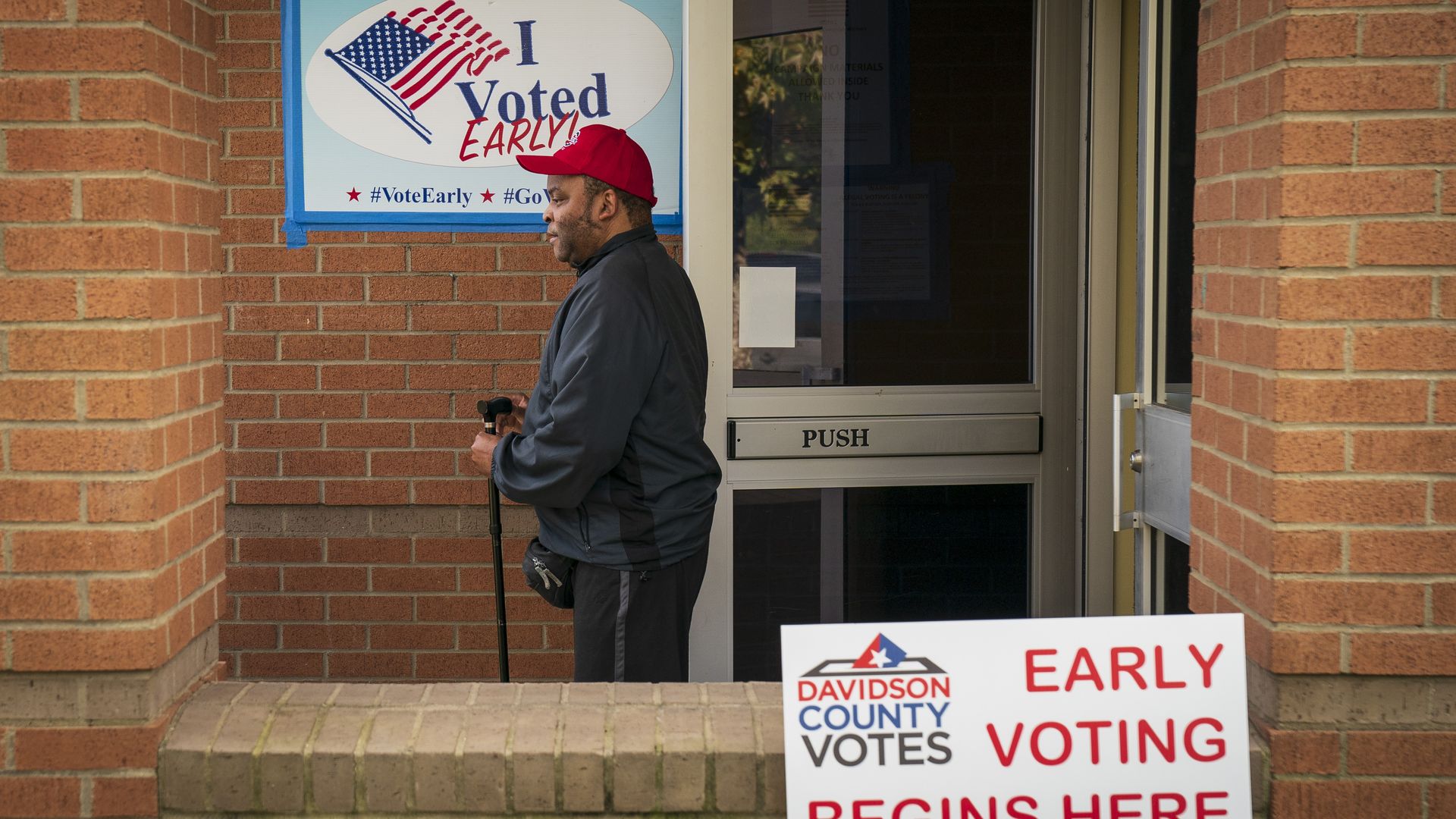
A group of stores have committed to allow their employees to make time to vote in the midterms during the workday as a part of the "Time to Vote" campaign.
Why it matters: Scheduling conflicts are a primary reason people don't vote, and there's no federal law in the U.S. that requires businesses to give employees time to do so, Vox reports.
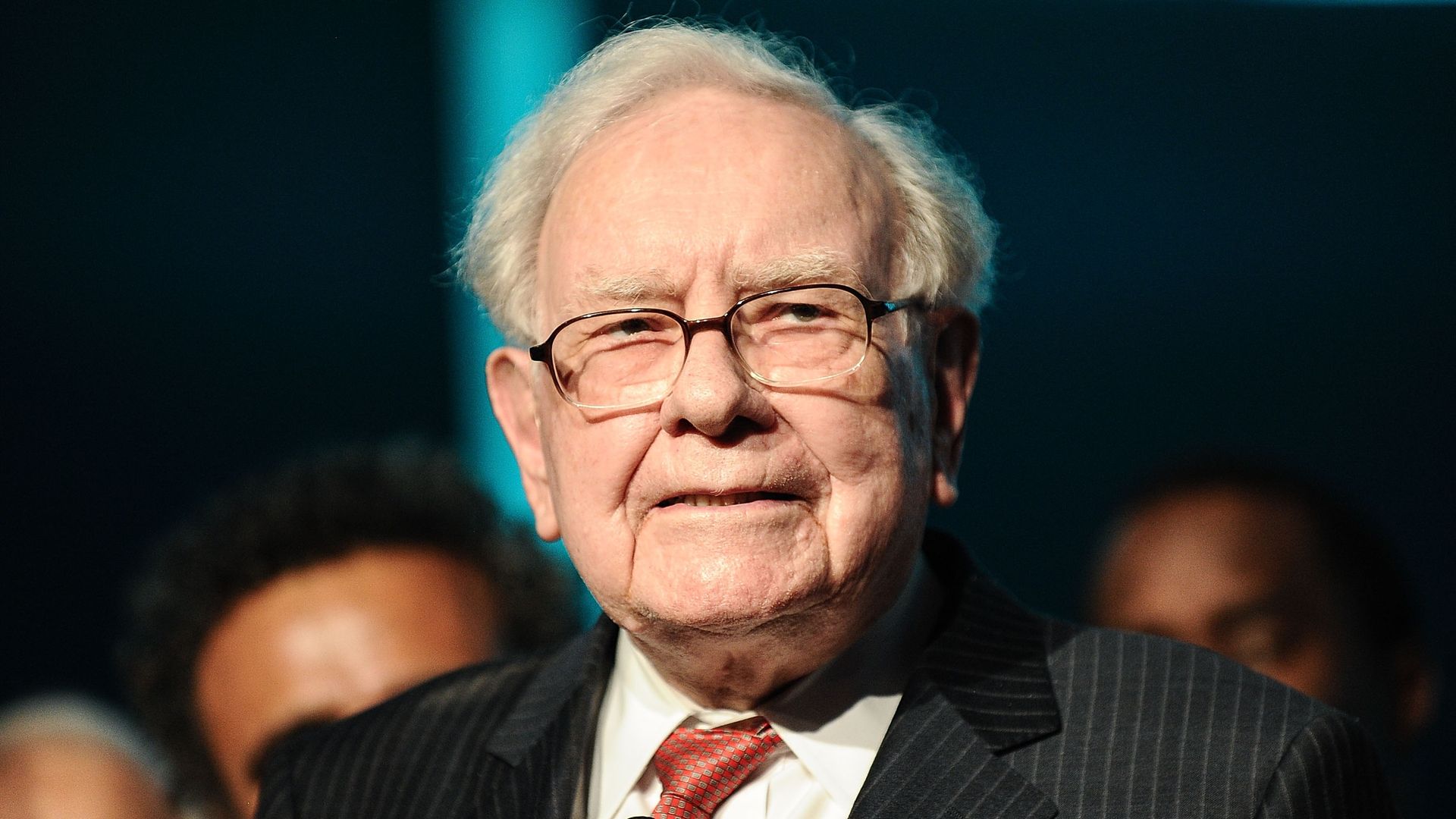
Warren Buffett's Berkshire Hathaway is purchasing $928 million in its own stock, the Wall Street Journal reports.
Why it matters: Buffett's decision is a rare one, the Journal writes, but one that reflects the state of the market. There is a lack of strong investment opportunities for the company to make with interest rates rising and growth in tech companies slowing as the year comes to a close. This is the first time since 2012 that the company has bought back its own stock, showing a new willingness to return money to its shareholders.
Midterm elections have historically been a no-lose scenario for stocks. Dating back to the 1950s, the S&P 500 has always been higher a year after the midterms, no matter the outcome. According to Capital Ideas, stocks in the year following midterms have performed twice as well as other years.
The bottom line: Markets may shrug if there is a Democratic sweep, because the next Congress is "very unlikely to undo the major market-impactful legislation that has already been passed under President Trump," like tax cuts, strategists at UBS point out.