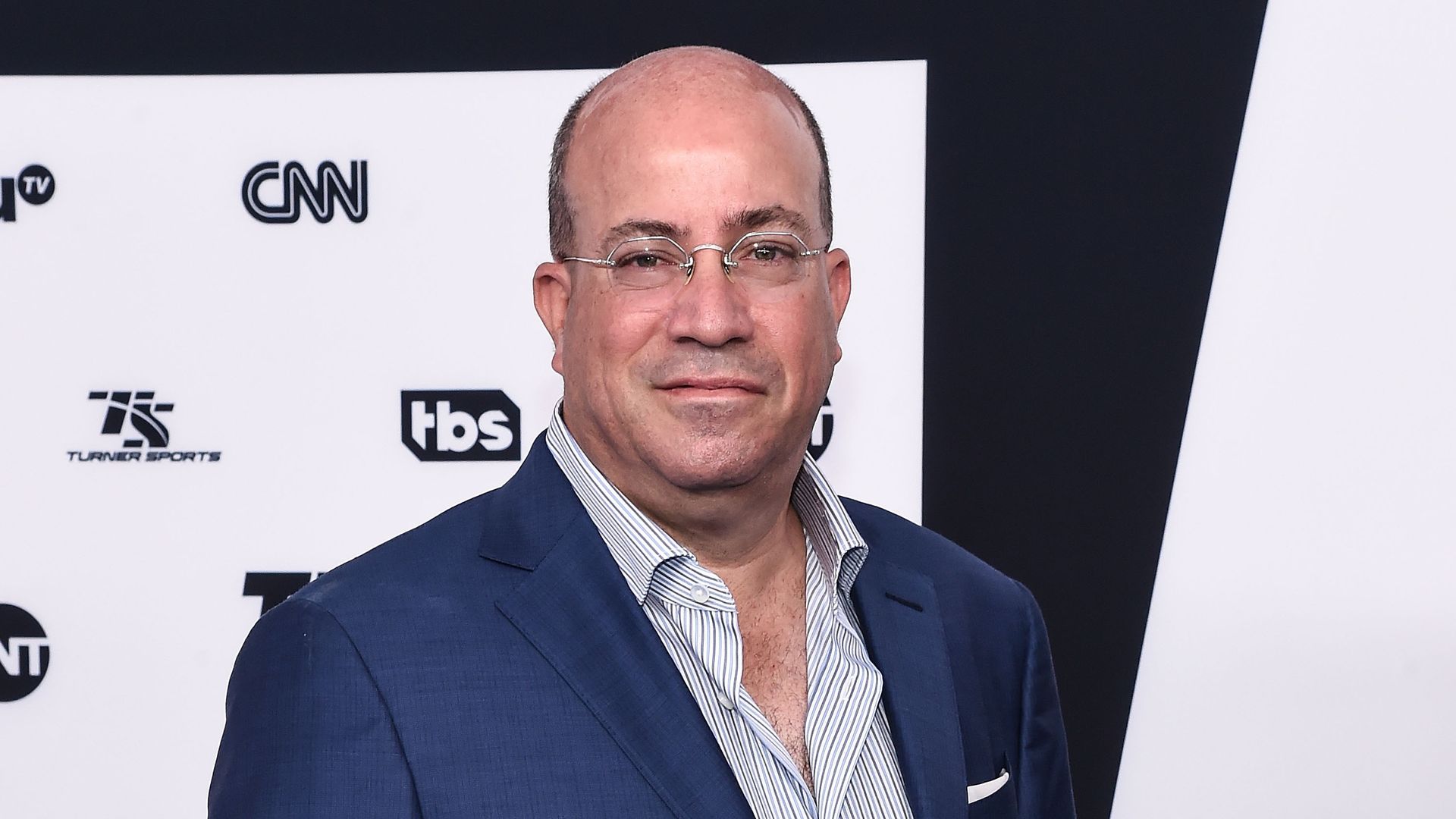
Jeff Zucker, president of CNN Worldwide, is one of the possibilities to replace ESPN president John Skipper, who abruptly resigned one month ago, according to CNN's Brian Stelter and Dylan Byers:
"Two of the [three] sources cautioned that there have not been any formal talks between Zucker and" Disney CEO Bob Iger.
Why it matters: "Zucker is a sports junkie and a live-television expert, and he knows how to manage on-air personalities — three key points for ESPN."
Los Angeles Times employees voted 248-44 to unionize Friday, after a year of tumultuous staffing and leadership drama. Later that afternoon, it was reported that publisher Ross Levinsohn would be taking unpaid leave after The Times' parent company, Tronc, launched an investigation into his "questionable behavior" reported by NPR.
Why it matters: The news occurred after many staffers signed a letter to Tronc's board of directors calling for Levinsohn's removal. The letter and union push are symbolic of The Times' employees' resistance against the new Tronc leadership.
Starz, a cable and satellite entertainment company,on Friday petitioned the Federal Communications Commission step in to resolve its carriage fight with Altice, a global telecom company that distributes the channel to American cable subscribers.
Why it matters: It's doubtful the FCC will do much to help Starz in this situation, as the agency often refrains from intervening in private negotiations.
Home security giant ADT raised $1.5 billion in its IPO, pricing fewer shares than planned at a much lower price than expected.
Why it matters: The 2018 IPO market appears to have fumbled its opening kickoff, even if ADT owner Apollo Global Management booked a strong paper profit on the first stage of its quick flip.
Robust public transportation infrastructure proved key to making the first, top-20 cut in the red-hot competition to host Amazon's second headquarters, according to a study of the company's search.
What happened: Cities like Detroit and Phoenix, which were widely expected to be short-listed, were hurt by their lack of public transportation and high congestion, says Jason Horwitz of Anderson Economic Group, a consulting firm.