Sunday's economy stories

Taking on Big Grocery, one head of lettuce at a time
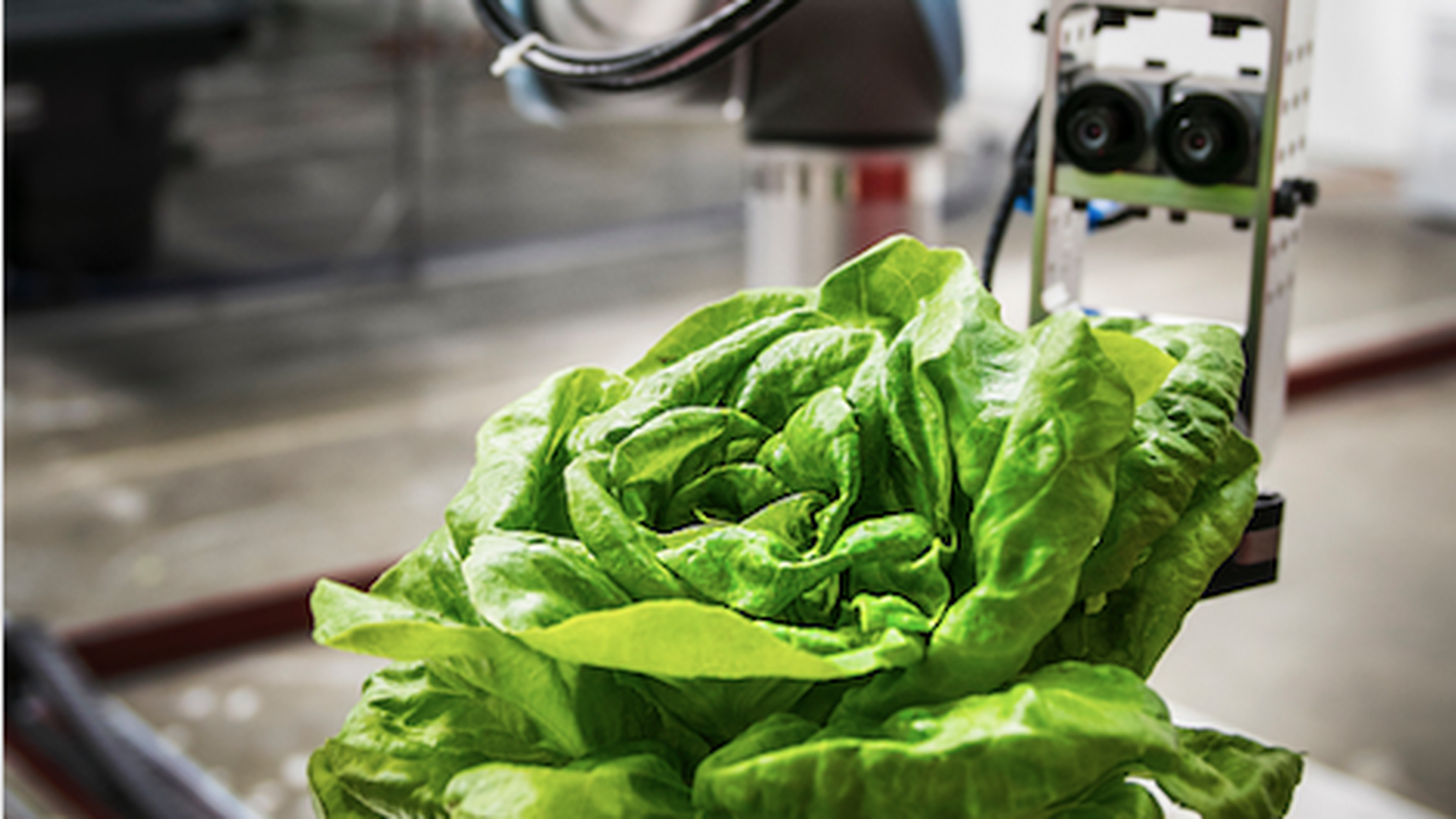
As a first order of business, the new Amazon-owned Whole Foods late last month slashed the prices of a few items, mainly avocados, apples and other fresh produce. That led to a lot of relief in the grocery industry: unlike its scorched-earth decimation of book-selling, electronics and apparel, Amazon did not seem, at least for now, to be seeking conquest of groceries.
But Brandon Alexander, a robotics specialist formerly of Google X, wasn't among those sighing. As he saw it, Amazon was declaring war on the grocery industry's underbelly: consumers would willingly shop on-line for almost every other product sold by Safeway and Kroger's, but not their head of lettuce, their ear of corn, their peaches or tomatoes.

Look what streaming made the Billboard charts do
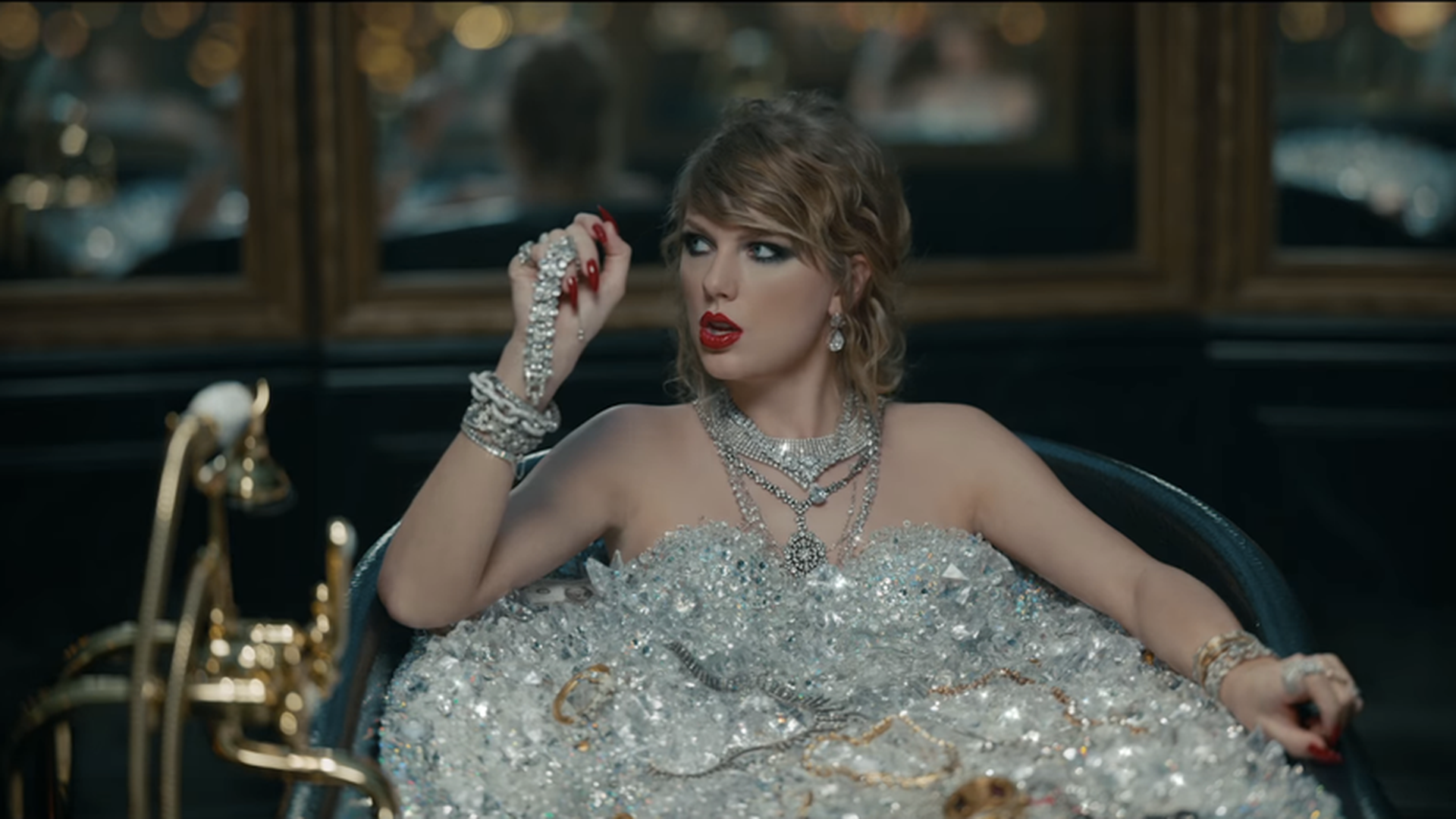
Taylor Swift's "Look What You Made Me Do" blasted to the top of the Billboard Hot 100 this week, ending a 16-week reign by the nation's song of the summer, "Despacito." But it's not exactly clear to most people how the country's hits — a source of both trendsetting and bragging rights across the music industry — are chosen.
How it's computed: According to Billboard, the Hot 100 chart comes together via a mix of three factors: song sales (35-45%), radio airplay (30-40%), and, crucially, online streaming (20-30%). Since 2014, Billboard has counted 1,500 plays of a song as one album sold, per the NYT.
Why it matters: Even though it makes up the smallest piece of the pie, Billboard's use of streaming has potentially the biggest impact on its charts — and the industry as a whole. It's perhaps most indicative of listeners' immediate tastes, which allows both zeitgeist-y artists like Taylor Swift to fly to the top spot and larger labels to attempt to game the system to their advantage.