It took eight years, but U.S. employment — at least when it comes to the numbers of jobs — is finally back from the recession. And women, African-Americans and baby-boomers have led the way.
Ryan Nunn, an economist with the Hamilton Project, tells Axios that, adjusting for population growth, all the jobs lost in the 2009 recession are now restored. But, he said, "there's been a very different recovery for different kinds of Americans." Hamilton released a report on Friday detailing these results, using monthly jobs figures released by the federal government.
Data: Bureau of Labor Statistics; Graphic: Chris Canipe / Axios
The western work force is in tumult, upset over stagnant wages, a loss of status, and the roiling of their accustomed world. Politicians like Donald Trump promise to do something about it. But does private industry have an obligation to step in as well?
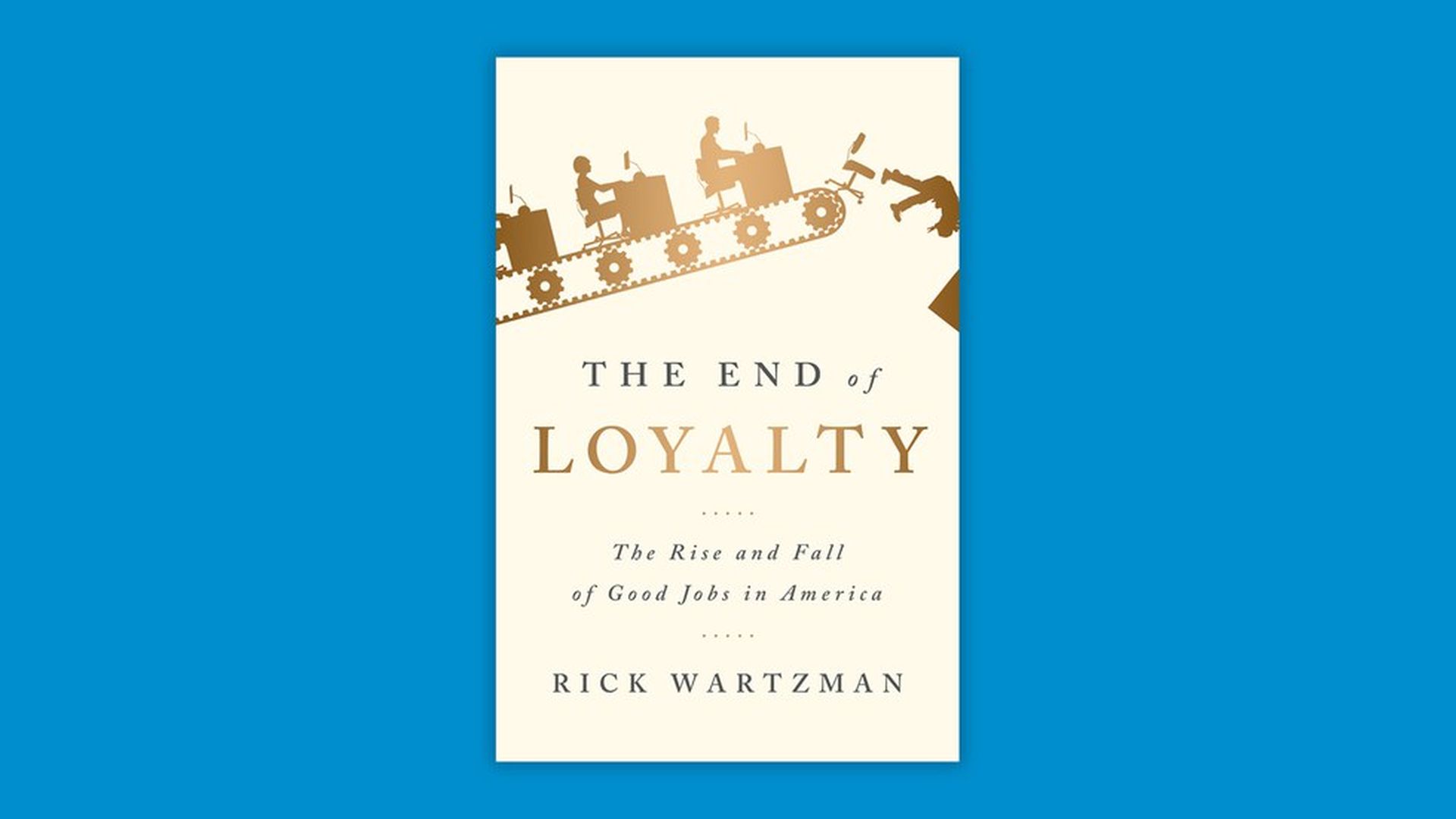
In his sharply framed and important new book, The End of Loyalty, Rick Wartzman tells us that the answer is yes. Globalization and automation are "among the forces that have caused the social compact to unravel," he tells Axios. "But the gasoline on the fire is the shift in corporate culture away from a very explicit balancing of the interests of all stakeholders, including workers, and the movement to maximizing shareholder value."
The bottom line: Wartzman does not expect a return to the corporate paternalism of the 1940s, 1950s and 1960s, but sees upside in revisiting "how the pie is divided. That is a choice corporate leaders make," he said. "Companies have a responsibility to take the lead in sharing more broadly. It's in their interest to do so."