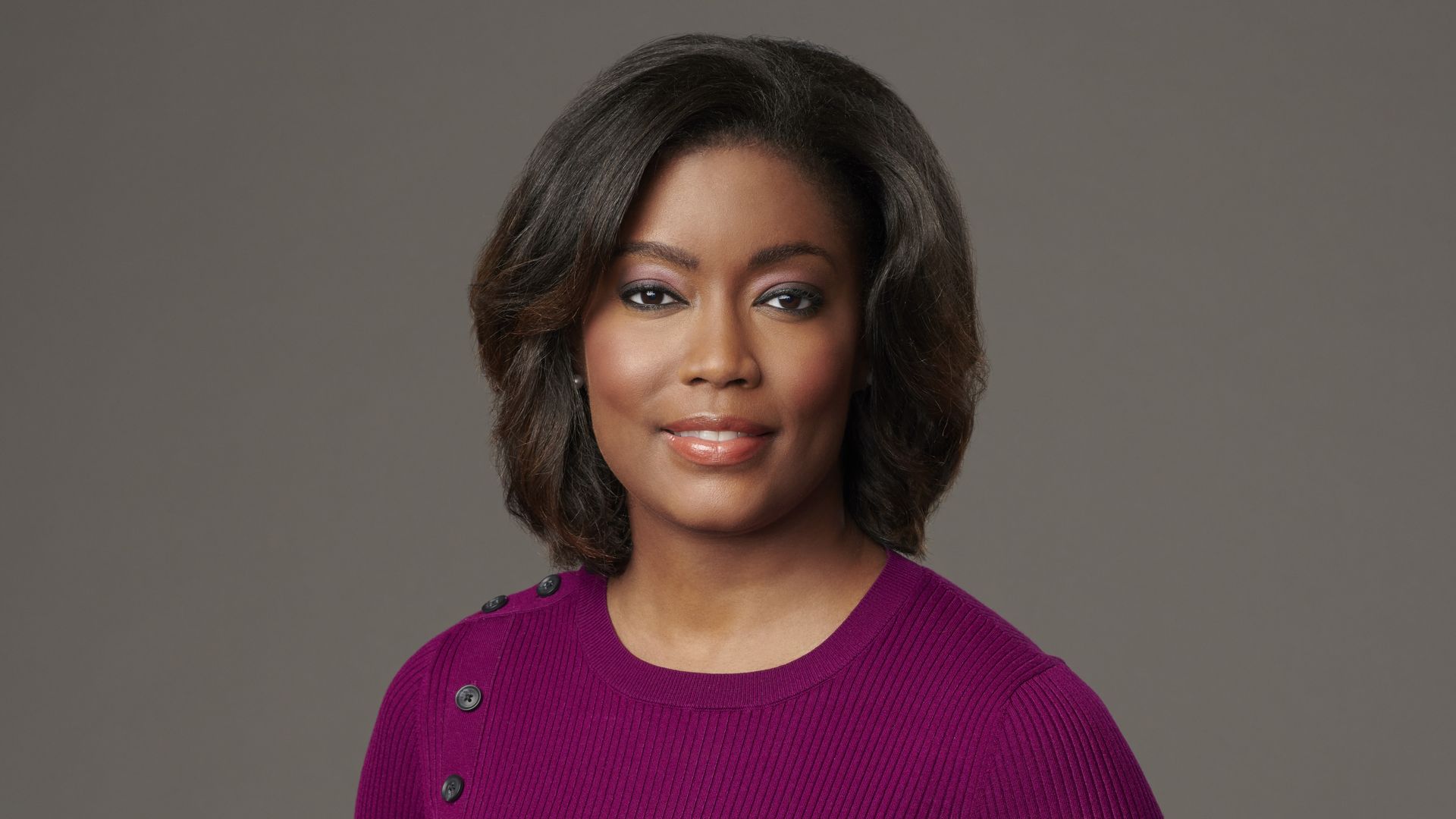
Rashida Jones will be the next president of MSNBC, Axios has confirmed. She will replace longtime MSNBC executive Phil Griffin when she starts on Feb. 1.
Why it matters: Griffin has been with MSNBC since it was founded 25 years ago and has worked in the NBC News family for 35 years. His legacy includes hiring and elevating major talent, including Rachel Maddow, Joe Scarborough and Mika Brzezinksi, as well as overseeing the launches of major programs both in daytime and prime time.
Uber said Monday it will sell its self-driving research unit, Advanced Technologies Group (ATG), to Aurora Innovation and will invest $400 million in ATG's Silicon Valley rival.
Why it matters: Uber's decision to abandon self-driving car R&D is an acknowledgment that autonomous vehicle technology is still a long way off, with no certain payoff in sight.
Nearly nine months since the CARES Act became law, ensuring that an economic recession didn't become a depression, Congress is finally close to a successor bill.
Axios Re:Cap digs into the negotiations, and what took so long, with Rep. Josh Gottheimer (D-N.J.), co-chair of the bipartisan Problem Solvers Caucus, which has taken the lead in crafting new legislation.
CEO confidence rebounded above pre-pandemic levels this quarter, according to a survey of 150 chief executives of the largest U.S. companies by lobbying group Business Roundtable.
Why it matters: The index, which is still below the record high seen in the wake of Trump's corporate tax cuts, reflects corporate America's expectations for sales, hiring and spending — which hit rock bottom when the pandemic hit. Now CEOs are feeling even better than before the coronavirus roiled the economy.
The World Economic Forum announced Monday that it will convene its annual meeting this summer in Singapore instead of the iconic Swiss ski town of Davos "in light of the current situation with regards to COVID-19 cases."
Why it matters: Singapore has earned praise for its success in combatting the coronavirus, reporting 58,260 cases since the start of the pandemic and only 213 over the last month, according to data from Johns Hopkins University.
Several merger agreements collapsed earlier this year, with acquirers arguing that COVID-19 had rendered the original deal terms moot. Target companies claimed it was little more than buyer's remorse — there were suits and countersuits.
Driving the news: One of the larger disputes, between Mirae Asset Global Investments and Anbang Insurance Group, was decided last week by a Delaware judge in favor of the buyer. And his rationale could have wide-ranging implications.
A group of top economists have perked up their expectations for U.S. growth next year, predicting the economy will bounce back to its 2019 level earlier than expected.
What's happening: The National Association for Business Economics released its latest outlook showing 73% of panelists believe that the economy will have returned to pre-pandemic GDP levels by the second half of 2021.
Friday's jobs report was weaker than expected, showing a gain of 245,000 jobs — far short of the expected 450,000 and further short of October's 610,000 — and painted perhaps the clearest picture yet of the seismic shift happening to the U.S. labor market.
What happened: While the headline number was disappointing, the report's most telling negative was the decrease in labor force participation and the increase of 400,000 people who said that they wanted to work but did not look for a job during the month.
Even after sinking by 13% since its March peak and coming off its worst week in a month, the dollar's downward spiral has gone largely unmentioned by central banks. But that could change as the values of many major currencies have strengthened to their highest levels in years against the greenback.
Why it matters: The dollar's decline could add significant challenges to the recovery of export-oriented economies like the eurozone and Japan, which prefer weaker currencies that make their products more attractive to foreign buyers.