Alibaba Group is moving forward with a secondary stock listing in Hong Kong that could raise more than $15 billion by the end of November, per multiple media reports.
Why it matters: This would rank as the ninth-largest equity float of all time, or tenth if Saudi Aramco somehow gets out first, with Alibaba's New York IPO currently in top position.
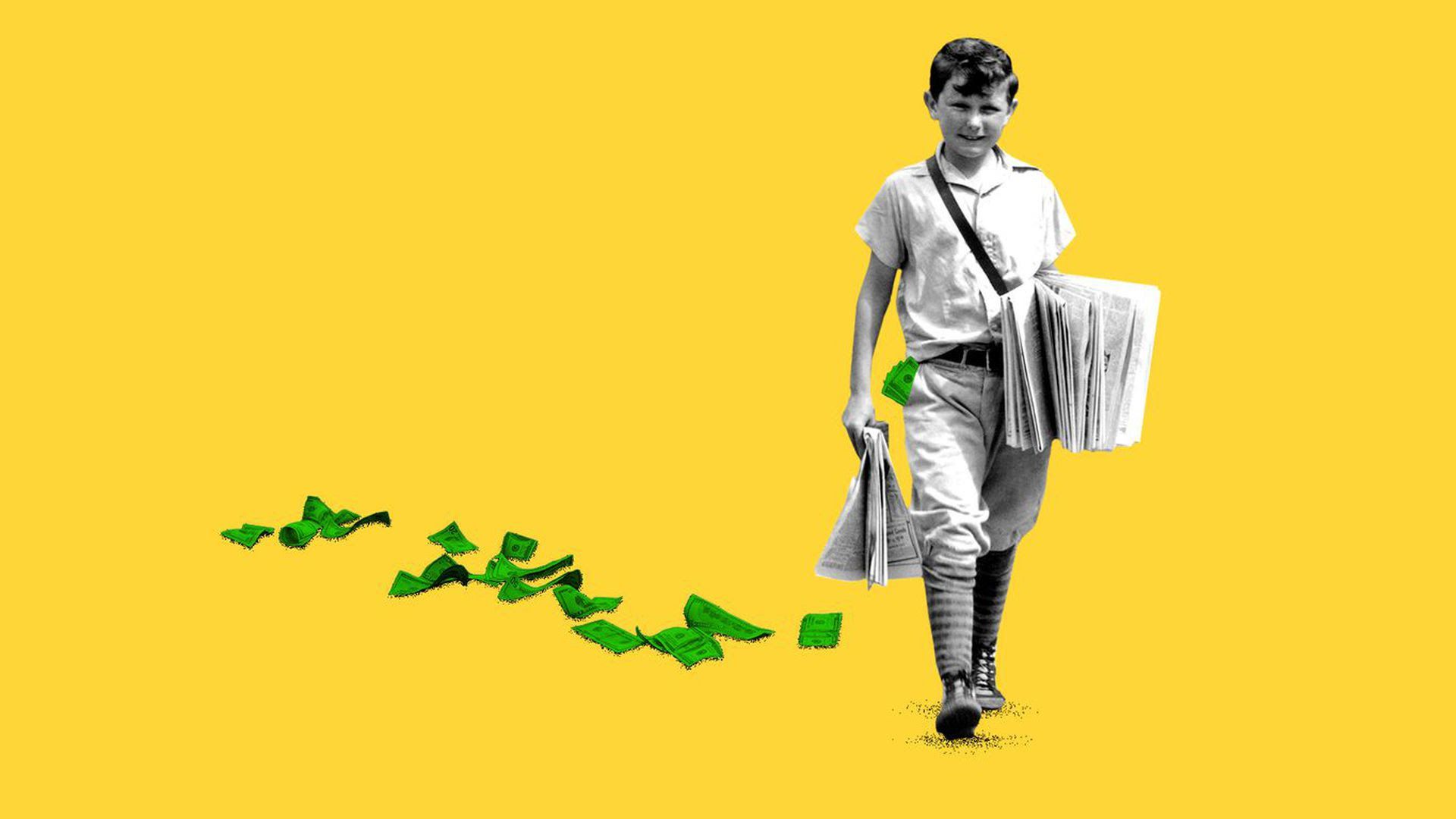
Media companies are looking to transition into the non-profit world for survival, as non-profits can accept donations while still selling advertising space, like AARP.
Driving the news: A small Quebec newspaper called The Gleaner, facing near collapse, was salvaged by a community that instead worked together to pivot the for-profit media company into a non-profit, Nieman Lab reports.
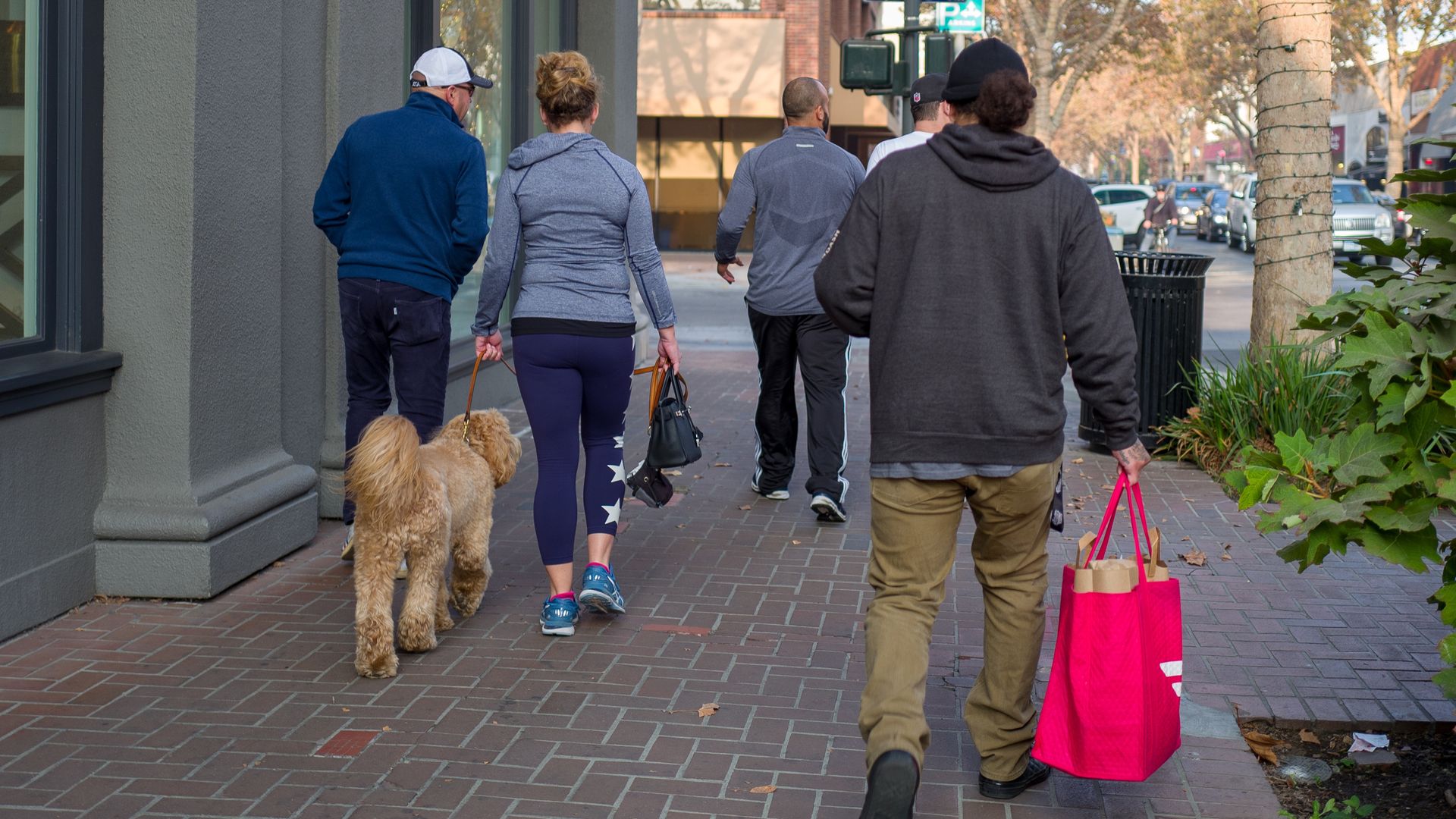
Food delivery company DoorDash says an outside firm, Beacon Economics, has completed a preliminary analysis of courier earnings under its new pay model, and found they're earning more — 12.5% more per work hour.
Yes, but: The company has only analyzed earnings for the last month under its previous pay model (August) and the first full month under its new model (October).
Known unknowns abound about the Saudi Aramco IPO expected this year on Saudi Arabia's' domestic exchange, including what the offer price will be and just how much of the company will be floated.
The big picture: Even still, the expected sale of just a tiny percentage of the company valued at well over a trillion dollars could be the biggest IPO in history.
Alibaba's Singles' Day delivered roughly $38.4 billion in sales Monday, 26% higher than the previous year's total.
The intrigue: The one-day Chinese festival, a corporate-created answer to Valentine's Day, recorded sales that were billions of dollars higher than the combined total expected from Thanksgiving, Black Friday and Cyber Monday shopping in the U.S., according to projections from Adobe Analytics.
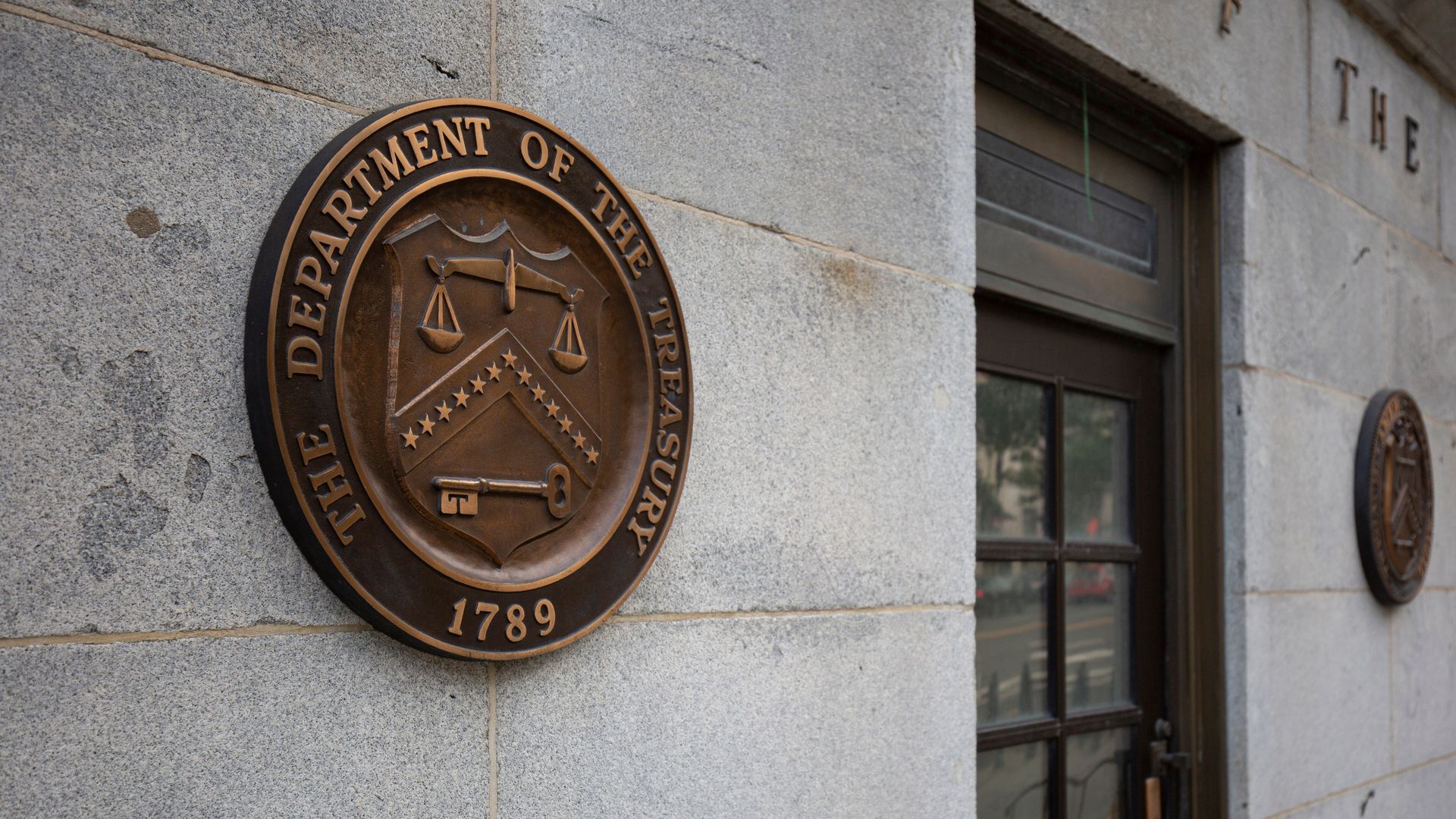
The U.S. bond market was closed on Monday to commemorate Veterans Day, pausing a massive selloff in U.S. Treasuries that has taken yields on the benchmark 10-year Treasury note to their highest level since the start of August.
Why it matters: The Treasury market has provided a more accurate reflection of U.S. economic data so far this year, and rising yields show safe-haven bonds are losing their appeal.
The trade war is starting to hit home for more Americans, affecting their buying habits and expectations about the economy, data from research firm CivicScience shows.
Why it matters: Tariffs imposed on Chinese goods have largely avoided items purchased directly by consumers so far, but as the trade war has dragged on, more firms are having to pass costs on to customers. This could increase inflation or cause a pullback in consumer spending, which has been the driving force behind the U.S. economy's strength this year
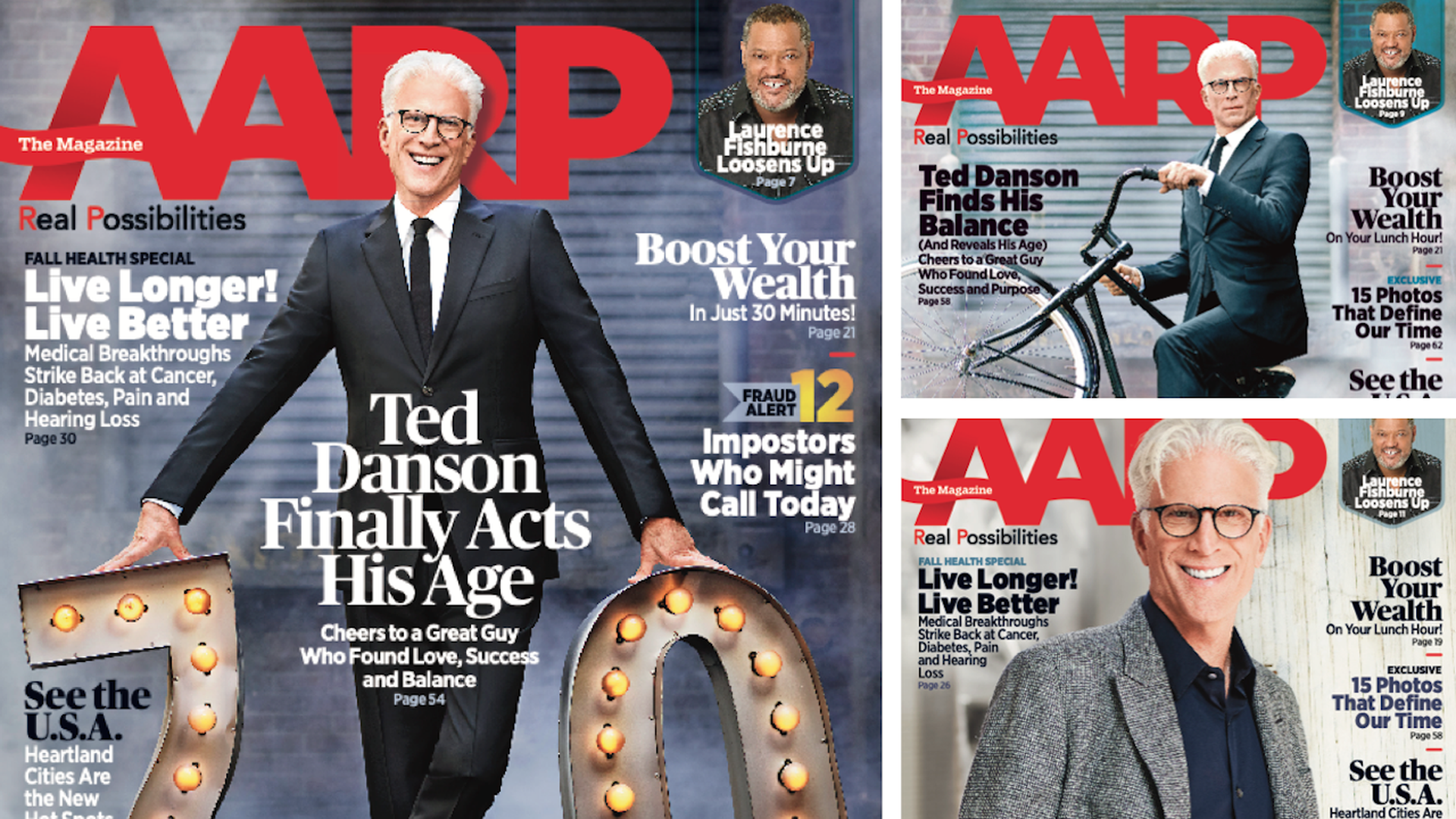
AARP, formerly known as The American Association of Retired Persons, is one of the largest media companies in the country, bringing in more than $174 million annually in media-based advertising revenue, according to public filings.
"OK, millennials. But we're the people that actually have the money," Myrna Blyth, senior vice president and editorial director of AARP Media, said in an interview with Axios, referencing the popular "OK, boomer" tagline that youngsters are using to poke fun at older people online.
Disney+, the company's streaming service, officially launched Tuesday in the U.S., Canada, and The Netherlands.
Why it matters: The service will be the flagship product to define the career of Disney CEO Bob Iger. On an earnings call last week, Iger called the launch "one of our most ambitious initiatives to-date."
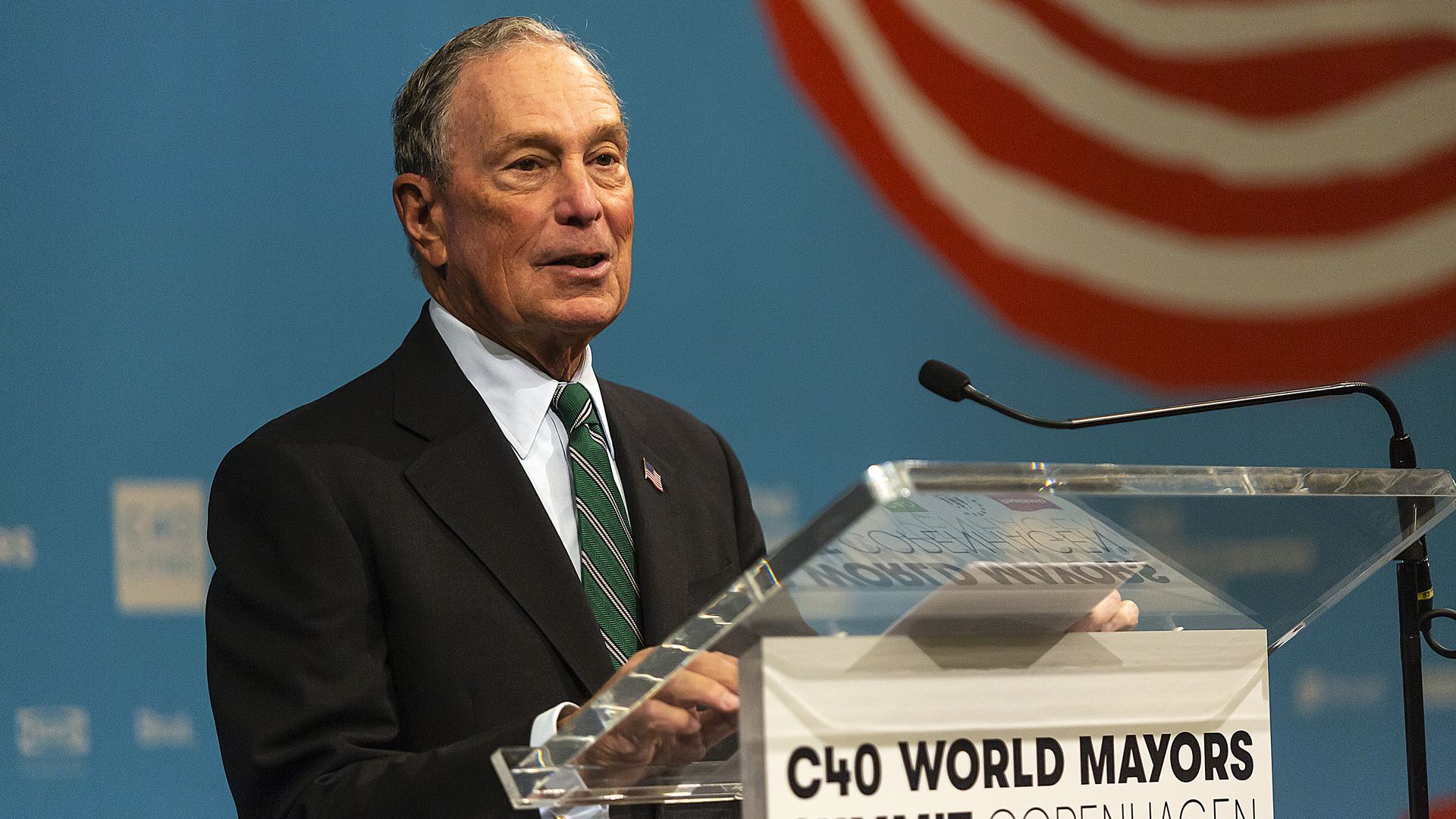
Former New York Mayor Michael Bloomberg dipped his toe into the 2020 election water last week, and some investors are already salivating.
What it means: Analysts at investment bank Cowen and Co. argue in a recent whitepaper that Bloomberg's policies would provide the market a big boost, even though they argue the billionaire is "unlikely to substantially ease regulatory policies" and " is actually likely to toughen some capital and consumer protection rules."
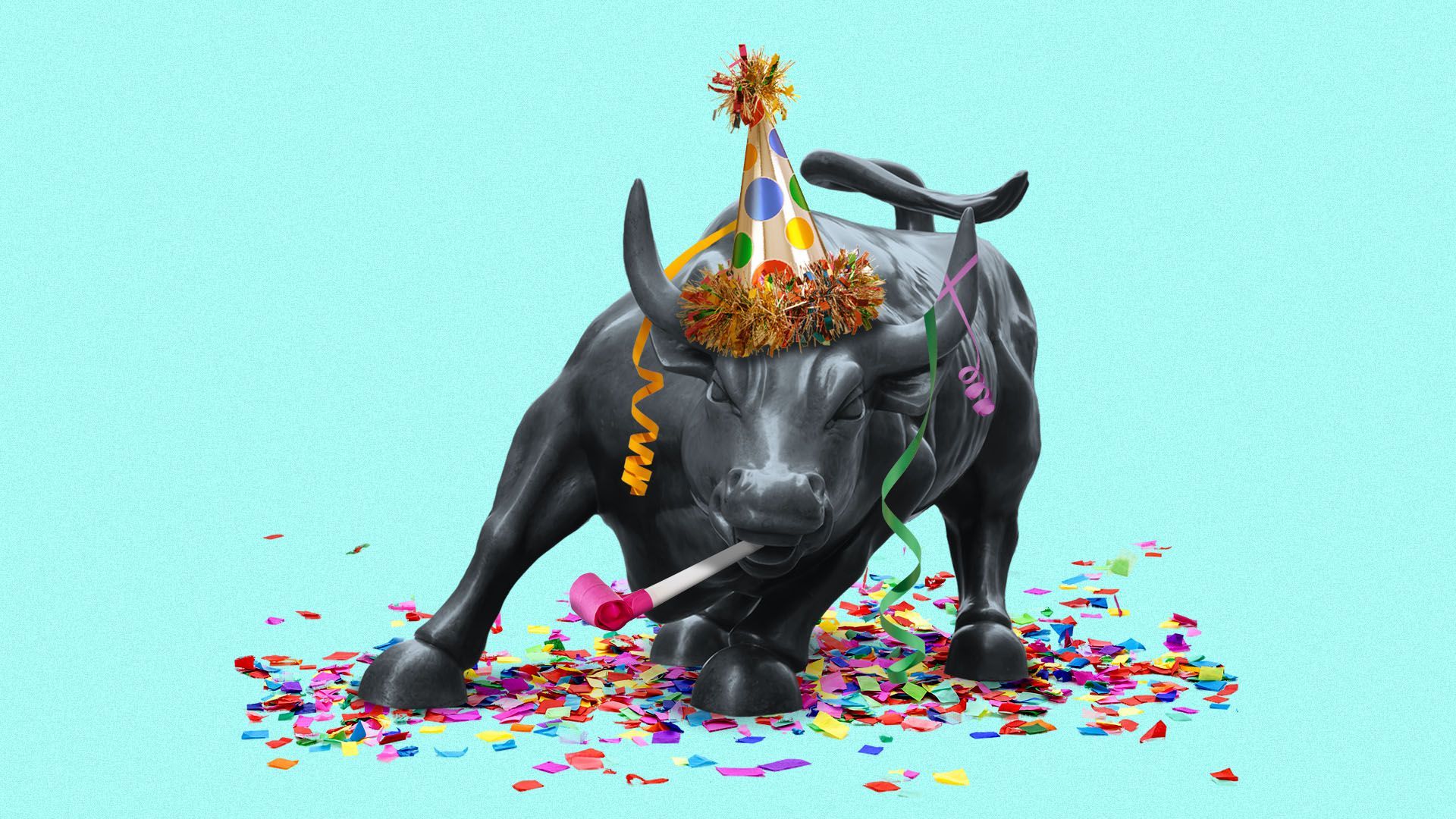
Investors put their recession umbrellas back in the closet last week and broke out their party hats, as all three major U.S. stock indexes hit fresh record highs. The market is bullish on the expected pause in President Trump's trade war with China and market participants have plenty of ammo to drive stocks higher.
What's happening: Investors are moving back into risky assets like stocks in a big way and selling out of traditionally safe ones.