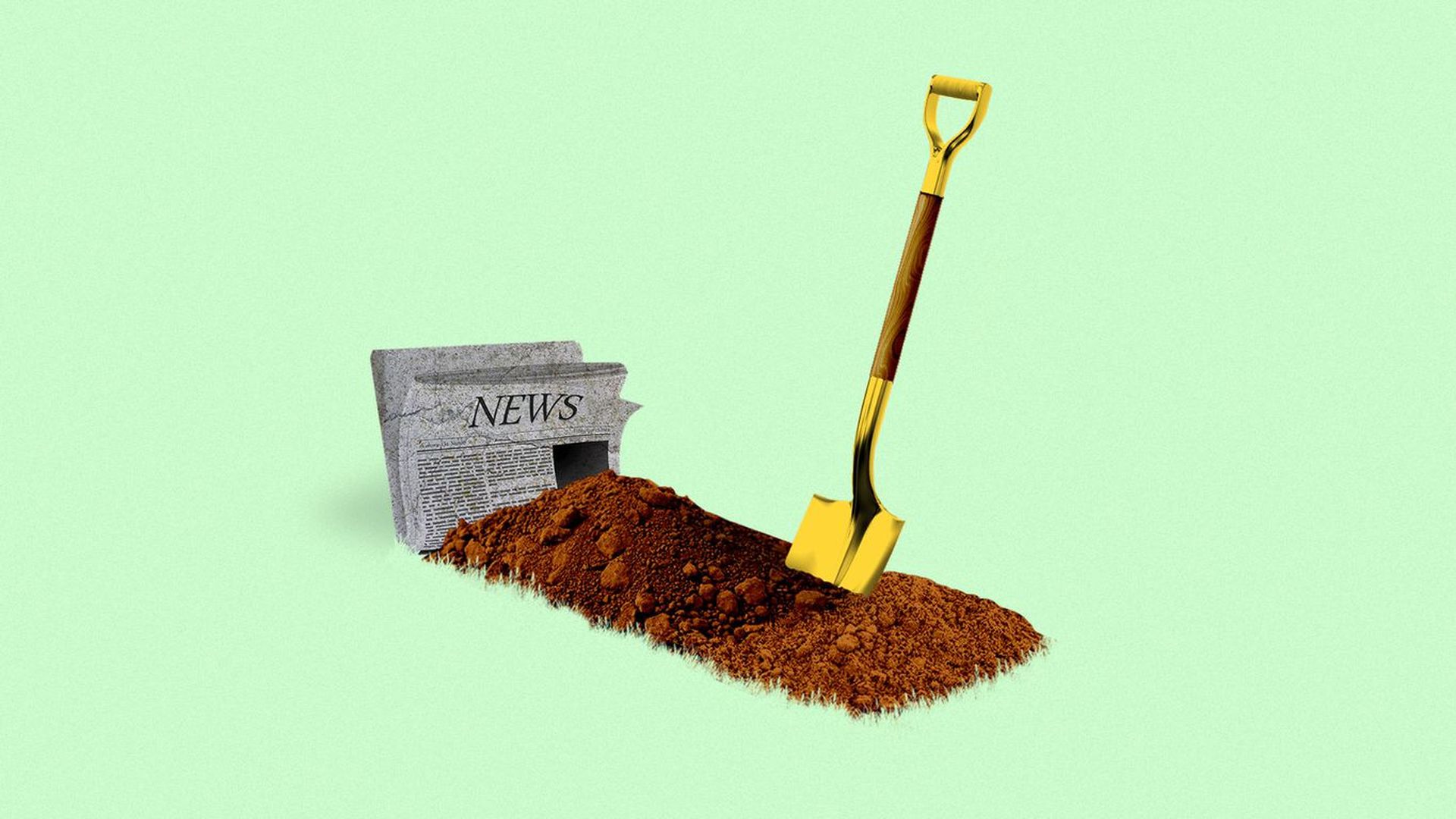
The legacy media business hasn't seen an IPO for a very long time. Instead the big trend is the other way around: public companies being taken private.
The big success story is the Washington Post, which traded under the ticker symbol WPO before it was bought by Jeff Bezos for $250 million. Under his aegis, investments no longer need to generate an immediate improvement in the bottom line. The result is a revitalized property that's almost certainly worth much more than Bezos paid for it — were he to want to sell it, which he doesn't.
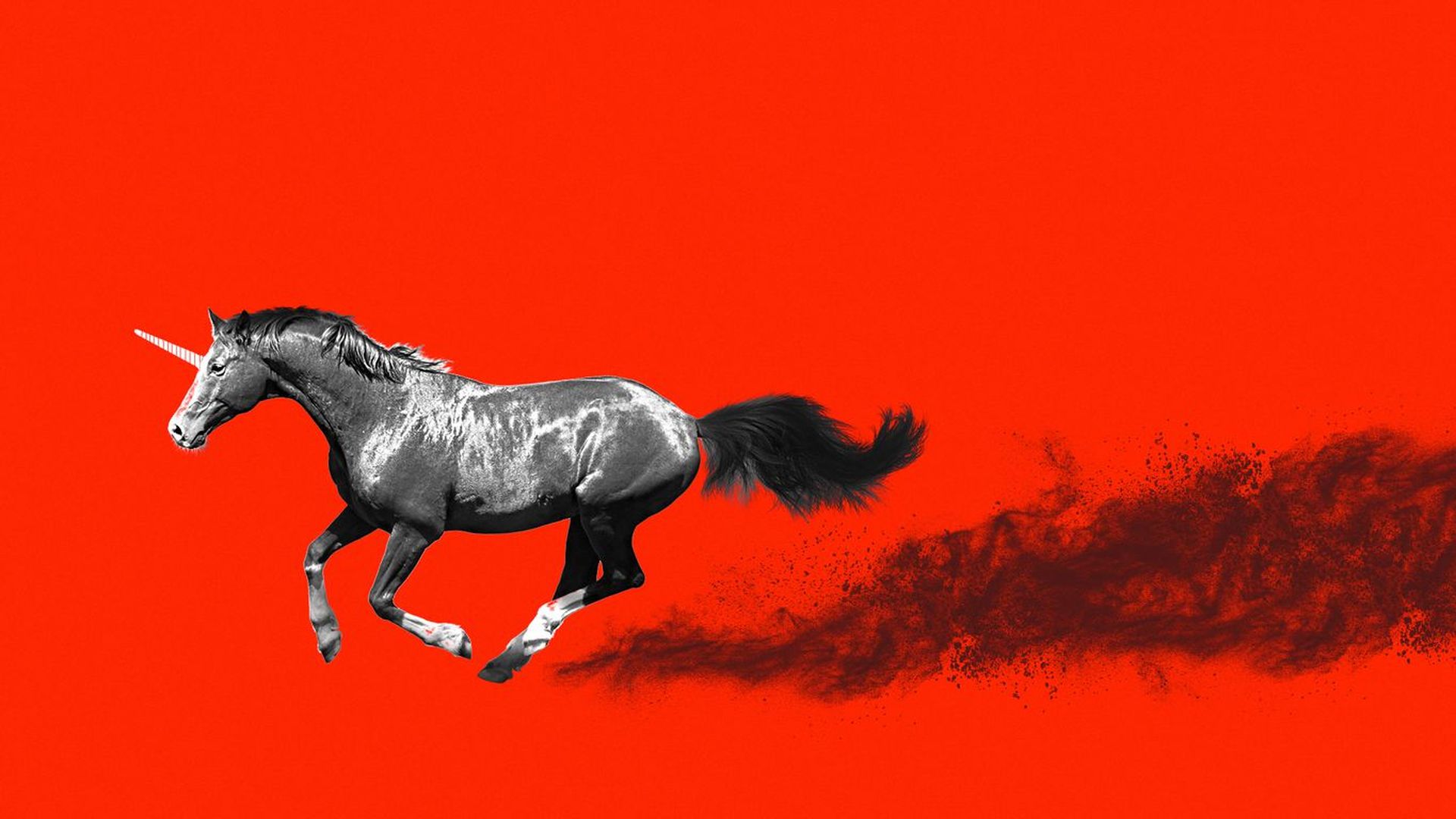
They were called "unicorns" for a reason: No one really knew whether Silicon Valley's fabled billion-dollar valuations were real, or whether they were a mixture of delusion and financial engineering that would evaporate upon contact with harsh public-market realities.
Flashback: An influential paper in 2017 declared that, properly valued, most so-called unicorns were actually worth less than $1 billion. The paper downgraded Zoom's valuation to $500 million from $1 billion. Other unicorns imploded either before they went public (Theranos) or afterwards.
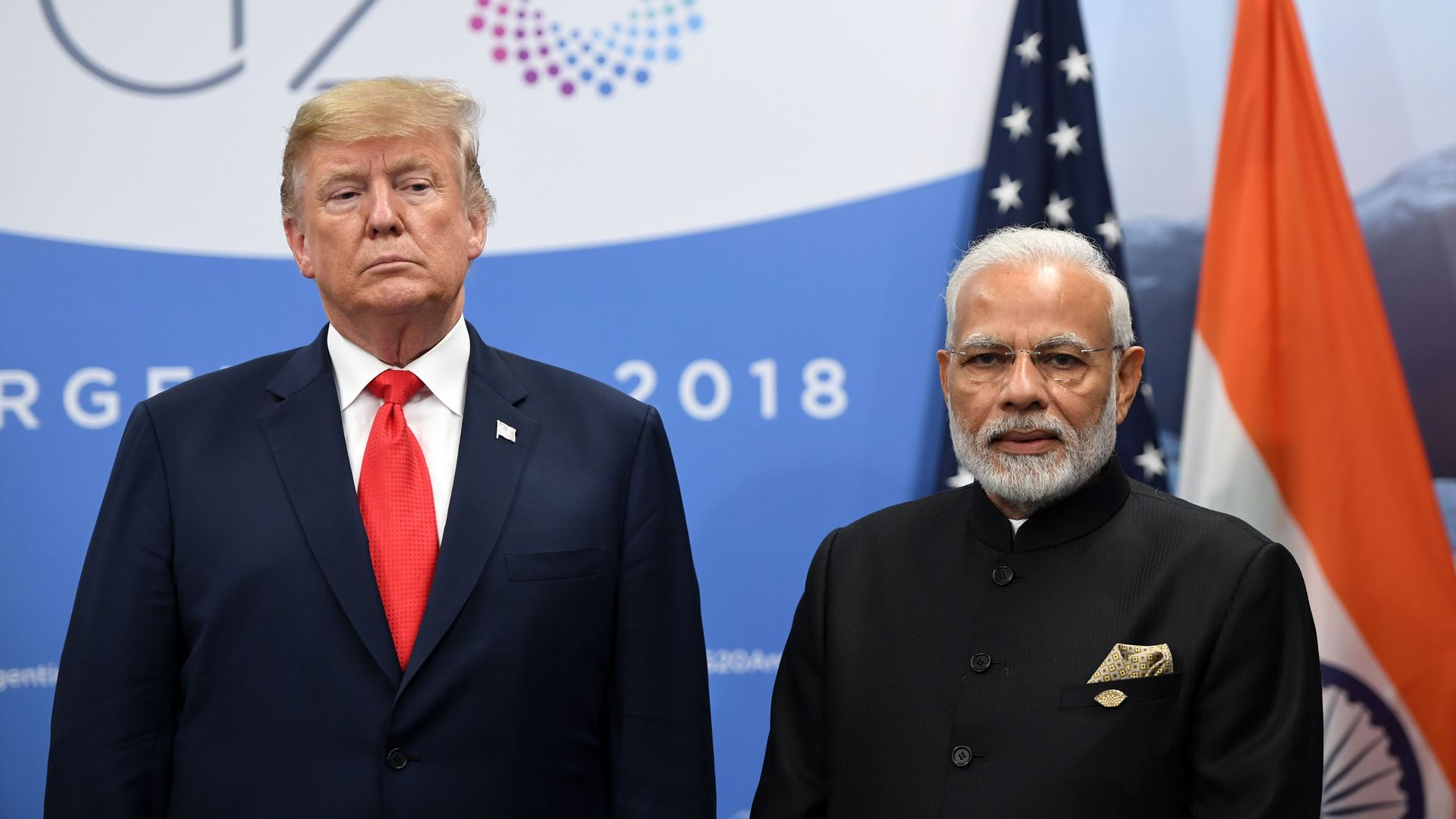
India announced it's imposing higher tariffs on 28 U.S. products from Sunday, after Washington withdrew the South Asian country's preferential trade status.
Why it matters: It's the latest escalation in President Trump's trade war, designed to cut U.S. deficits. The tariffs on products including almonds and apples are as high as 70% on some items and are in response to Washington's refusal to exempt Delhi from higher taxes on steel and aluminium imports, the BBC notes.
Why it matters: The Chinese market is as crucial to U.S. film studios— 20th Century Fox, Paramount, Disney, Sony pictures, etc. — as it is to any other U.S. industry. China is projected to have the world's biggest moviegoing audience by 2020, according a PricewaterhouseCoopers study.