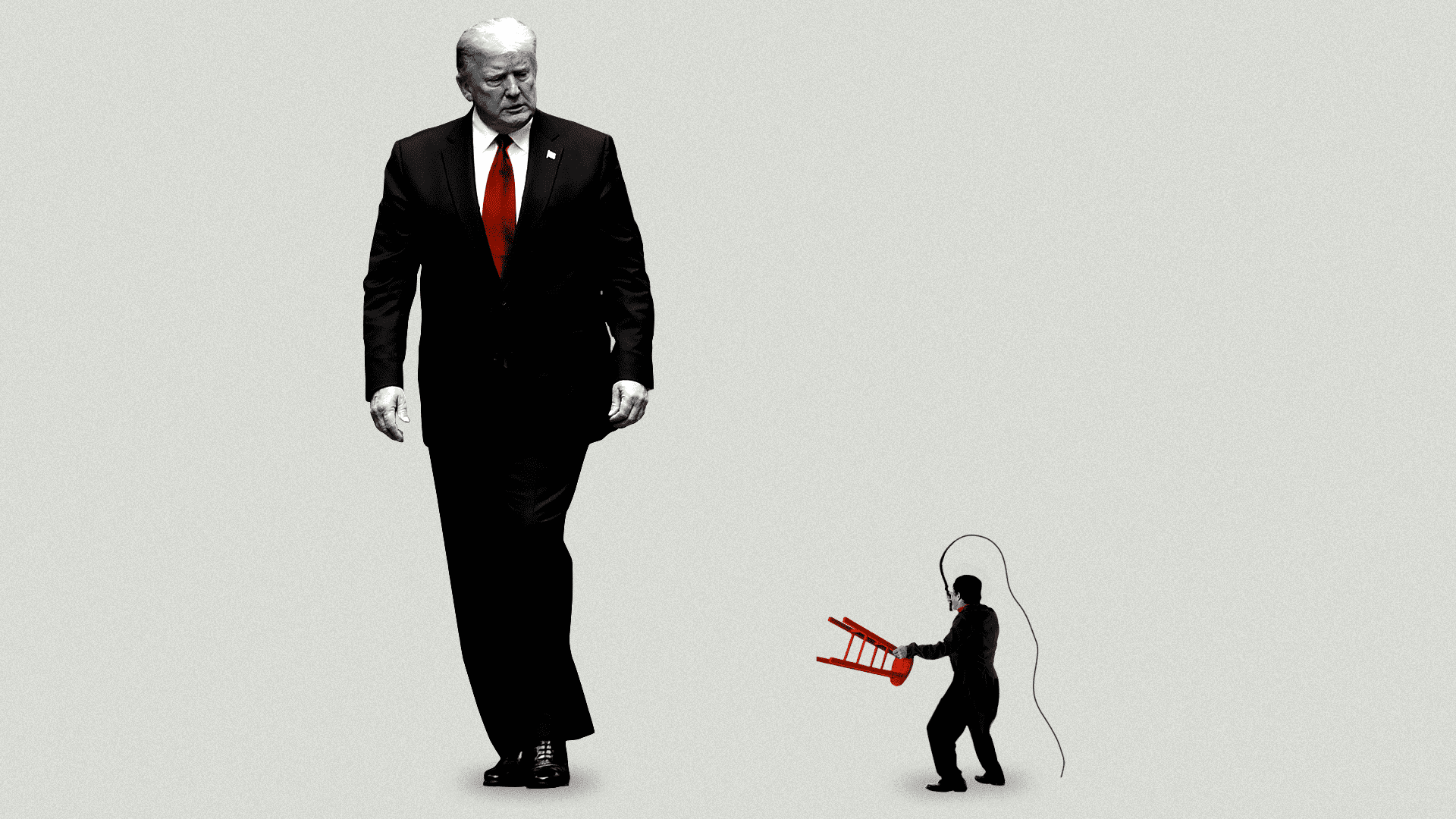
President Trump has threatened and bludgeoned his way into an unwanted confrontation with the U.S. business community that could have far-reaching implications for the future of presidential power over trade.
Driving the news: Trump's blunt use of presidential leverage to force the Mexican government to harden its immigration enforcement appears to have caused an unintended side effect: U.S. business leaders have begun urgently discussing strategies to claw back the virtually unchecked trade powers that Congress has handed over to presidents during the past 80 years.
Chewy is going public this week, carrying a valuation of about $7 billion, roughly twice what the company sold for in 2017. It too has a special class of shares. Its largest shareholder, BC Partners, will control 98.8% of the votes after the offering is over.
Between the lines: Chewy has never turned a profit, and it burned through $63.3 million of cash in the quarter ending on May 5. At that rate, the $101 million it plans to raise in the IPO will last just 21 weeks.
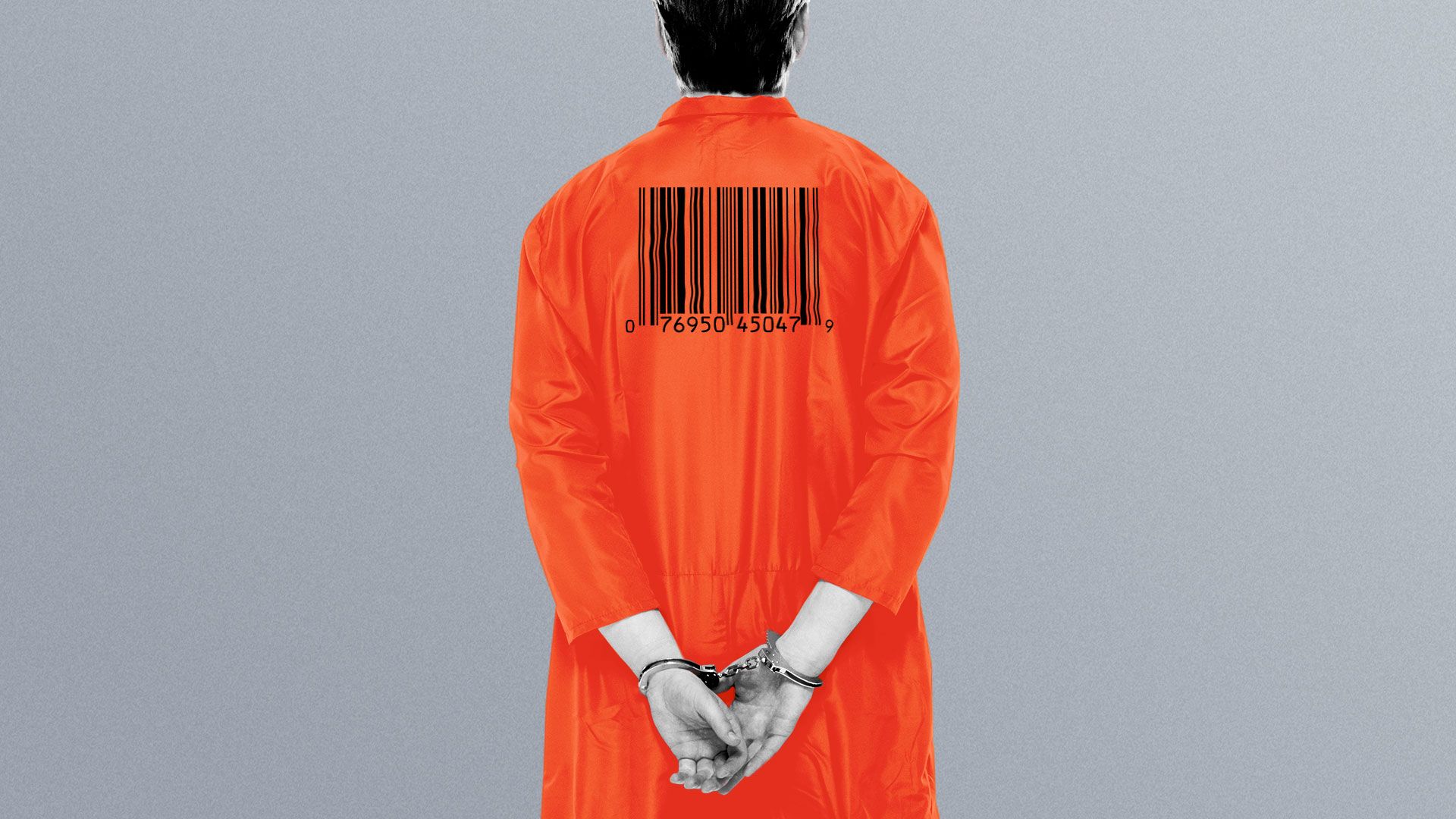
A handful of American businesses have their fingers in almost every aspect of prison life, raking in billions of dollars every year for products and services — often with little oversight.
The big picture: Taxpayers, incarcerated people and their families spend around $85 billion a year on public and private correction facilities, bail and prison services, according to the Prison Policy Initiative.
The long jobs boom, a pillar of confidence in the U.S. economy, has hit what economists say is a self-inflicted hiccup: President's Trump's multiple trade wars.
What to watch: As Americans have done for a decade and longer, they — along with Trump himself, running for re-election next year — will likely rely on the Fed to come to the rescue.
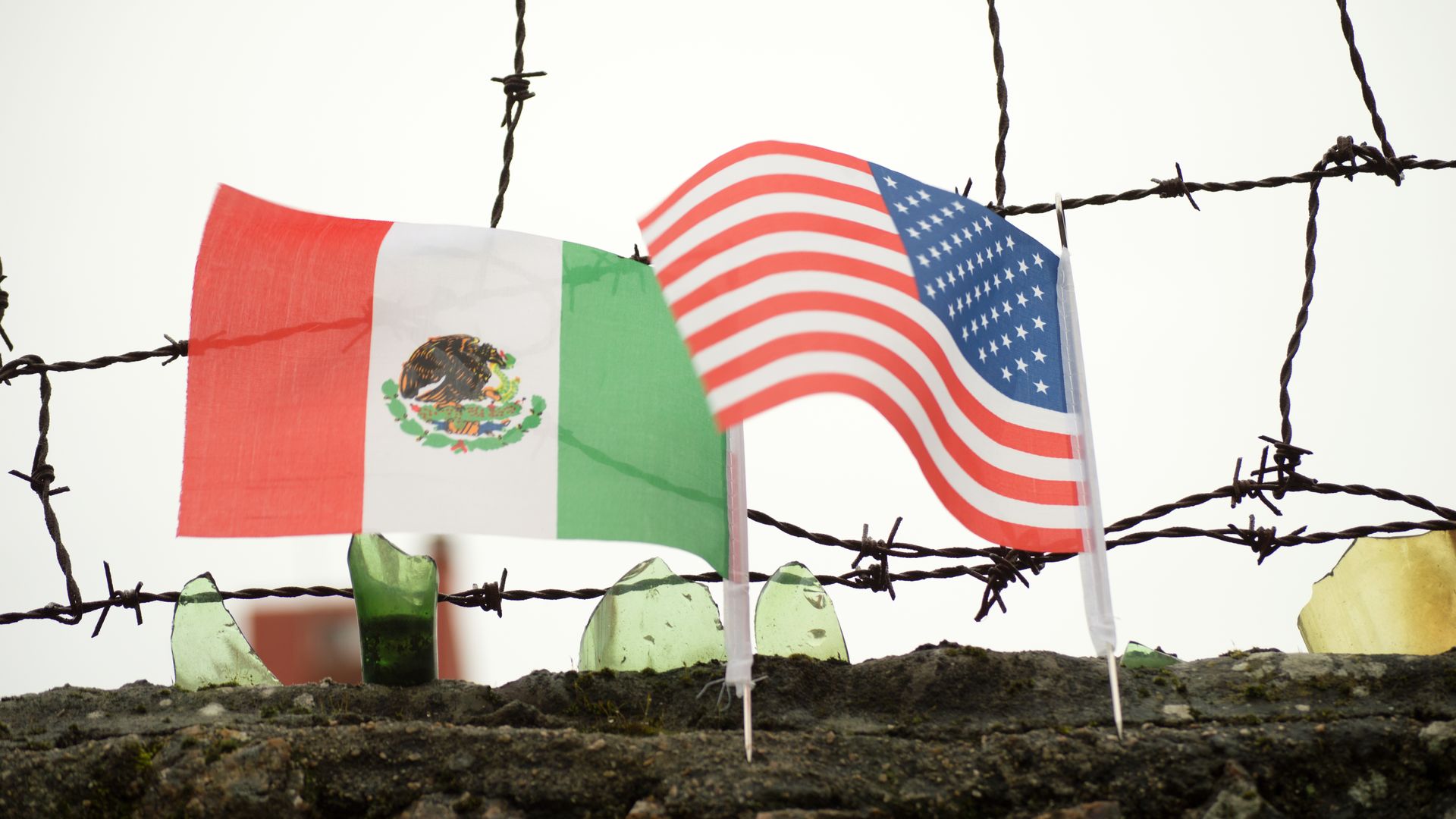
President Trump announced on Twitter Friday evening that tariffs against Mexican goods were "indefinitely suspended" following Mexico's agreement to take stronger measures to curb immigration across the southern border of the U.S.