Tuesday's economy & business stories

Car marketplace Carvana acquires Bay Area startup
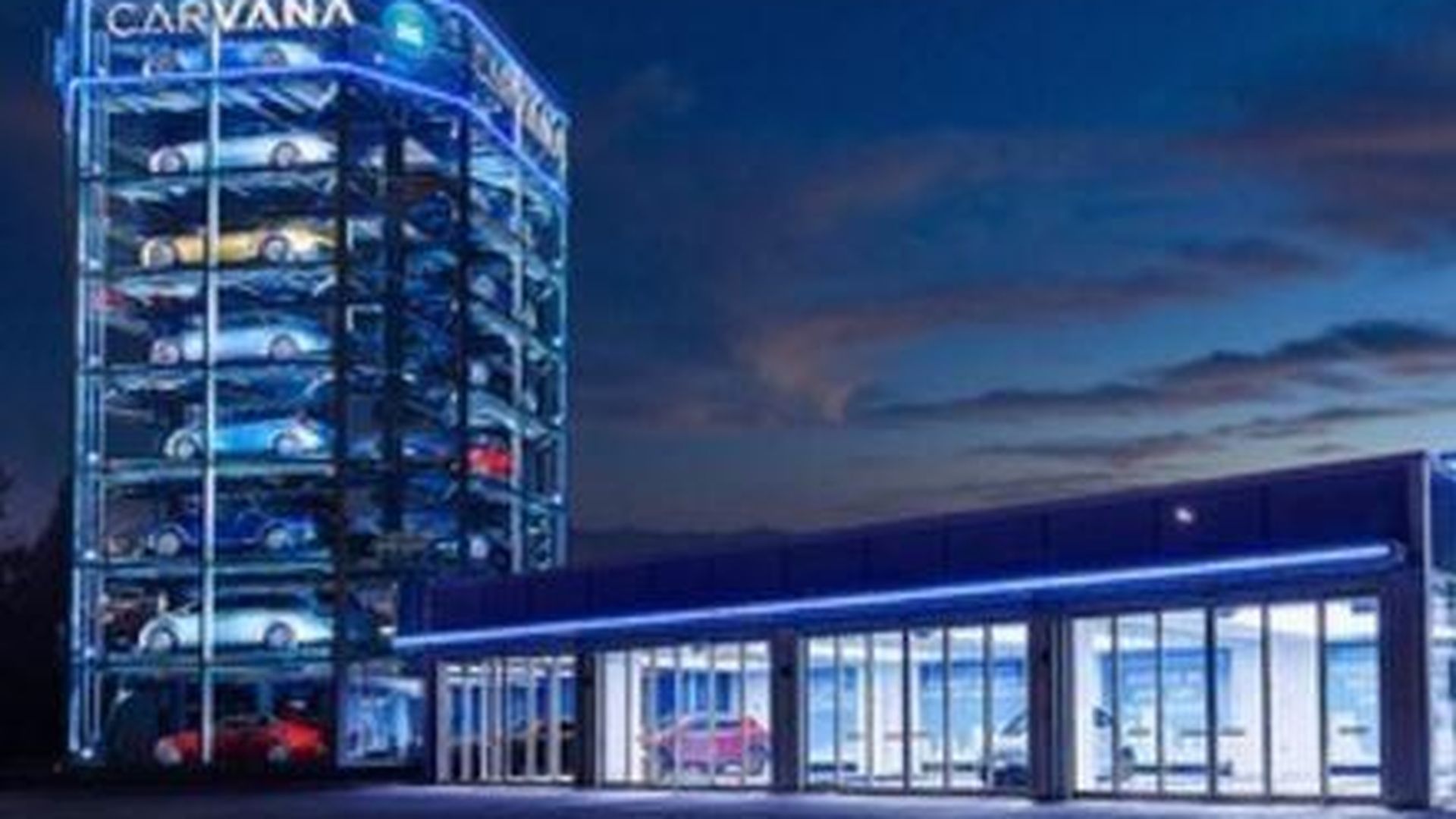
Just two quarters into its life as a public company, online car marketplace Carvana is already acquiring a smaller competitor, Carlypso, for an undisclosed amount. Founded in 2013 in San Francisco, Carlypso has raised $1.3 million in funding and operated in three markets.
Why: According to Calypso co-founder and CEO Chris Coleman, the two companies' strengths are complimentary. Where his startup had mastered using data to accurately price cars and optimize everyone's margins, Carvana had advanced logistics, customer service, and financing operations. And in the end, Carvana's much bigger size just made it an attractive landing spot for Carlypso to put its technology to better use, says Coleman.
Industry consolidation: While a few years ago several companies set out to improve car buying with technology, not all of them are still in the race. Six months ago, we saw the shutdown of Beepi after a failed merger with another company. Meanwhile, others have done better, like Carvana, which went public in March, and Shift and Vroom, which recently raising new funding respectively.

New conservative media boogeyman: Sinclair
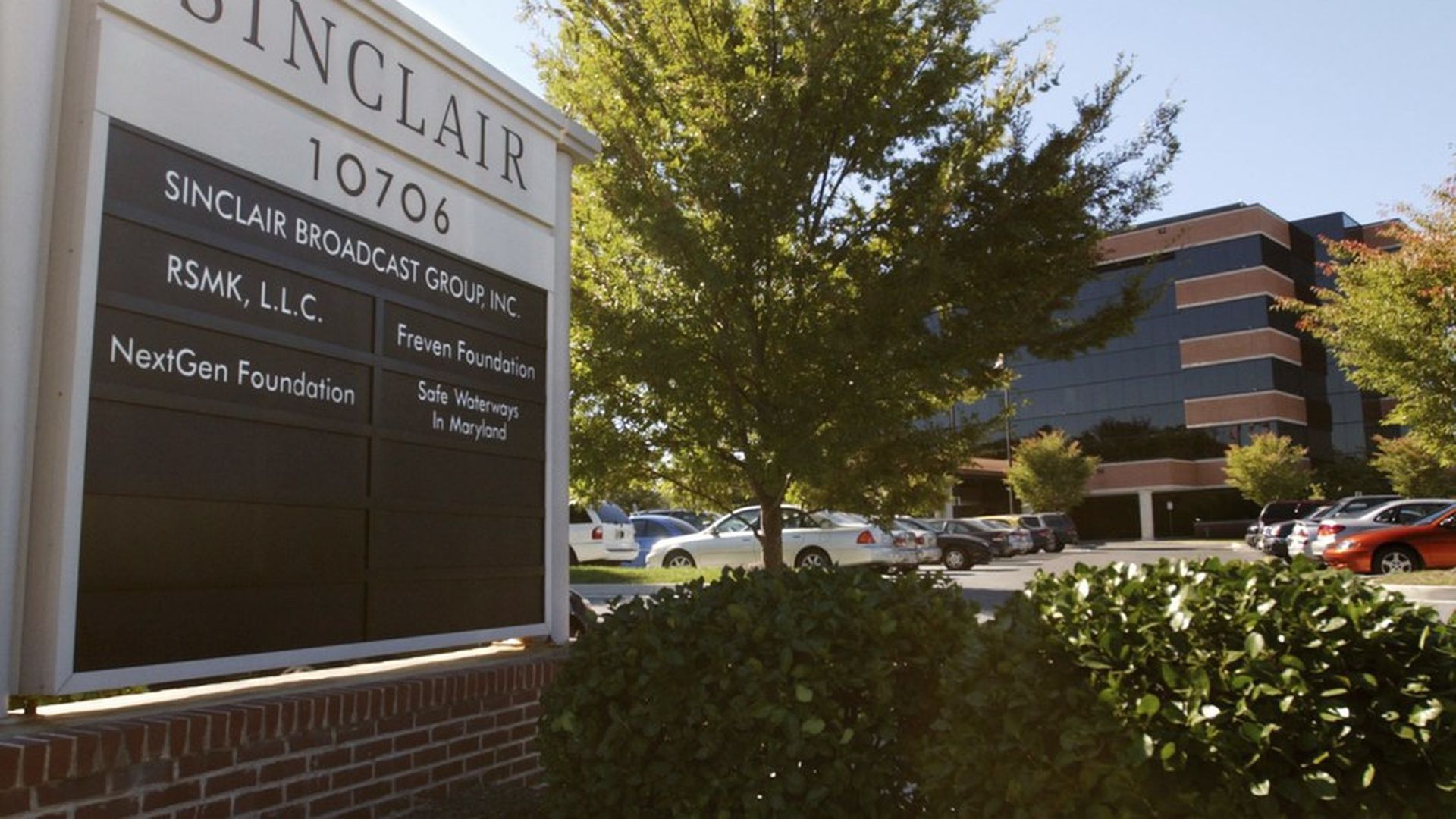
Opposition is coalescing against the $3.9 billion Sinclair-Tribune merger. Among the critics are smaller conservative media outlets.
Conservative fears: Sinclair is famously right-leaning and some have speculated it could launch a Fox News competitor as its power grows. One America News Network President Charles Herring expressed concerns Monday that a post-merger company could use its market power to give that kind of project a leg up over smaller competitors. Newsmax, another outlet on the right, has also expressed reservations about the merger.
Why it matters: Pushback against Sinclair's growing dominance is coming in all forms, shapes and sizes — even from its ideological allies. Last week, Sinclair stock slipped following reports that its biggest rival, 21st Century Fox, may pull Fox affiliate stations from the broadcasting behemoth. The Murdoch-controlled company, which also considered buying Tribune stations, is concerned that a post-merger Sinclair would have increased leverage in negotiations for carrying the programming.

IBM ordered to pay $78M to Indiana for automation breakdown
A judge ruled late last week that IBM owes Indiana $78 million in damages due to its failed attempt to automate the state's welfare services, per the AP. IBM said Monday it would appeal the decision since it "is contradicted by the facts and the law."
The beef: Indiana and IBM sued each other in 2010 when then-Governor Mitch Daniels canceled the $1.3 billion contract between Indiana and IBM to automate welfare applications.
Where the automation fell flat: The idea was for residents to apply for food stamps, Medicaid, and other benefits through call centers, the internet, and fax machines, but when residents started complaining about long wait times, lost documents, and improper rejections, the deal was off. One of the state's private attorneys, Peter Rusthoven, said IBM is "a big corporation that refused all along to take responsibility for its poor performance."

These retailers will survive the Amazon 'onslaught'
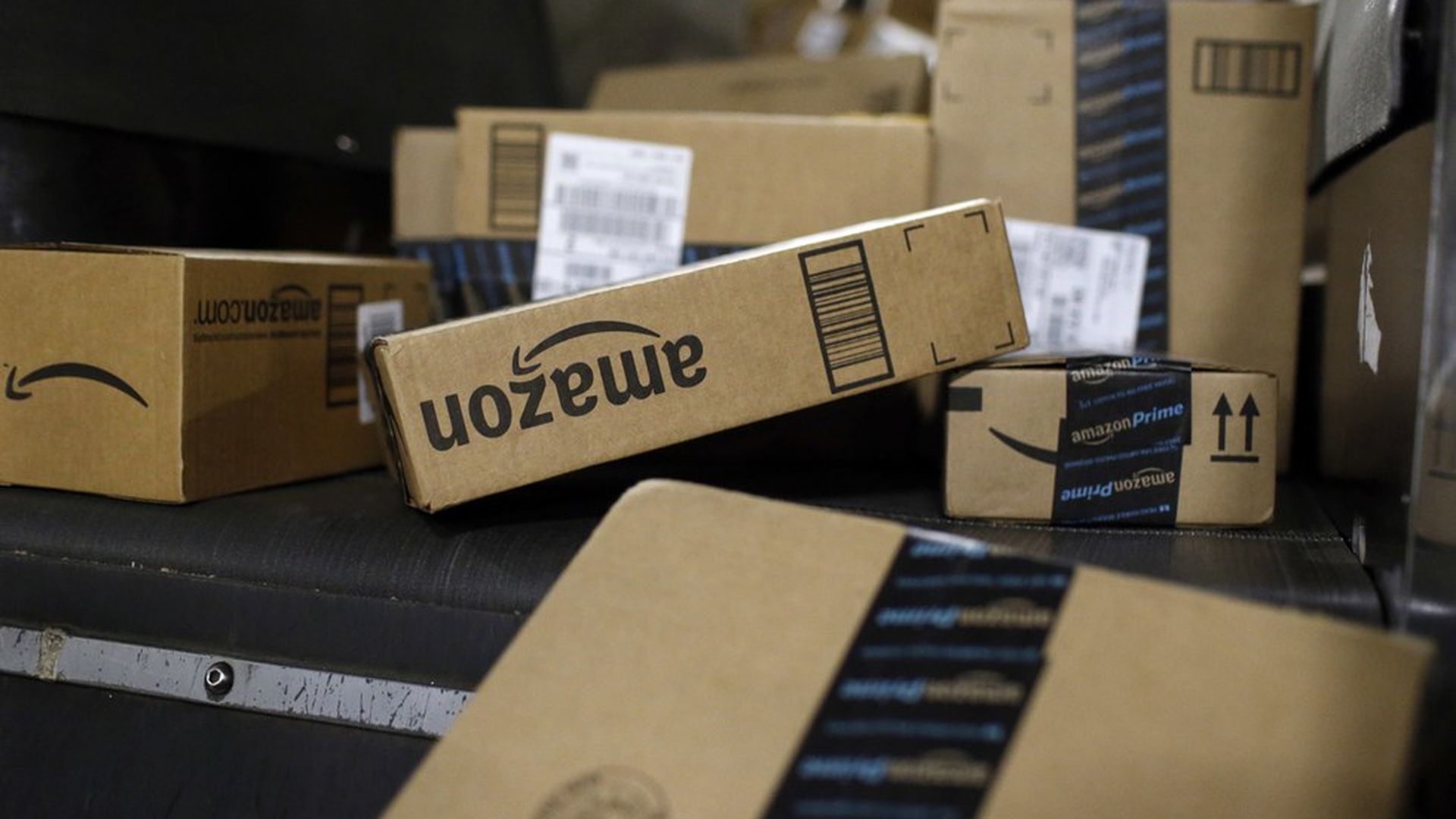
We may look back on June 16th "as the day retail changed forever," according to a report Monday by investment research firm Morningstar. That's the day Amazon bought Whole Foods for a whopping $13.7 billion and sent investors scurrying from grocery stocks, as they prepared for Amazon to bring its affinity for razor-thin profit margins to the supermarket segment.
The story of Amazon is of a company steadily spreading into new product categories and crushing the competition, but Morningstar argues that Amazon's reach does have its limits. Analyst R.J. Hottovy lists the following firms as "the most likely survivors" of Amazonization:
- Lowe's: home improvement retailers benefit from the high price of shipping the bulky goods they have on offer;
- Costco: The bulk retailer benefits from its gasoline business, an item that Amazon's Whole Foods doesn't sell.
- Walmart: Even though America's largest retailer fights Amazon head on in most markets, Hottovy says Walmart's sheer scale and close relationships with suppliers means it can compete on price.

Tesla returns to the market to sell $1.5 billion in bonds
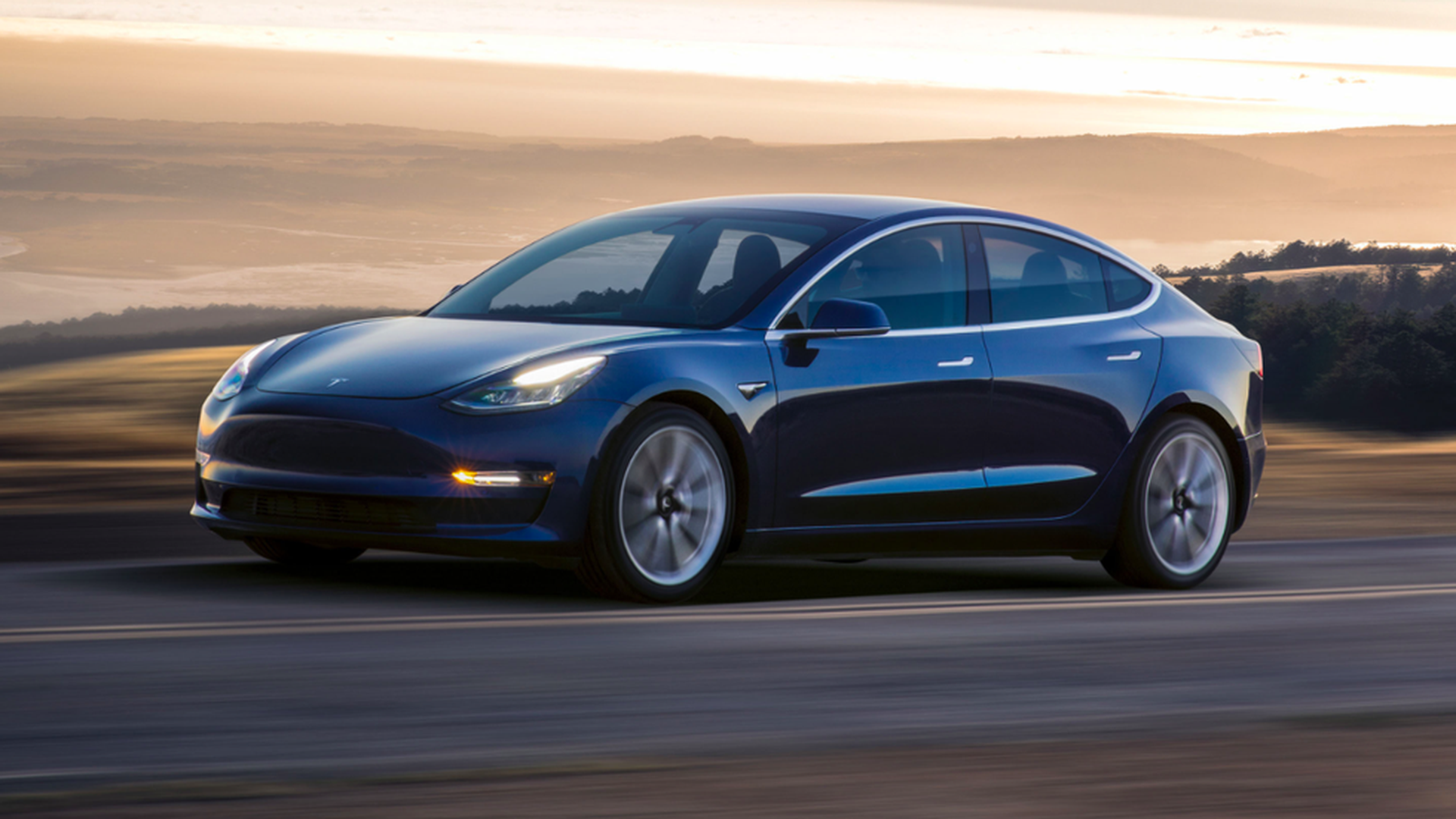
With $3 billion in cash in the bank, Tesla said today that it will add to its warchest by selling $1.5 billion in junk bonds to finance its planned surge in production of the mainstream electric Model 3. The rating agencies left their view of the company unchanged, and Tesla shares were steady on the news.
The news is not a surprise — CEO Elon Musk signaled in an earnings call with analysts on Aug. 2 that he might sell bonds to raise cash, and analysts had encouraged him to do so while Tesla's image among investors is strong. Musk unveiled the Model 3 to substantial fanfare on July 28, with 455,000 pre-orders and plans to ramp up to annual production of 500,000 vehicles by the end of next year, and to 1 million by 2020.
Why it matters: The added cash will make Musk's enormously ambitious Model 3 scaleup — not just production of the cars themselves, but a buildup of his Nevada battery "Gigafactory" — more realistic.
One level deeper: The Model 3 is seen as a bellwether of a possible new age of electric cars. Should sales continue at the same clip as the pre-orders — at 500,000 vehicles a year or more — the vehicle could trigger a frenzy among rival carmakers, which are already worried that Musk may capture the lion's share of a new car market.

Eric Bolling "overwhelmed" by support after harassment claims
Suspended Fox News host Eric Bolling has responded via Twitter to allegations that he sent female coworkers lewd and inappropriate text messages without their consent:
Where things stand: Bolling was swiftly suspended by Fox News on Saturday "pending the results of an investigation" after a Friday evening Huffington Post report detailing the allegations, which Bolling's lawyer branded as "anonymous, uncorroborated claims" that were "untrue and terribly unfair." The network has faced a string of recent high-profile sexual harassment claims, leading to the departures of chairman Roger Ailes last year and anchor Bill O'Reilly in April.
Wells Fargo remains mired in scandal
Wells Fargo isn't benefitting from the same goodwill investors are showing other big banks, Bloomberg Businessweek reports, as the firm remains dogged by accusations of fraud, discrimination, and forcing customers to buy unwanted products.
- The series of scandals began last year after the bank admitted that employees had been signing up customers for fake accounts in order to meet ambitious sales goals.
- Even before finalizing a $145 million settlement with customers, the bank now faces a new set of allegations, including: That it made unauthorized changes to customer mortgages, with some borrowers claiming the practice sent them into bankruptcy; That its loan-issuing process is discriminatory; that it forced roughly 800,000 customers in New York and California to buy unwanted auto insurance
- Why it matters: Wells Fargo's situation illustrates how even banks with reputations for probity can fall into the trap of scandal, given large, public bank incentives to please investors with ever higher profits.