Tuesday's economy & business stories

Top Senate Dem: Making reporters the enemy is a "strongmen" strategy

Dick Durbin, a high-ranking member of Democratic leadership in the Senate, lit into President Trump Tuesday over his attacks on the media — comparing them to tactics used by dictators the world over:
"The kinds of attacks on the media we're seeing in America would have seemed very similar to people living in the Ukraine or the Baltics when those nations were under Soviet [rule]. And it would seem familiar today in a lot of authoritarian states like Russia, Venezuela, Cuba, Turkey and Hungary. Turning reporters into enemies — not just adversaries, but enemies — is a strategy that strongmen use to silence critics."

Human storytelling is the future of digital
The days of conventional brand storytelling are over, thanks to the democratization of content creation and the rise of image and video over text.
When conventional brand storytelling is dead, success (however you wish to measure it) will depend on putting people at the core of content to tell stories. A human-centered design approach is a powerful framework for creating compelling content.
Why it matters: The response by companies and publishers — create yet more content — has been misguided. Not only is it not enough to simply produce more of the same, it's also no longer just about producing high-production-value content.
Three key lessons to heed from content saturation:
- Just because you create content doesn't guarantee an audience
- Success is not always driven by the highest production-quality content. Brand owners love glossy content, but they will have to get over themselves if they are to fully embrace consumers' growing preference for content that is rough and ready.
- Live rocks! Live video allows the audience to participate as the event happens, and their participation helps shape what you do next – driving three times the amount of engagement over pre-recorded video, according to Forrester Research.
What to watch: Brand owners will need to step back, stop driving conversations and instead make room for audiences to shape their own stories. Expect content that's more personal and instant and expect it to play out as short stories and live video.
George Marcotte is the Managing Director and Go-to-Market Lead for Accenture Digital UK and Ireland.

Fewer Americans are watching TV
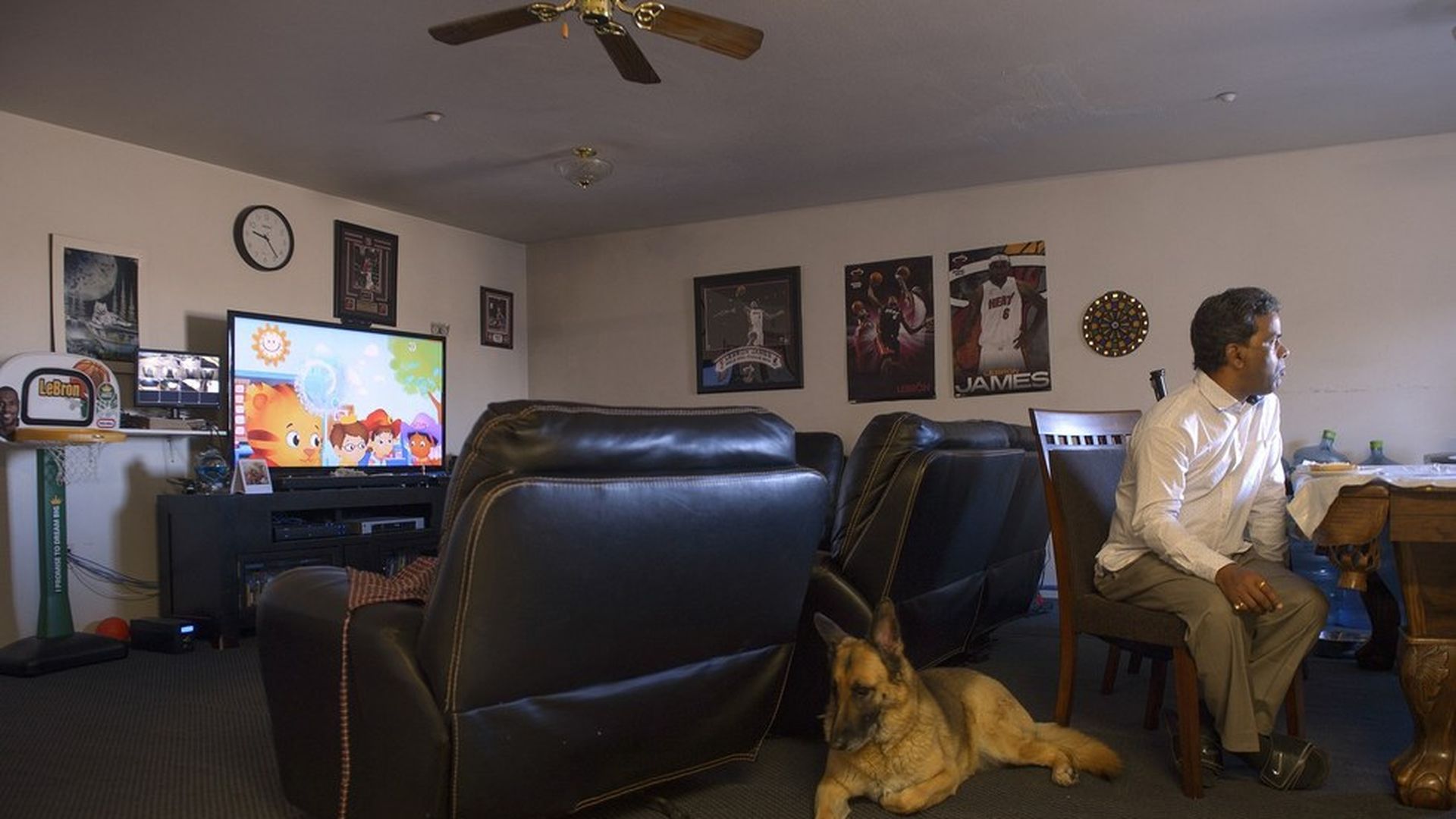
The Energy Information Administration's (EIA) most recent Residential Energy Consumption Survey revealed that the average number of televisions in American homes is declining. One notable factor is that younger households tend to have a lower concentration of TVs per person, and a higher concentration of portable devices — like laptops and smart phones. Other findings:
- An average of 2.3 TVs were in American homes in 2015, down from an average of 2.6 TVs in 2009.
- Number of homes with 3 or more TVs have declined since 2009, and a larger share of homes reported not using a TV at all.
- TVs and the equipment that accompanies them — cable boxes, DVRs, video game consoles — account for about 6% of all electricity consumption in U.S. homes.
- Older houses are more likely to have higher concentrations of desktop computers.
Quick take: The data is just more proof of changing media consumption habits among younger consumers, who are increasingly cutting the cord of traditional TV service in favor of watching content on mobile devices and laptops.

SoundCloud adds a cheaper paid service focused on convenience
Music streaming service SoundCloud is adding a new — and — cheaper paid subscription option that is focused on convenience by removing ads and letting users listen to music offline. The company unveiled its first subscription service last year.
The lowdown: The new tier will cost $4.99 per month and will give users access to the 120 million songs part of SoundCloud's free content catalog without ads and available offline. This can be a great option for users who travel and don't want to use their smartphone data to stream, for example. It will be called SoundCloud Go.
The company's original subscription service will now be called SoundCloud Go+, which costs $9.99 and will continue to offer these features in addition to SoundCloud's premium content from music labels and certain artists for a total catalog of 150 million songs.
Why it matters: Though SoundCloud made its name as a way for independent artists and DJs to upload and distribute their music, the company has faced increasing competition from services like Spotify and Apple Music, which offer music from all the major labels. Subscription services also serve as an additional source of revenue for the company, which was rumored last year to be in talks to sell to Spotify, though the latter has reportedly decided against it.

Exclusive: Spicer arranged CIA, GOP intelligence push-back
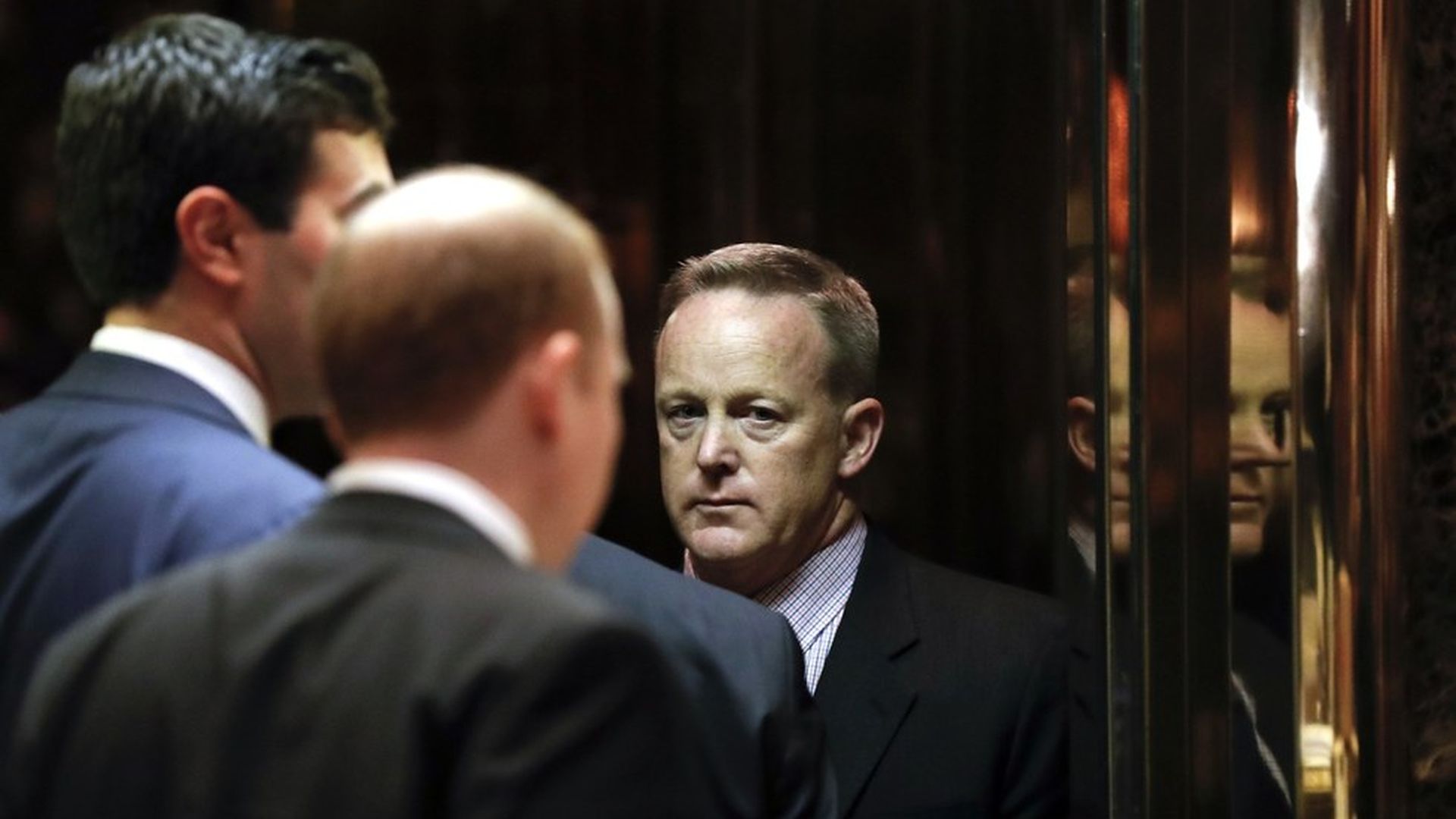
White House Press Secretary Sean Spicer personally picked up the phone and connected outside officials with reporters to try to discredit a New York Times article about Trump campaign aides' contact with Russia, then remained on the line for the brief conversations, Axios has learned. Ten key points: