Sunday snapshot: Tracking a lone wolf


Add Axios as your preferred source to
see more of our stories on Google.
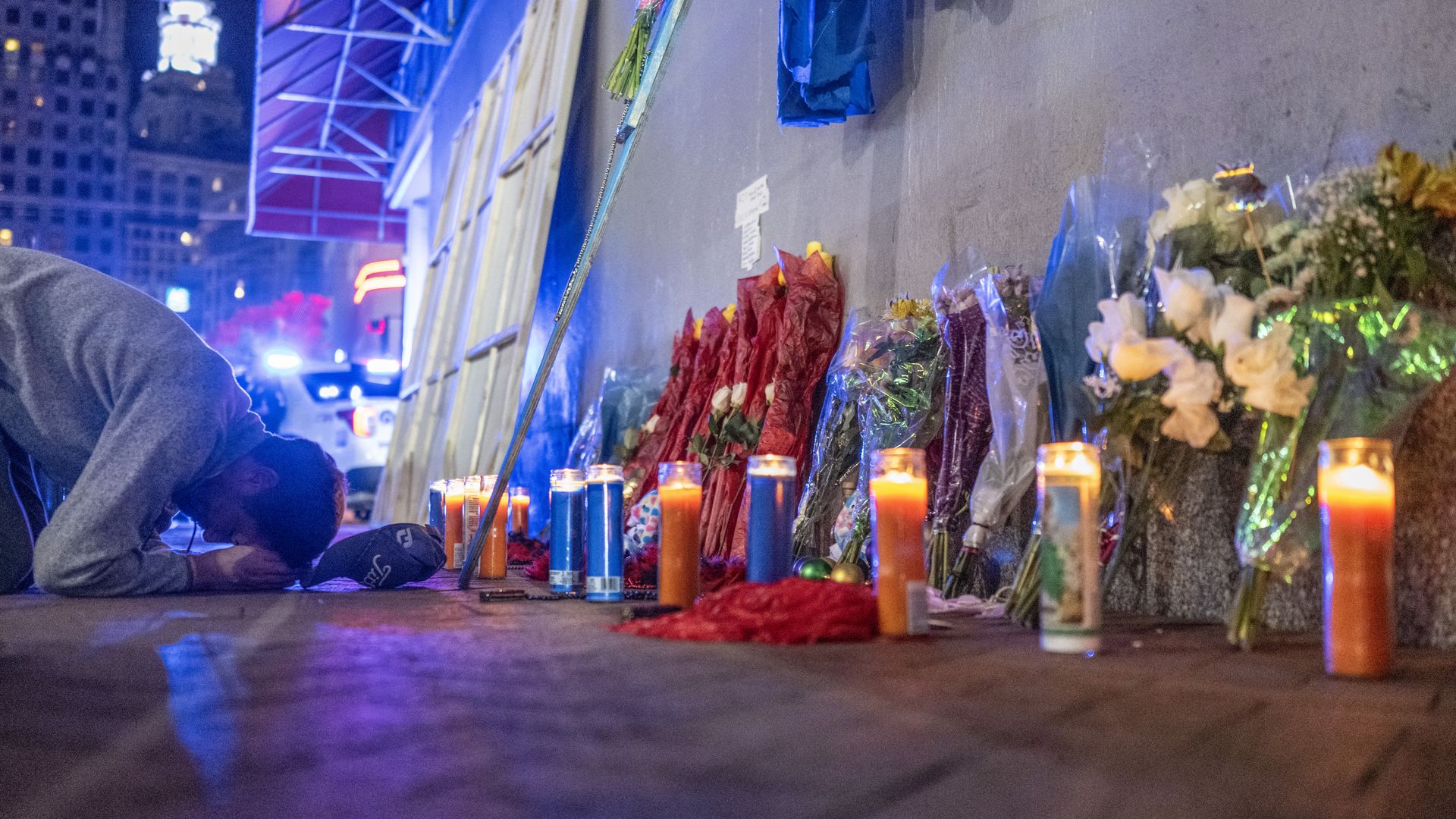
A man reacts as he prays at a memorial on Bourbon Street after it reopened to the public on Jan. 2 in New Orleans, Louisiana, following the Jan. 1 attack that left 14 dead. Photo: ANDREW CABALLERO-REYNOLDS/AFP via Getty Images
In the wake of the New Year's Day attack that killed over a dozen people in New Orleans, officials are reckoning with how they protect against — and track — enemies within U.S. borders.
Meanwhile, a new congressional class faces a snowy start to its session and a sweeping agenda from the incoming president.
Here's what you may have missed when newsmakers hit the airwaves this Sunday, January 5.
1. Balancing threat surveillance and protected speech
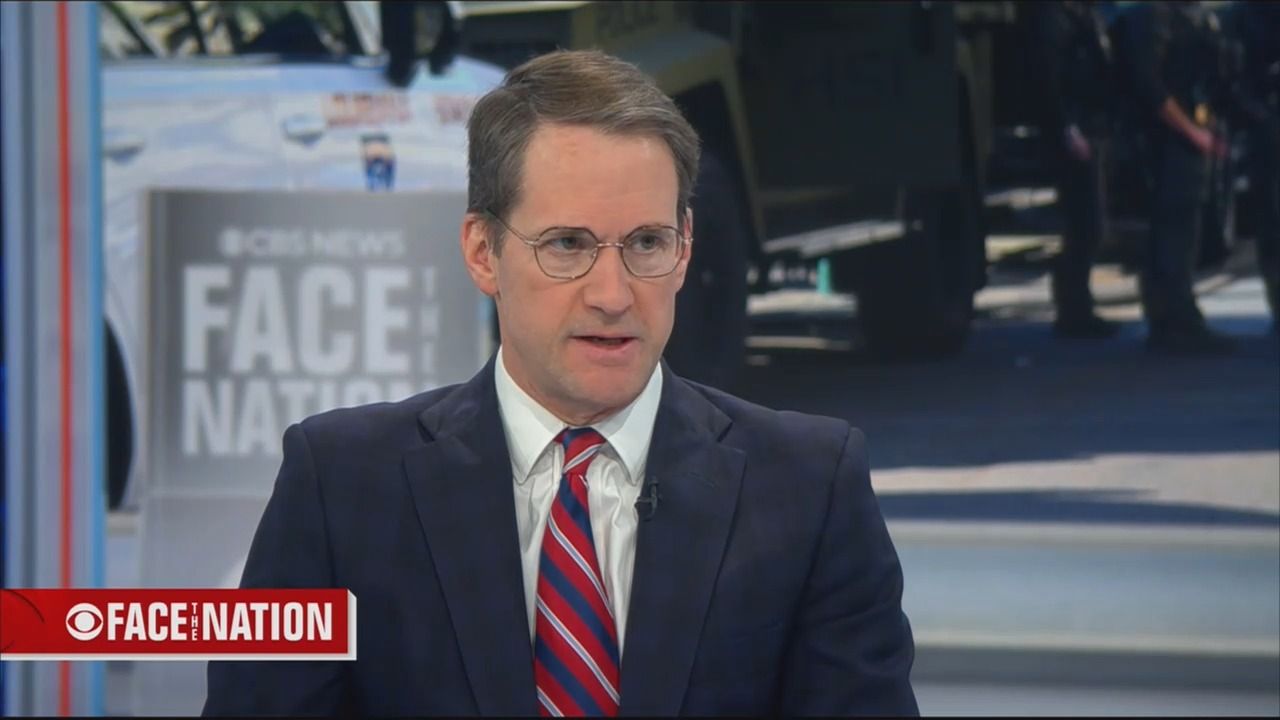
Lone wolf attackers are "extraordinarily difficult to detect," said Rep. Jim Himes (D-Conn.), the ranking member on the House Permanent Select Committee on Intelligence.
- That difficulty is further compounded when surveilling budding threats from Americans, Himes explained on CBS News' "Face the Nation."
The big picture: "If you're in this country, you have constitutional rights — meaning the FBI can't say, without a warrant, I want your Facebook posts, I want your e-mails," he said. "That's what makes this very hard."
Zoom out: The exact motivations and plan of the New Orleans attacker, identified as U.S. citizen and Army veteran Shamsud-Din Jabbar, are under investigation.
- But in several social media posts, Jabbar proclaimed support for ISIS, and an ISIS flag was recovered from the rented truck used in the attack.
Friction point: In the aftermath of the deadly attack, local leaders have been under scrutiny over whether they could have prevented the tragedy via physical security measures, leaving the crowded street less exposed.
On a broader level, the intelligence community faces the challenge of monitoring threats before an attack is implemented — in this case, when a threat actor begins showing signs of radicalization on social media.
Yes, but: It's not as easy as it may seem.
- "If somebody is standing out on the street corner right now saying, ISIS is the greatest thing in the world, and the president is a traitor ... people would say, boy, we should interview that person — that is constitutionally protected speech," Himes explained.
- Himes continued, "This individual in New Orleans did post some Facebook posts saying, I pledge allegiance to ISIS ... What if we had that debate? Should Facebook have instantly submitted that to the FBI? And if so, where's the line?"
Threat level: There "seem to be some real ISIS connections here that need to be followed up," Rep. Michael McCaul (R-Texas) said on ABC's "This Week."
- He likened the attack to the 2013 Boston Marathon bombing, pointing to Jabbar's trip to Cairo, Egypt, which FBI officials said occurred in 2023.
Rep. Mike Turner (R-Ohio), the chair of the House Intelligence Committee, said that beyond the threat of lone wolves, there are actors who have come across the border affiliated with outside groups that "still pose a threat to Americans and to the United States."
- Turner said the New Orleans investigation may uncover times when "we could have intervened."
- "Those will give us greater opportunities at which we'll look to how we might be able to, in the future, find others," he said.
2. The reconciliation bill(s) battle
Get ready for "one big, beautiful bill."
- At least, that's what House Speaker Mike Johnson (R-La.) says he and Trump are envisioning: a single reconciliation package that covers a myriad of MAGA goals, addressing the border, tax reform, the debt ceiling and more.
- If it comes to fruition, Axios' Mike Allen and Stef Kight report, it could be the biggest bill in American history.
State of play: The bill would harness the budget reconciliation process to push its way through. That method allows budget-related bills to bypass the Senate's filibuster (60 votes), with only a simple majority needed.
- The benefit of presenting a plethora of policies together, Johnson said on Fox News' "Sunday Morning Futures," is that there's something everyone can enjoy.
- "No one's going to love every element of a large package like that, but there'll be enough elements in there to pull everyone along," he said.
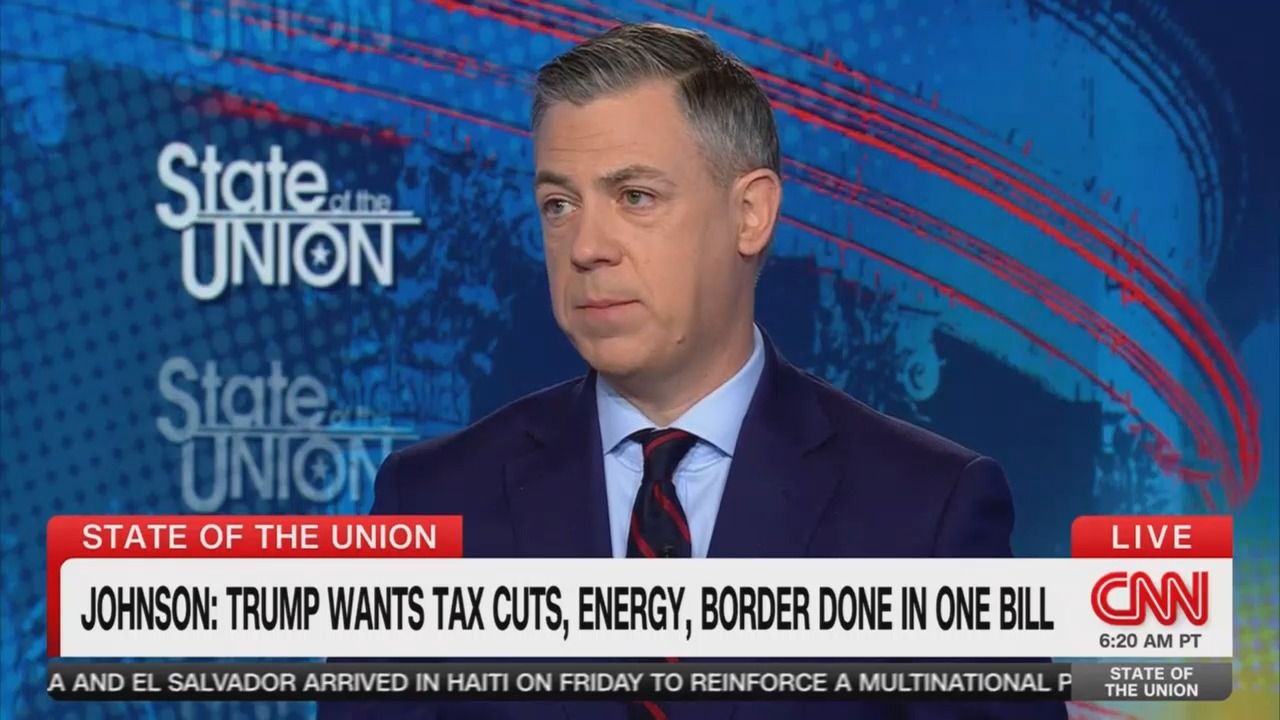
Sen. Jim Banks (R-Ind.) said he's "for doing it in one bill" on CNN's "State of the Union."
- But he added he wants to see the Trump agenda done "as quickly as we can," whether that's in "one reconciliation bill, if it's two, if it's ten."
Yes, but: Not everyone loves the idea. Some Senate Republicans have voiced concern that pushing one massive bill through will slow down securing the border.
- "I'm very worried that if we don't put border first and get it done, it's going to be a nightmare for our national security," Sen. Lindsey Graham (R-S.C.) told Fox's Maria Bartiromo.
The bottom line: While the GOP will hold a Washington trifecta, Johnson faces a razor-thin majority in the House and Trump's one-bill vision could test party unity.
3. No snow day for Congress
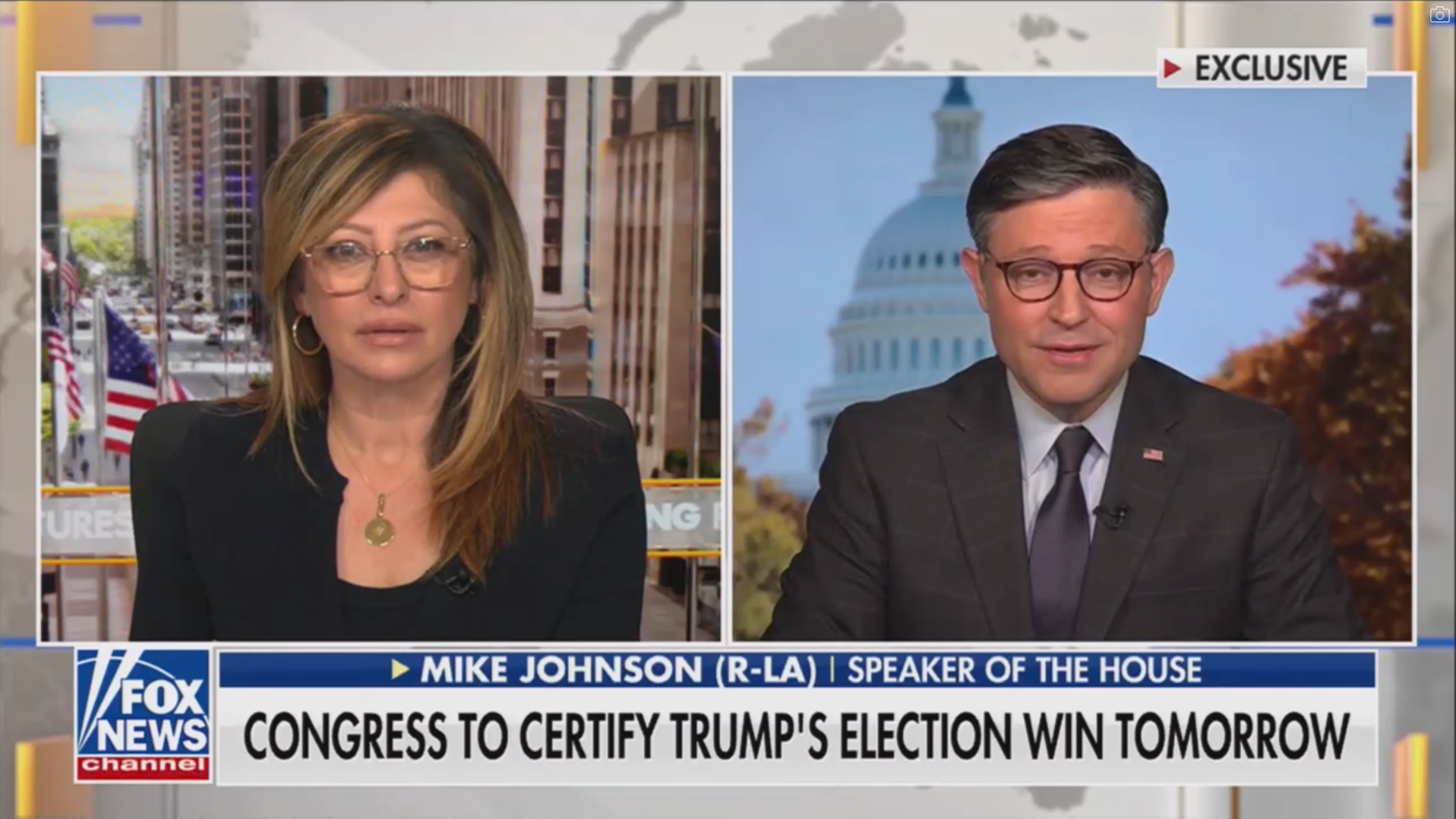
Neither rain nor snow will keep Congress from working tomorrow, House Speaker Mike Johnson (R-La.) said on Fox News' "Sunday Morning Futures."
The big picture: Washington D.C. is forecast to see between 6 to 10 inches of snow on Monday, but federal law mandates Congress certify election results on Jan. 6.
What he's saying: "We encouraged all of our colleagues 'do not leave town, stay here,'" Johnson said.
- "Whether we are in a blizzard or not, we are going to be in that chamber making sure this is done," he said.
State of play: Other Republicans have weighed in on the weather, with Rep. Marjorie Taylor Greene (R-Ga.) posting to X that she "will walk to the Capitol" if she has to.
- "Unless @elonmusk has figured out how to control the weather it looks bad. If you are a Republican member of Congress I'd get to Washington," Rep. Tim Burchett (R-Tenn.) wrote on X.
More from Axios' Sunday coverage:
