How Trump's election win was driven by targeted communications


Add Axios as your preferred source to
see more of our stories on Google.
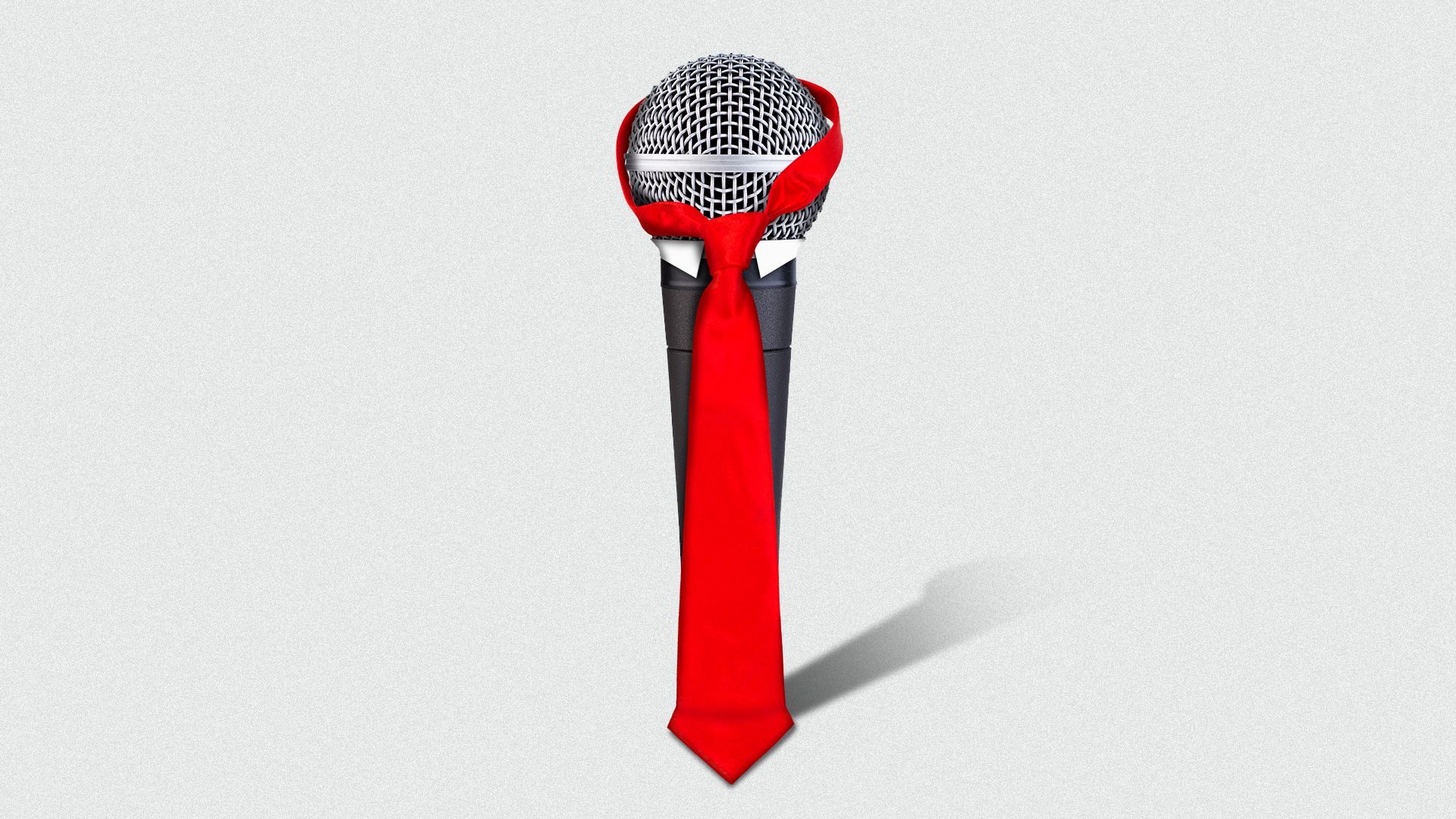
Illustration: Sarah Grillo/Axios
President-elect Trump's victory was driven by gains among young voters that the campaign targeted through a media blitz in the final months leading up to the general election.
Why it matters: It's another lesson in how hyper-targeted communications — identifying what resonates with these audiences, meeting them where they are and engaging with voices they trust — should be a key part of the comms playbook.
- While Trump and Vice President Harris leveraged a mix of traditional and new media channels to reach young, minority voters, the scale of Trump's outreach was bigger and broader.
State of play: Trump won a greater share of the under-30 vote than any Republican presidential candidate since 2008.
- And while Harris won 52% of 18- to 20-year-olds, that was down from the 61% who voted for Biden in 2020. Her campaign also lost ground with independents and women voters.
Zoom in: To reach young or disengaged voters, Trump opted for long-form podcasts and nontraditional media channels.
- Trump's appearance on Joe Rogan's podcast received more than 46 million views on YouTube, while Vice President-elect JD Vance's interview garnered more than 15 million views.
- Trump continued to target young male voters by giving interviews to podcaster Theo Von, Barstool Sports' "Bussin' With the Boys," Logan Paul's "Impaulsive" podcast and appearing on a Kick livestream with controversial streamer Adin Ross — which at its peak had over 580,000 viewers.
The other side: Harris did work to target specific audiences but relied more heavily on legacy media than the Trump campaign.
- Her "Call Her Daddy" appearance received 800,000 views on YouTube.
- She also joined "All the Smoke" and "Shade Room" podcasts.
What they're saying: "With regards to Trump, it seems he was really conscious about reaching out to young men who felt like the mainstream media were not speaking to them," says Rachel Janfaza, Gen Z political analyst and founder of The Up and Up who has been conducting listening sessions with young voters in Pennsylvania.
- "What I heard from many [young male voters] as we got closer to the election was that they appreciated the fact that Trump was able to say what he wanted in a way that really flew in the face of cancel culture — which many of them have grown wary of or resentful of. And the fact that he was going on these platforms, providing an unfiltered, personal look into who Trump is, and not just the issues he cares about, but some stories about his life and his experiences in business and in politics, that resonated with young men."
Yes, but: Targeted communications doesn't mean going direct or skirting around traditional media.
- According to an Axios analysis, Trump sat down for more than 30 legacy TV interviews and two dozen radio and print interviews since becoming the nominee.
- Of note, in the lead-up to Election Day, Trump appeared on Fox News regularly to appeal directly to his base and the growing number of Latino voters watching the cable channel.
Between the lines: The message also matters. Trump's campaign focused on issues like the economy, illegal immigration and crime, while successfully linking Harris to President Biden's record.
- Harris' campaign received backlash for spending too much time talking about Trump and not enough time detailing her positions, dubbing her the "no comment" candidate.
Plus, outside voices were an effective communications tool for the Trump campaign.
- Trump leaned into unconventional, yet very influential, voices that he didn't have access to in 2016 — like Rogan, Elon Musk, Dave Portnoy, David Sacks and Vivek Ramaswamy.
- Harris, meanwhile, relied on the Hollywood crowd that's always had the benefit of scale and reach — like Bruce Springsteen, Beyonce, Oprah Winfrey and Taylor Swift — but ultimately their star power didn't sway enough independents or young voters.
The surrogates Trump assembled were able to appeal to the "frat bro or finance bro culture," says Janfaza, because "to them, many of these men who have built these companies, ecosystems and media platforms, show them a version of success to work toward."
- "The way that Trump was able to include many of these male figures in his cohort was very impactful," she added. "And while yes, Taylor Swift, Lady Gaga and Beyonce also have massive, massive audiences, we have to understand that the way young people are consuming their media and entertainment just looks drastically different than it did for prior generations."
What to watch: The influence of nontraditional media platforms and information spheres — like X or podcast networks — are likely to grow under Trump's second term.
- As an anonymous TV exec recently told New York magazine, "A Trump victory means mainstream media is dead in its current form. And the question is, what does it look like after?"
More on Axios: Behind the Curtain: The big media era is over
