How Birkenstock became a luxury brand

Add Axios as your preferred source to
see more of our stories on Google.
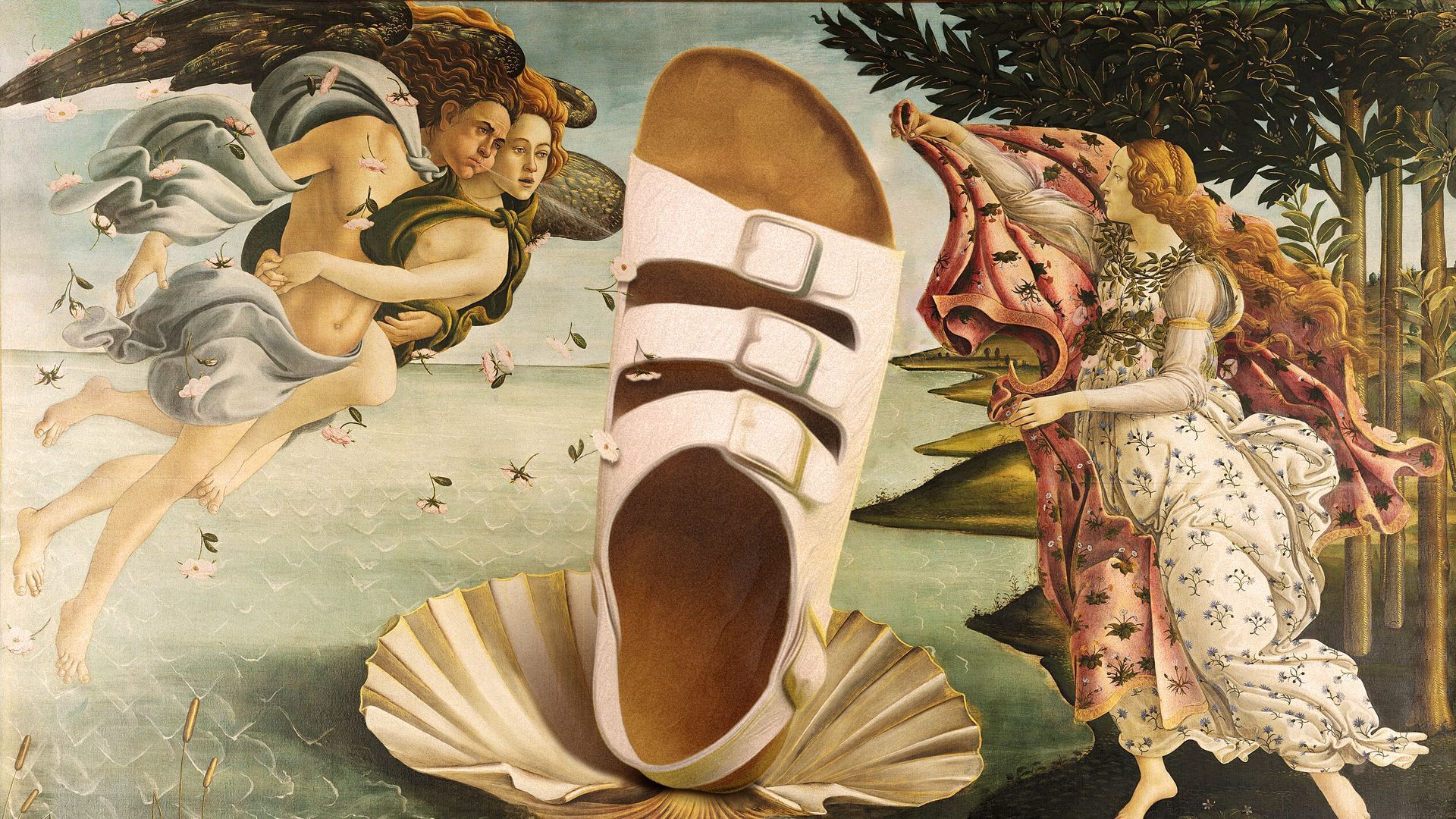
Illustration: Natalie Peeples/Axios
German sandal maker Birkenstock, a 250-year-old family brand known more for orthopedics than high fashion, has over the past decade become a surprise runway darling, cashed in on viral trends, and accumulated quite a bit of street cred.
Why it matters: Birkenstock's cork-forward footwear has been quietly cool for years. But the newly publicly traded firm has been ditching its crunchy granola reputation and teaming up with high-fashion designers like Rick Owens, Valentino, Proenza Schouler and Dior.
- While practicality and luxury don't typically mix, Birkenstock has been one exception.
- Along with the increased visibility have come big changes: an infusion of private equity money; continued price hikes and higher-end models; growing direct-to-consumer sales and the expansion of manufacturing beyond Germany for the first time, to countries including China and India.
Bloomberg's Tim Loh traced Birkenstock's unlikely glow-up — aligned closely with the tenure of eccentric CEO Oliver Reichert — in a sweeping, 4,500-word feature published this month.
The intrigue: Reichert, a brusk and burly leader sometimes described as a "bully," joined the company as a consultant in the late 2000s.
- During a happenstance encounter at an Austrian ski resort, he offered counsel to Christian Birkenstock, who was "smoldering away" and lamenting family drama, Loh reports.
- A former war correspondent, Reichert had been fired from his last job at a German TV station when he met Birkenstock. By 2013, he had assumed the role of CEO.
- Reichert is portrayed as bringing the brand into the modern digital world, finally adding a "professional-looking online store" in 2016. Over time, re-sales of models started spiking on secondary marketplaces like StockX.
Under Reichert, sales ballooned from $500 million in 2016 to $830 million in 2020.
- In 2015, Reichert also oversaw the roll-out of the EVA model, a cheaper and softer version of Birks that some fans buy in multiple colors "to match their nail polish."
- Full disclosure: This writer merely has one EVAS Madrid pair, two Arizona sandals and one Boston clog as of press time.
Flashback: Designer Phoebe Philo handed Birkenstocks a win in 2012 by featuring Arizona sandal lookalikes lined with mink onstage during Paris Fashion Week.
- "It set off a frenzy for the brand," Loh reports.
The bottom line: Birkenstock isn't off to an entirely smooth start as a public company.
- The company's first quarterly earnings report in January appeared to confuse some investors by describing Birkenstock as a "global zeitgeist and purpose brand," per Bloomberg.
- "Purpose" is core to Reichart's pitch. He previously told CNBC the company could avoid the rough post-IPO performance of fellow shoe company AllBirds because "purpose is never going out of style."
- "I always say people love us for 1,000 wrong reasons. But once you step into the footbed, you're coming back."
Go deeper: Birkenstock says feminism will boost sales for the long term
