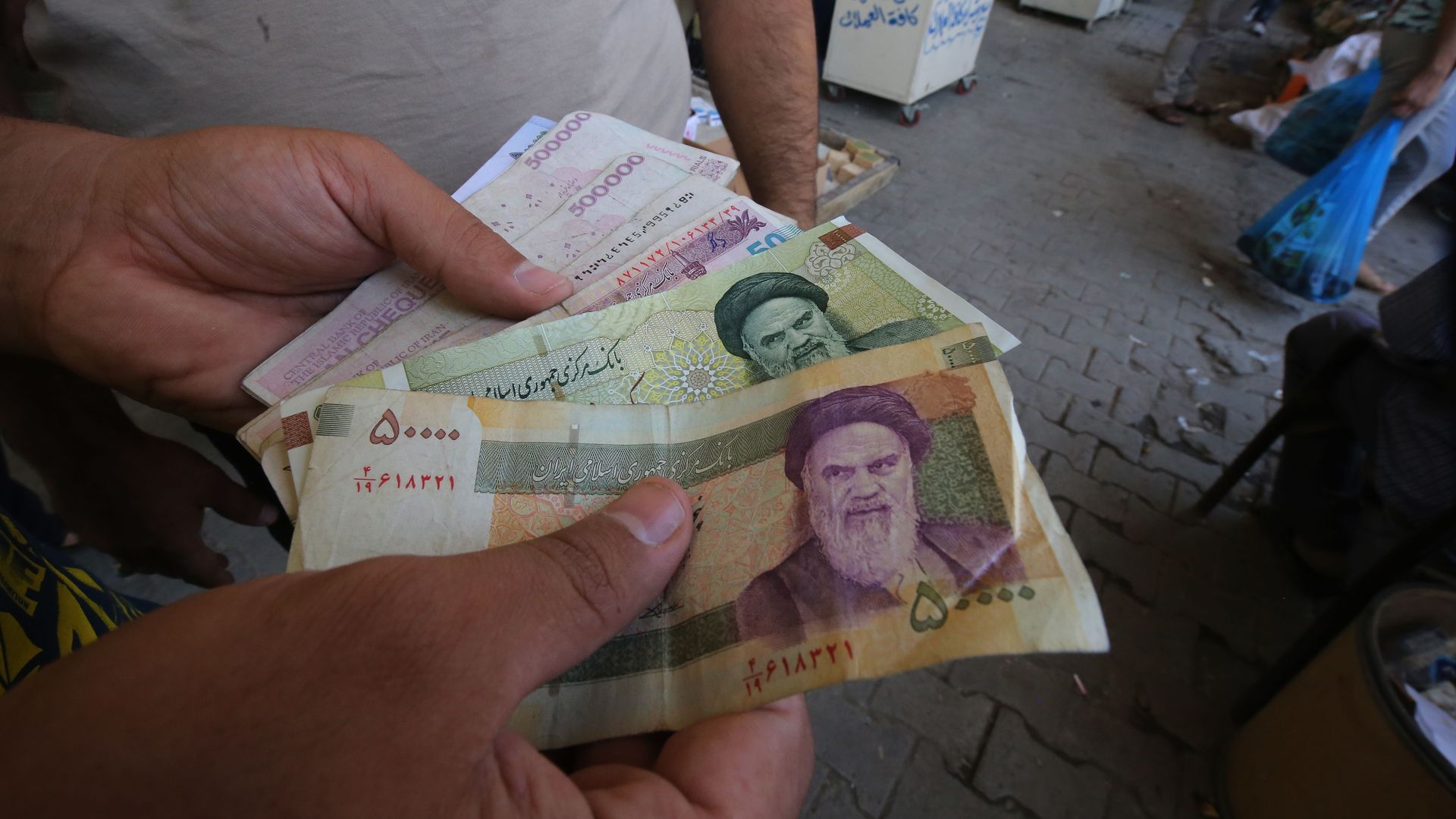
Iran's economy has been in free-fall since President Trump withdrew the U.S. from the Iran nuclear deal and reimposed strict sanctions on its government. And the administration's unprecedented move on Monday designating the Islamic Revolutionary Guard Corps (IRGC) as a foreign terrorist organization is expected to further damage its economy.
The impact: The International Monetary Fund forecast an even deeper recession for Iran in its World Economic Outlook, released Tuesday. The IMF said it now expects Iran's economy to contract by 6% this year, compared to October's prediction of a 3.6% drop.
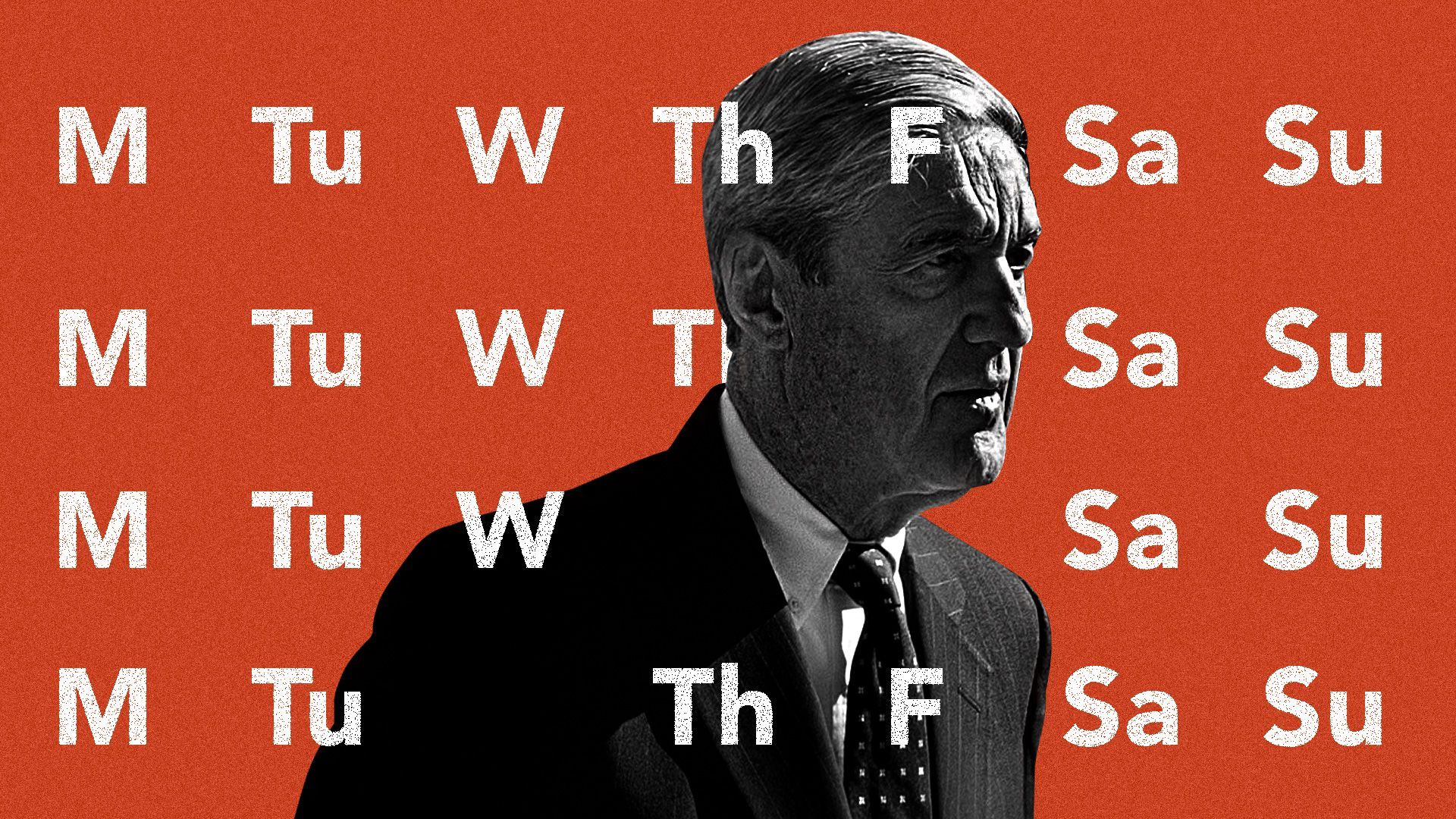
Much of Washington has spent the weekend on pins and needles preparing for this week's release of the Mueller report. But in one particular quarter, people seem quite relaxed.
Behind the scenes: Two of the president's top advisers who will be handling the response to Mueller’s report were watching the Masters when I called them about it this weekend. By all accounts, the president himself is also taking a fairly blasé approach. The subject has barely come up, if at all, in recent senior staff meetings, according to two sources with direct knowledge. And in recent calls to aides and allies, Trump has barely mentioned it.
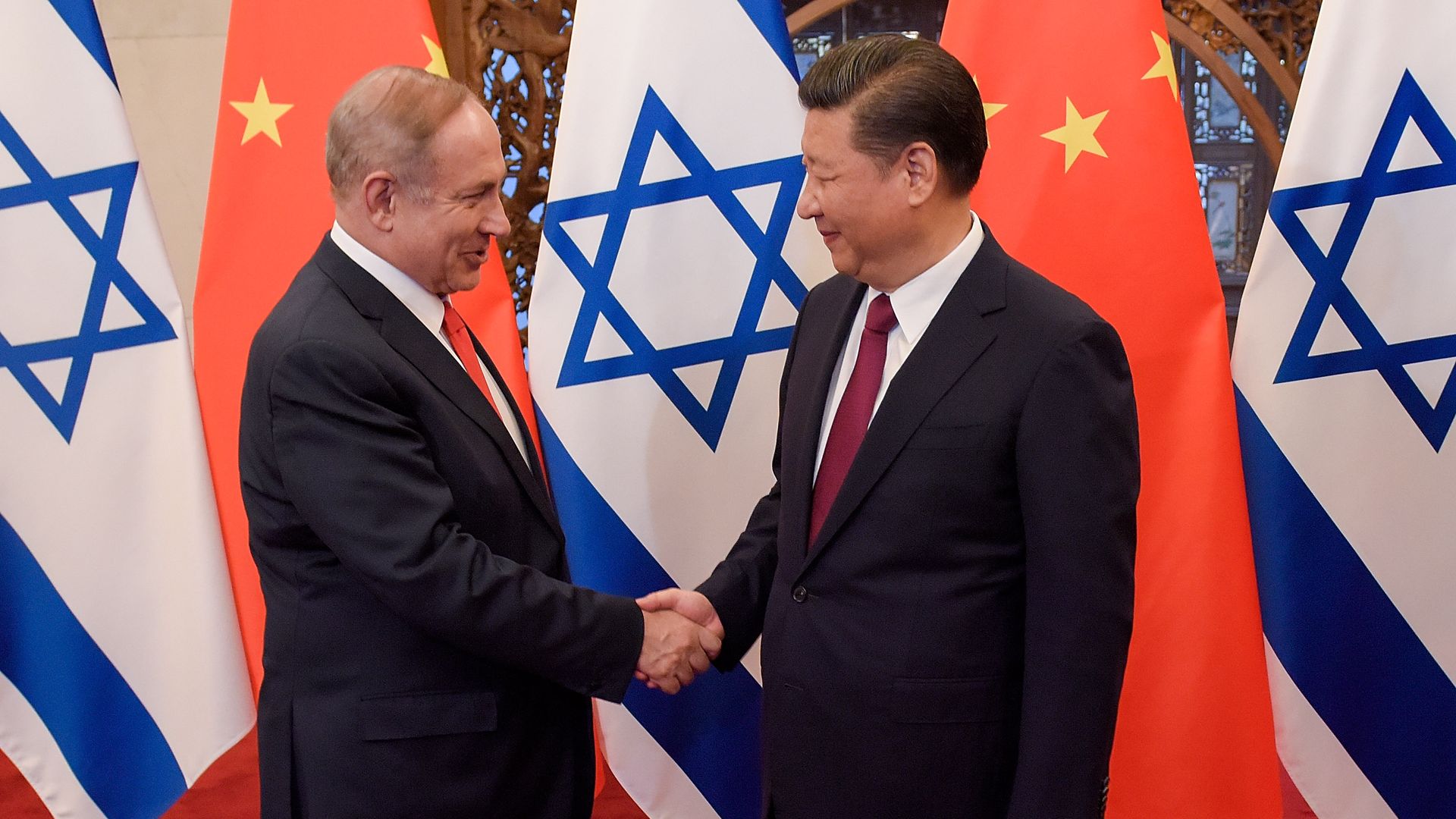
President Trump told Israeli Prime Minister Benjamin Netanyahu during their meeting at the White House on March 26 that if Israel doesn't limit its ties with China, security cooperation with the U.S. could be reduced, according to Israeli officials.
Why it matters: The Trump administration and the Netanyahu government are aligned on virtually every issue, but relations with China have emerged as a main point of contention. The Trump administration has already asked the Israeli government several times to limit its ties with China, and the fact that Trump himself raised it with Netanyahu indicates the White House may be growing impatient.
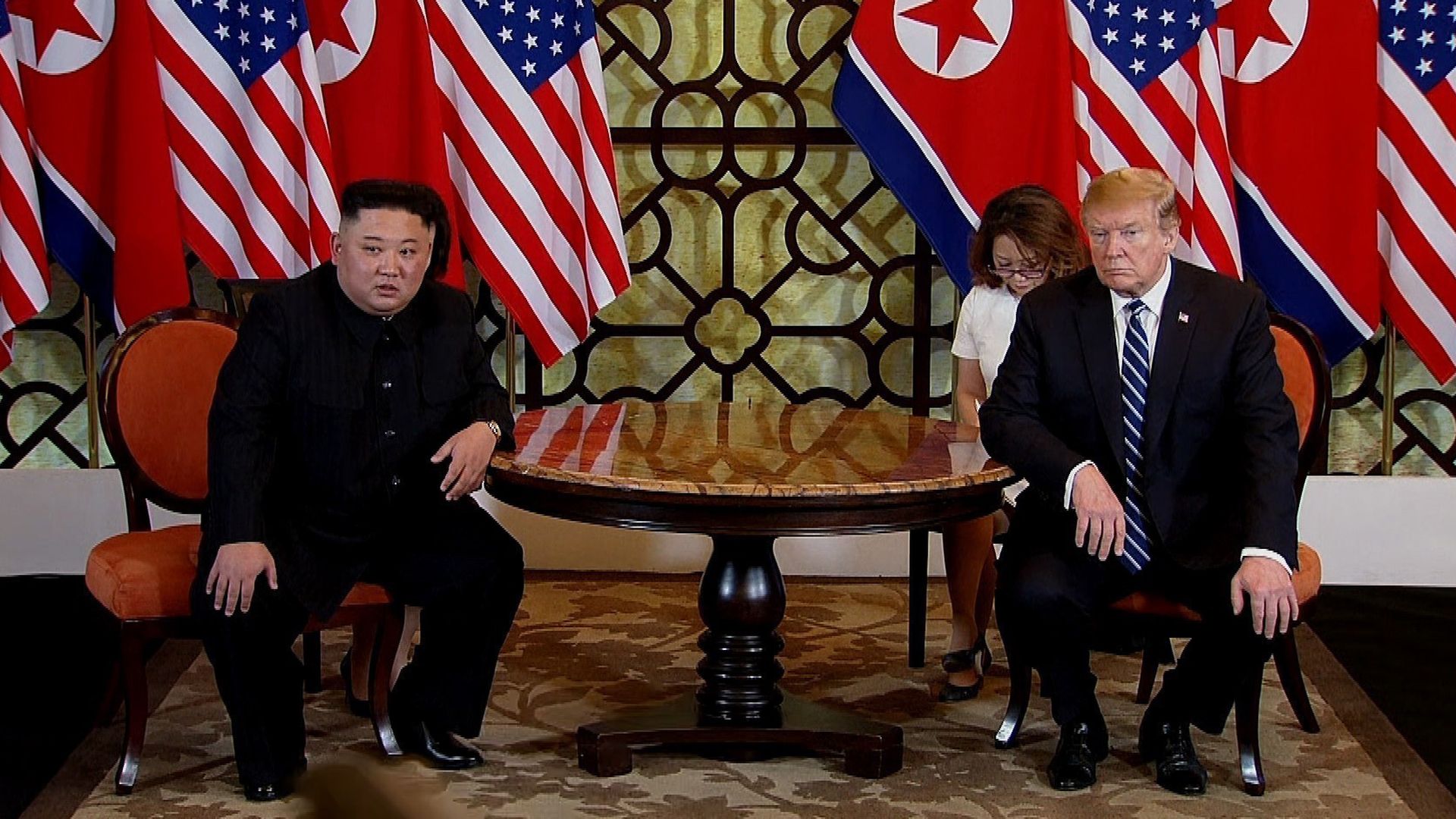
President Trump tweeted on Saturday morning signaling that he's ready for a third summit with North Korea's Kim Jong Un, stressing the two have an "excellent" relationship.
The backdrop: Hours earlier, Kim said he was prepared for another meeting with Trump as well, but stipulated that the U.S. has until the end of the year for the sit-down, noting the most recent summit ended without agreement, reports Al-Jazeera. "It is essential for the U.S. to quit its current method and approach us with a new one," Kim said in a speech to the Supreme People's Assembly on Friday. Earlier this month, Secretary of State Mike Pompeo said he's "confident" another meeting between the U.S. and North Korea will take place, per Politico.