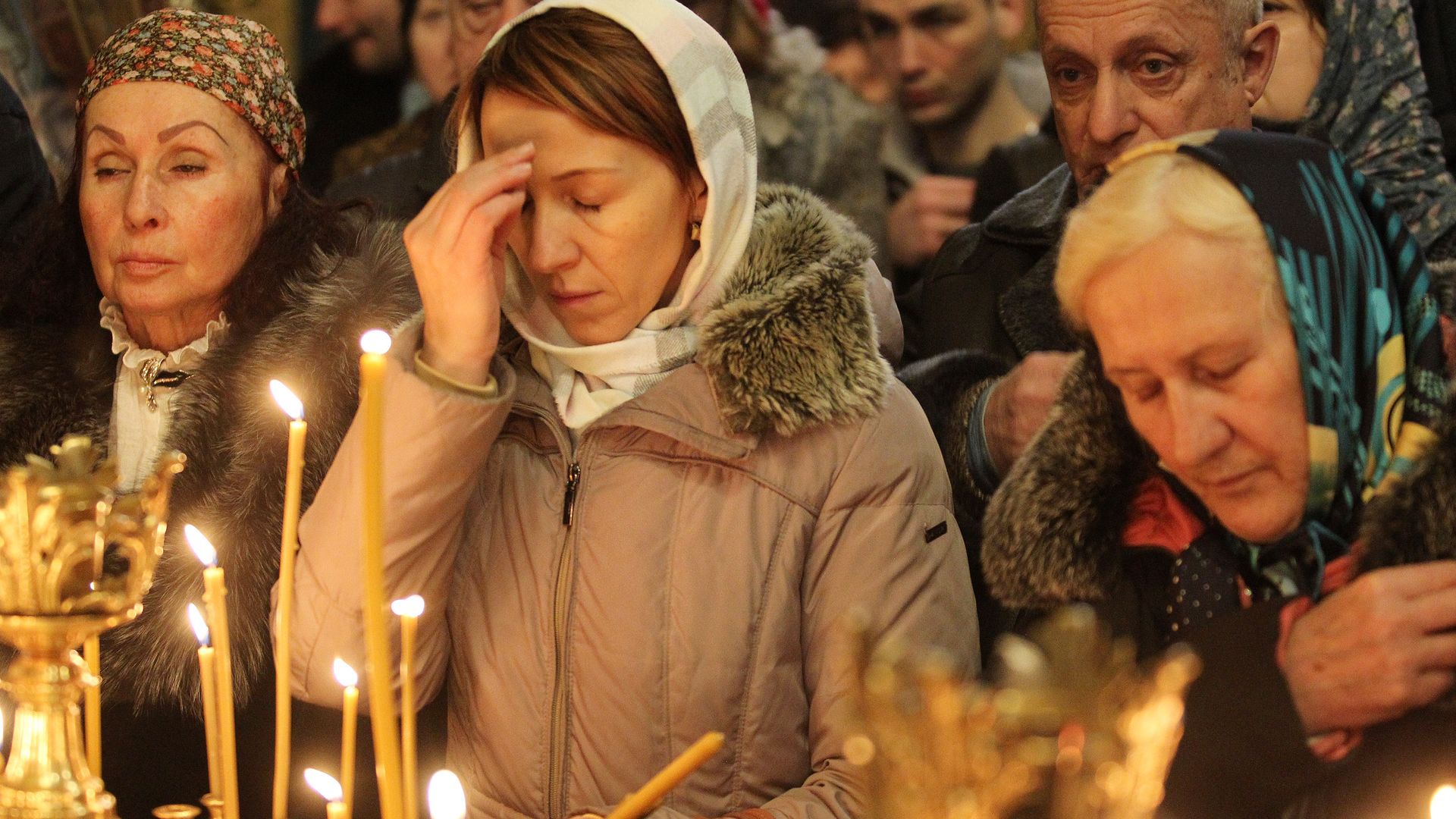
The Ukrainian Orthodox Church formally split from the Russian church on Saturday in a signing ceremony in Turkey, the Associated Press reports.
Why it matters: As Alex Kliment of GZERO Media notes, "[t]his is a spiritual matter with distinctly worldly implications." The new split will make Ukrainian clerics "pick sides between the Moscow-backed Ukrainian churches and the new church," while fighting continues between Ukrainian and Russian forces, AP reports.
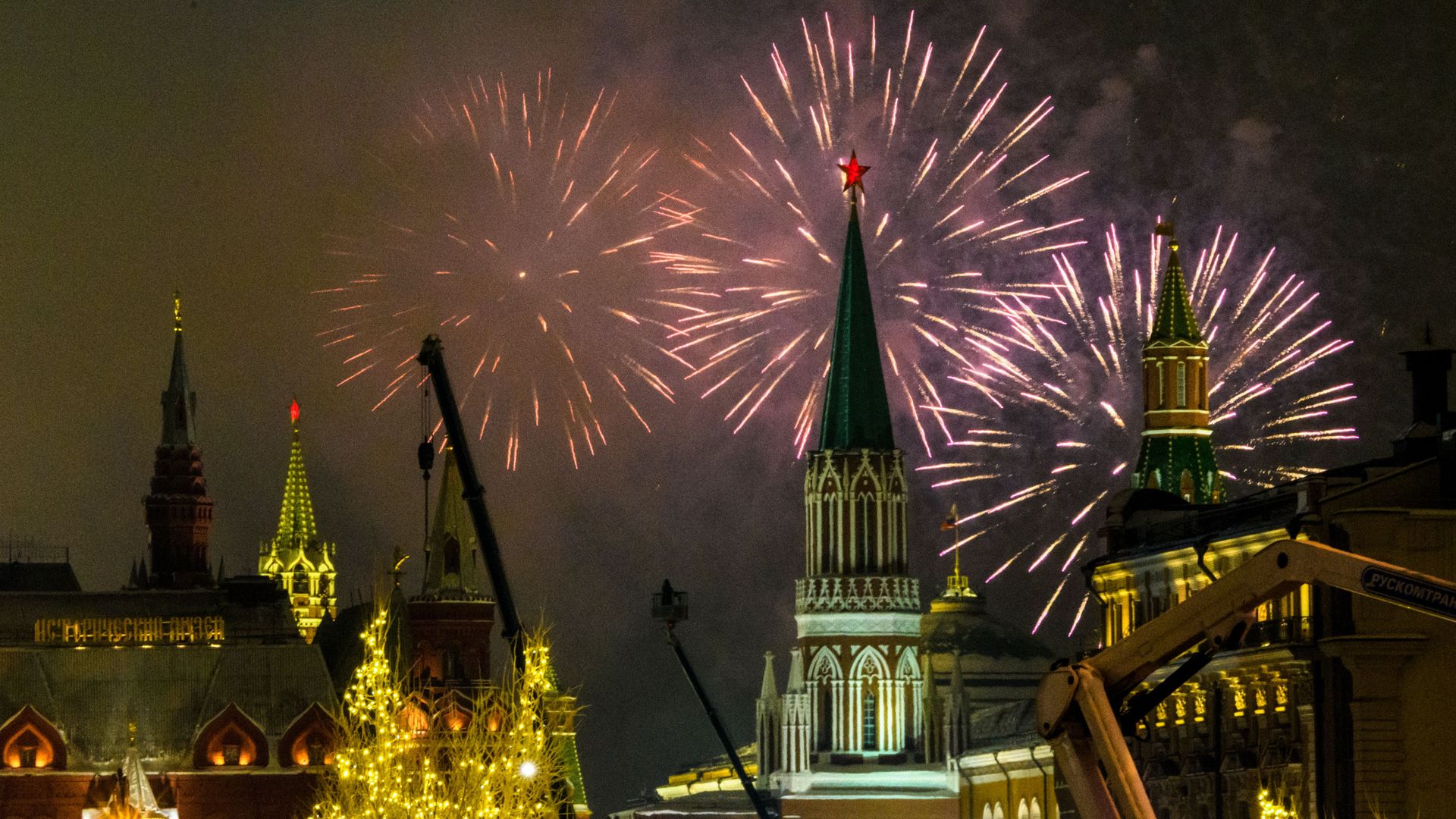
More peculiar details continue to come out about Paul Whelan, the former U.S. Marine arrested and charged with espionage while reportedly traveling to a wedding in Moscow last week.
Driving the news: Whelan, who is facing 20 years in a Russian prison, holds Canadian, British and Irish passports — a fact that threatens to drive a wedge between Russia and four Western countries that have now sought consular access. In 2006, Whelan was arrested for attempting to steal more than $10,000 of government money while on deployment in Iraq, the Washington Post reports. He was convicted and discharged for bad conduct in 2008.
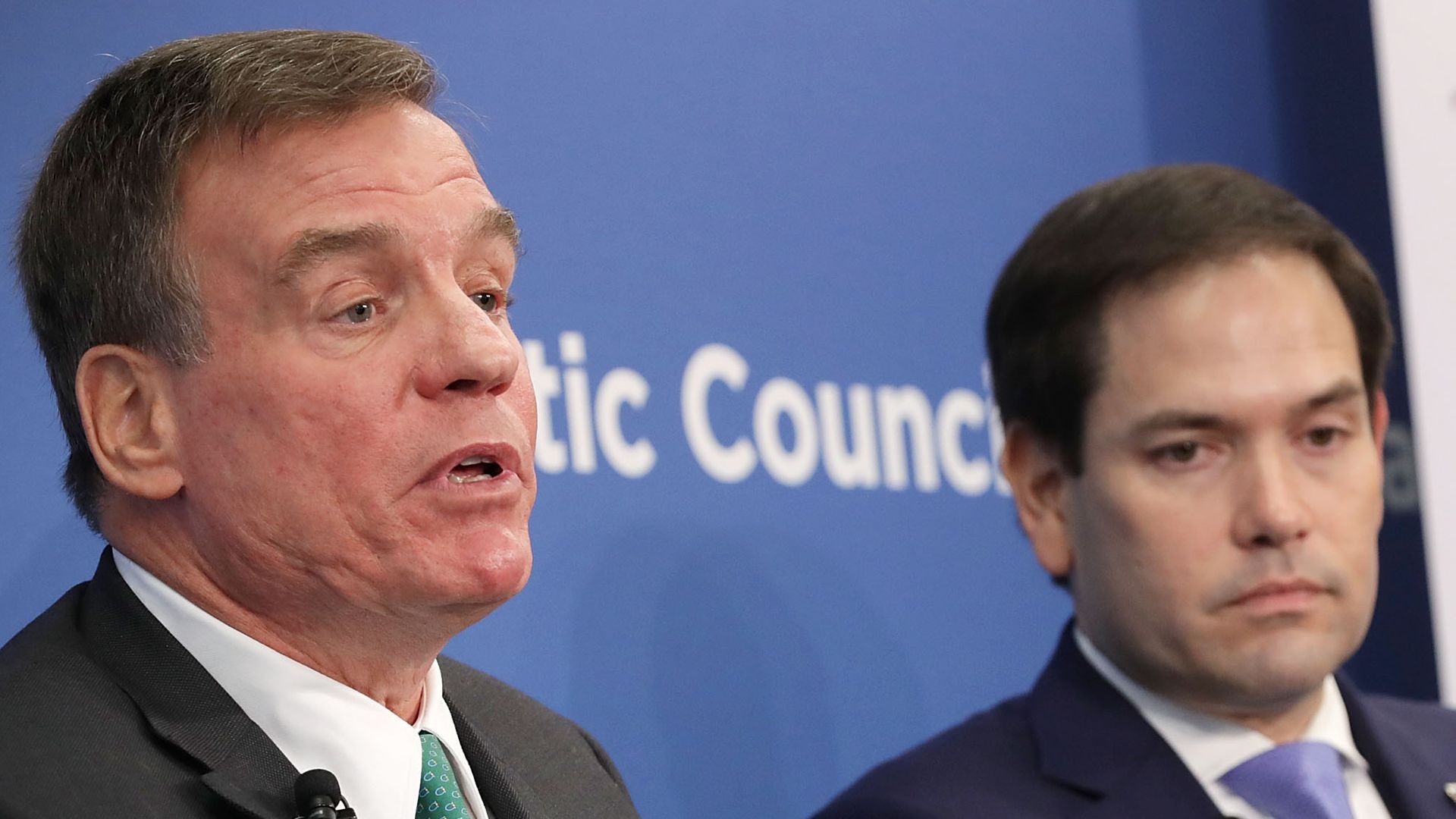
Sens. Mark Warner (D-Va.) and Marco Rubio (R-Fla.) proposed legislation Friday to create a White House Office of Critical Technologies and Security that would advise the president and coordinate the government's response to intellectual property theft and supply chain risks.
Why it matters: Economic espionage, supply chain issues and national security are inextricably linked.
Since the arrest of a Huawei executive in Canada, 13 Canadians have been detained in China, a Canadian foreign ministry spokesperson confirmed to The Globe and Mail. At least eight have been released.
The big picture: Only three Canadians were previously known to be detained in China since the Dec. 1 arrest of Huawei CFO Meng Wanzhou. The news comes the same day that the U.S. issued an increased travel warning to American citizens traveling to China, advising them to "exercise increased caution" due to "arbitrary enforcement of local laws."