A wave of state-backed cyberattacks against U.S. water systems in the last month is bringing federal attention back to the digital challenges facing water utilities.
Driving the news: Late last month, an Iran-linked hacker group hacked a water authority in western Pennsylvania, along with a handful of other unidentified water utilities and critical infrastructure organizations.
Anonymous Sudan, a politically motivated hacking group, is pledging to keep targeting OpenAI's ChatGPT as part of its campaign against Israel and the country's supporters.
Why it matters: The group has already claimed responsibility for a few ChatGPT outages in the last month — with the latest happening early Thursday morning.
Game maker Activision Blizzard has agreed to pay $47 million to settle gender discrimination claims brought by California in 2021.
Why it matters: The settlement is one of the largest in state history. It offers a potential legal resolution, at least, to scandals that have rocked the Call of Duty and World of Warcraft maker in recent years.
Leisure reading on paper helps with text comprehension better than reading on digital devices, according to a new study.
Driving the news: "The main conclusion is that leisure reading habits on screen are minimally related to reading comprehension," researchers at the University of Valencia found.
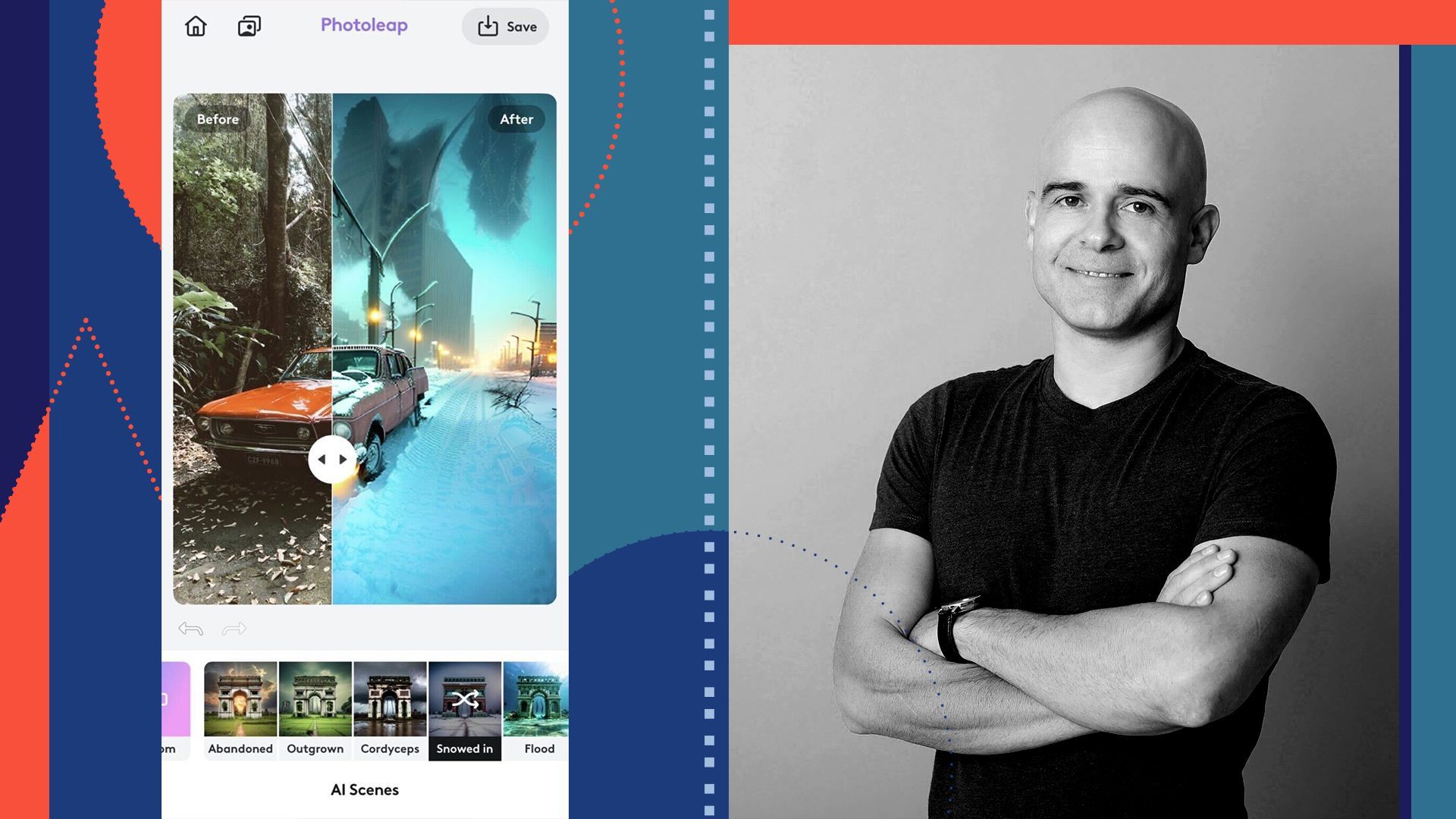
Over the last decade Lightricks has expanded from an app that snazzes up selfies into a mobile image and video editing suite that aims to rival Adobe, at least among consumers. Now, CEO Zeev Farbman is seeing the business he built challenged by a new rival: the power of generative AI.
Why it matters: The new technology is making trivial some of the work that used to require specialized software and expertise. That puts a double burden on software makers, who must now simultaneously incorporate AI into existing products and identify new problems to solve.