Public safety officials fear the nation's 911 centers will continue to languish in the analog era, after Democrats slashed proposed funding for a digital makeover in their social spending bill.
Why it matters: The potentially life-saving ability for people to send texts, pictures or videos to 911 centers, and for centers to seamlessly share data with each other, remains out of reach for many of the country’s 6,000 centers.
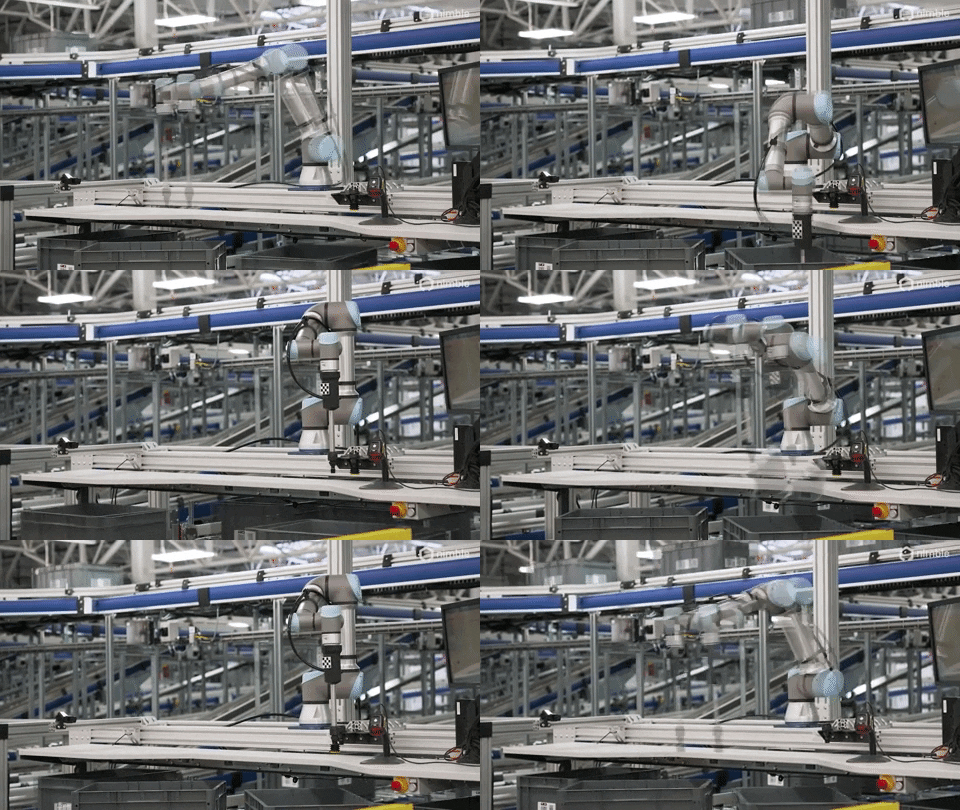
As more of our goods and gifts are being purchased online, robots are set to play a bigger role in e-commerce warehouses.
Why it matters: With retailers struggling to meet the demand for workers in a tight labor market, smarter robots that can adapt to the often chaotic conditions of a warehouse could help close the gap.
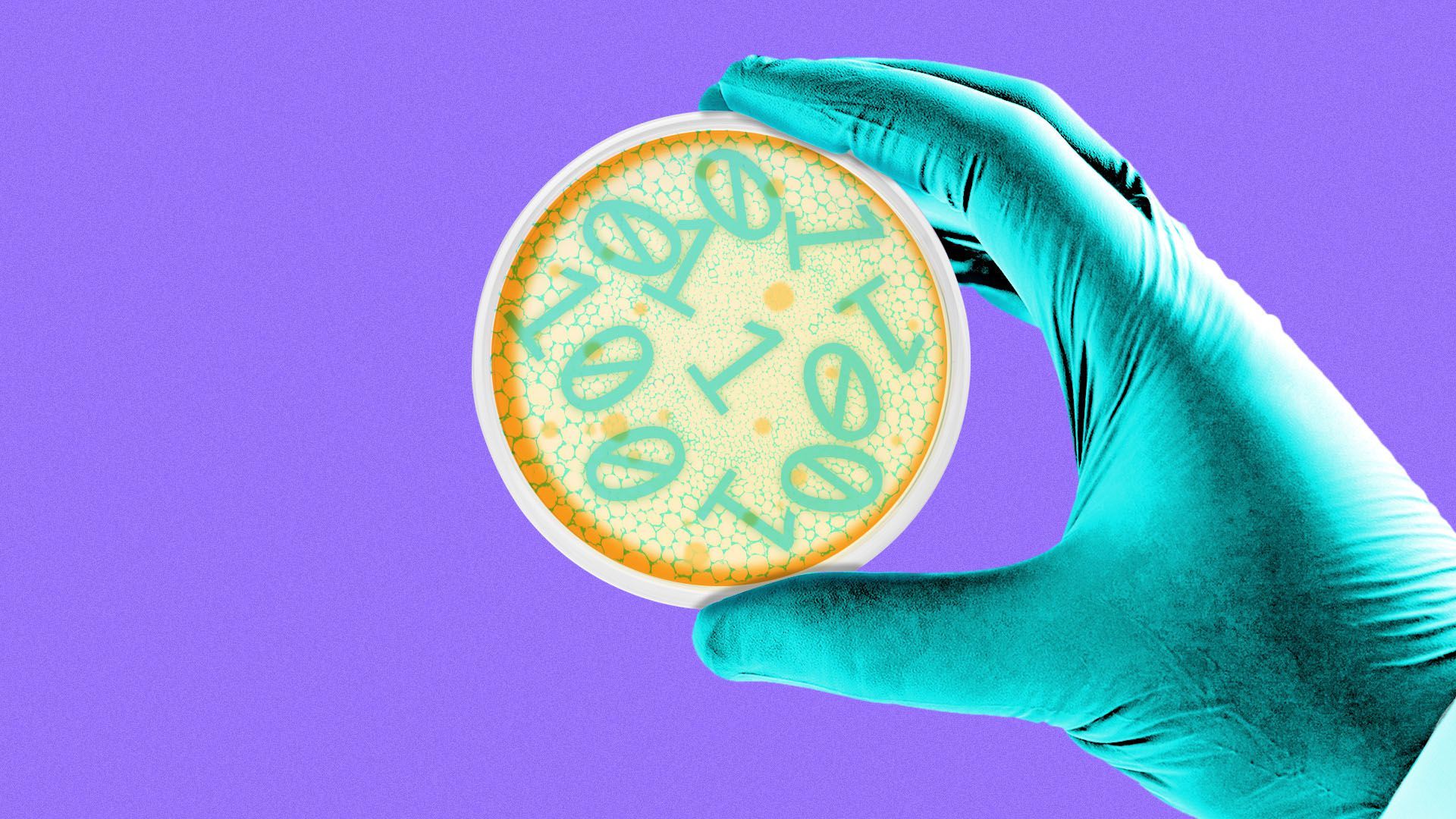
The growing synthetic biology industry is developing tools to allow companies to program living cells the way we program computers.
Why it matters: Turning cellular engineering from an art to an industry could open the door to more sustainable energy, food and materials, but it carries the risk of making it much easier to create the biological equivalent of malware.
The Roblox Corporation is suing a YouTuber for breach of contract and fraud.
Details: Social gaming platform Roblox is seeking $1,650,000 in damages against content creator Benjamin Robert Simon ("Ruben Sim"), alleging that he is the leader of a "cybermob" and "commits and encourages unlawful acts designed to injure Roblox and its users."
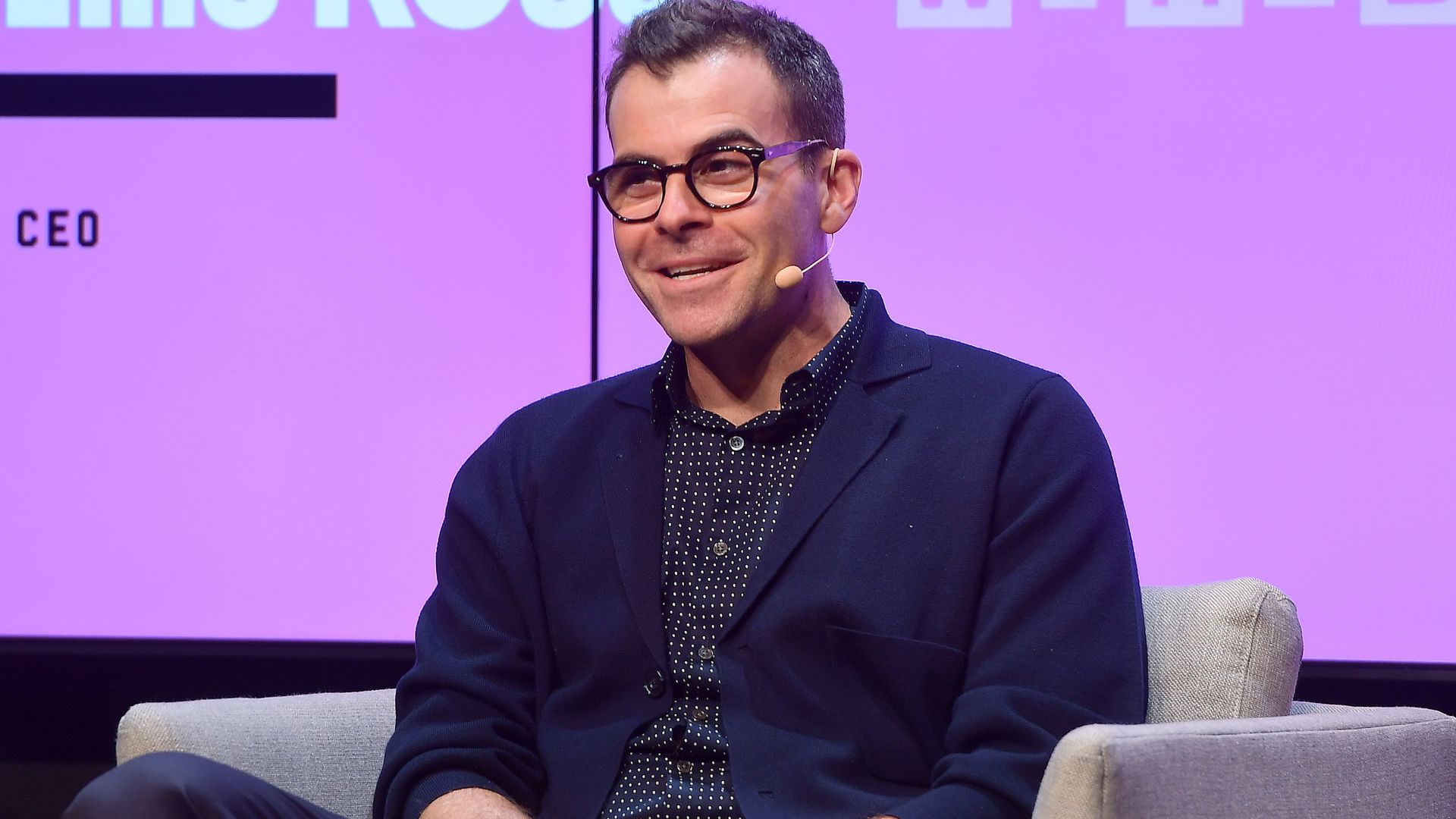
Adam Mosseri, head of Meta-owned Instagram, has agreed to testify before Congress in early December about Instagram's impact on young people, he said in a video posted to Twitter Wednesday.
Why it matters: Meta, formerly Facebook, is continuing to acknowledge mounting concern from the public and lawmakers over social media apps' effect on children and teens.