Carmageddon is upon us: Before we know it, robo-cars will be ubiquitous and crowd out human-driven cars.
What they're saying: After all, Elon Musk has said that buying anything other than a Tesla that can drive itself will be as financially insane as owning a horse. But horses survived, and driving will too.
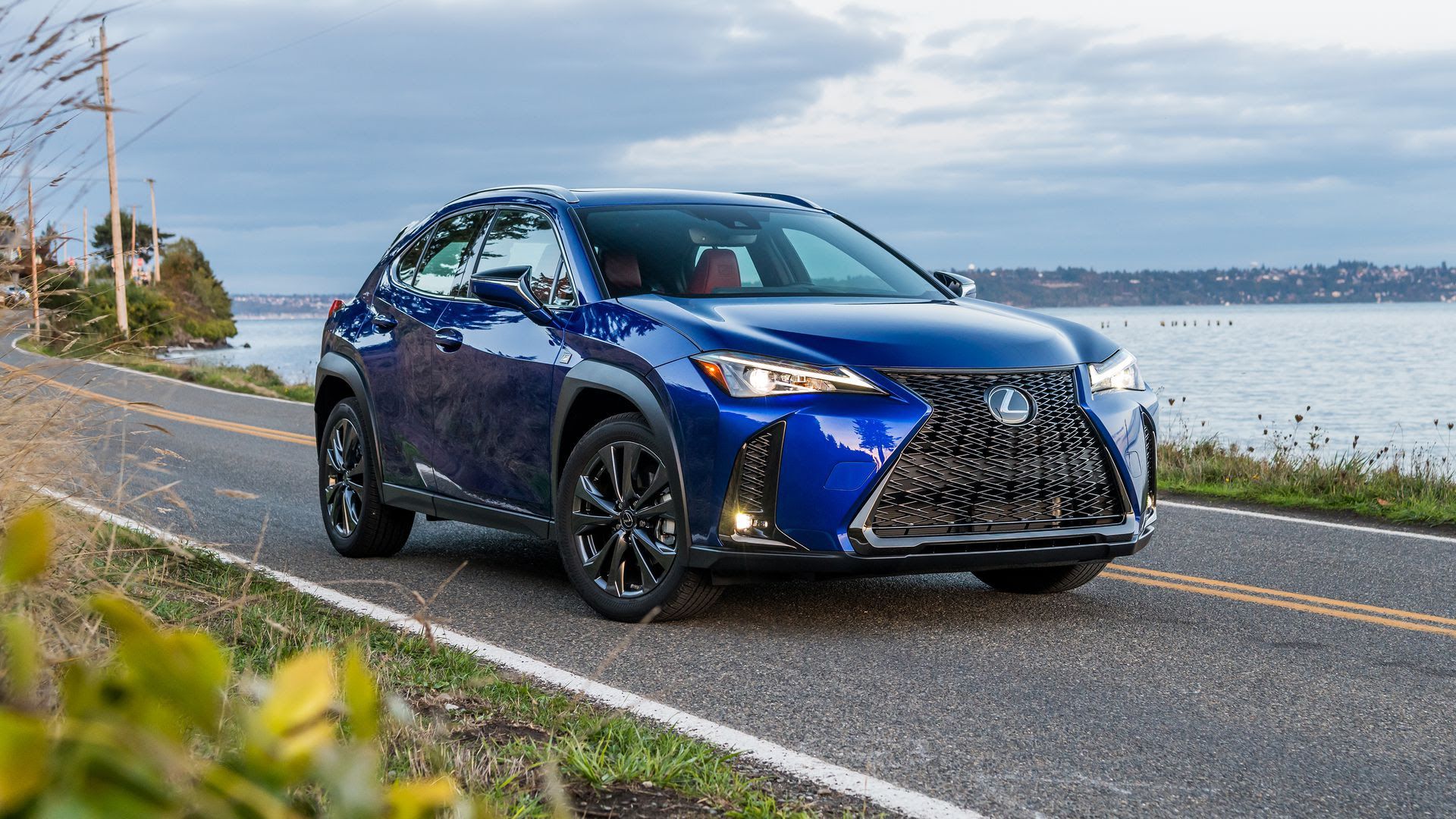
This week I'm driving the 2019 Lexus UX 250h F-Sport, an entry-level Lexus with awfully big ambitions.
Details: The UX (urban crossover) is aimed at millennials looking for adventure in the city. It tries to be both sporty and efficient, affordable yet luxurious. Though labeled a crossover, it's really just a hatchback.
AV companies are wrestling with how to define and set safety standards, and at a recent symposium, a possible path emerged — even if the industry hasn't reached a consensus.
The backlash against giant tech companies is stressing the public institutions tasked with examining their power, as participants, observers and critics question whether regulators have the skill, will and authority to check corporate forces.
Why it matters: The machinery of antitrust regulation will process the broader conversation about tech's role in society through the mill of American politics and law — and some wonder whether it's up to the task.
Instagram is adding new tools for users to be able to report when they see something false posted, according to a company spokesperson.
Why it matters: These updates are a part of a bigger investment by Instagram to reduce the spread of misinformation on the platform, which is reportedly a hotbed for conspiracy theories and fake news, ahead of upcoming elections.
Despite the sharp alarms being sounded over deepfakes — uncannily realistic AI-generated videos showing real people doing and saying fictional things —security experts believe that the videos ultimately don't offer propagandists much advantage compared to the simpler forms of disinformation they are likely to use.
Why it matters: It’s easy to see how a viral video that appears to show, say, the U.S. president declaring war would cause panic — until, of course, the video was debunked. But deepfakes are not an efficient form of a long-term disinformation campaign.
Recent high-profile hate crimes are forcing technology companies to reassess how hate speech and harmful content manifests in closed groups online.
Why it matters: As communications become more closed off and private, experts worry that private group forums online may be festering hateful activity that could manifest itself in dangerous offline behavior.










/2019/08/14/1565818352895.gif?w=3840)