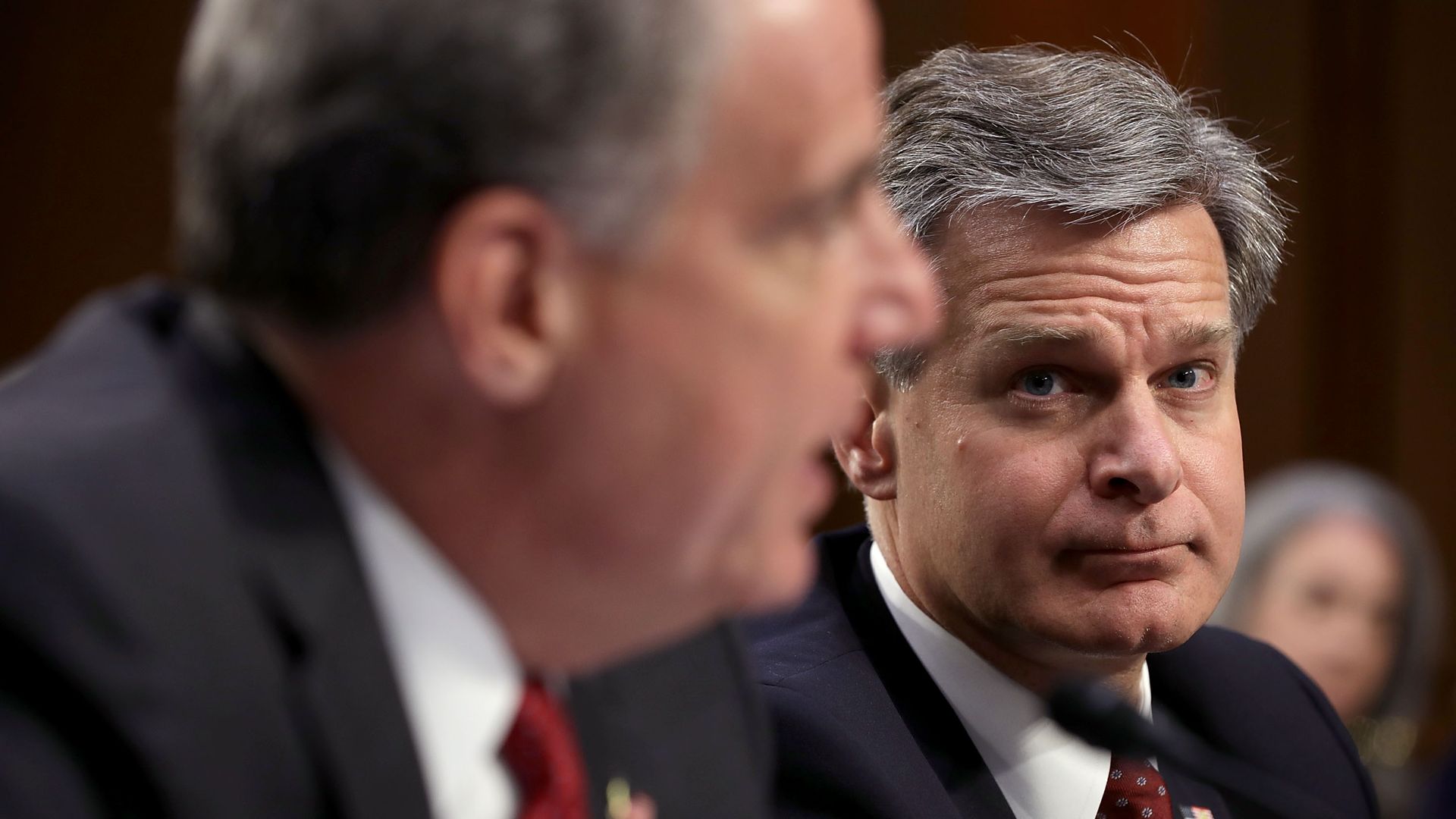
The FBI updated House Republicans on Friday night about the records that have been provided so far in response to subpoenas on issues related to the Clinton email investigation, FISA orders on Trump campaign associates, and the Russia investigation, CNN reports.
The details: The FBI says it has "substantially complied" with two requests, but CNN reports that "several issues remain outstanding." One of those is a request from the House Intelligence Committee related to the Clinton Foundation, which the FBI says it needs to "further engage with the Committee to better understand."
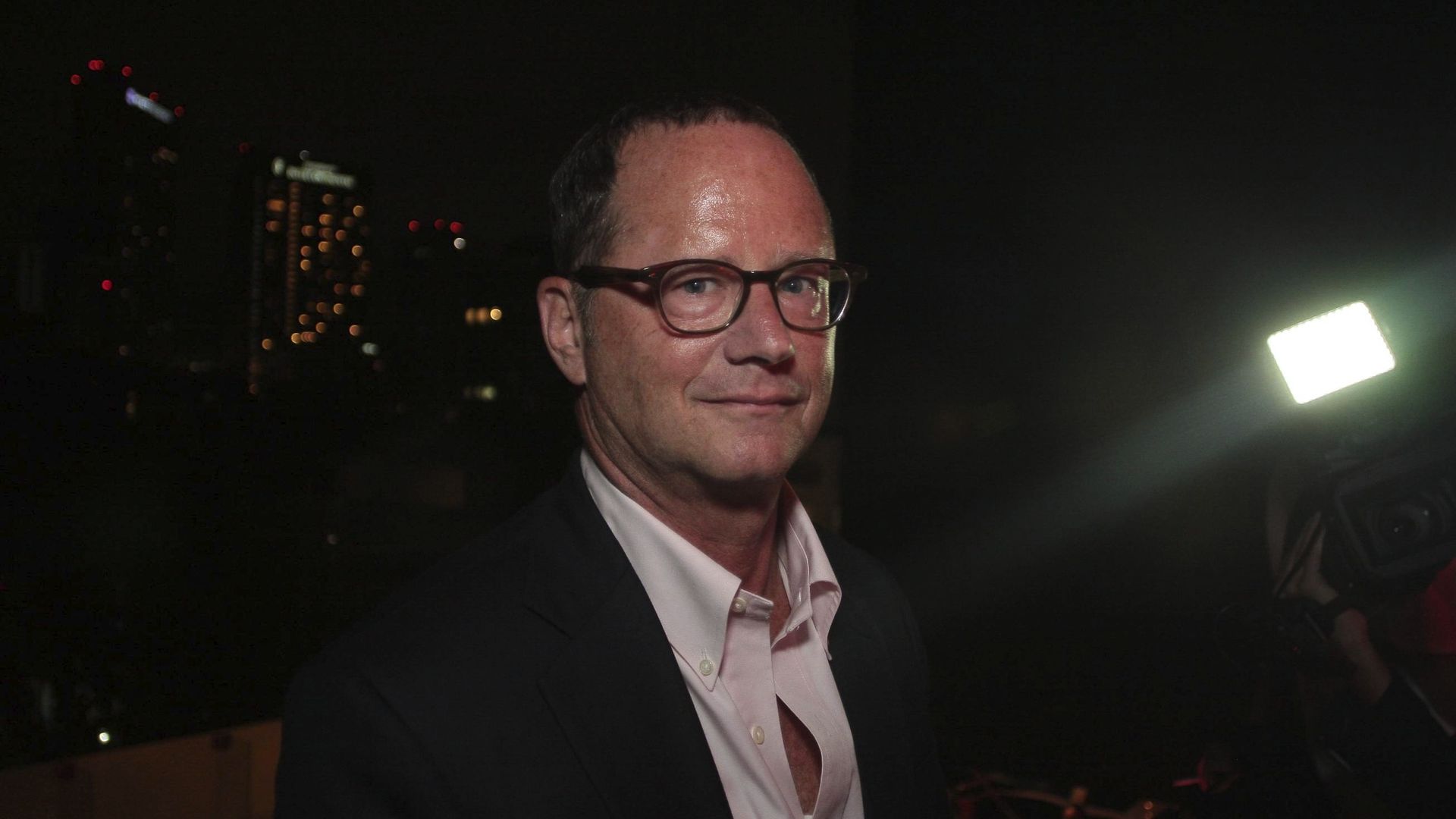
Netflix's top communications executive, Jonathan Friedland is being let go, according to the Hollywood Reporter, for his "descriptive use of the N-word on at least two occasions" which showed "unacceptable low racial awareness and sensitivity," CEO Reed Hastings told employees on Friday.
Why it matters, per Axios' Sara Fischer: Movements that take place on social media - from Black Lives Matter to #MeToo to the recent immigration debate - are putting more pressure on brands to focus on corporate social responsibility. Many are no longer tolerating comments or actions around sexual harassment, racism, gender equality, etc. that would’ve been previously accepted.
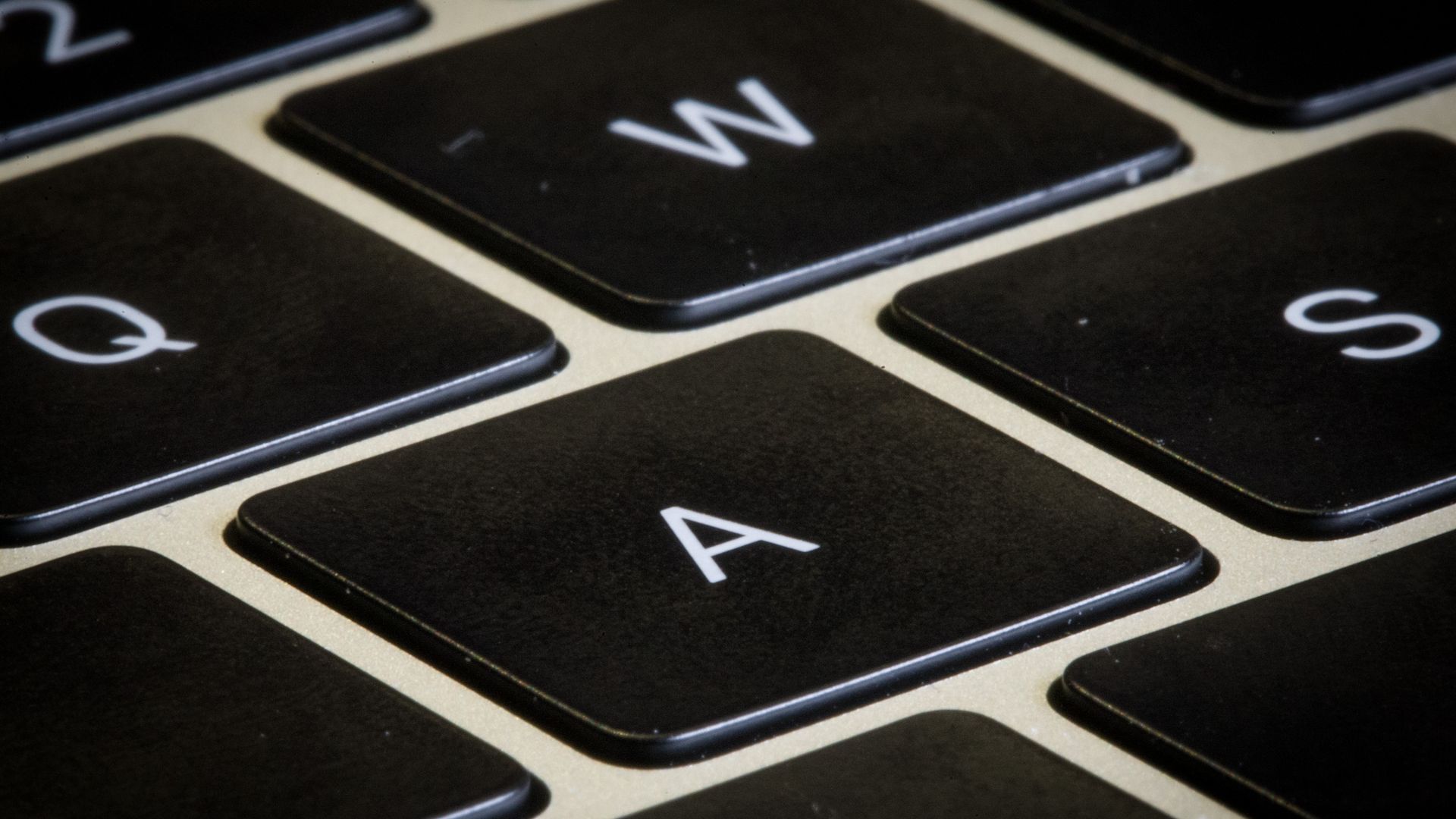
Apple said Friday that it will repair the keyboards on recent model laptops when their keys either stick or stop working.
Why it matters: Customers have been complaining of issues almost since the new keyboard design was introduced, and class action lawsuits have been filed.
Legislators in California will try to pass an online consumer privacy law to get ahead of a ballot measure that would allow the electorate to vote directly on the issue.
The bigger picture: Major internet companies have opposed the ballot measure. The bill includes more business-friendly language, reports the Los Angeles Times, and could help digital ad-based giants like Facebook and Google avoid a rebuke of their business model come Election Day.
A new "Investigative Operations Team" at Facebook is hiring former intelligence officers, media-buying experts and other researchers to pressure-test the social network and identify ways of misusing it before malevolent outsiders can exploit them, BuzzFeed reports.
Why it matters: This kind of adversarial testing is more common in cybersecurity work than in consumer online services. Facebook's adoption of the practice suggests that recent controversies, including Russian meddling in the 2016 election and the Cambridge Analytica data privacy scandal, have left it with a harder-nosed view of how its products can be used for ill.
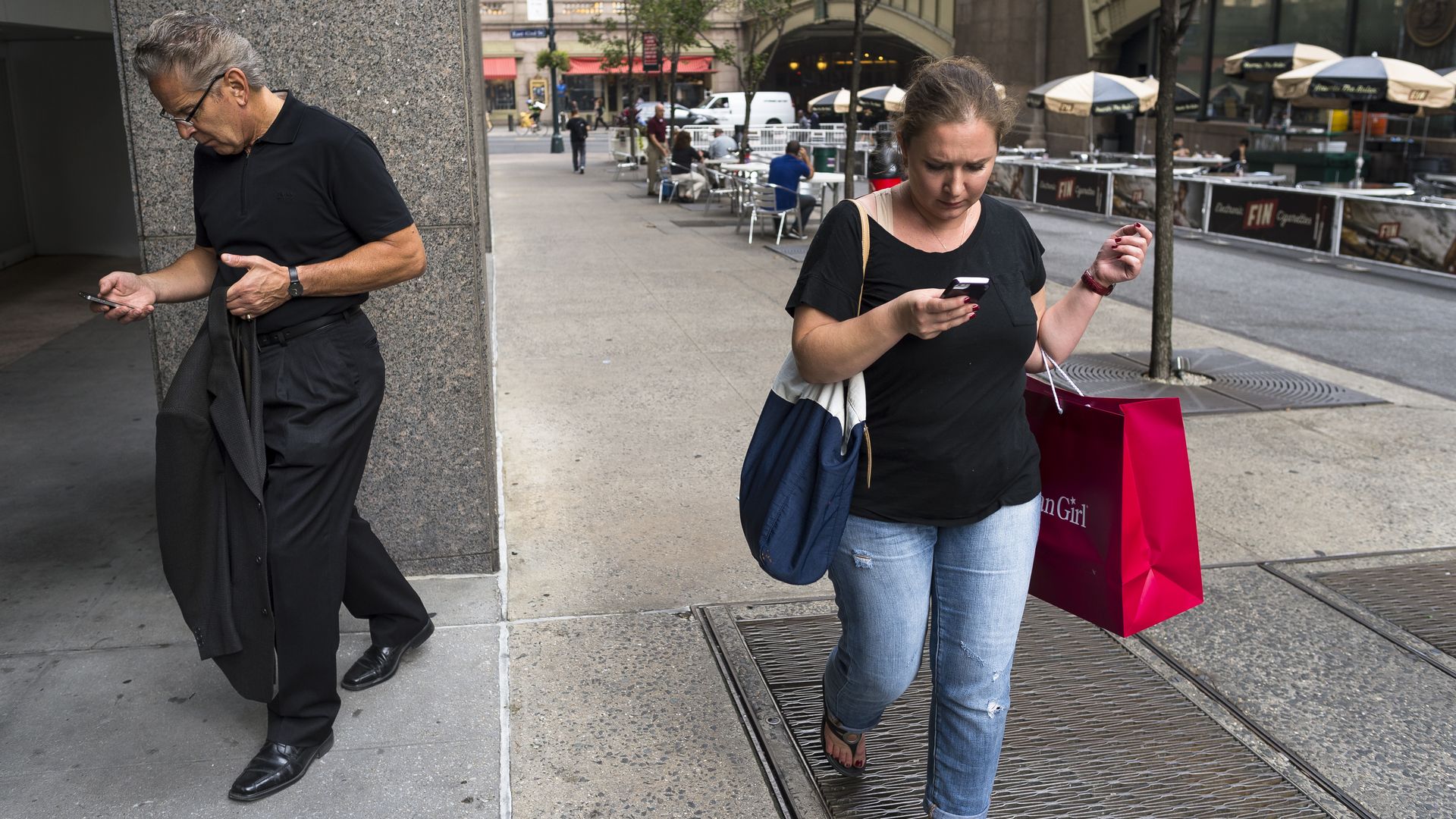
Police officers cannot retrace the location of your cell phone without a warrant, the Supreme Court ruled today — a narrow but critically important victory for privacy advocates as well as giant tech companies.
Why it matters: The court’s precedents have allowed a relatively broad range of warrantless searches, but Silicon Valley warned that if those “analog” rules were applied to modern smartphones, hardly anything we do would ever be private again. And they won.
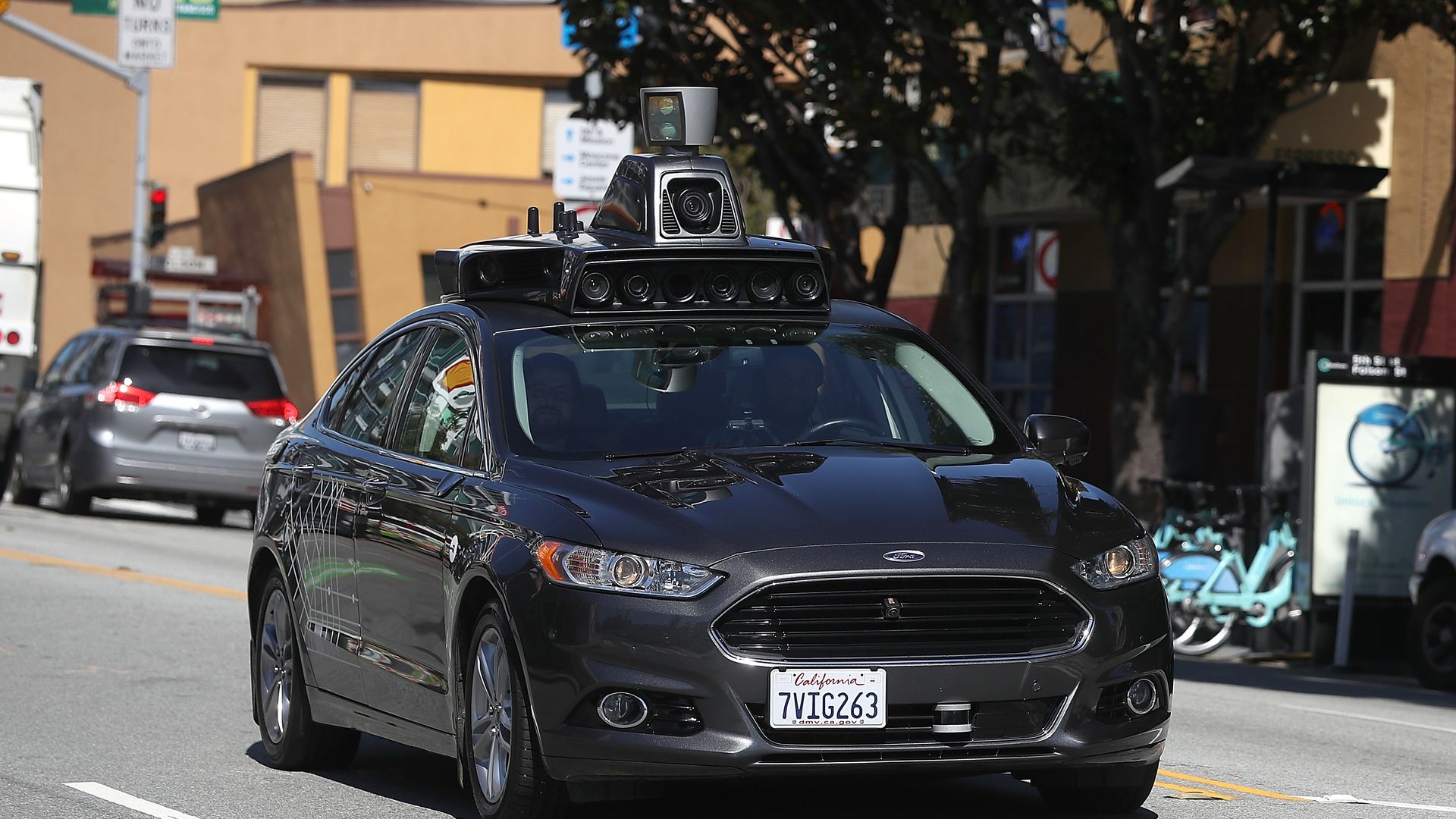
A new police report investigating the self-driving Uber that fatally struck a pedestrial in Arizona in March revealed that the driver was streaming an episode of "The Voice" at the time of the accident — not watching the road, reports the BBC.
The details: The report found that car operator, Rafaela Vasquez, looked up from her phone screen just half a second before the crash. The car was moving at 44 mph and did not brake before the accident.