The next AI policy idea that could gain traction in the U.S. would give companies some legal immunity from challenges over possible harms if they prove they're adhering to safety standards.
Why it matters: As it becomes increasingly clear that the federal government isn't going to meaningfully regulate AI, this is one model that could pick up steam in states across the country.
An export control rule from the Commerce Department is set to create a major new layer of work for AI and tech companies with global supply chains and partners.
Why it matters: The move is a clear win for national security hawks who want U.S. tech firms to retreat from business partnerships with companies in China and other countries deemed to be national security risks.
OpenAI's new Sora app gives us a fast-forward view of a future in which AI video, social media and the attention economy fuse into one giant mucky, murky, reality-corroding pool of virality.
Why it matters: Feeds, memes and slop are the building blocks of a new media world where verification vanishes, unreality dominates, everything blurs into everything else and nothing carries any informational or emotional weight.
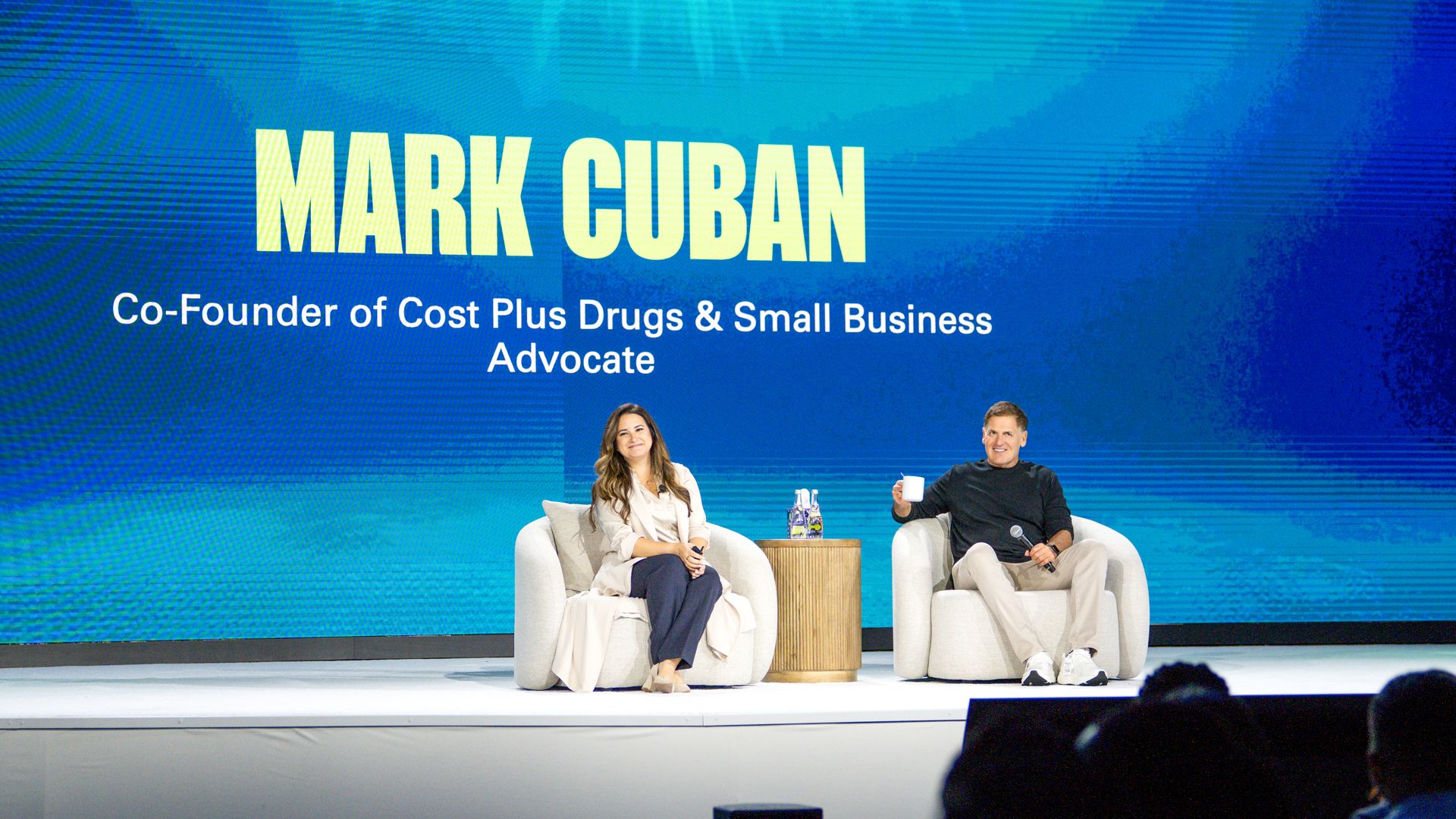
Billionaire businessman Mark Cuban tells Axios that AI is leveling the playing field for young, low-income entrepreneurs
Why it matters: The longtime "shark" and Cost Plus Drugs co-founder tells Axios the free and low-cost AI tools are giving disadvantaged teens the chance to compete with seasoned pros — and it's changing how he does business too.